Ghousia Food Products Pvt. Ltd. — Verified Supplier
About Ghousia Food Products Pvt. Ltd. - Fruits Supplier in India
Ghousia Food Products Pvt. Ltd. operates from India and currently lists five active fresh‑produce items in its online catalogue. The supplier classifies its portfolio under the broad categories of Apples, Fruits and Vegetables, with all items falling under HS Chapter 08 for fresh fruit. The catalogue includes tomato, banana, yellow papaya, white guava and Alphonso mango, and the supplier’s trust tier is recorded as "harbor" on the platform. Specific HS codes are provided for banana (0803.90) and Alphonso mango (0804.50), indicating compliance with the international tariff classification for fresh whole fruit.
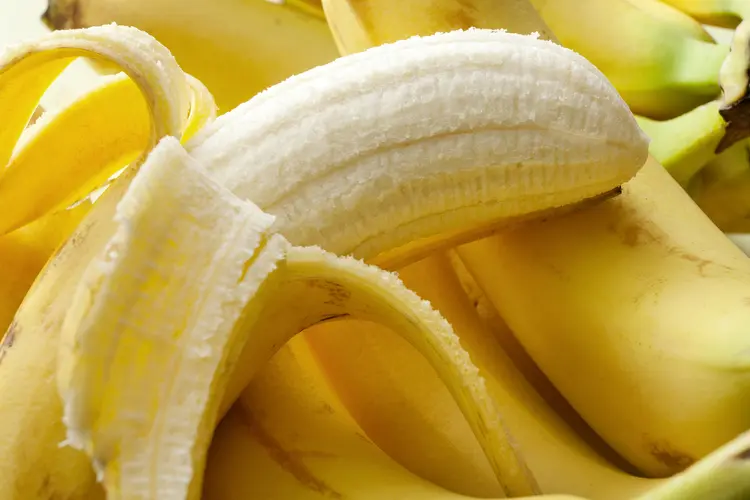
The five products are described as fresh whole fruit: banana is identified as Cavendish (Musa acuminata) and mango as the Alphonso variety of Mangifera indica L. Tomato, yellow papaya and white guava are listed without HS codes but are also classified under the same chapter. All items are intended for export as fresh commodities, typically packed in temperature‑controlled containers to preserve ripeness during transit. The supplier’s active product count of five reflects a focused range of high‑value tropical fruits sourced in India.
Product Range and Specialties of Ghousia Food Products Pvt. Ltd.
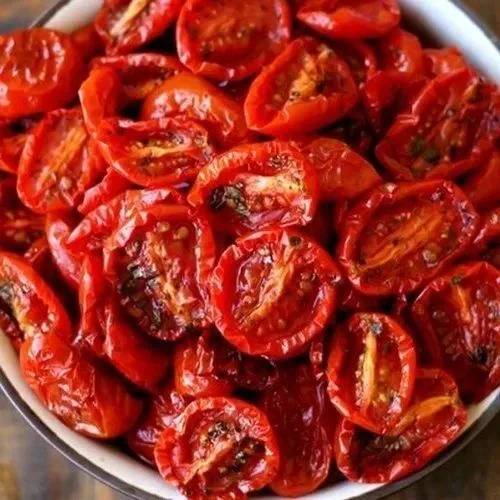
The catalogue presents five distinct fruit types: tomato, Cavendish banana (HS 0803.90), yellow papaya, white guava and Alphonso mango (HS 0804.50). In the global fresh‑fruit market, bananas are commonly graded by size (14 - 20 cm length) and sugar content (Brix 18 - 22 %). Alphonso mangoes are often sorted by color, firmness and Brix 14 - 18 %. Papaya and guava are typically evaluated on pulp firmness, seed count and internal color, while tomatoes are graded by size class (e.g., 2 - 5 cm) and acidity (pH 4.0 - 4.5).
Buyers usually receive these fruits packed in 45 kg cardboard cartons, stacked on wooden pallets, or in reusable plastic crates for reef‑controlled containers. Standard export packaging complies with ISPM 15 for wood packaging, and container temperatures are maintained at 13 °C for bananas, 13 - 15 °C for mangoes and papayas, and 10 - 12 °C for tomatoes to extend shelf life. Typical shipment sizes range from a single 20‑ft refrigerated container (≈18 tons) to multiple 40‑ft units for larger orders.
Trade and Export Information - Ghousia Food Products Pvt. Ltd.
India ranks among the world’s top exporters of fresh tropical fruits, supplying the Middle East, European Union, and North America with seasonal volumes. HS 0803.90 (bananas) and HS 0804.50 (mangoes) are the primary tariff lines used for customs clearance, and buyers often require a phytosanitary certificate issued by the Indian Plant Quarantine authority. Commonly requested certifications for Indian fruit exporters include GlobalGAP, ISO 22000 food safety management, and compliance with the EU’s maximum residue limits (MRLs).
Refrigerated sea‑freight (reefer containers) is the standard logistics mode, with Incoterms such as FOB Mumbai or CIF Dubai frequently applied. Exporters must adhere to the International Plant Protection Convention (IPPC) standards, including treatment of wooden pallets and use of approved fumigants. Documentation typically includes the commercial invoice, packing list, certificate of origin, phytosanitary certificate and, where required, a laboratory analysis report for pesticide residues.
Sourcing from Ghousia Food Products Pvt. Ltd. - Buyer Guidance
When sourcing from Ghousia Food Products, buyers should request the latest phytosanitary certificate and, if available, GlobalGAP or ISO 22000 audit reports to confirm compliance with food‑safety standards. Sample shipments of 5 - 10 kg per fruit type are useful for verifying Brix levels, firmness, and visual quality before committing to a full order. Verify that the supplier can meet the buyer’s required container temperature profile and that packaging meets ISPM 15 standards for wooden pallets or uses approved reusable crates.
Typical minimum order quantities for fresh fruit shipments range from 2 metric tons (approximately one 20‑ft container) to larger volumes for established accounts. Lead times from harvest to shipment are usually 30 - 45 days, allowing for grading, packing, and pre‑export inspections. Buyers should also confirm the agreed Incoterm and arrange for a freight forwarder experienced in handling reefers to avoid temperature excursions during transit.
Frequently Asked Questions About Ghousia Food Products Pvt. Ltd.
What HS codes are associated with the fruit products listed by Ghousia Food Products?
Banana is listed under HS 0803.90 (fresh whole fruit - Cavendish) and Alphonso mango under HS 0804.50 (fresh whole fruit - Alphonso variety). The other items fall under the broader HS 08 chapter for fresh fruit.
Which certifications should a buyer request from this Indian fruit exporter?
Buyers should ask for a phytosanitary certificate, and where possible, GlobalGAP or ISO 22000 food‑safety audit reports, as these are commonly required for Indian fresh‑fruit shipments.
What typical packaging is used for the bananas and mangoes?
Bananas and mangoes are usually packed in 45 kg cardboard cartons placed on ISPM 15‑compliant wooden pallets or reusable plastic crates, then loaded into refrigerated containers.
What are the common temperature settings for shipping these fruits?
Reefer containers are typically set to 13 °C for bananas, 13 - 15 °C for mangoes and papayas, and 10 - 12 °C for tomatoes to preserve freshness during sea‑leg.
What documentation is required for customs clearance of the listed fruits?
Standard documents include a commercial invoice, packing list, certificate of origin, phytosanitary certificate and, if requested, a pesticide‑residue analysis report.
What minimum order size is expected for a first shipment?
A common minimum is one 20‑ft refrigerated container, roughly 2 metric tons of fruit, which allows the exporter to meet grading and packaging standards.
How long does it usually take from order to shipment?
Lead times are generally 30 to 45 days, covering harvest, post‑harvest treatment, grading, packaging and pre‑export inspections.
Which regions typically import the fresh fruits exported from India?
Major import markets include the Gulf Cooperation Council countries, the European Union, and the United States, where buyers look for seasonal tropical fruit supplies.




 , India