GEOMET TRADING — Verified Supplier
About GEOMET TRADING - Copper Ore Supplier in India
India, Thane in Maharashtra hosts GEOMET TRADING, which currently maintains a catalogue of 16 active products. The supplier’s listings cover a mixture of base metal concentrates, ferrous scrap, refined copper products, and select agricultural commodities, each tied to specific HS‑code families such as 2603.00 for copper ore concentrate, 2608.00 for zinc ore, 2602.00 for manganese ore, 2604.00 for nickel ore, 7204.49 for heavy melting steel and used rail scrap, and 7403.11 for copper cathodes and wire rods. In addition, the catalogue includes aluminium ingot (HS 7601.20) and several food‑grade oils and nuts, as well as long grain white rice without a listed HS code. All entries specify material grades - for example, copper ore concentrate at Cu 25‑35 % and zinc ore concentrate at Zn 40‑52 % - providing clear reference points for potential buyers.
The product set reflects typical Indian export streams of mineral concentrates and ferrous scrap, with copper cathode sheets (Cu 99.99 %) and electrolytic copper wire rods (ETP grade) also offered. Agricultural items such as long grain white rice, extra‑virgin olive oil, refined sunflower oil, raw cashew nuts in shell, and LPG round out the portfolio, illustrating a diversified sourcing capability beyond metals. Each listed product aligns with its respective HS chapter, enabling straightforward customs classification for international shipments.
Product Range and Specialties of GEOMET TRADING
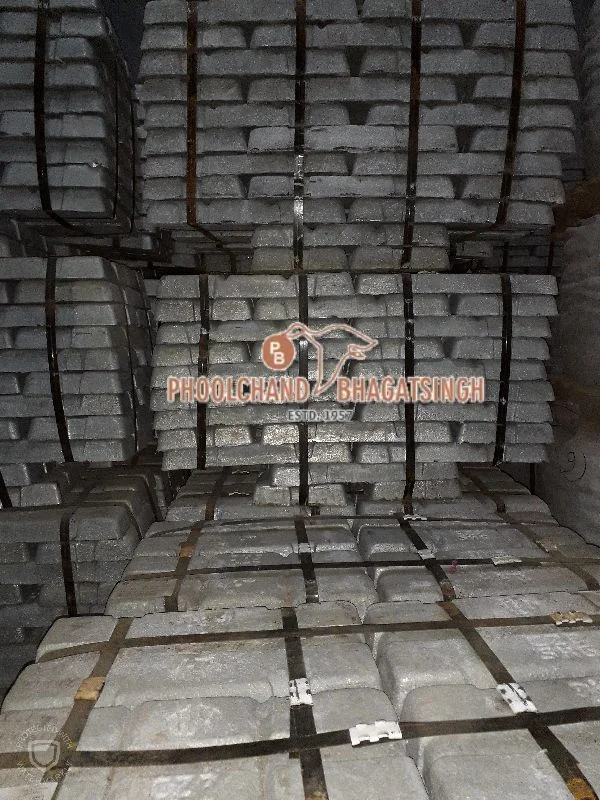
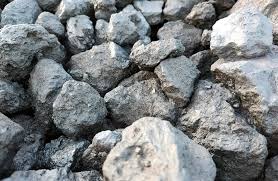
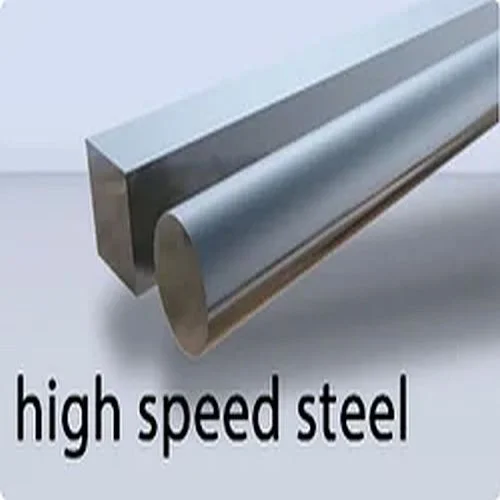
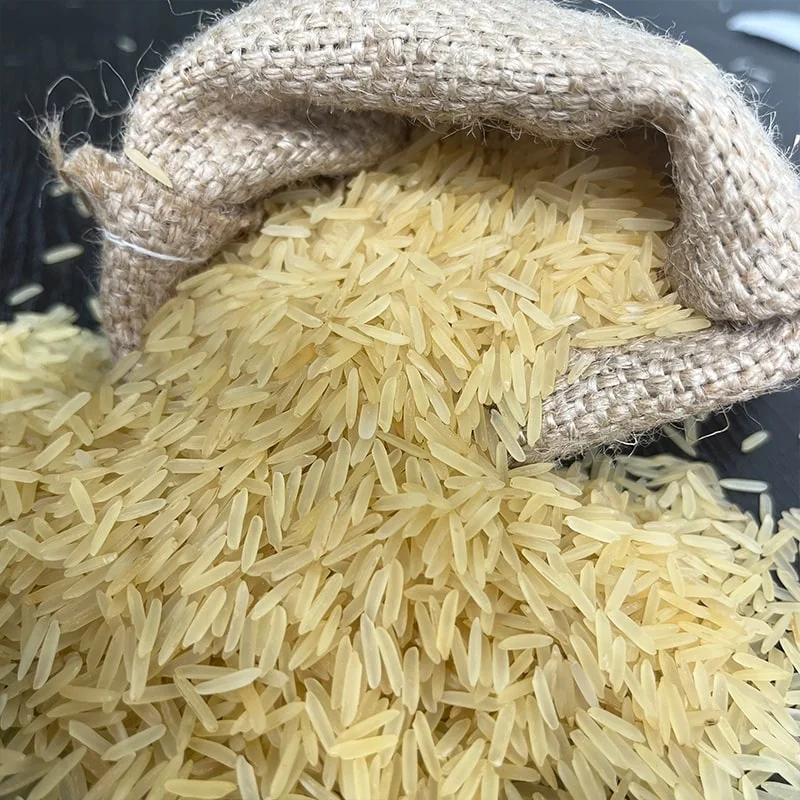
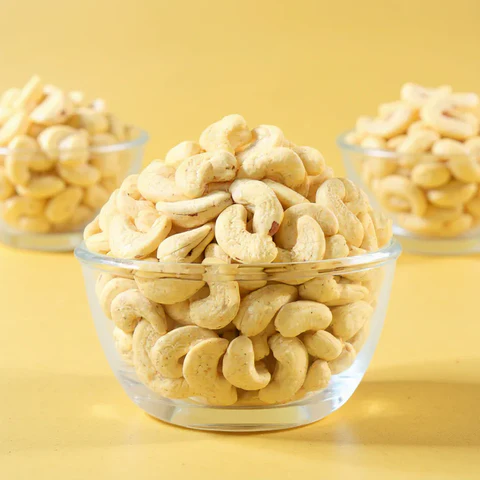
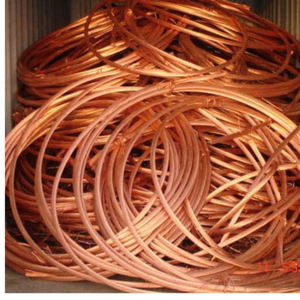
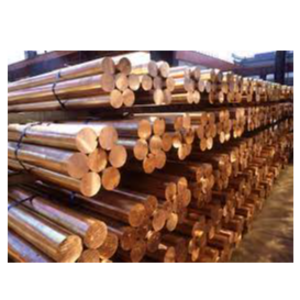
GEOMET TRADING’s catalogue presents copper ore concentrate (Cu 25‑35 %) under HS 2603.00, zinc ore concentrate (Zn 40‑52 %) under HS 2608.00, manganese ore concentrate (Mn ≥ 46 %) under HS 2602.00, and nickel laterite ore (Ni ≈ 1.8 %) under HS 2604.00. In the ferrous sector, heavy melting steel (HMS 1 & 2) and used rail grades R‑50/R‑65 are classified under HS 7204.49, reflecting the ISRI 201‑205 standards commonly used in scrap trading. Copper cathode sheets and electrolytic copper wire rods, both Cu 99.99 % ETP grade, fall under HS 7403.11, while aluminium ingot of 99.5‑99.7 % purity is listed under HS 7601.20. The food line includes long grain white rice (typically 13‑14 % moisture, ≤2 % broken grains), extra‑virgin olive oil (free fatty acid ≤ 0.3 %, peroxide ≤ 20 meq O₂/kg), refined sunflower oil (FFA ≤ 0.2 %), and raw cashew nuts in shell (moisture ≤ 5 %, aflatoxin ≤ 10 µg/kg).
Trade and Export Information - GEOMET TRADING
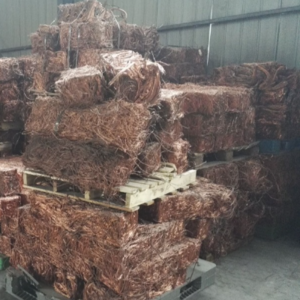
India ranks among the world’s top exporters of copper, zinc, manganese and nickel concentrates, with China, the EU, and the Middle East absorbing the majority of shipments. HS 2603‑2604 commodities are routinely inspected under SGS or Bureau Veritas protocols, and buyers often request assay certificates, Certificate of Origin, and compliance with REACH or RoHS where downstream applications demand it. Ferrous scrap classified under HS 7204.49 is shipped in bulk in 20‑ft or 40‑ft containers, frequently using wooden pallets and tarpaulin covers to meet ISRI handling standards. Aluminium ingots (HS 7601.20) are usually exported in steel drums or bulk bags, with ISO 9001 quality management systems cited by buyers. Agricultural exports such as rice and nuts require phytosanitary certificates, Indian BIS or FSSAI approvals, and are packed in jute or PP bags for ocean freight. Typical Incoterms for these Indian exports include FOB Thane or CIF destination ports, with container loading optimized for weight and volume constraints.
Buyers of Indian mineral concentrates also monitor anti‑dumping duties and import licensing requirements in target markets, especially for HS 2603 copper ore where anti‑siphoning measures may apply. Food‑grade oils must meet Codex Alimentarius limits on peroxide value and free fatty acids, and are often shipped in food‑grade drums or IBC containers with tamper‑evident seals.
Sourcing from GEOMET TRADING - Buyer Guidance
When sourcing copper, zinc, manganese or nickel concentrates from GEOMET TRADING, request a recent laboratory assay report confirming metal percentages, as well as a SGS inspection certificate and a Certificate of Origin. For ferrous scrap and used rail grades, ask for an ISRI‑based material specification sheet, bulk density data, and a non‑hazardous waste handling certificate. Agricultural products should be accompanied by a phytosanitary certificate, moisture analysis, and, where applicable, a BIS or FSSAI compliance statement. Verify that packaging meets the buyer’s logistics plan - e.g., 20‑tonne bulk bags for ores, 25‑kg polypropylene bags for rice, and food‑grade drums for oils - and confirm the HS code matches the product description before finalising the purchase order. Typical minimum order quantities range from 10 metric tonnes for metal concentrates to 5 metric tonnes for copper cathodes, with lead times of 30‑45 days for metals and 20‑35 days for agricultural goods, subject to production scheduling and export clearance.
Prior to shipment, ensure that the supplier can provide a pre‑shipment inspection report and, if required by the importing country, a REACH or RoHS compliance declaration for metal products. For oils, request a free fatty acid test, peroxide value, and a shelf‑life stability report. Confirm that all documentation aligns with the destination’s customs tariff schedule to avoid delays.
Frequently Asked Questions About GEOMET TRADING
Which HS codes does GEOMET TRADING use for its metal ore concentrates?
Copper ore concentrate is listed under HS 2603.00, zinc ore concentrate under HS 2608.00, manganese ore concentrate under HS 2602.00, and nickel ore under HS 2604.00. These codes correspond to the international tariff headings for base metal concentrates.
How can I obtain a material test report for the copper ore concentrate?
Request a recent laboratory assay from the supplier that details copper content (typically 25‑35 % Cu) and impurity levels. The report should be issued by an accredited third‑party lab such as SGS or Bureau Veritas.
What certifications are commonly required for the aluminium ingot offered by GEOMET TRADING?
Buyers usually ask for an ISO 9001 quality management certificate, a Certificate of Origin, and a material test report confirming aluminium purity of 99.5‑99.7 %. Additional compliance with REACH may be requested for downstream processing.
What packaging is used for the long grain white rice shipments?
The rice is typically packed in 25‑kg polypropylene bags or 1‑tonne jute sacks, sealed to maintain moisture levels below 14 % and protect against breakage during container transport.
What are the standard lead times for exporting heavy melting steel from India?
Lead times for HMS and used rail scrap generally range from 30 to 45 days, depending on bulk volume, container availability, and customs clearance procedures.
Are phytosanitary certificates available for the raw cashew nuts in shell?
Yes, the supplier can provide an official phytosanitary certificate issued by the Indian agricultural authority, confirming the nuts meet the importing country’s plant health requirements.
What moisture limits apply to the long grain rice product?
International buyers typically require moisture content of 13‑14 % or lower, with broken grain percentage not exceeding 2‑3 % for premium long grain rice.
How is the purity of copper cathode sheets verified?
Purity is verified by an independent assay showing Cu 99.99 % (ETP grade) and accompanied by a mill certificate and SGS inspection report confirming compliance with HS 7403.11 standards.




 Thane, India