gedco SA — Verified Trader & Wholesale Supplier

About gedco SA - Agricultural Products Supplier in Switzerland

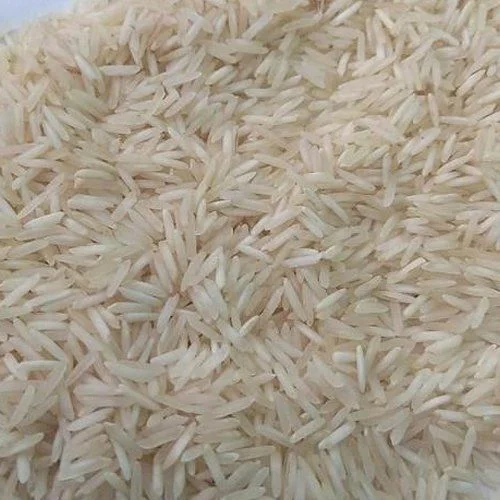
Switzerland, Geneva region, hosts gedco SA with an active product count of 20 items. The catalogue covers major agricultural commodities such as rice (including broken grains and several basmati varieties), pulses, dried kidney beans, mixed oilseeds, refined vegetable oil blends, whole cumin and coriander seeds, black tea leaves, green Arabica coffee beans, wheat grain, feed‑grade yellow corn, and related by‑products. Each product is listed with its corresponding HS‑code family, for example rice under HS 1006, pulses and beans under HS 0713, oilseeds under HS 1207, edible oils under HS 1512, spices under HS 0909, tea under HS 0902, coffee under HS 0901, wheat under HS 1001 and corn under HS 1005. The supplier’s inventory therefore spans the principal HS chapters for cereals, legumes, oilseeds, edible oils, spices, tea and coffee as defined by the World Customs Organization.

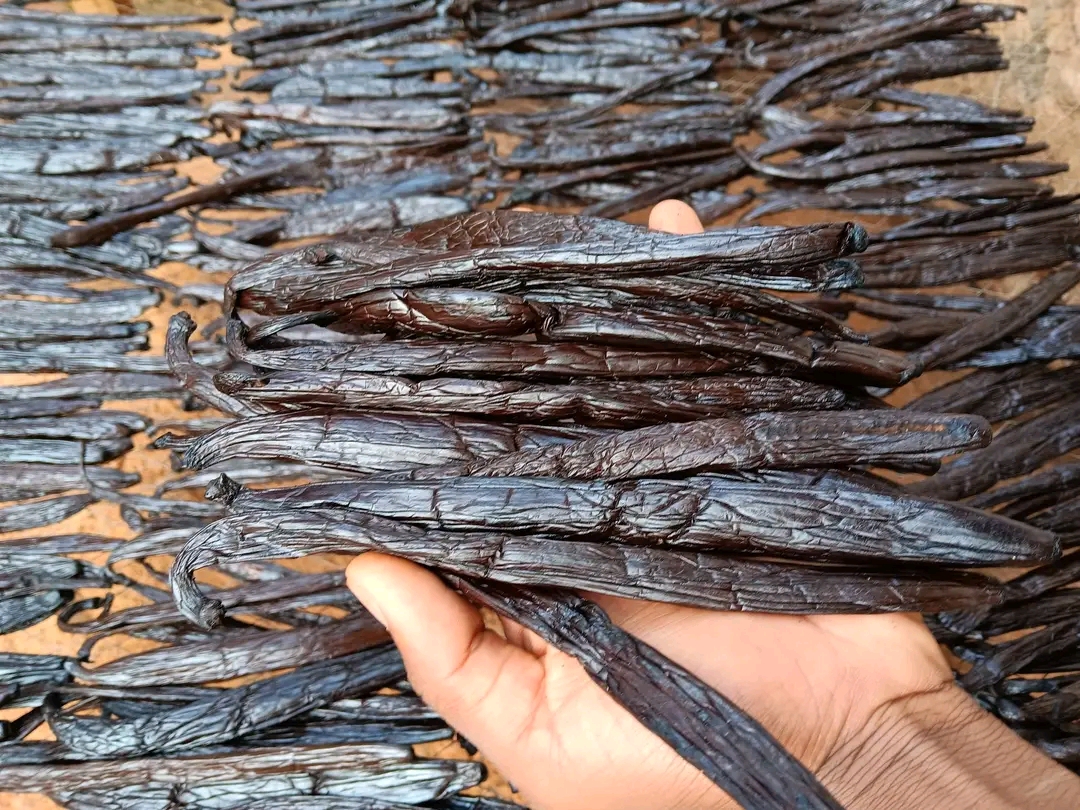
The product entries also specify material details such as broken Oryza sativa grains (HS 1006.20), Pusa 1401 and other long‑grain aromatic basmati rice (HS 1006.30), assorted dried legumes including lentils and chickpeas (HS 0713.20), mixed sunflower/soybean/canola oilseeds (HS 1207.99), and refined vegetable oil blend (HS 1512.11). In addition, the list includes specialty items like cured vanilla beans (HS 0905.10) and bourbon vanilla pods (HS 0905.00). No other categories beyond those enumerated are claimed, keeping the description strictly tied to the supplied catalogue.

Product Range and Specialties of gedco SA

gedco SA’s catalogue groups its 20 items into three broad commodity families: cereals (rice, wheat, corn), legumes (pulses, kidney and other beans) and oil‑related products (oilseeds, refined oils, spices, tea and coffee). In the global trade of these commodities, rice is commonly graded by moisture content (12‑14 % for export), broken percentage (≤ 10 % for premium basmati) and head‑rice recovery, while basmati varieties are often classified by kernel length (≥ 7 mm) and aroma intensity. Pulses are typically evaluated on moisture (< 13 %), protein content (20‑25 % for lentils) and absence of foreign matter. Refined vegetable oil blends usually meet free‑fatty‑acid limits of ≤ 0.5 % and peroxide values ≤ 10 meq O₂/kg. Spices such as cumin and coriander are traded with essential‑oil content specifications (≥ 0.5 % for cumin) and microbiological limits. Tea leaves are exported with moisture ≤ 12 % and leaf‑grade classifications (e.g., FT - Flowery Orange Pekoe).

Trade and Export Information - gedco SA

Switzerland functions as a logistics hub for agricultural commodities, re‑exporting goods sourced from producer regions to markets in the Middle East, North‑Africa, South‑Asia and the European Union. Export shipments of the listed HS codes typically use 20‑foot or 40‑foot containers, with rice and wheat loaded in 20‑ton bulk bags or jumbo sacks, while oils and spices are packed in food‑grade drums or intermediate bulk containers. Buyers usually request a phytosanitary certificate, a certificate of origin and compliance with ISO 22000 or HACCP food‑safety systems for these product families. The HS‑code families (1000‑1009 for cereals, 0713 for legumes, 1207 for oilseeds, 1512 for refined oils, 0909 for spices, 0902 for tea, 0901 for coffee) are subject to customs valuation and may require sanitary and phytosanitary inspections upon entry into the destination country.

Sourcing from gedco SA - Buyer Guidance

When sourcing from gedco SA, buyers should ask for recent laboratory analysis reports covering moisture, pesticide residues and mycotoxin limits for cereals and legumes, and for free‑fatty‑acid and peroxide values for edible oil blends. Verification of the exact HS code listed in the catalogue against the commercial invoice helps avoid misclassification; requesting a sample batch with accompanying certificate of analysis is standard practice. Typical minimum order quantities range from 5 metric tons for bulk cereals to 1 metric ton for specialty spices or vanilla, with lead times of 30‑45 days depending on source availability and required documentation.

Frequently Asked Questions About gedco SA

What HS codes apply to the rice products offered by gedco SA?

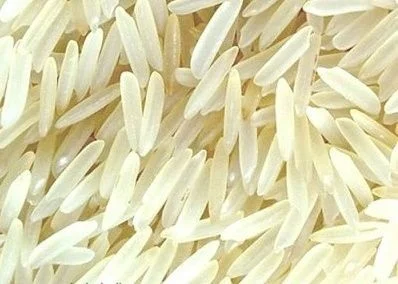
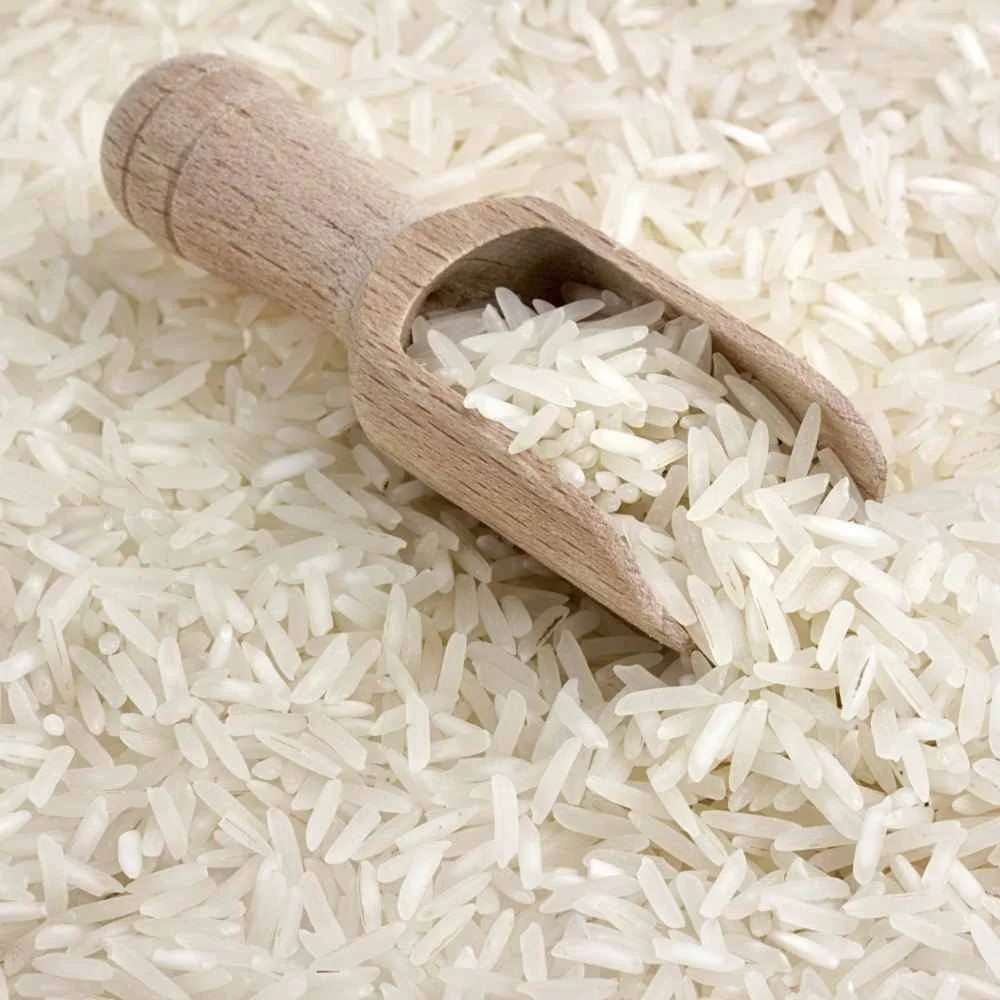
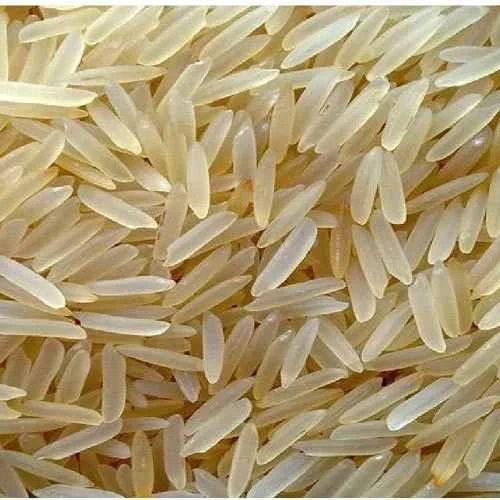
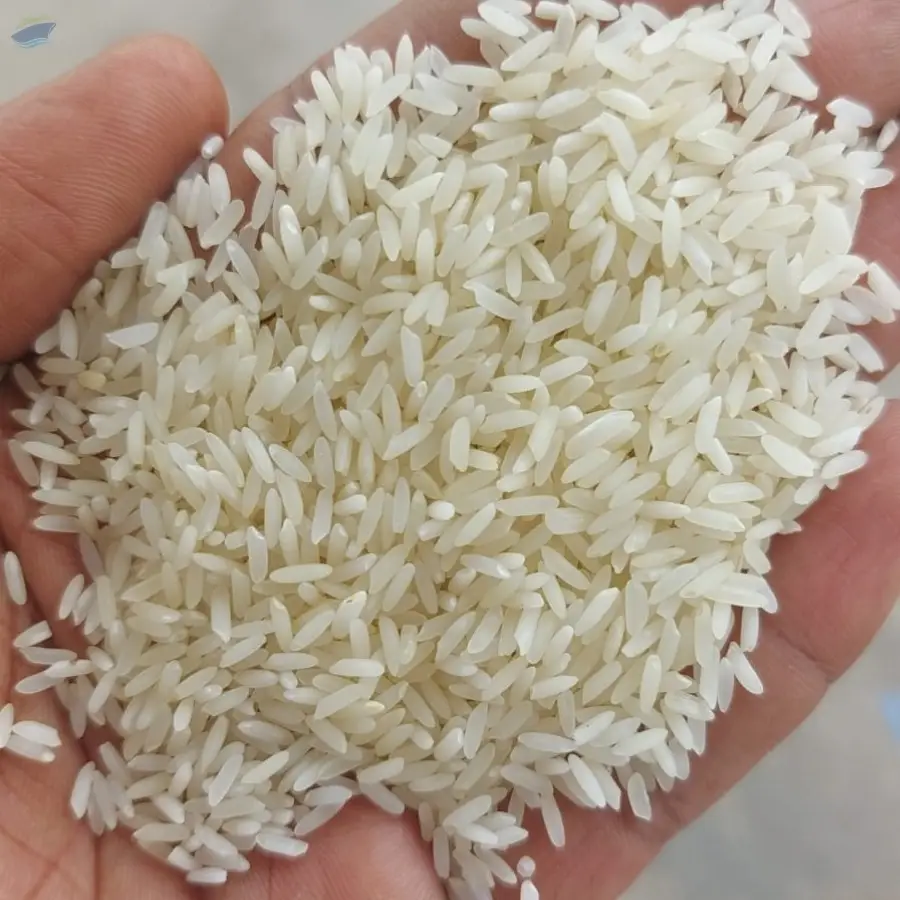
The broken rice is classified under HS 1006.20, while the basmati varieties (Pusa 1401, Traditional Aromatic, Basmati 1121 and Basmati 1509) fall under HS 1006.30. Both codes belong to Chapter 10 for cereals and milled grain.

Which quality parameters should I verify for basmati rice imports?

Buyers normally check moisture content (12‑14 %), broken grain percentage (≤ 10 % for premium basmati), kernel length (≥ 7 mm) and aroma intensity. A certificate of analysis confirming these parameters is advisable before shipment.

Are phytosanitary certificates required for the pulses and beans?

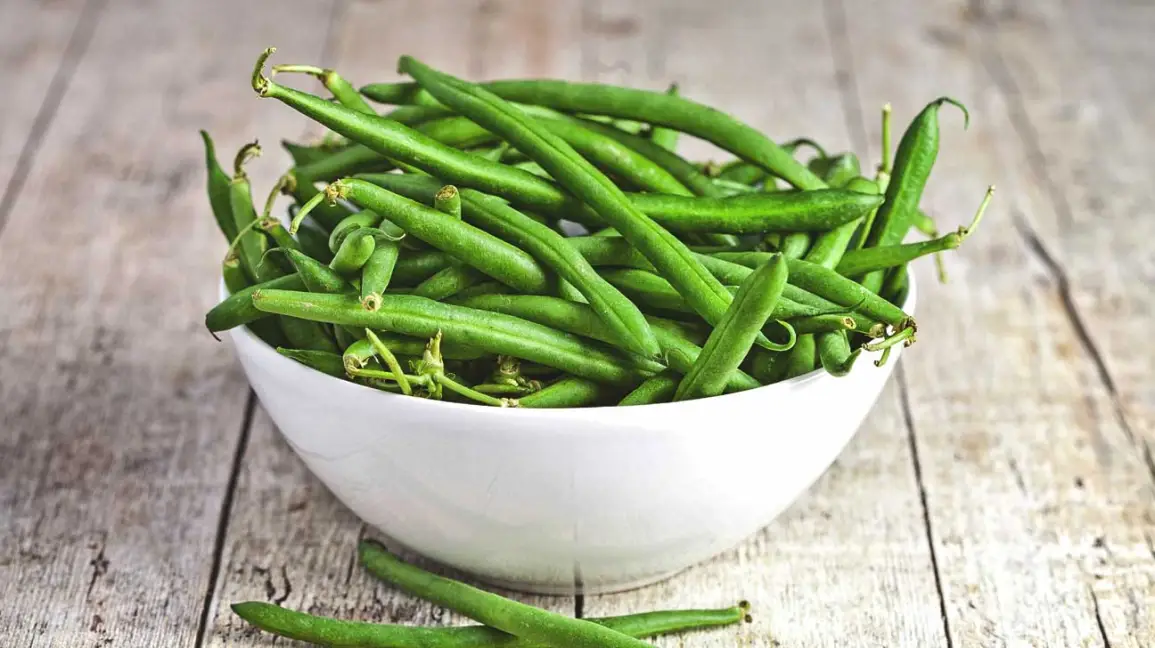
Yes, most importing countries require a phytosanitary certificate for dried legumes such as the assorted pulses (HS 0713.20) and kidney beans (HS 0713.33). The certificate should state that the product is free from pests and meets the destination’s quarantine standards.

What laboratory tests are typical for the refined vegetable oil blend?

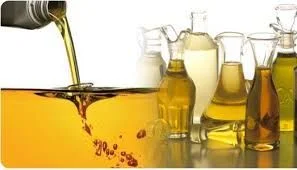
Standard tests include free‑fatty‑acid content (≤ 0.5 %), peroxide value (≤ 10 meq O₂/kg), moisture (≤ 0.1 %) and compliance with EU or US food‑safety limits for pesticide residues. A recent COA covering these parameters should be requested.

How are the spice products such as cumin and coriander packaged for export?

Whole cumin and coriander seeds (HS 0909.21) are usually packed in food‑grade polyethylene bags of 25 kg or in 1‑ton bulk bags, sealed to prevent moisture ingress. The packaging must be labeled with net weight, country of origin and HS code.

What documentation is needed for tea shipments?

For black tea (HS 0902.40) buyers should obtain a certificate of origin, a phytosanitary certificate, and a food‑safety compliance document such as ISO 22000 or HACCP audit report. A lab report confirming moisture ≤ 12 % and leaf‑grade classification is also common.

What are the typical container sizes used for wheat and corn exports?

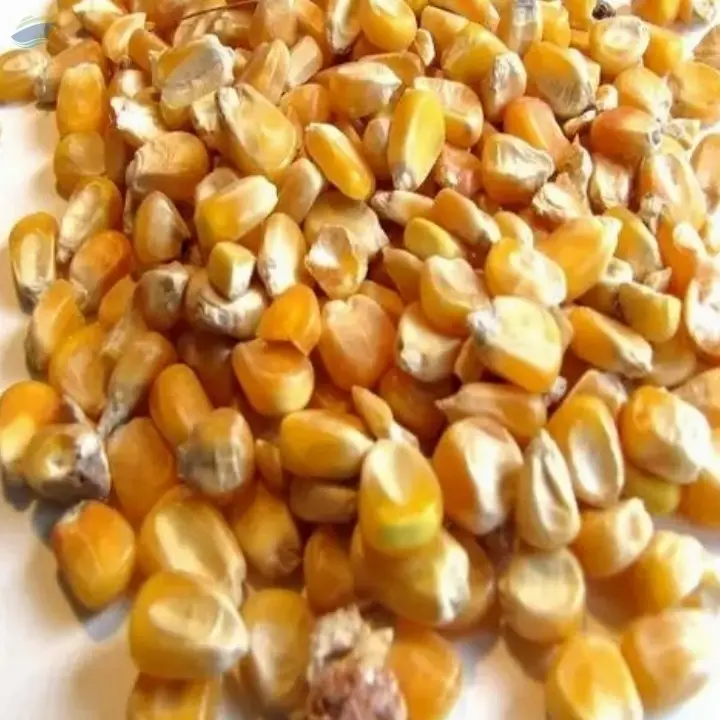
Wheat (HS 1001.99) and feed‑grade yellow corn (HS 1005.90) are commonly shipped in 20‑foot containers with 20‑ton bulk bags or in 40‑foot containers using jumbo sacks that hold up to 1 ton each. The containers are sealed and the cargo is vented to allow moisture control.

Can I request a sample of the vanilla beans before placing a full order?

Yes, for TK Vanilla (HS 0905.10) and Bourbon vanilla (HS 0905.00) it is standard to request a small sample (e.g., 1 kg) accompanied by a COA indicating grade, moisture content and vanillin percentage. The sample helps verify compliance with the buyer’s quality specifications before confirming the full shipment.


Other Suppliers in Beans

Top Trusted Suppliers

Related Products in Beans

Trending in Parent Category

More Suppliers in Parent Category

Related Products

Other Suppliers

EximNext
58.4K+ live requirements
Register Free🎁 5 free buy-lead credits
Post Requirement
🌍 Trusted by 224.3K+ businesses in 200+ countries|
58.4K+ active requirements right now
✉️ [email protected]
|
Sell on EximNextPost Requirement
EximNext
AgricultureApparelConstructionElectronicFoodHomeIndustrialMineralsMiscellaneous
🔥 Deals|✨ AI Match|🏭 Suppliers|📋 Buy Leads|💰 Trade Finance|⭐ Upgrade
58.4K+ live RFQs·194.4K+ suppliers
🎁 5 free credits →
EximNext
EximNext
Register Free
🎁 5 free buy-lead credits
Sign In
📋Post Requirement💬Get QuotesAI Match📋RFQ Marketplace
All Categories
Services & Tools
🏭Supplier Directory🔥Today's Deals💰Trade FinanceMembership
Sell on EximNext
AboutContactBlogHelp
🏭

gedco SA

🚢 Voyage
Country flag , SwitzerlandEst. 2017-01-01
🏆
9+
Years in Business
🛡️
85/100
Trust Score

gedco SA Product Catalog

Showing 12 of 20 products
View all products →
Basmati 1509 Rice
🚢 Voyage
Basmati 1509 Rice
Contact
MOQ: 1 Unit
Basmati 1121 Rice
🚢 Voyage
Basmati 1121 Rice
Contact
MOQ: 1 Unit
Traditional Aromatic Basmati Rice
🚢 Voyage
Traditional Aromatic Basmati Rice
Contact
MOQ: 1 Unit
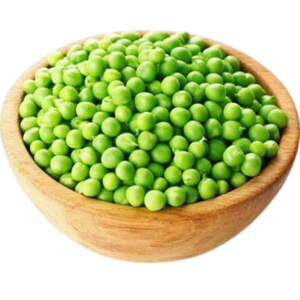
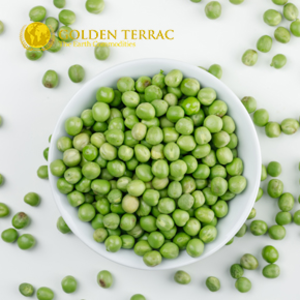
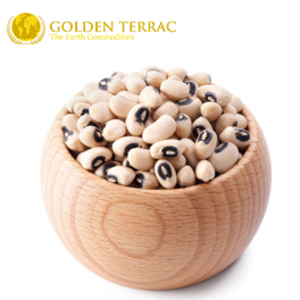
Very Dry Beans
🚢 Voyage
Very Dry Beans
Contact
MOQ: 1 Unit
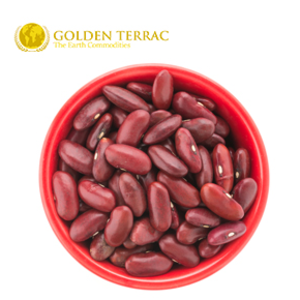
Rouge Beans
🚢 Voyage
Rouge Beans
Contact
MOQ: 1 Unit
TK Vanilla
🚢 Voyage
TK Vanilla
Contact
MOQ: 1 Unit
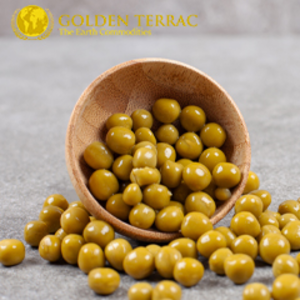
Gourmet Beans
🚢 Voyage
Gourmet Beans
Contact
MOQ: 1 Unit
Bourbon Beans
🚢 Voyage
Bourbon Beans
Contact
MOQ: 1 Unit
Pusa 1401 Basmati Rice
🚢 Voyage
Pusa 1401 Basmati Rice
Contact
MOQ: 1 Unit
Corn and by products
🚢 Voyage
Corn and by products
Contact
MOQ: 1 Unit
Wheat and by products
🚢 Voyage
Wheat and by products
Contact
MOQ: 1 Unit
coffee
🚢 Voyage
coffee
Contact
MOQ: 1 Unit

About gedco SA - Agricultural Products Supplier in Switzerland

Switzerland, Geneva region, hosts gedco SA with an active product count of 20 items. The catalogue covers major agricultural commodities such as rice (including broken grains and several basmati varieties), pulses, dried kidney beans, mixed oilseeds, refined vegetable oil blends, whole cumin and coriander seeds, black tea leaves, green Arabica coffee beans, wheat grain, feed‑grade yellow corn, and related by‑products. Each product is listed with its corresponding HS‑code family, for example rice under HS 1006, pulses and beans under HS 0713, oilseeds under HS 1207, edible oils under HS 1512, spices under HS 0909, tea under HS 0902, coffee under HS 0901, wheat under HS 1001 and corn under HS 1005. The supplier’s inventory therefore spans the principal HS chapters for cereals, legumes, oilseeds, edible oils, spices, tea and coffee as defined by the World Customs Organization.

The product entries also specify material details such as broken Oryza sativa grains (HS 1006.20), Pusa 1401 and other long‑grain aromatic basmati rice (HS 1006.30), assorted dried legumes including lentils and chickpeas (HS 0713.20), mixed sunflower/soybean/canola oilseeds (HS 1207.99), and refined vegetable oil blend (HS 1512.11). In addition, the list includes specialty items like cured vanilla beans (HS 0905.10) and bourbon vanilla pods (HS 0905.00). No other categories beyond those enumerated are claimed, keeping the description strictly tied to the supplied catalogue.

Product Range and Specialties of gedco SA

gedco SA’s catalogue groups its 20 items into three broad commodity families: cereals (rice, wheat, corn), legumes (pulses, kidney and other beans) and oil‑related products (oilseeds, refined oils, spices, tea and coffee). In the global trade of these commodities, rice is commonly graded by moisture content (12‑14 % for export), broken percentage (≤ 10 % for premium basmati) and head‑rice recovery, while basmati varieties are often classified by kernel length (≥ 7 mm) and aroma intensity. Pulses are typically evaluated on moisture (< 13 %), protein content (20‑25 % for lentils) and absence of foreign matter. Refined vegetable oil blends usually meet free‑fatty‑acid limits of ≤ 0.5 % and peroxide values ≤ 10 meq O₂/kg. Spices such as cumin and coriander are traded with essential‑oil content specifications (≥ 0.5 % for cumin) and microbiological limits. Tea leaves are exported with moisture ≤ 12 % and leaf‑grade classifications (e.g., FT - Flowery Orange Pekoe).

Trade and Export Information - gedco SA

Switzerland functions as a logistics hub for agricultural commodities, re‑exporting goods sourced from producer regions to markets in the Middle East, North‑Africa, South‑Asia and the European Union. Export shipments of the listed HS codes typically use 20‑foot or 40‑foot containers, with rice and wheat loaded in 20‑ton bulk bags or jumbo sacks, while oils and spices are packed in food‑grade drums or intermediate bulk containers. Buyers usually request a phytosanitary certificate, a certificate of origin and compliance with ISO 22000 or HACCP food‑safety systems for these product families. The HS‑code families (1000‑1009 for cereals, 0713 for legumes, 1207 for oilseeds, 1512 for refined oils, 0909 for spices, 0902 for tea, 0901 for coffee) are subject to customs valuation and may require sanitary and phytosanitary inspections upon entry into the destination country.

Sourcing from gedco SA - Buyer Guidance

When sourcing from gedco SA, buyers should ask for recent laboratory analysis reports covering moisture, pesticide residues and mycotoxin limits for cereals and legumes, and for free‑fatty‑acid and peroxide values for edible oil blends. Verification of the exact HS code listed in the catalogue against the commercial invoice helps avoid misclassification; requesting a sample batch with accompanying certificate of analysis is standard practice. Typical minimum order quantities range from 5 metric tons for bulk cereals to 1 metric ton for specialty spices or vanilla, with lead times of 30‑45 days depending on source availability and required documentation.

Frequently Asked Questions About gedco SA

What HS codes apply to the rice products offered by gedco SA?

The broken rice is classified under HS 1006.20, while the basmati varieties (Pusa 1401, Traditional Aromatic, Basmati 1121 and Basmati 1509) fall under HS 1006.30. Both codes belong to Chapter 10 for cereals and milled grain.

Which quality parameters should I verify for basmati rice imports?

Buyers normally check moisture content (12‑14 %), broken grain percentage (≤ 10 % for premium basmati), kernel length (≥ 7 mm) and aroma intensity. A certificate of analysis confirming these parameters is advisable before shipment.

Are phytosanitary certificates required for the pulses and beans?

Yes, most importing countries require a phytosanitary certificate for dried legumes such as the assorted pulses (HS 0713.20) and kidney beans (HS 0713.33). The certificate should state that the product is free from pests and meets the destination’s quarantine standards.

What laboratory tests are typical for the refined vegetable oil blend?

Standard tests include free‑fatty‑acid content (≤ 0.5 %), peroxide value (≤ 10 meq O₂/kg), moisture (≤ 0.1 %) and compliance with EU or US food‑safety limits for pesticide residues. A recent COA covering these parameters should be requested.

How are the spice products such as cumin and coriander packaged for export?

Whole cumin and coriander seeds (HS 0909.21) are usually packed in food‑grade polyethylene bags of 25 kg or in 1‑ton bulk bags, sealed to prevent moisture ingress. The packaging must be labeled with net weight, country of origin and HS code.

What documentation is needed for tea shipments?

For black tea (HS 0902.40) buyers should obtain a certificate of origin, a phytosanitary certificate, and a food‑safety compliance document such as ISO 22000 or HACCP audit report. A lab report confirming moisture ≤ 12 % and leaf‑grade classification is also common.

What are the typical container sizes used for wheat and corn exports?

Wheat (HS 1001.99) and feed‑grade yellow corn (HS 1005.90) are commonly shipped in 20‑foot containers with 20‑ton bulk bags or in 40‑foot containers using jumbo sacks that hold up to 1 ton each. The containers are sealed and the cargo is vented to allow moisture control.

Can I request a sample of the vanilla beans before placing a full order?

Yes, for TK Vanilla (HS 0905.10) and Bourbon vanilla (HS 0905.00) it is standard to request a small sample (e.g., 1 kg) accompanied by a COA indicating grade, moisture content and vanillin percentage. The sample helps verify compliance with the buyer’s quality specifications before confirming the full shipment.

About gedco SA - Agricultural Products Supplier in Switzerland

Switzerland, Geneva region, hosts gedco SA with an active product count of 20 items. The catalogue covers major agricultural commodities such as rice (including broken grains and several basmati varieties), pulses, dried kidney beans, mixed oilseeds, refined vegetable oil blends, whole cumin and coriander seeds, black tea leaves, green Arabica coffee beans, wheat grain, feed‑grade yellow corn, and related by‑products. Each product is listed with its corresponding HS‑code family, for example rice under HS 1006, pulses and beans under HS 0713, oilseeds under HS 1207, edible oils under HS 1512, spices under HS 0909, tea under HS 0902, coffee under HS 0901, wheat under HS 1001 and corn under HS 1005. The supplier’s inventory therefore spans the principal HS chapters for cereals, legumes, oilseeds, edible oils, spices, tea and coffee as defined by the World Customs Organization.

The product entries also specify material details such as broken Oryza sativa grains (HS 1006.20), Pusa 1401 and other long‑grain aromatic basmati rice (HS 1006.30), assorted dried legumes including lentils and chickpeas (HS 0713.20), mixed sunflower/soybean/canola oilseeds (HS 1207.99), and refined vegetable oil blend (HS 1512.11). In addition, the list includes specialty items like cured vanilla beans (HS 0905.10) and bourbon vanilla pods (HS 0905.00). No other categories beyond those enumerated are claimed, keeping the description strictly tied to the supplied catalogue.

Product Range and Specialties of gedco SA

gedco SA’s catalogue groups its 20 items into three broad commodity families: cereals (rice, wheat, corn), legumes (pulses, kidney and other beans) and oil‑related products (oilseeds, refined oils, spices, tea and coffee). In the global trade of these commodities, rice is commonly graded by moisture content (12‑14 % for export), broken percentage (≤ 10 % for premium basmati) and head‑rice recovery, while basmati varieties are often classified by kernel length (≥ 7 mm) and aroma intensity. Pulses are typically evaluated on moisture (< 13 %), protein content (20‑25 % for lentils) and absence of foreign matter. Refined vegetable oil blends usually meet free‑fatty‑acid limits of ≤ 0.5 % and peroxide values ≤ 10 meq O₂/kg. Spices such as cumin and coriander are traded with essential‑oil content specifications (≥ 0.5 % for cumin) and microbiological limits. Tea leaves are exported with moisture ≤ 12 % and leaf‑grade classifications (e.g., FT - Flowery Orange Pekoe).

Trade and Export Information - gedco SA

Switzerland functions as a logistics hub for agricultural commodities, re‑exporting goods sourced from producer regions to markets in the Middle East, North‑Africa, South‑Asia and the European Union. Export shipments of the listed HS codes typically use 20‑foot or 40‑foot containers, with rice and wheat loaded in 20‑ton bulk bags or jumbo sacks, while oils and spices are packed in food‑grade drums or intermediate bulk containers. Buyers usually request a phytosanitary certificate, a certificate of origin and compliance with ISO 22000 or HACCP food‑safety systems for these product families. The HS‑code families (1000‑1009 for cereals, 0713 for legumes, 1207 for oilseeds, 1512 for refined oils, 0909 for spices, 0902 for tea, 0901 for coffee) are subject to customs valuation and may require sanitary and phytosanitary inspections upon entry into the destination country.

Sourcing from gedco SA - Buyer Guidance

When sourcing from gedco SA, buyers should ask for recent laboratory analysis reports covering moisture, pesticide residues and mycotoxin limits for cereals and legumes, and for free‑fatty‑acid and peroxide values for edible oil blends. Verification of the exact HS code listed in the catalogue against the commercial invoice helps avoid misclassification; requesting a sample batch with accompanying certificate of analysis is standard practice. Typical minimum order quantities range from 5 metric tons for bulk cereals to 1 metric ton for specialty spices or vanilla, with lead times of 30‑45 days depending on source availability and required documentation.

Frequently Asked Questions About gedco SA
What HS codes apply to the rice products offered by gedco SA?
The broken rice is classified under HS 1006.20, while the basmati varieties (Pusa 1401, Traditional Aromatic, Basmati 1121 and Basmati 1509) fall under HS 1006.30. Both codes belong to Chapter 10 for cereals and milled grain.
Which quality parameters should I verify for basmati rice imports?
Buyers normally check moisture content (12‑14 %), broken grain percentage (≤ 10 % for premium basmati), kernel length (≥ 7 mm) and aroma intensity. A certificate of analysis confirming these parameters is advisable before shipment.
Are phytosanitary certificates required for the pulses and beans?
Yes, most importing countries require a phytosanitary certificate for dried legumes such as the assorted pulses (HS 0713.20) and kidney beans (HS 0713.33). The certificate should state that the product is free from pests and meets the destination’s quarantine standards.
What laboratory tests are typical for the refined vegetable oil blend?
Standard tests include free‑fatty‑acid content (≤ 0.5 %), peroxide value (≤ 10 meq O₂/kg), moisture (≤ 0.1 %) and compliance with EU or US food‑safety limits for pesticide residues. A recent COA covering these parameters should be requested.
How are the spice products such as cumin and coriander packaged for export?
Whole cumin and coriander seeds (HS 0909.21) are usually packed in food‑grade polyethylene bags of 25 kg or in 1‑ton bulk bags, sealed to prevent moisture ingress. The packaging must be labeled with net weight, country of origin and HS code.
What documentation is needed for tea shipments?
For black tea (HS 0902.40) buyers should obtain a certificate of origin, a phytosanitary certificate, and a food‑safety compliance document such as ISO 22000 or HACCP audit report. A lab report confirming moisture ≤ 12 % and leaf‑grade classification is also common.
What are the typical container sizes used for wheat and corn exports?
Wheat (HS 1001.99) and feed‑grade yellow corn (HS 1005.90) are commonly shipped in 20‑foot containers with 20‑ton bulk bags or in 40‑foot containers using jumbo sacks that hold up to 1 ton each. The containers are sealed and the cargo is vented to allow moisture control.
Can I request a sample of the vanilla beans before placing a full order?
Yes, for TK Vanilla (HS 0905.10) and Bourbon vanilla (HS 0905.00) it is standard to request a small sample (e.g., 1 kg) accompanied by a COA indicating grade, moisture content and vanillin percentage. The sample helps verify compliance with the buyer’s quality specifications before confirming the full shipment.

🏭
gedco SA
Country flag , Switzerland
🚢 Voyage
85/100
Trust Score
📦
20
Products
Free to contact — no commission
Escrow payment available
Verified business identity
Compare more suppliers
Post a requirement — get 10 quotes free
Let verified suppliers compete for your business. Free, fast, no commitment.
EximNext Verified Supplier
Business identity verified
Physical address confirmed
Financial history checked
Certifications authenticated
Trade references validated
Due Diligence
Verify this supplier's real shipping history.
Every shipment, every buyer, every port. Trade data that can't be faked.
Run due diligence →
Discover More

Related Suppliers & Products

Explore similar suppliers, related products and trending categories

Other Suppliers in Beans

Top Trusted Suppliers

Related Products in Beans

Trending in Parent Category

More Suppliers in Parent Category

Stay ahead in global trade
Weekly market insights & new supplier alerts.
EximNext
Exim Next is a leading global B2B marketplace, connecting over 205,000 verified suppliers and buyers across 200+ countries. As a trusted import export marketplace, it serves as the essential B2B portal for businesses worldwide, empowering them to expand their international reach. With Exim Next, businesses can trade smarter and grow faster.
SECURE PAYMENTS
VISAMastercardPayPalSWIFTL/CEscrow
Follow us
© 2026 EximNext