Agriculture›
 Apparel and fashion accessories›
 Construction & real estate›💡Electronic & Electrical›🍎Food & Beverages›🛋️Home furnishing & supplies›⚗️Industrial goods & chemical›🪨Minerals & metals›📦Miscellaneous›Agriculture›Apparel and fashion accessories›Construction & real estate›💡Electronic & Electrical›🍎Food & Beverages›🛋️Home furnishing & supplies›⚗️Industrial goods & chemical›🪨Minerals & metals›📦Miscellaneous›
Gaziantep Food Product Catalog

About Gaziantep Food - Dehydrated Fruits Supplier in Turkey
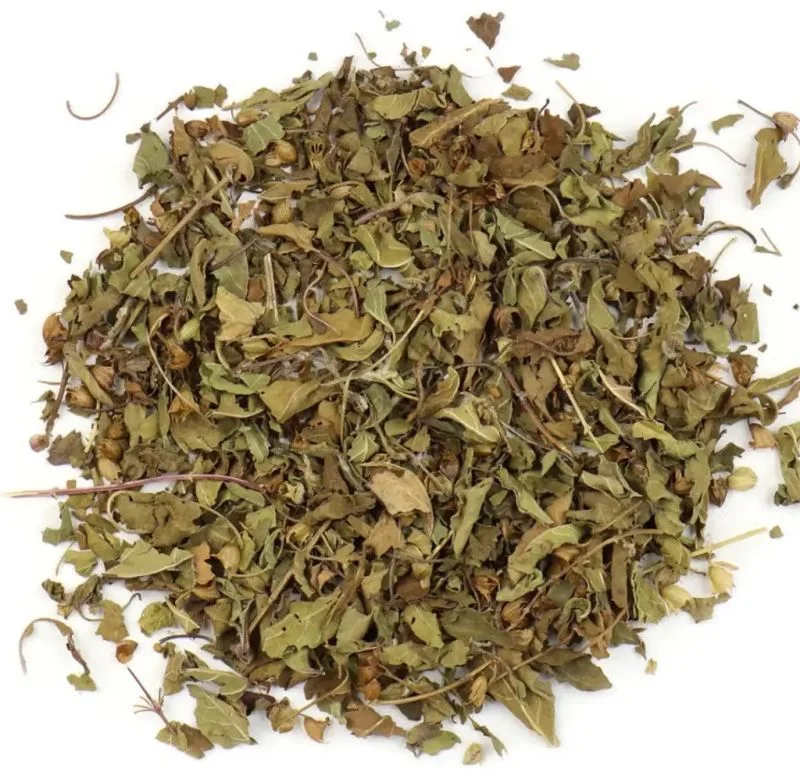
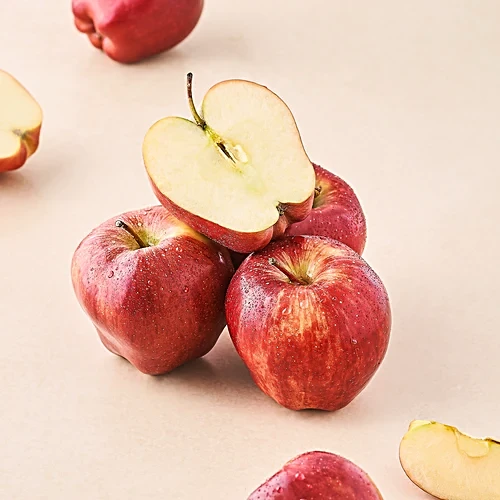
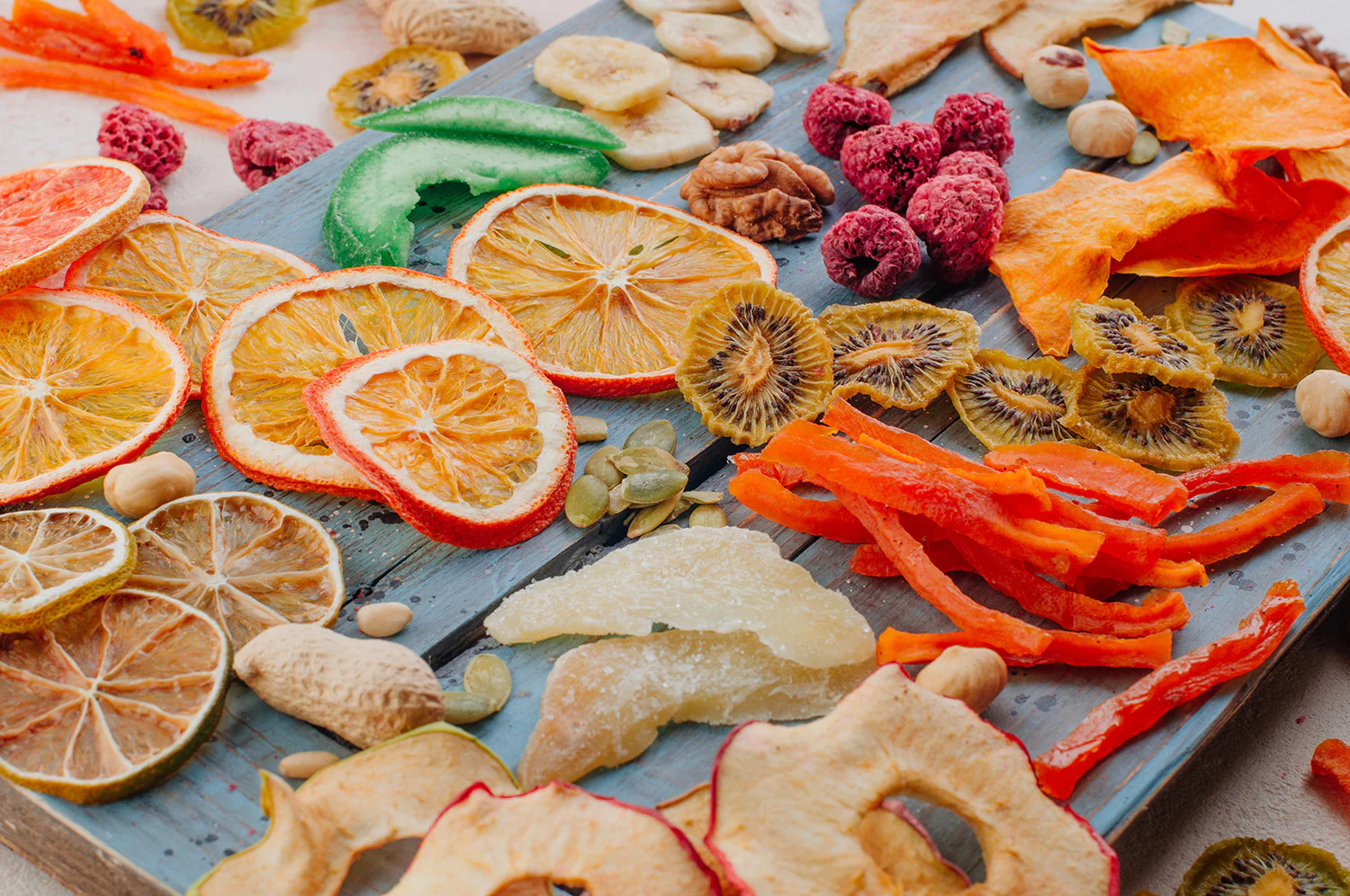
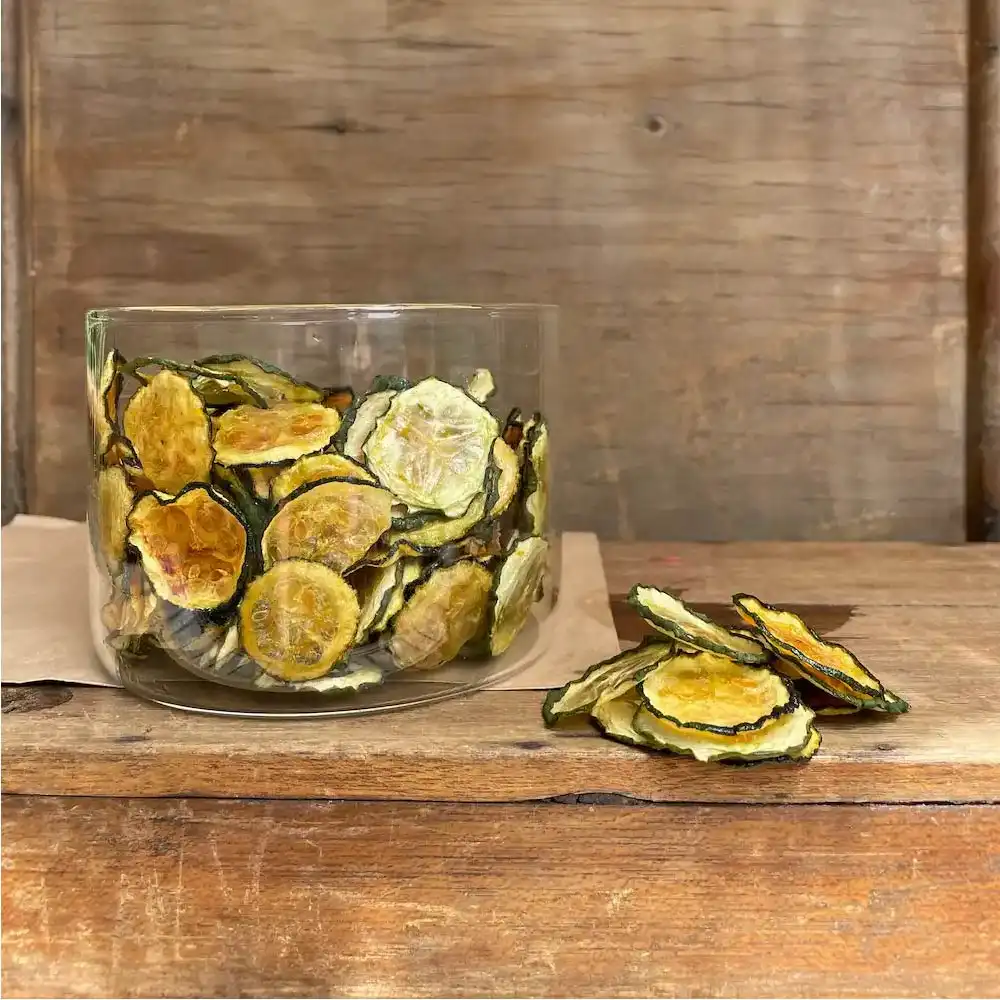
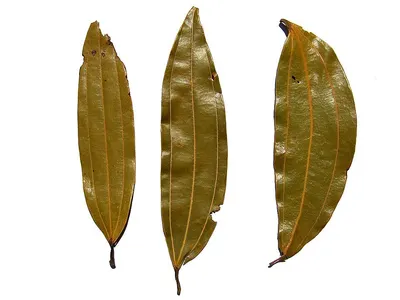
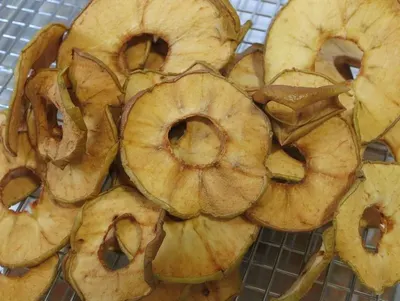
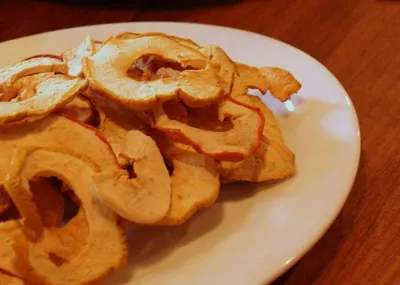
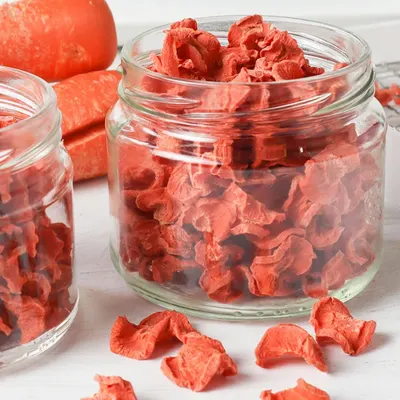
Gaziantep Food is based in Gaziantep, Turkey and currently lists 11 active products across its catalogue. The range includes Mediterranean olive oil, a selection of sliced dried citrus fruits, dried persimmon, multiple forms of dried apple, pistachio kernels, sliced dried mandarin and orange, and dried bay leaves (HS 0910.91). The product titles map to five top categories: Dehydrated Fruits, Olive Oil, Pistachio, Herbal Extracts, and Bay Leaf. Each entry is identified by its material description, for example the bay leaf entry specifies true laurel or Daphne species.
The catalogue does not provide HS codes for most items, but the listed bay leaf falls under HS chapter 09 for spices and aromatic plants. Olive oil is classified in HS chapter 15, while dried fruits and nuts belong to HS chapters 08 and 08 respectively. The active product count of 11 reflects a focused portfolio rather than a broad commodity list. The supplier is classified in the harbor trust tier, indicating it participates in standard customs procedures for Turkish exporters.
Product Range and Specialties of Gaziantep Food
Gaziantep Food offers Mediterranean olive oil, commonly sold in extra‑virgin grade with free fatty acid (FFA) levels below 0.3 % and peroxide values under 20 meq O₂/kg. Its dehydrated fruit line includes sliced dried lemon, grapefruit, mandarin, orange and apple varieties, which in the industry are often graded by moisture content (typically 12‑15 % w.b.) and colour uniformity. The dried persimmon and dried apple products are usually classified under fruit‑purée standards, while pistachio kernels are typically supplied shell‑free meeting size specifications of 8‑12 mm. Dried bay leaves are generally required to meet ISO 14025 for botanical identity and are exported under HS 0910.91.
Frequently Asked Questions About Gaziantep Food
What HS codes apply to Gaziantep Food’s products?
The only HS code explicitly listed is 0910.91 for dried bay leaves. Olive oil generally falls under HS 1509, pistachios under HS 0802, and dried fruits such as apple, lemon or orange slices under HS 0805. Buyers should confirm the exact HS classification with the supplier for each product.
Which quality specifications are typical for the Mediterranean olive oil offered?
Extra‑virgin Mediterranean olive oil is typically required to have free fatty acid (FFA) ≤ 0.3 % and peroxide value ≤ 20 meq O₂/kg. It should also meet EU sensory standards for taste and aroma and be packaged in food‑grade drums or tins.
How are the sliced dried citrus fruits graded for export?
Export‑grade sliced dried citrus is usually assessed on moisture content (12‑15 % w.b.), uniform thickness, colour consistency and absence of microbial contamination. A laboratory report stating moisture and microbiological limits is standard for customs clearance.
What certifications should a buyer request for the pistachio product?
Buyers should request a recent HACCP or ISO 22000 compliance statement, a phytosanitary certificate, and, where required, an aflatoxin test report confirming levels ≤ 10 µg kg⁻¹. An EU organic certificate may be needed for organic‑label markets.
Are phytosanitary certificates required for the bay leaves?
Yes, dried bay leaves exported from Turkey to most destination markets require a phytosanitary certificate confirming they are free from pests and diseases, in line with EU and Middle‑East import regulations.
 Turkey
Related Suppliers & Products
Explore similar suppliers, related products and trending categories