FNC Trading Co., Ltd. — Verified Supplier
About FNC Trading Co., Ltd. - Packaging Items & Containers Supplier in South Korea (Republic Of Korea)
FNC Trading Co., Ltd. is based in South Korea (Republic Of Korea) and lists five active products across its catalogue. The company’s portfolio spans packaging items, leather accessories, textile goods and a sourcing service for Vietnam. Products include plastic and glass food storage containers, 100 % genuine cow‑leather ladies’ bags, microfiber cleaning cloths, and an outdoor sportswear garment offered on an OEM basis. The catalogue also mentions a Vietnam‑based sourcing agent service. The supplier is classified in the “harbor” trust tier.
The five listed items fall under the top categories of Packaging Items & Containers, Knitted & Woven Garments and Agriculture. The packaging line covers both plastic and glass containers intended for food storage. The leather bag entry specifies full‑grain cow leather for ladies’ handbags. The microfiber cloths are described as cleaning textiles, while the sportswear item is presented as an OEM garment for outdoor activities. The sourcing agent service indicates the ability to locate Vietnamese manufacturers on behalf of buyers.
Product Range and Specialties of FNC Trading Co., Ltd.
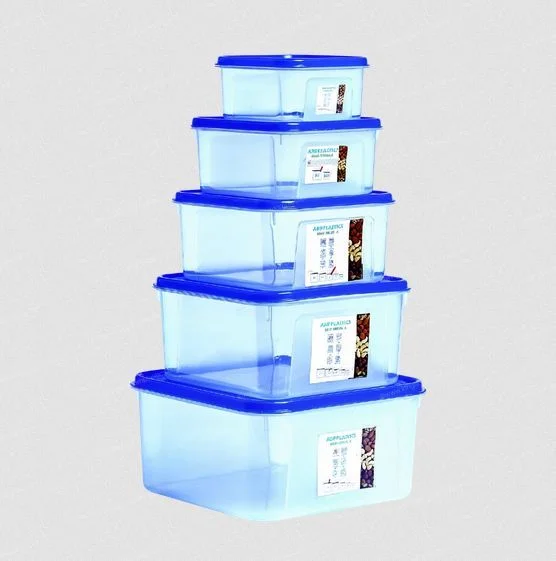
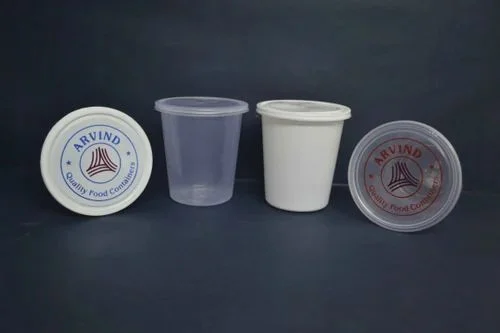
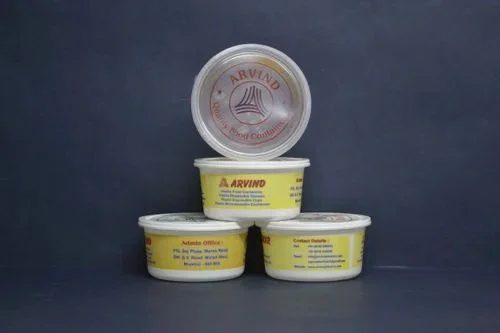
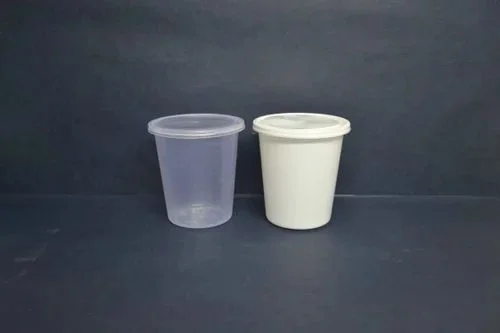
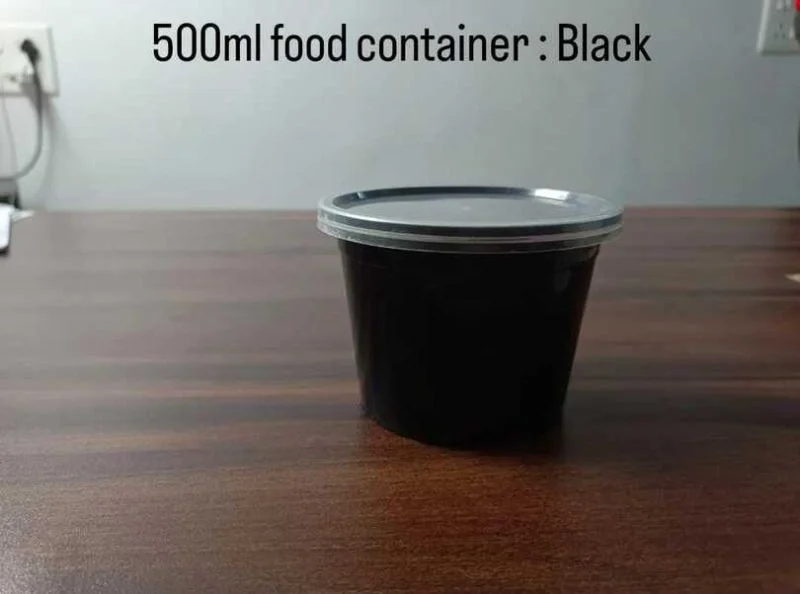
Plastic food storage containers from South Korea are commonly manufactured from PET, PP or HDPE, offering impact resistance and compliance with food‑contact regulations. Typical dimensions range from 250 ml to 2 l, with wall thicknesses between 0.3 mm and 0.8 mm and a moisture absorption below 0.1 %. Glass containers are usually tempered soda‑lime glass, meeting DIN 4 standards for thermal shock resistance. Buyers often request FDA or EU food‑contact certification and a drop‑test report for plastic items. For both materials, packaging is generally in cardboard cartons holding 50 to 200 units per case.
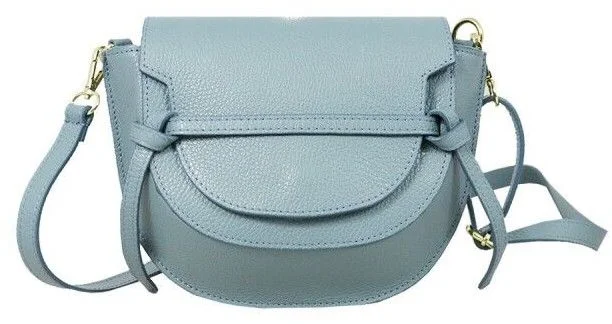
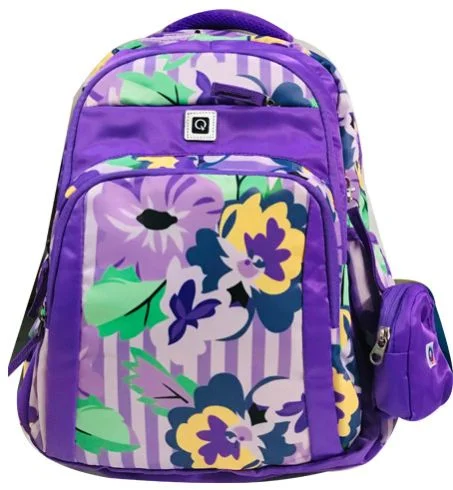
The 100 % genuine cow‑leather ladies’ bags are typically cut from full‑grain leather with a thickness of 1.0‑1.3 mm and finished with chrome‑tanned dyes. Standard hardware includes brass or stainless‑steel zippers and reinforced stitching to meet ISO 12947 for seam strength. Microfiber cleaning cloths are produced from polyester‑polyamide blends with a GSM of 200‑250, offering lint‑free performance and a wash‑cycle durability of at least 30 washes. Outdoor sportswear supplied on an OEM basis is usually woven polyester or nylon with a fabric weight of 180‑250 g/m² and UV‑protective treatment. Typical testing includes colorfastness, abrasion resistance (Martindale 10 000 cycles) and water‑repellency (hydrostatic pressure ≥ 10 kPa).
Trade and Export Information - FNC Trading Co., Ltd.
South Korean exporters of food‑grade containers, leather accessories and technical textiles primarily ship to the United States, European Union, Japan and the Gulf Cooperation Council. Shipping is frequently arranged on a FOB or CIF basis using 20‑ft or 40‑ft containers, with plastic containers loaded in bulk cartons and leather bags packed in wood‑framed crates. Common regulatory requirements include FDA food‑contact approval for plastic, REACH registration for chemicals in textiles, and ISO 9001 quality‑management certification for manufacturers. Importers often request a test report conforming to ASTM D‑6400 for biodegradable plastics or ISO 12945 for leather chemical safety. South Korean logistics providers offer temperature‑controlled warehousing for food‑grade plastics and moisture‑controlled storage for leather goods.
The “Products Sourcing Agent In Vietnam” service indicates that FNC can coordinate production with Vietnamese factories that specialize in garments, leather and textile accessories. Buyers using this service should verify the Vietnamese partner’s compliance with local labor standards and any required certifications such as GOTS for organic textiles or BSCI for social compliance. Documentation typically includes a supplier questionnaire, factory audit report and a sample approval before mass production. Payment terms often follow a 30 % advance, 70 % balance against shipping documents, aligned with standard international trade practice. Export documentation from South Korea will include a commercial invoice, packing list, certificate of origin and, where required, a phytosanitary or fumigation certificate for wooden packaging.
Sourcing from FNC Trading Co., Ltd. - Buyer Guidance
Prospective buyers should request material data sheets that specify polymer type, melt flow index and food‑contact certification for plastic containers. For glass containers, a thermal shock test report and compliance with ISO 6489 are standard checks. Leather bag inquiries should be accompanied by a leather grade certificate, thickness measurement and hardware material specifications. Microfiber cloth specifications should include fiber composition, GSM, wash‑fastness test results and anti‑static treatment details. For sportswear, buyers normally ask for fabric composition, weight, UV‑protection rating and a pre‑production sample to assess fit and finish.
Minimum order quantities reported for the listed items range from 1 000 units for plastic containers to 200 pieces for leather bags, though exact MOQ depends on the chosen material and packaging configuration. Lead times in South Korea typically span 25‑35 days for finished plastic or glass containers, and 30‑45 days for leather and textile products after sample approval. Samples are usually dispatched under a DAP term, with the buyer covering freight and any applicable customs duties. Inspection agencies such as SGS or Bureau Veritas are commonly engaged to verify dimensions, weight and compliance before shipment. Buyers should confirm the incoterm, container loading plan and any required pre‑shipment documentation to avoid delays.
Frequently Asked Questions About FNC Trading Co., Ltd.
What material grades are used for the plastic food storage containers?
Typical grades are PET for clear containers, PP for high‑temperature use and HDPE for chemical resistance. Buyers should ask for the polymer grade sheet and FDA food‑contact certification.
Are the glass containers tempered and what standards apply?
The glass units are generally tempered soda‑lime glass and meet DIN 4 thermal‑shock criteria. A test report confirming compliance is usually provided on request.
What leather thickness and finishing are standard for the ladies’ bags?
Full‑grain cow leather is supplied at 1.0‑1.3 mm thickness with chrome‑tanning. Hardware is brass or stainless‑steel, and ISO 12947 seam‑strength certification is common.
Which specifications define the microfiber cleaning cloths?
The cloths are polyester‑polyamide blends with a GSM of 200‑250, lint‑free performance and a minimum of 30 wash cycles. Test reports for absorbency and anti‑static treatment are typically available.
What fabric weight and treatments are offered for the outdoor sportswear OEM?
Fabric weight ranges from 180‑250 g/m², usually polyester or nylon, with UV‑protective coating. Buyers can request Martindale abrasion and hydrostatic pressure test results.
What are the typical minimum order quantities and lead times?
MOQ is about 1 000 units for plastic containers, 200 pieces for leather bags and 500 meters for textile fabrics. Lead time after sample approval is 25‑45 days depending on the product.
How can I obtain a sample before placing a full order?
Samples can be shipped under DAP terms; the buyer arranges freight and pays any import duties. A small pre‑production run is often required to confirm specifications.
What certifications should I request from the Vietnamese sourcing partner?
Typical requests include a factory audit report, compliance with GOTS for organic textiles or BSCI for social standards, and any product‑specific test certificates such as ISO 9001 or REACH registration.




 , South Korea (Republic Of Korea)