ER links Argentina — Supplier
About ER links Argentina - Corn Supplier in Argentina
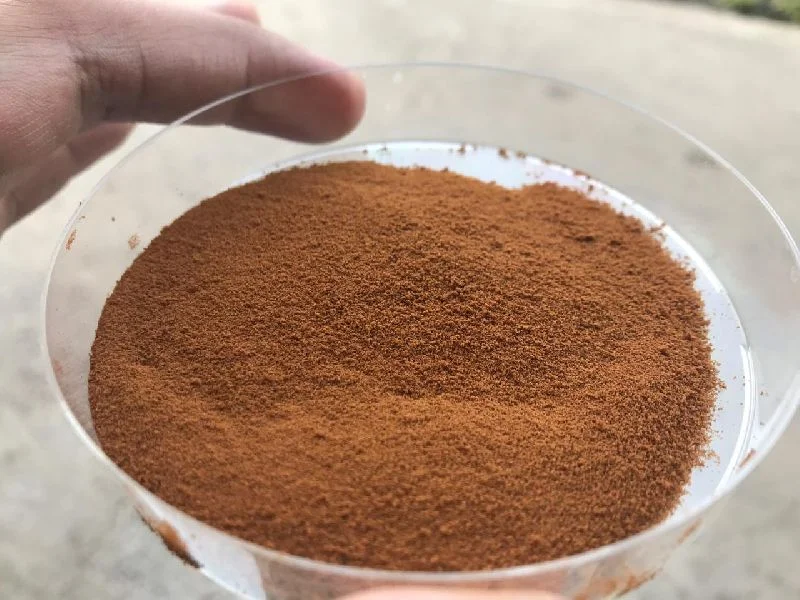
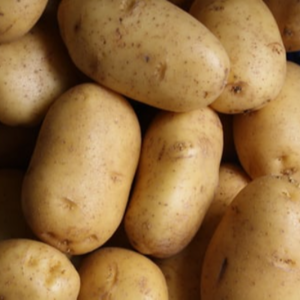
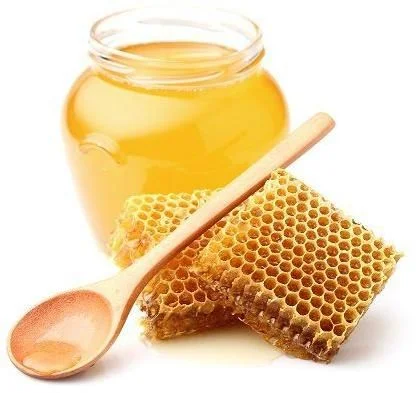
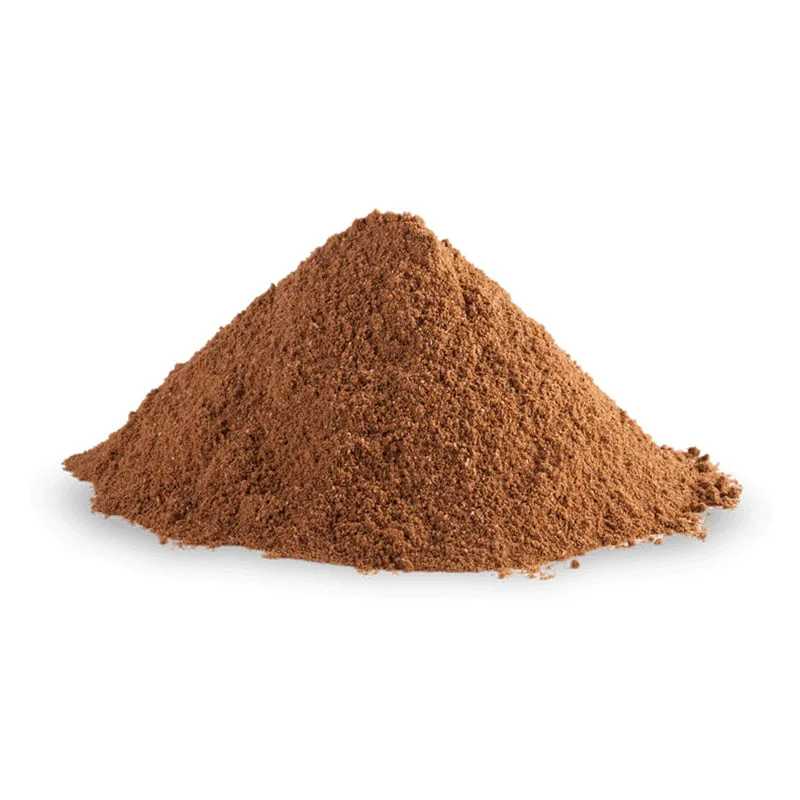
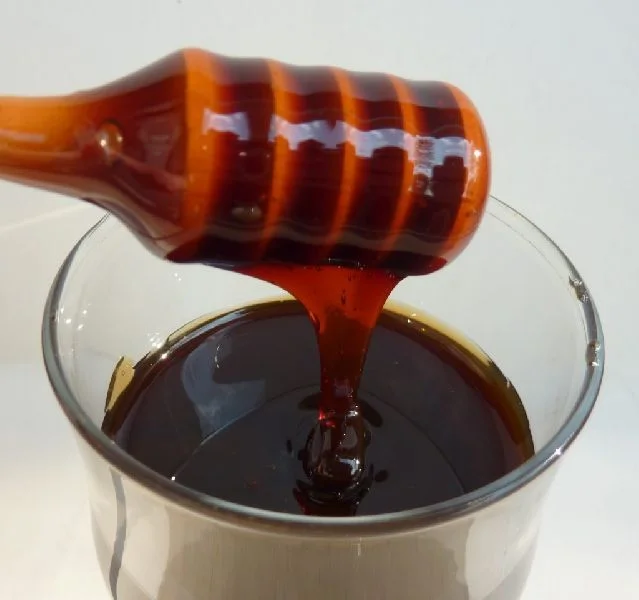
Argentina is the origin of ER links Argentina, which lists five active products in its catalogue. The supplier's portfolio includes refined soy oil, blueberries, honey, white corn, and corn. These items fall under the top categories of Corn, Soya Oil, Fruits, and Honey as recorded. The catalogue does not provide further specifications, but the product list reflects typical Argentine export commodities. The supplier is classified in the harbor trust tier.
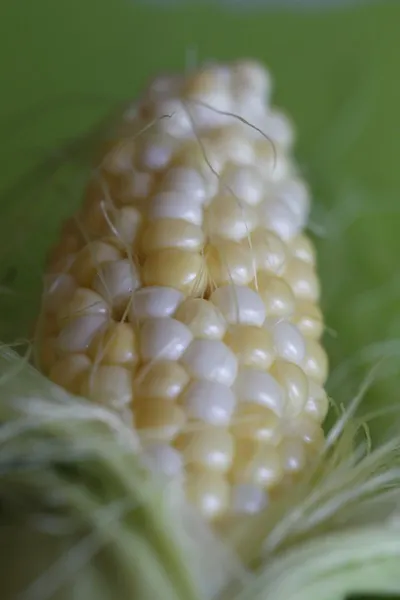
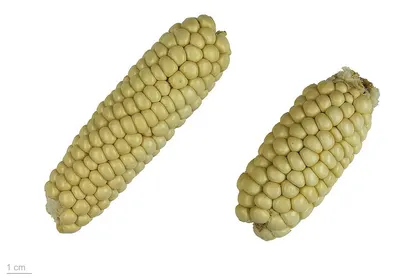
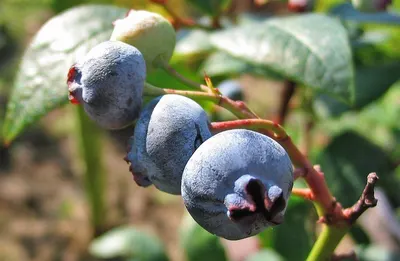
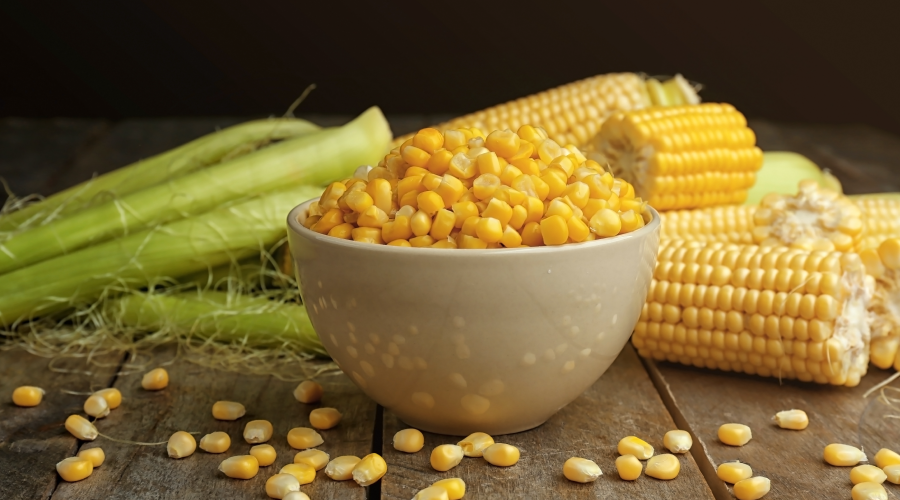
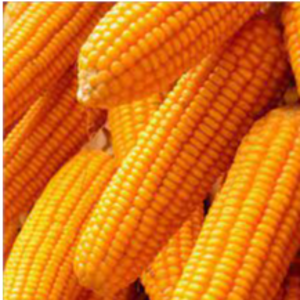
The corn entries comprise both white corn and generic corn, covering both feed and food uses. Refined soy oil represents a processed oil product commonly used in food manufacturing. Blueberries are listed as a fresh fruit commodity, while honey is presented as a natural sweetener. All five products are sourced from Argentina, a major producer of agricultural commodities in South America.
Product Range and Specialties of ER links Argentina
The catalogue shows refined soy oil, blueberries, honey, white corn and corn. In the grain sector, Argentine corn is typically available in kernel moisture around 12‑14 % and is graded by test weight and protein content. White corn is often used for masa and tortilla production, while generic corn may serve animal feed. Refined soy oil from Argentina usually meets the standard of 0.2 % free fatty acids and a flash point above 260 °C.
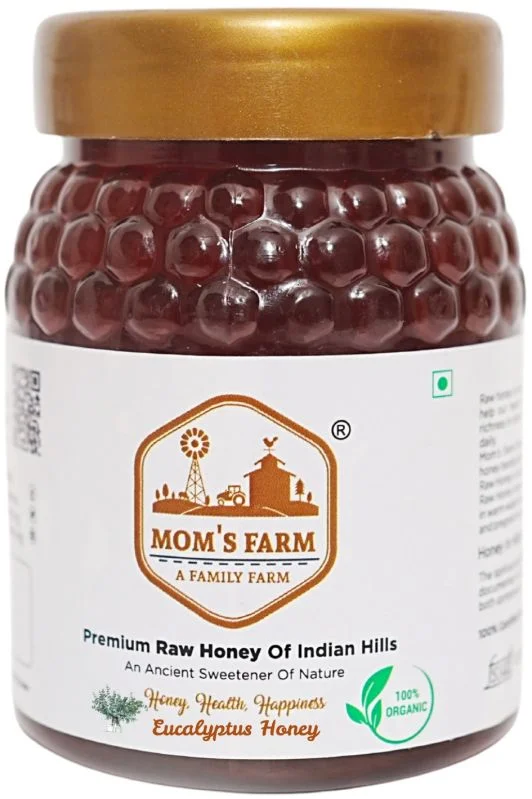
Blueberries exported from Argentina are usually harvested at 12‑14 % soluble solids and packed in ventilated clamshells of 125 g or 250 g. Argentine honey is commonly a multifloral type with moisture below 18 % and diastase activity above 8 %. These specifications align with typical import requirements for these commodities.
Trade and Export Information - ER links Argentina
Argentina exports corn, soy oil, berries and honey primarily to markets in Europe, North America and Asia. Grain shipments are often loaded in 40‑ft containers or bulk vessels, while fresh berries and honey are packed in cartons or drums for temperature‑controlled transport. Buyers usually request phytosanitary certificates, origin certificates and, where applicable, a Certificate of Analysis confirming moisture, oil purity or sugar content.
Commonly required certifications for these commodities include ISO 22000 for food safety, HACCP plans and, for honey, a declaration of compliance with the EU honey directive. Importers frequently ask for laboratory test reports on pesticide residues for corn and soy oil, and for microbial counts in blueberries. Logistics generally follow Incoterms such as FCA or CIP, allowing the buyer to arrange final freight.
Sourcing from ER links Argentina - Buyer Guidance
When sourcing from ER links Argentina, buyers should request sample analyses that cover moisture for corn, free fatty acid level for soy oil, soluble solids for blueberries and moisture/diastase for honey. Verify that the supplier can provide up‑to‑date phytosanitary certificates and, if required, a non‑GM declaration for soy oil. Checking the test reports against the typical grade standards mentioned above helps confirm product suitability.
Buyers should also confirm packaging details: bulk corn in 50 kg bags, soy oil in 25 kg drums, blueberries in ventilated clamshells, and honey in food‑grade drums or tins. Lead times for Argentine harvest cycles mean corn and soy oil are usually available from March to June, while blueberries are harvested in the Southern summer (December‑February). Clarify the Incoterm and arrange pre‑shipment inspection if the contract calls for it.
Frequently Asked Questions About ER links Argentina
What product categories does ER links Argentina list?
It lists refined soy oil, blueberries, honey, white corn and corn, covering soy oil, fruit, honey and grain categories.
How many active products are shown in the catalogue?
The supplier shows five active products in its catalogue.
What typical quality parameters should buyers request for corn?
Buyers usually ask for kernel moisture between 12 % and 14 %, test weight, protein content and a phytosanitary certificate.
What specifications are common for refined soy oil?
Typical specifications include free fatty acid content of 0.2 % or less and a flash point of at least 260 °C, confirmed by a Certificate of Analysis.
How are Argentine blueberries usually packaged for export?
They are packed in ventilated clamshells of 125 g or 250 g and shipped in temperature‑controlled containers to preserve freshness.
Which certifications are generally required for honey imports?
Importers often require ISO 22000 or HACCP compliance, a phytosanitary certificate and lab results showing moisture below 18 % and diastase activity of 8 % or higher.
What Incoterms are commonly used for these Argentine commodities?
FCA (Free Carrier) and CIP (Carriage and Insurance Paid to) are frequently used, allowing the buyer to manage the main carriage and insurance.




 , Argentina