Agriculture›
 Apparel and fashion accessories›
 Construction & real estate›💡Electronic & Electrical›🍎Food & Beverages›🛋️Home furnishing & supplies›⚗️Industrial goods & chemical›🪨Minerals & metals›📦Miscellaneous›Agriculture›Apparel and fashion accessories›Construction & real estate›💡Electronic & Electrical›🍎Food & Beverages›🛋️Home furnishing & supplies›⚗️Industrial goods & chemical›🪨Minerals & metals›📦Miscellaneous›
E-Tom Apparel Co, Ltd Product Catalog

About E-Tom Apparel Co, Ltd - Apparel Supplier in China
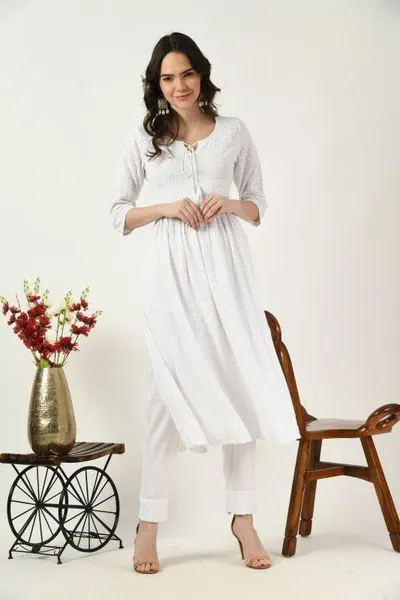
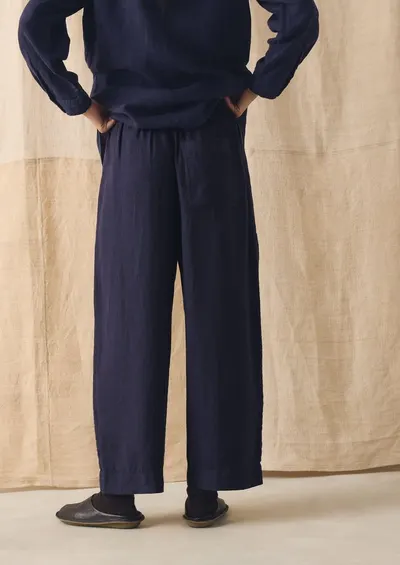
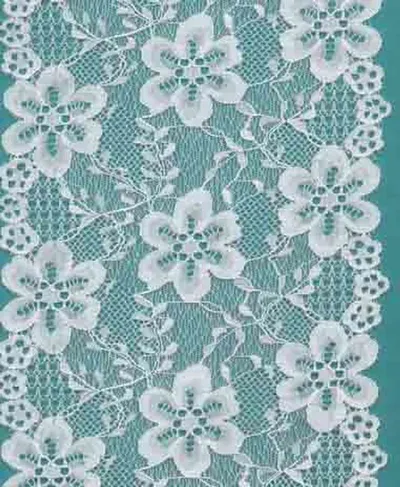
China‑based E‑Tom Apparel Co, Ltd lists five active products across its catalogue. The supplier’s portfolio covers scarves and stoles, wedding dresses and accessories, other ladies’ dresses, jersey garments and night‑wear items, reflecting a focus on women’s fashion segments. Each product falls under the HS chapter 62 family that governs apparel and accessories, a common classification for textile exports from China. The catalogue includes a long white lace‑trim silk satin bridal robe, a white lace wedding dressing gown, a bridal white satin nightgown slip dress, soft jersey bamboo pajamas and navy viscose pyjamas with contrast piping. All five items are described using specific material terms such as silk satin, lace, chiffon, bamboo‑derived jersey and viscose, which align with typical textile specifications for high‑visibility bridal and night‑wear markets.
The listed products represent typical garment constructions where fabric weight (gsm) ranges from 80‑120 gsm for silk satin and chiffon to 150‑200 gsm for jersey and viscose night‑wear. Standard measurements for bridal robes include lengths of 150‑180 cm and sleeve openings of 45‑55 cm, while night‑wear sets often feature waistbands of 2‑3 cm width and elasticized cuffs. In Chinese export practice, such items are packed in folded cartons inside 20‑ft or 40‑ft containers, with each carton protected by poly‑bag liners to preserve fabric integrity during sea transit.
Product Range and Specialties of E-Tom Apparel Co, Ltd
E‑Tom’s catalogue includes a silk satin bridal robe trimmed with white lace, a matching lace wedding dressing gown, a satin nightgown slip dress, a soft jersey bamboo pajama set and a navy viscose pyjama set with contrast piping. In the broader industry, bridal robes are commonly graded by silk grade (e.g., mulberry silk, grade A) and lace quality, with ICUMSA whiteness values above 90 for white fabrics. Jersey night‑wear is frequently evaluated by stretch recovery (percentage) and GSM, while viscose pyjamas are assessed for fiber content (viscose % ≥ 95) and colourfastness to light. Typical specifications for these categories include seam strength of at least 10 N/tex, shrinkage limits under 3 % after laundering, and colourfastness ratings of 4‑5 on the AATCC scale.
Industry standards such as Oeko‑Tex Standard 100 and ISO 9001 are widely applied to women’s apparel to verify the absence of harmful substances and to ensure consistent quality management. Although the supplier’s certifications are not listed, buyers generally request compliance certificates for these standards when sourcing silk, jersey or viscose garments from China.
Frequently Asked Questions About E-Tom Apparel Co, Ltd
What material specifications are typical for the silk satin bridal robes offered by E‑Tom?
Silk satin bridal robes are usually made from mulberry silk with a weight of 80‑120 gsm and a weave density of at least 30 ends per cm. Buyers should verify silk content (≥ 95 %) and request a fabric test report for colourfastness and tensile strength.
Are the jersey bamboo pajamas compliant with any safety standards?
Jersey bamboo fabrics commonly meet Oeko‑Tex Standard 100, which checks for harmful substances. Request the Oeko‑Tex certificate and a garment wash‑shrinkage test (≤ 3 % shrinkage) before confirming the order.
Which HS codes apply to E‑Tom’s night‑wear products?
Night‑wear such as pyjamas and nightgowns falls under HS 6109 (women’s night‑wear, knitted or crocheted) and HS 6204 (women’s dresses) for the slip dress variant.
What are the typical packaging and container requirements for shipping these garments?
Items are packed in poly‑bagged cartons weighing 20‑40 kg each, stacked in standard 20‑ft or 40‑ft containers. Carton dimensions are usually 40 cm × 30 cm × 20 cm, allowing efficient space utilization.
Which certifications should a buyer request for the viscose pyjama set?
Buyers should ask for an Oeko‑Tex Standard 100 certificate, a fabric composition test confirming viscose ≥ 95 %, and a colourfastness to light report (AATCC 4 rating of 4‑5).
 China
Related Suppliers & Products
Explore similar suppliers, related products and trending categories