Agriculture›
 Apparel and fashion accessories›
 Construction & real estate›💡Electronic & Electrical›🍎Food & Beverages›🛋️Home furnishing & supplies›⚗️Industrial goods & chemical›🪨Minerals & metals›📦Miscellaneous›Agriculture›Apparel and fashion accessories›Construction & real estate›💡Electronic & Electrical›🍎Food & Beverages›🛋️Home furnishing & supplies›⚗️Industrial goods & chemical›🪨Minerals & metals›📦Miscellaneous›
Dylaan International Product Catalog
About Dylaan International - Food Commodity Supplier in India
Based in India, Dylaan International lists nine active products covering rice, spices, pulses, flour and millet. The catalogue includes dry ginger, dried chilli, dal, basmati rice, broken rice, roasted urid flour, whole ragi, fennel and whole cumin. These items fall under HS Chapter 10 for cereals (rice, millet, ragi), Chapter 09 for spices (dry ginger, dried chilli, fennel, cumin), Chapter 07 for pulses (dal) and Chapter 11 for flours (roasted urid flour). The supplier’s focus spans staple grains and high‑value spice seeds that are commonly traded in bulk containers. Export volumes from India for these HS groups typically range from 1‑3 Mt per year for rice to several hundred thousand tonnes for spices.
Product Range and Specialties of Dylaan International
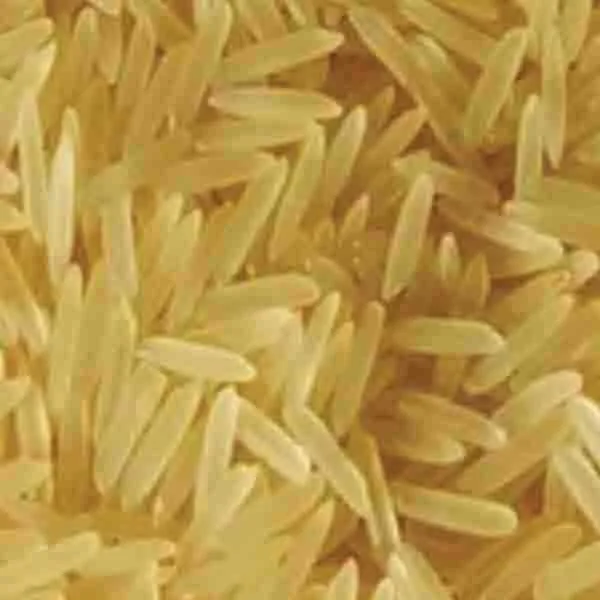
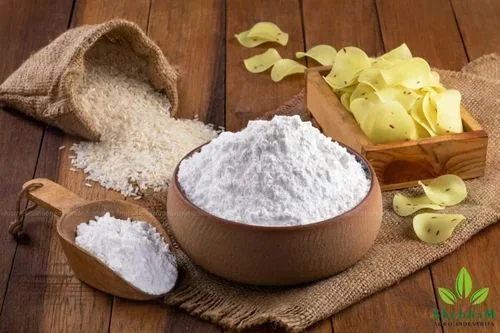
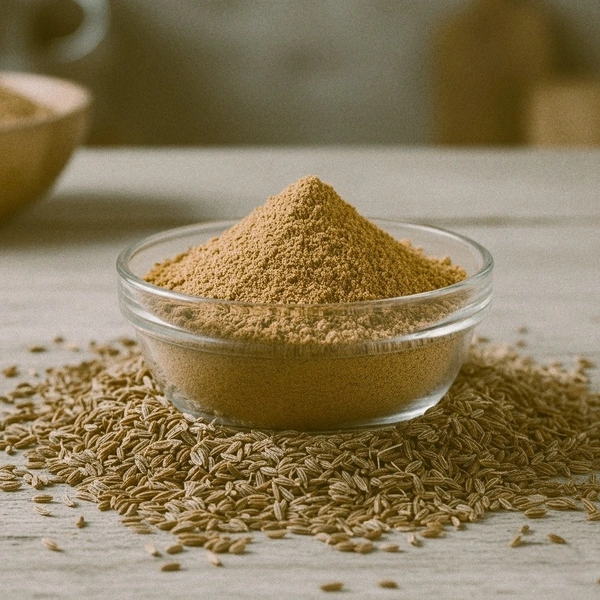
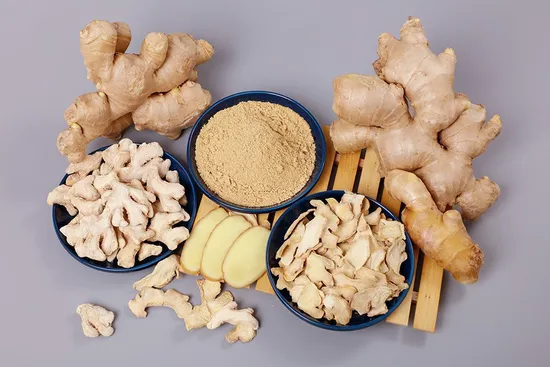
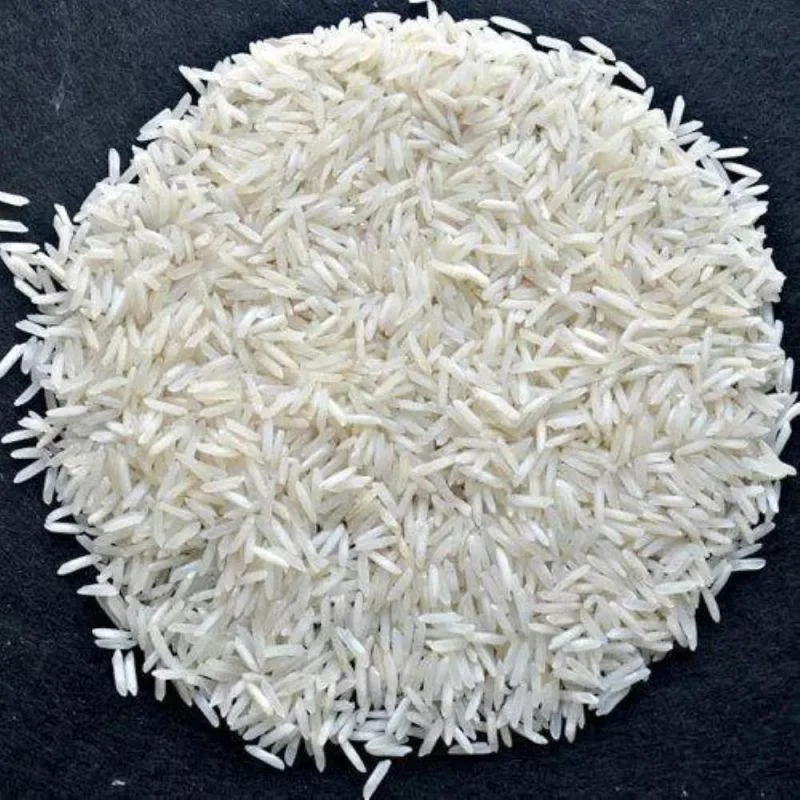
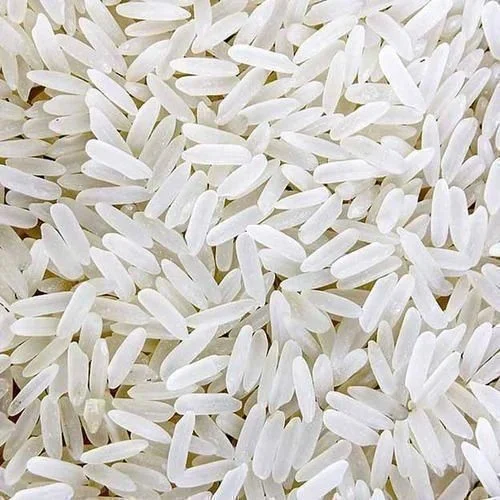
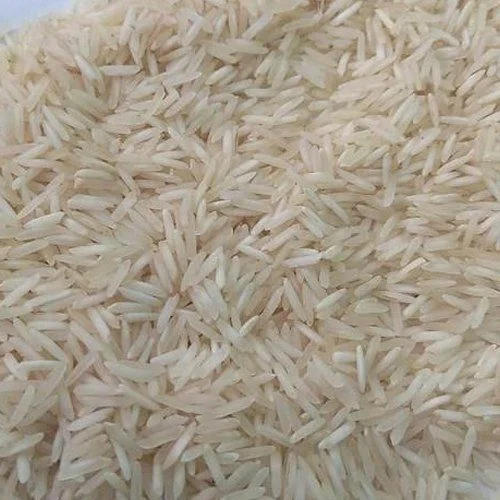
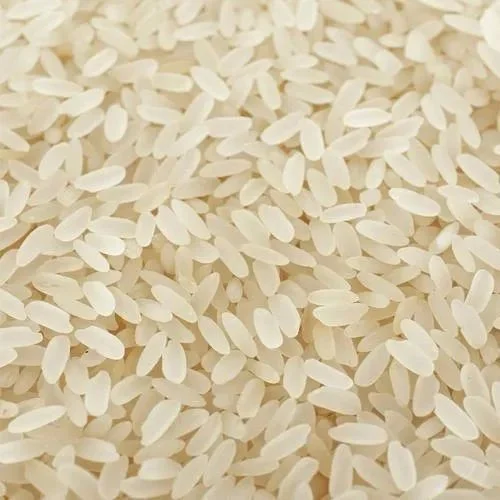
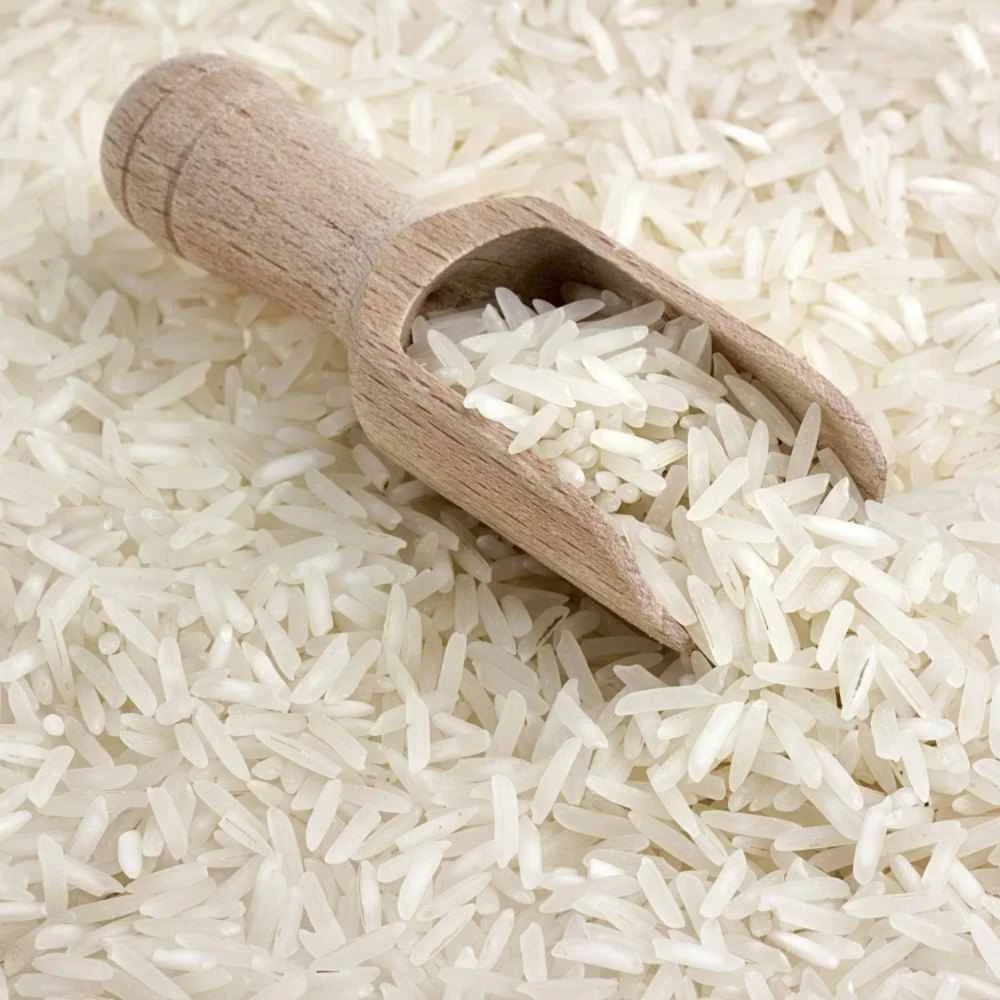
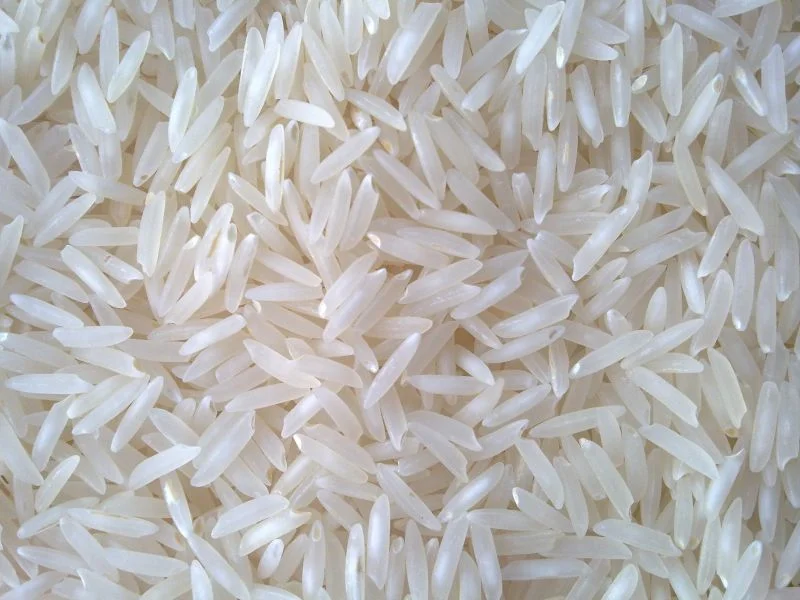
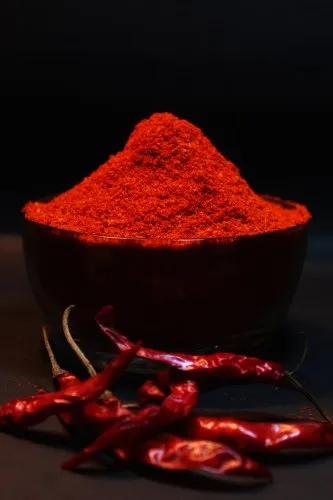
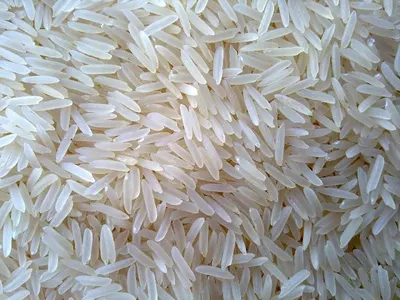
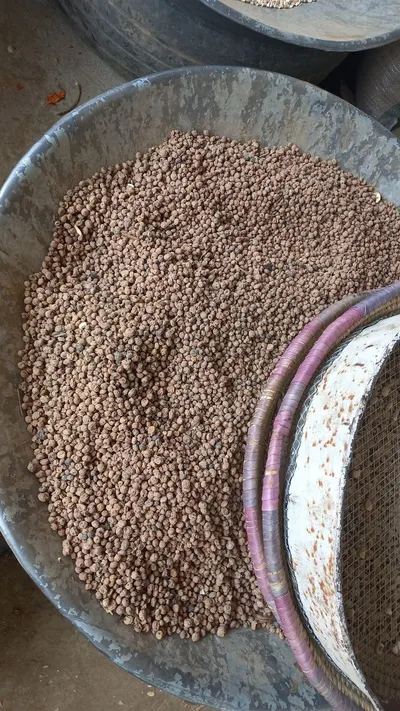
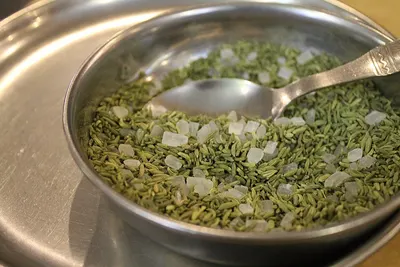
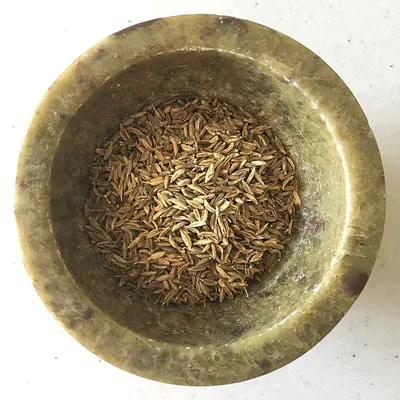
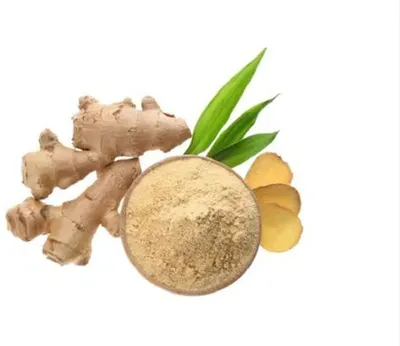
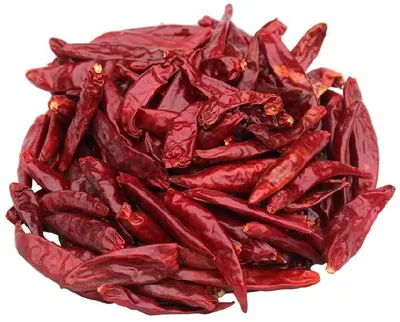
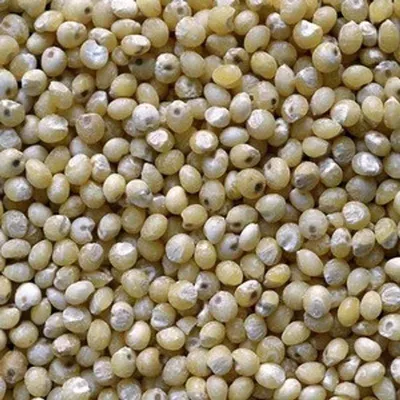
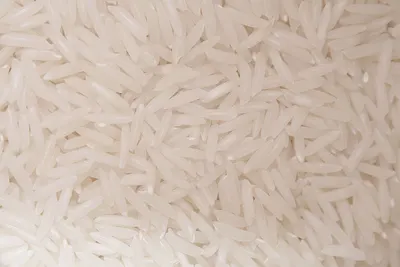
The catalogue’s nine items cover core Indian food commodities. Dry ginger is supplied as whole rhizome pieces, typically sized 4‑6 mm and dried to ≤12 % moisture. Dried chilli includes whole pod varieties with capsaicin content above 30 % Scoville and moisture ≤10 %. Dal refers to pulses such as split or whole lentils, commonly meeting protein levels of 22‑24 % and moisture below 13 %. Basmati rice is offered in long‑grain kernels, usually meeting the Indian Export Standard of ≥7 % head‑rice recovery and ≤0.5 % broken ratio for premium grades. Broken rice is marketed for processed applications and typically contains 10‑12 % broken grains. Roasted urid flour is a high‑protein flour with a target protein of 20‑22 % and bulk density around 0.65 g/cm³. Whole ragi (finger millet) is supplied as intact grains with moisture ≤12 % and bulk density 0.75 g/cm³. Fennel and cumin seeds are presented as whole seeds, with typical particle sizes of 3‑5 mm and oil contents of 3‑5 % respectively. Standard packaging for these commodities in India includes 25 kg polypropylene bags for grains and 20 kg jute bags for spices, fitting approximately 20‑40 ft containers depending on product density.
Frequently Asked Questions About Dylaan International
What product categories does Dylaan International list?
It lists nine products across rice (Basmati and broken), spices (dry ginger, dried chilli, fennel, cumin), pulses (dal), flour (roasted urid flour) and millet (whole ragi). Each item is recorded under the appropriate HS chapter for cereals, spices or pulses.
Which HS codes apply to the listed products?
Rice and ragi fall under HS 1006 and 1008, spices such as dry ginger, dried chilli, fennel and cumin are classified under HS 0904 or 0909, dal is HS 0713 and roasted urid flour is HS 1101. These codes are used for customs declaration and duty assessment.
What quality parameters are typical for the dry ginger offered?
Dry ginger is usually dried to a maximum moisture content of 12 % and cut to pieces 4‑6 mm in size. It is tested for gingerol content above 1 % and must meet microbial limits of ≤10³ cfu/g.
How is Basmati rice graded for export?
Export‑grade Basmati must have head‑rice recovery of at least 7 %, a broken ratio not exceeding 0.5 %, moisture ≤14 % and a minimum kernel length of 6 mm. Premium grades also require low ash and high aroma scores.
What certifications should a buyer request for Indian spice shipments?
Buyers commonly request an ISO 22000 or HACCP food‑safety certificate, an FSSAI export licence, a phytosanitary certificate and a third‑party pesticide‑residue test report. These documents verify compliance with both Indian export regulations and the import requirements of major markets.
 India
Related Suppliers & Products
Explore similar suppliers, related products and trending categories