Dubai Imports And Exports — Verified Supplier
About Dubai Imports And Exports - Wheat Supplier in India
India‑based Dubai Imports And Exports lists five active products in its catalogue. The supplier’s portfolio covers staple cereals and key horticultural outputs, specifically wheat, white long‑grain rice, coconut powder, onion and whole coconut, reflecting common agricultural export lines from the sub‑continent.
The product entries are recorded under the broad categories Wheat, Rice, Coconut By‑Products, Dehydrated Ginger and Coconut, although the detailed catalogue only enumerates wheat, rice, coconut powder, onion and coconut. Each item conforms to the typical quality parameters used in global trade, such as protein content for wheat, moisture limits for rice and onion, and fat content for coconut powder.
Product Range and Specialties of Dubai Imports And Exports
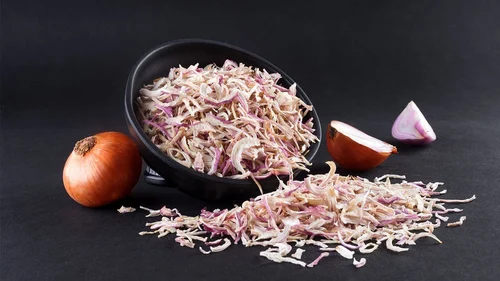
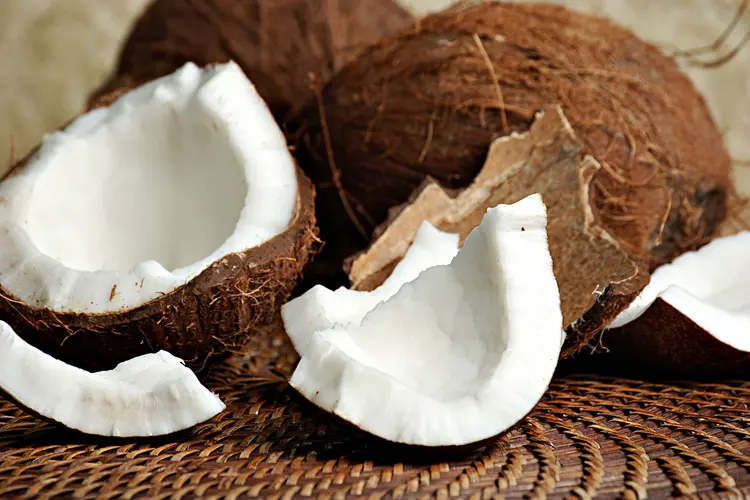
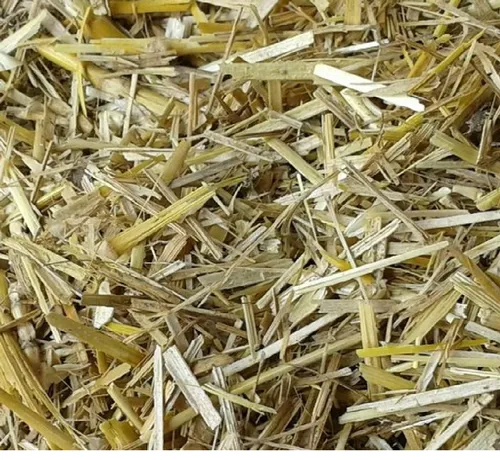
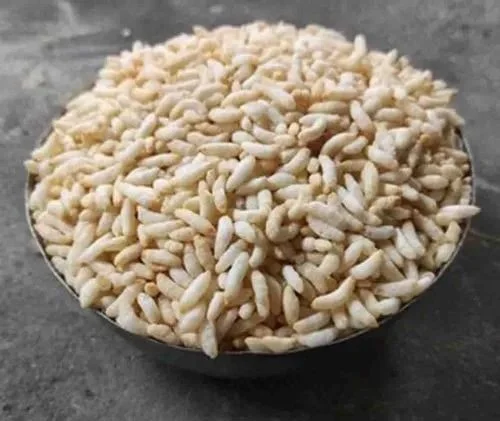
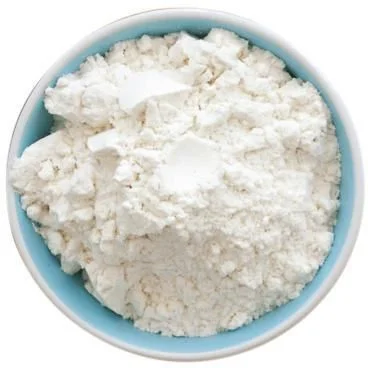
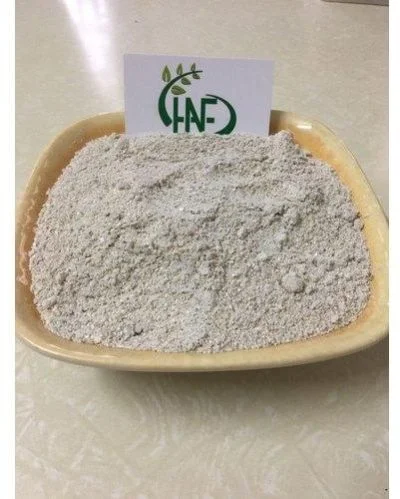
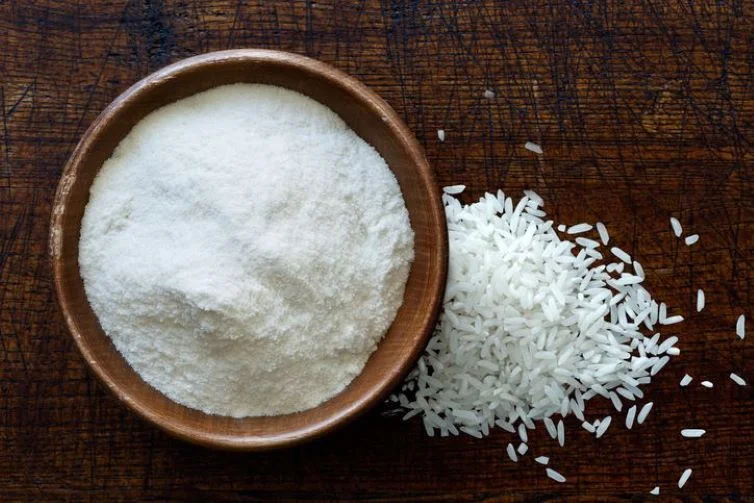
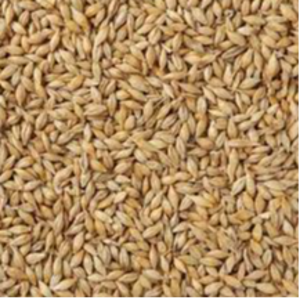
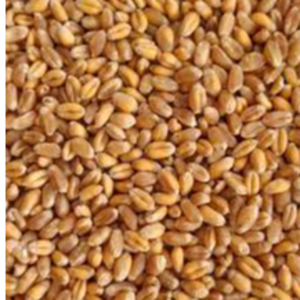
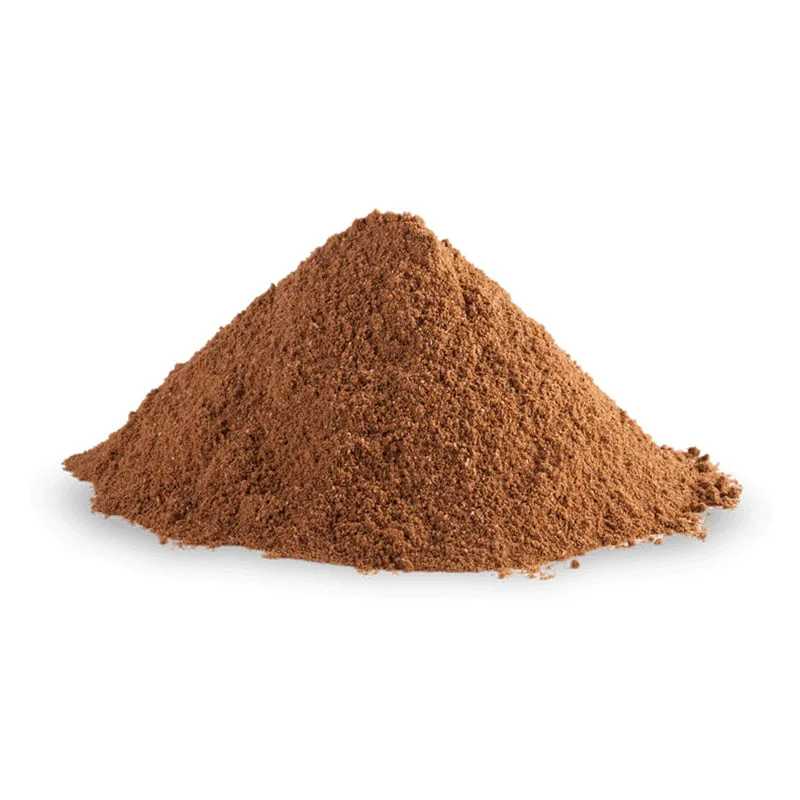
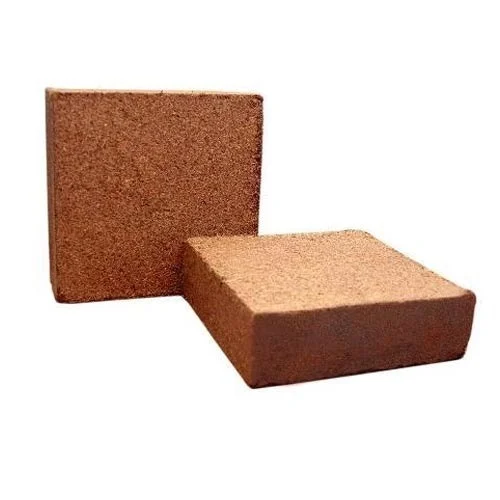
The listed range includes raw wheat kernels, milled white long‑grain rice, powdered coconut flesh, bulk onion and whole coconut (both fresh and dried). In the wheat market, buyers usually specify protein levels between 10 % and 12 % and moisture below 14 %; rice is often graded by grain length and moisture under 13 %; coconut powder is evaluated for fat content around 60 % and moisture below 8 %; onion shipments commonly require dry matter above 90 % and low sprouting rates; whole coconut is classified by size (medium 30‑35 mm) and husk removal percentage. These benchmarks are standard across Indian exporters and help align the supplier’s catalogue with buyer expectations.
Trade and Export Information - Dubai Imports And Exports
India exports wheat primarily to the Middle East, North Africa and parts of South Asia, using bulk cargoes in 20 ft or 40 ft containers and bulk bags that meet ISO 9001 packaging standards. Rice from India flows to African markets, Southeast Asian nations and the Gulf Cooperation Council, often under phytosanitary certification and FSSAI compliance. Coconut products, including powder and fresh nuts, are shipped to Europe, the United States and East Asia, where ISO 22000, HACCP and organic certifications are frequently required. Dehydrated ginger and onion are similarly targeted at EU and GCC buyers, with typical HS chapters 0901‑0903 for spices and 0703 for onions, and standard inspection regimes by the importing country’s plant protection authority.
Sourcing from Dubai Imports And Exports - Buyer Guidance
Prospective buyers should request a recent phytosanitary certificate, a certificate of analysis covering moisture, protein (for wheat), grain length (for rice) and fat content (for coconut powder), and any relevant FSSAI or ISO certifications. Sampling is usually performed on a 5 kg batch for wheat and rice, and on a 2 kg sample for coconut powder to verify particle size distribution and pesticide residues. Verification of packaging integrity, such as double‑lined bulk bags for wheat or moisture‑proof polyethylene sacks for coconut powder, helps reduce quality loss during transit.
Frequently Asked Questions About Dubai Imports And Exports
What product categories does Dubai Imports And Exports list?
The catalogue includes wheat, white long‑grain rice, coconut powder, onion and whole coconut, covering both raw grains and processed coconut derivatives.
Are there standard quality specifications for the wheat offered?
Typical specifications for Indian wheat exports are protein 10‑12 %, moisture ≤14 % and absence of foreign matter above 0.5 %.
What certifications should a buyer request for the rice shipment?
Buyers should ask for a FSSAI certificate, a certificate of analysis showing moisture ≤13 % and grain length compliance, and a phytosanitary certificate.
Which packaging formats are used for coconut powder?
Coconut powder is usually packed in moisture‑proof polyethylene bags (up to 25 kg) placed inside 20 ft containers, often with desiccant sachets to control humidity.
What is the typical minimum order quantity (MOQ) for onion?
Exporters from India often set an MOQ of one 20 ft container, roughly 12 metric tons, but smaller bulk bag shipments can be negotiated.
How long is the lead time for wheat shipments?
Lead times for bulk wheat range from 30 to 45 days after order confirmation, depending on harvest season and freight availability.
Which documents are required for customs clearance in the GCC?
A phytosanitary certificate, commercial invoice, packing list and, where applicable, an ISO 22000 or HACCP audit report are standard for GCC imports of wheat, rice and onions.
What HS code families correspond to the listed products?
While the catalogue does not provide specific HS codes, wheat falls under Chapter 10, rice under Chapter 10, coconut products under Chapter 12, ginger under Chapter 9 and onion under Chapter 7, which are the typical classifications used in international trade.




 , India