Dongguan V1 Mold Technology Co., Ltd. — Verified Supplier
About Dongguan V1 Mold Technology Co., Ltd. - Injection Moulded Products Supplier in China
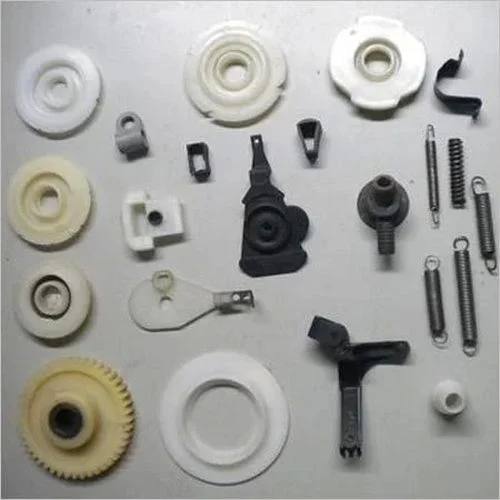
China, with a catalogue of 13 active products, Dongguan V1 Mold Technology Co., Ltd. lists items across Agriculture, Dies & Mouldings, Injection Moulded Products and Air Filters. The supplier’s catalogue includes plastic injection molds for automotive and household appliances, as well as specialized molds such as bumper molds and lamp molds. HS code 8480.41 is used for several tool‑steel injection molds, while HS code 8480.60 and 8480.71 cover door‑panel dies and lamp molds respectively. Materials are specified as P20 or H13 tool steel, both hardened alloys commonly employed in high‑volume molding. The product list also mentions non‑mold items such as a plasma air sterilizer and multi‑shot molding capabilities. The 13 entries comprise eight items explicitly identified as injection molds, three with detailed HS codes, and two additional offerings without HS codes. Examples include a Bumper Mould (HS 8480.41, P20/H13), an Automotive Instrument Panel Injection Mold (no HS code listed), and a Professional Appliance plastic injection mold (HS 8480.71, P20/H13 cavity and core). The catalogue also references a BMW Injection Mold and a China Latest 2k Shot Auto Injection Mold, indicating capability for high‑precision and multi‑material molds. All products are described as manufactured in China, with the supplier classified under the “harbor” trust tier.
Product Range and Specialties of Dongguan V1 Mold Technology Co., Ltd.
The catalogue focuses on plastic injection moulds used in automotive, household appliance and lighting applications. Listed materials are P20 and H13 tool steels, which are standard for medium‑volume production due to their good machinability and heat‑treatment characteristics. In the moulding industry, P20 is typically supplied in a hardness range of 28‑32 HRC after tempering, while H13 is hardened to 38‑42 HRC for high‑temperature cavities. Common specifications for such moulds include a dimensional tolerance of ±0.03 mm, surface finish Ra 0.8 µm on cavity surfaces, and cooling channel layouts designed for cycle times under 30 seconds. Buyers also encounter single‑cavity, multi‑cavity, 2‑shot and insert mould configurations, each requiring different venting and ejection strategies. Industry practice for injection moulds listed under HS 8480 includes verification of steel grade certification, heat‑treatment reports and dimensional inspection reports. For automotive‑related moulds, ISO/TS 16949 quality management is frequently required, while general plastic moulds often adhere to ISO 9001. Typical export containers hold up to 20‑foot containers with 12‑15 moulds depending on size, packed in wooden crates with moisture‑barrier film to protect the hardened steel during sea transit.
Trade and Export Information - Dongguan V1 Mold Technology Co., Ltd.
China is one of the world’s largest exporters of plastic injection moulds, with HS chapter 84 covering moulds, dies and tooling. Primary import markets include the European Union, the United States, Japan and Southeast Asian manufacturing hubs, where automotive, consumer‑electronics and appliance manufacturers source tooling. Buyers usually request compliance with ISO 9001 and, for automotive applications, ISO/TS 16949 or IATF 16949. CE marking may be needed for EU‑bound equipment that incorporates the moulded parts, while UL certification is common for US‑bound electrical appliance components. Typical export logistics involve FOB or CIF terms from Chinese ports such as Shanghai or Shenzhen. Moulds are packed in reinforced wooden crates, often with anti‑rust coating and desiccant packs, and loaded on 20‑ft or 40‑ft containers. Customs documentation normally includes the commercial invoice, packing list, certificate of origin and, where required, material safety data sheets for the steel grades. Import regulators may inspect the HS code 8480 series to verify that the items are classified as tooling rather than finished goods.
Sourcing from Dongguan V1 Mold Technology Co., Ltd. - Buyer Guidance
When sourcing from this supplier, request a material test report that confirms the chemical composition and hardness of the P20 or H13 steel used. Ask for a detailed engineering drawing that shows cavity dimensions, cooling channel layout and surface‑finish specifications, as these are critical for achieving target cycle times. Buyers should also obtain any applicable quality‑management certificates (ISO 9001, ISO/TS 16949) and a recent third‑party inspection report, especially for moulds intended for automotive or safety‑critical applications. Verify the lead time, which for standard single‑cavity moulds in China typically ranges from 8 to 12 weeks, and confirm the minimum order quantity, which is usually one mould but may involve a substantial tooling investment. Confirm packaging details - wooden crate, moisture barrier and palletization - to ensure safe transport.
Frequently Asked Questions About Dongguan V1 Mold Technology Co., Ltd.
What types of injection moulds does Dongguan V1 Mold Technology list in its catalogue?
The catalogue lists bumper moulds, household electric appliance moulds, automotive instrument panel moulds, door‑panel dies, professional appliance moulds, automotive lamp moulds and several generic plastic injection moulds.
Which HS codes are associated with the listed moulds?
HS code 8480.41 is used for bumper and household appliance moulds, 8480.60 for the door‑panel die, and 8480.71 for professional appliance and lamp moulds.
What material grades are specified for the moulds?
All specified moulds use tool steel grades P20 or H13, supplied in hardened condition suitable for high‑volume plastic injection.
What certifications should a buyer request before placing an order?
Buyers should request ISO 9001 certification for general quality management and, for automotive‑related moulds, ISO/TS 16949 or IATF 16949 documentation.
What are typical packaging and shipping methods for these moulds?
Moulds are normally packed in reinforced wooden crates with moisture‑barrier film, placed on standard pallets and shipped in 20‑ft or 40‑ft containers under FOB or CIF terms.
What are common lead times and minimum order quantities for Chinese injection moulds?
Standard single‑cavity moulds from China usually have a lead time of 8‑12 weeks, and the minimum order is typically one mould, though tooling costs can be significant.
Are there specific quality tests buyers should verify?
Buyers should verify hardness (HRC) of the hardened steel, dimensional tolerance (±0.03 mm) and surface finish (Ra 0.8 µm) through a third‑party inspection report.
How can a buyer request a sample or technical drawing?
A buyer can request a CAD drawing or a prototype sample by contacting the supplier directly and specifying the required material grade, cavity size and any applicable certification documents.




 , China