Donegal Seaweed — Supplier
About Donegal Seaweed - Fertilizer Supplier in Ireland
Based in Ireland, specifically the Donegal region, Donegal Seaweed lists seven active products in its catalogue. The company classifies its offerings under Fertilizers, Seaweeds & Seashells, and Organic Fertilizers, reflecting a focus on marine‑derived plant nutrition solutions.
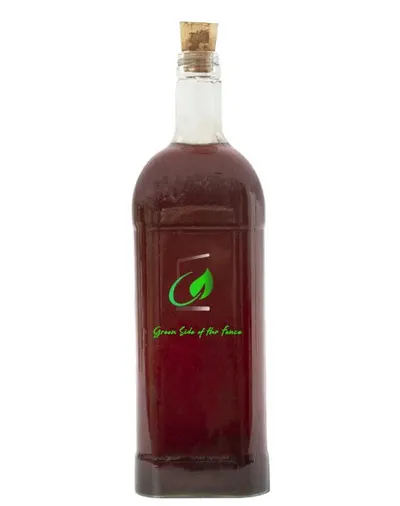
The product portfolio includes the generic "Donegal Seaweed" extract, the branded "Seahydra" line, and the "Garden Force" series offered in 1 Litre, 5 Litre, 10 Litre and 20 Litre containers. An additional entry, "Seaweed Liquid Fertilizer," rounds out the range, providing liquid seaweed‑based nutrients for horticultural and agricultural use.
Product Range and Specialties of Donegal Seaweed
Donegal Seaweed’s catalogue comprises liquid seaweed extracts and organic garden fertilizers packaged from 1 L to 20 L. In the broader market, seaweed liquids are typically graded by iodine value (often 5 - 15 % I_2), total nitrogen content (0.5 - 2 %), and trace micronutrients such as potassium, magnesium and iron. Organic variants usually comply with EU organic standards, requiring a minimum of 70 % organic matter and no synthetic pesticides.
Buyers in the horticulture sector often request specifications such as EC (electrical conductivity) between 0.5 - 2.0 mS cm⁻¹, pH neutral to slightly acidic (5.5 - 7.0), and heavy‑metal limits below 10 ppm for lead and cadmium. Packaging is commonly PET or HDPE bottles, with bulk shipments using food‑grade drums for larger volumes.
Trade and Export Information - Donegal Seaweed
Ireland exports seaweed‑derived fertilizers primarily to the EU, United Kingdom, United States and Canada, where organic horticulture and sustainable agriculture drive demand. Products fall under HS Chapter 12 (seaweed, 1212) when classified as raw seaweed, and HS Chapter 31 (fertilizers, 3105) for processed liquid fertilizers. Importers typically require phytosanitary certificates and, for organic labels, proof of EU organic certification.
Logistically, liquid fertilizers are shipped in 20‑ft containers using sealed drums or bulk tanker trucks, with standard Incoterms such as FOB Dublin Port or CIF major European ports. Irish exporters often adhere to REACH regulations for chemical safety and provide Safety Data Sheets (SDS) with each shipment.
Sourcing from Donegal Seaweed - Buyer Guidance
Prospective buyers should request a product data sheet that details nutrient analysis (N‑P‑K percentages), iodine value, EC, pH, and heavy‑metal testing results. An independent laboratory certificate confirming compliance with EU organic standards is advisable when sourcing the "Garden Force" line.
Frequently Asked Questions About Donegal Seaweed
What product formats does Donegal Seaweed offer?
The catalogue lists seven liquid products, including the "Garden Force" series in 1 L, 5 L, 10 L and 20 L bottles, as well as the "Seahydra" and generic seaweed extracts.
Which HS codes are applicable to these products?
Seaweed extracts are generally classified under HS 1212, while processed liquid fertilizers fall under HS 3105, depending on the level of processing.
What certifications should a buyer request?
Buyers should request EU organic certification, an SDS, and a phytosanitary certificate; additional ISO 14001 or ISO 9001 documents are common but not listed in the supplier’s facts.
What are typical shipment sizes and packaging?
Products are packaged in PET or HDPE bottles ranging from 1 L to 20 L; bulk orders may be consolidated in 20‑ft containers using food‑grade drums.
Which markets import Irish seaweed fertilizers?
Key import markets include EU member states, the United Kingdom, the United States and Canada, especially for organic horticulture and sustainable agriculture sectors.
What quality parameters are standard for seaweed liquid fertilizers?
Standard parameters include nitrogen content 0.5 - 2 %, iodine value 5 - 15 % I_2, EC 0.5 - 2.0 mS cm⁻¹, pH 5.5 - 7.0, and heavy‑metal limits below 10 ppm for lead and cadmium.
How long is the typical shelf life for these liquid fertilizers?
Manufacturers usually guarantee a shelf life of 12 months when stored in a cool, dry place away from direct sunlight.
What incoterms are commonly used for exporting these products?
Exporters from Ireland commonly use FOB Dublin Port or CIF to major European ports, with buyers arranging inland transport from the arrival port.




 , Ireland