DIKU International Limited — Supplier
About DIKU International Limited - Jute Bags Supplier in Bangladesh
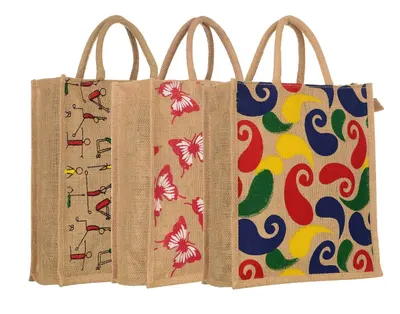
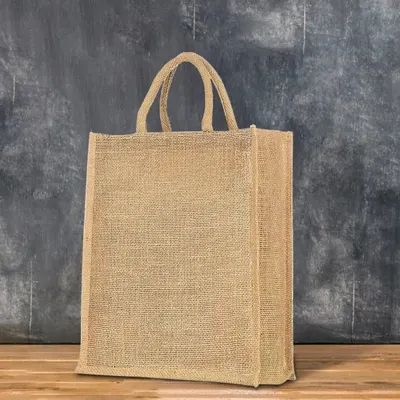
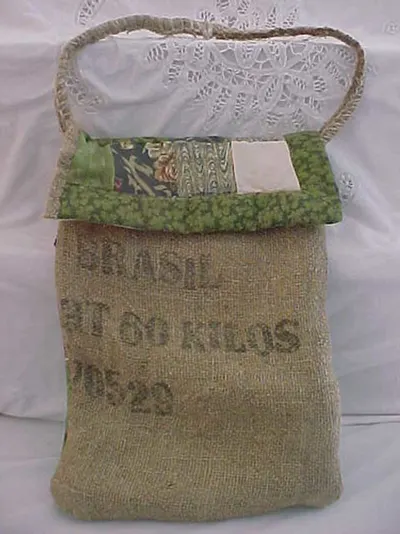
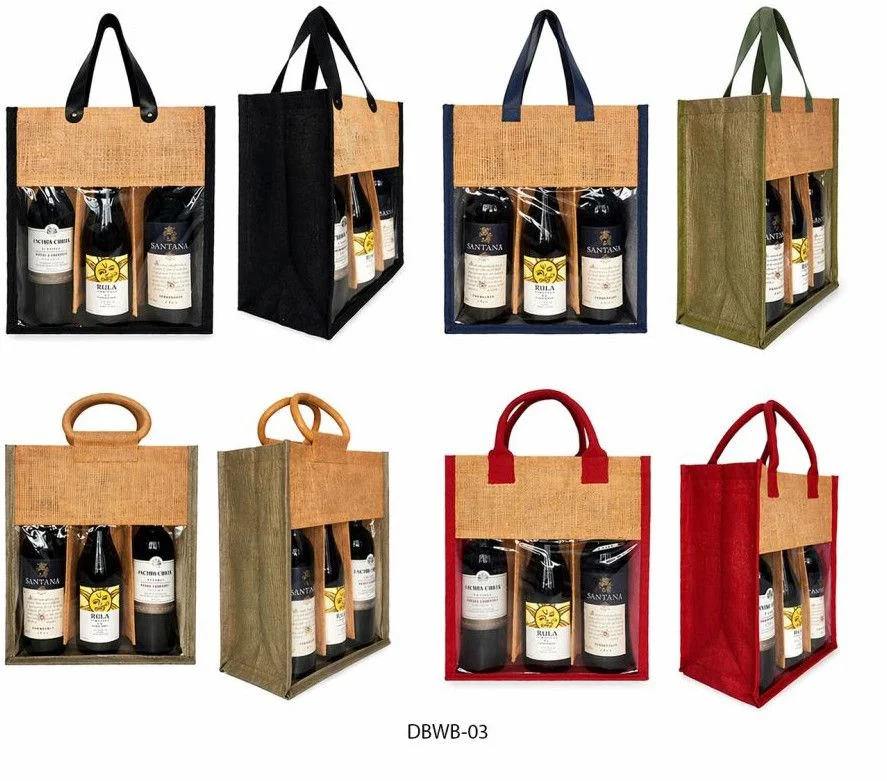
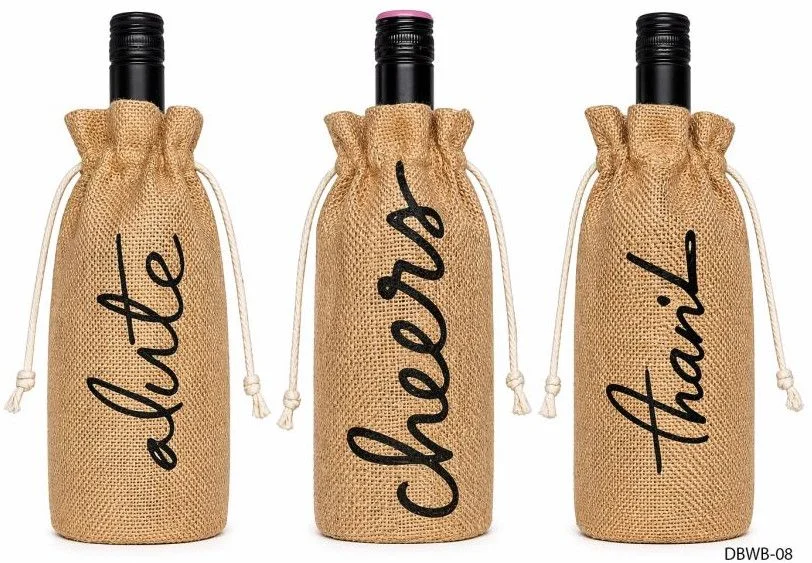
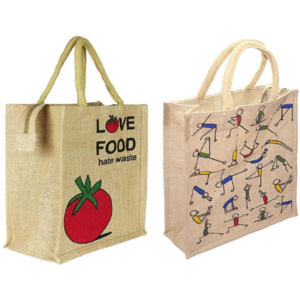
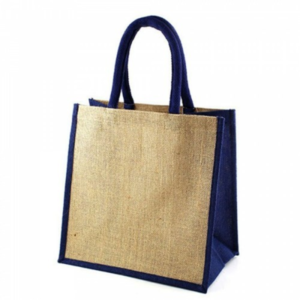
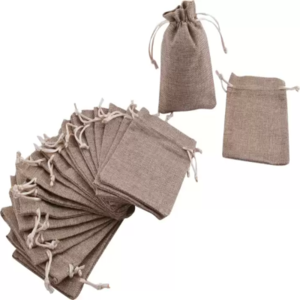
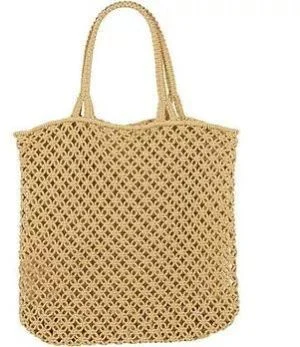
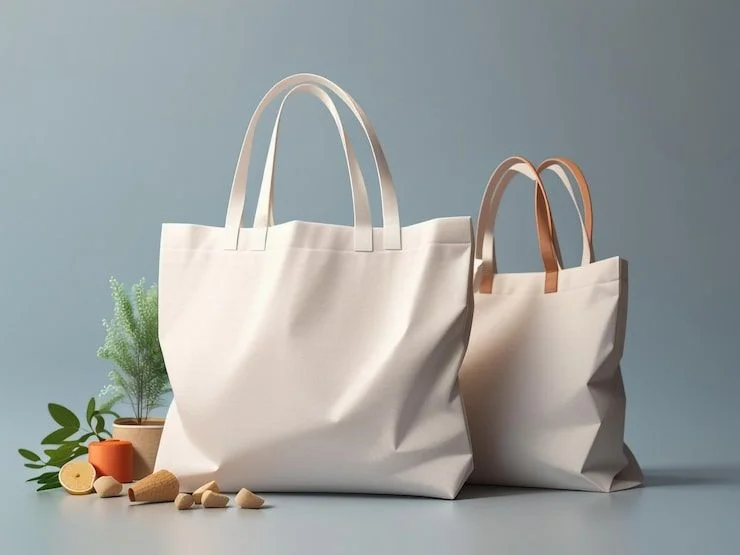
DIKU International Limited operates out of Bangladesh and currently lists six active products in its catalogue. The company’s catalogue focuses on jute‑based bags, covering items such as Jute Cotton Shopping Bag, Jute Wine Bag, Jute Cotton, Jute Carrying Bag With Short Handle, Carrying Bag With Long Handle, and Jute Shopping Bag With Short Handle. These products fall under the broader categories of Jute Bags, Agriculture, and Suitcases, Briefcases & Bags as indicated in the supplier profile. The listed items are primarily made from natural jute fibers, with some designs incorporating cotton canvas or polyester blends. The product set reflects common bag formats used for retail, promotional, and specialty packaging applications.
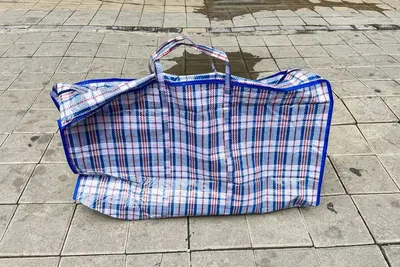
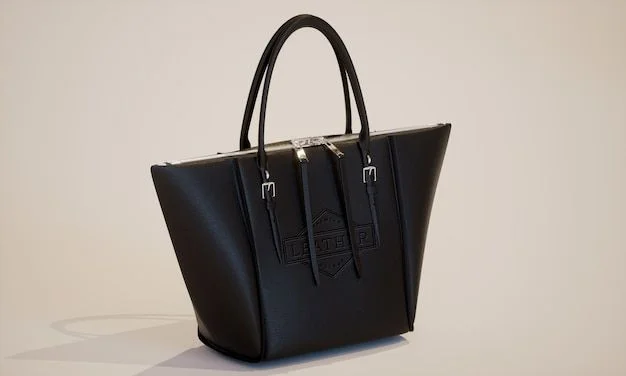
One of the entries, Carrying Bag With Long Handle, is assigned HS code 4202.92, which classifies it under travel, handbags and similar containers of textile material. The material specification for this item is listed as Cotton Canvas / Polyester and is noted as customizable, indicating the possibility of altering fabric composition per buyer request. The remaining five products are recorded without explicit HS codes, but they are generally classified within HS chapter 43 for jute and other vegetable fibers. All six items are described without reference to specific certifications in the supplied facts. The catalogue therefore provides a concise view of the supplier’s current jute‑bag offerings.
Product Range and Specialties of DIKU International Limited
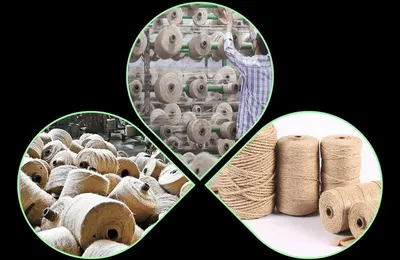
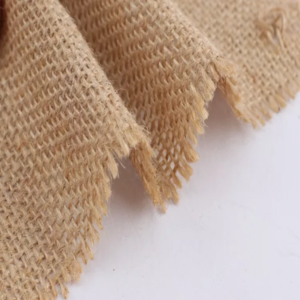
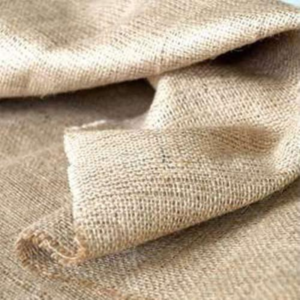
The catalogue includes a range of jute bags that vary by handle length, reinforcement style, and fabric blend. Products such as the Jute Cotton Shopping Bag and Jute Shopping Bag With Short Handle are usually woven from 3‑ply jute fibers with a basis weight of 180 - 220 g/m², providing tensile strength in the range of 30 - 45 MPa. The Jute Wine Bag typically features a reinforced base and a short handle designed for a load of up to 5 kg, while the Jute Carrying Bag With Short Handle and the Carrying Bag With Long Handle are sized for heavier loads, often up to 10 kg, and may incorporate cotton canvas or polyester linings to improve durability.
In the broader jute‑bag market, buyers frequently request ISO 9001 quality management certification, FSC chain‑of‑custody verification, and compliance with the European REACH regulations for any synthetic additives. Standard size categories include 30 × 35 cm for shopping bags, 40 × 45 cm for promotional bags, and 45 × 50 cm for wine bags, with weight capacities aligned to the bag’s GSM and handle construction. Typical packaging involves stacking bags in 40‑ft containers, achieving a load of approximately 1,800 to 2,200 bags per container depending on bag dimensions and thickness.
Trade and Export Information - DIKU International Limited
Bangladesh is a major exporter of jute products, and jute bags from the country are commonly shipped to European Union markets, the United States, the Middle East, and intra‑Asian destinations such as India and Malaysia. The HS code 4202.92 used for the Carrying Bag With Long Handle places the item in the textile‑bag subheading, while other jute‑bag items are typically classified under HS chapter 53 (e.g., 5304 for jute bags). Buyers in these regions often require compliance with ISO 9001 or ISO 14001, as well as FSC certification for sustainably sourced jute, and they may request third‑party inspection reports in accordance with the International Trade Centre (ITC) standards.
Export shipments from Bangladesh usually follow FOB Chittagong or CIF terms to the destination port, with containers packed in bulk or in poly‑bag bundles of 250 - 500 units per bundle. Standard container loading rates for jute bags range from 1,800 to 2,200 units per 40‑ft container, depending on bag size and GSM. Customs clearance may involve phytosanitary certificates if the bags contain untreated natural fibers, and buyers often ask for lab‑tested moisture content (typically below 12 %) and tensile strength data to confirm product durability.
Sourcing from DIKU International Limited - Buyer Guidance
When sourcing jute bags from DIKU International Limited, buyers should request a product sample that includes the specific handle length and any fabric blend (cotton canvas or polyester) they intend to order. Verify the sample’s basis weight (180 - 220 g/m² is common for the listed items) and ask for tensile strength test results confirming a minimum of 30 MPa. Request documentation of the jute’s moisture content, which should not exceed 12 %, and obtain any available FSC or ISO quality‑management certificates to ensure sustainable sourcing and consistent production processes.
Because the catalogue lists one product with an explicit HS code (4202.92), confirm that the final specification matches this classification or that alternative HS codes (e.g., 5304) are appropriate for pure jute items. Buyers should also inquire about minimum order quantities, which for bulk jute bags typically start at 2,000 units per style, and clarify lead times, which in Bangladesh average 30 - 45 days from order confirmation to shipment. Clarifying packaging details - such as poly‑bag bundling and palletization - will help align logistics with the buyer’s warehouse handling requirements.
Frequently Asked Questions About DIKU International Limited
What types of jute bags are listed in DIKU International Limited’s catalogue?
The catalogue lists six items: Jute Cotton Shopping Bag, Jute Wine Bag, Jute Cotton, Jute Carrying Bag With Short Handle, Carrying Bag With Long Handle (HS 4202.92, cotton canvas/polyester), and Jute Shopping Bag With Short Handle.
Can the material composition be customized for the Carrying Bag With Long Handle?
Yes, the supplier notes the material as "Cotton Canvas / Polyester (Customizable)", indicating that buyers can request different fabric blends or proportions to meet specific performance or branding needs.
Which HS code applies to the Carrying Bag With Long Handle?
The product is assigned HS code 4202.92, which classifies it under travel, handbags and similar containers made of textile material.
What certifications are typically required for jute bags exported from Bangladesh?
Buyers usually request ISO 9001 or ISO 14001 for quality and environmental management, FSC chain‑of‑custody for sustainable jute sourcing, and may ask for REACH compliance if synthetic additives are used.
What are the common minimum order quantities for the listed jute bags?
In the jute‑bag industry, bulk orders generally start at around 2,000 units per style, though exact MOQ can vary depending on bag size, handle type, and any custom material blends.
What is the typical production lead time for these jute bags?
Lead times for Bangladesh‑based jute bag manufacturers are usually 30 to 45 days from order confirmation to shipment, assuming standard designs without extensive customisation.
How are the bags packaged for export?
Export shipments are commonly packed in poly‑bag bundles of 250 - 500 bags, stacked on standard pallets, and loaded into 40‑ft containers, achieving approximately 1,800 - 2,200 bags per container depending on dimensions and GSM.
Are product samples available before placing a bulk order?
Yes, suppliers typically provide samples that include the chosen handle length and material blend; buyers should request a sample to verify basis weight, tensile strength, and moisture content before confirming a large purchase.




 , Bangladesh