Diamond Silks — Verified Supplier

About Diamond Silks - Scarves Supplier in India

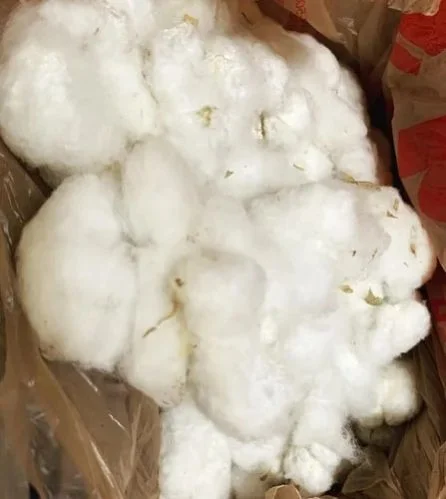
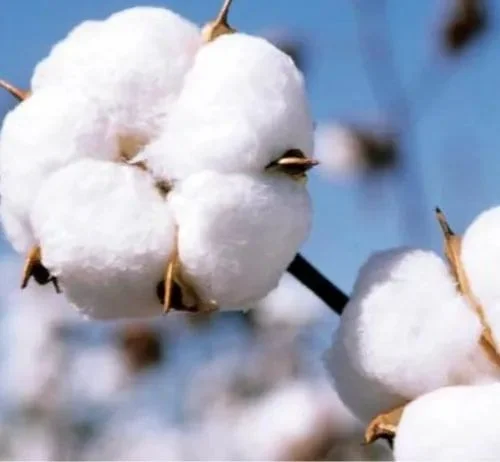
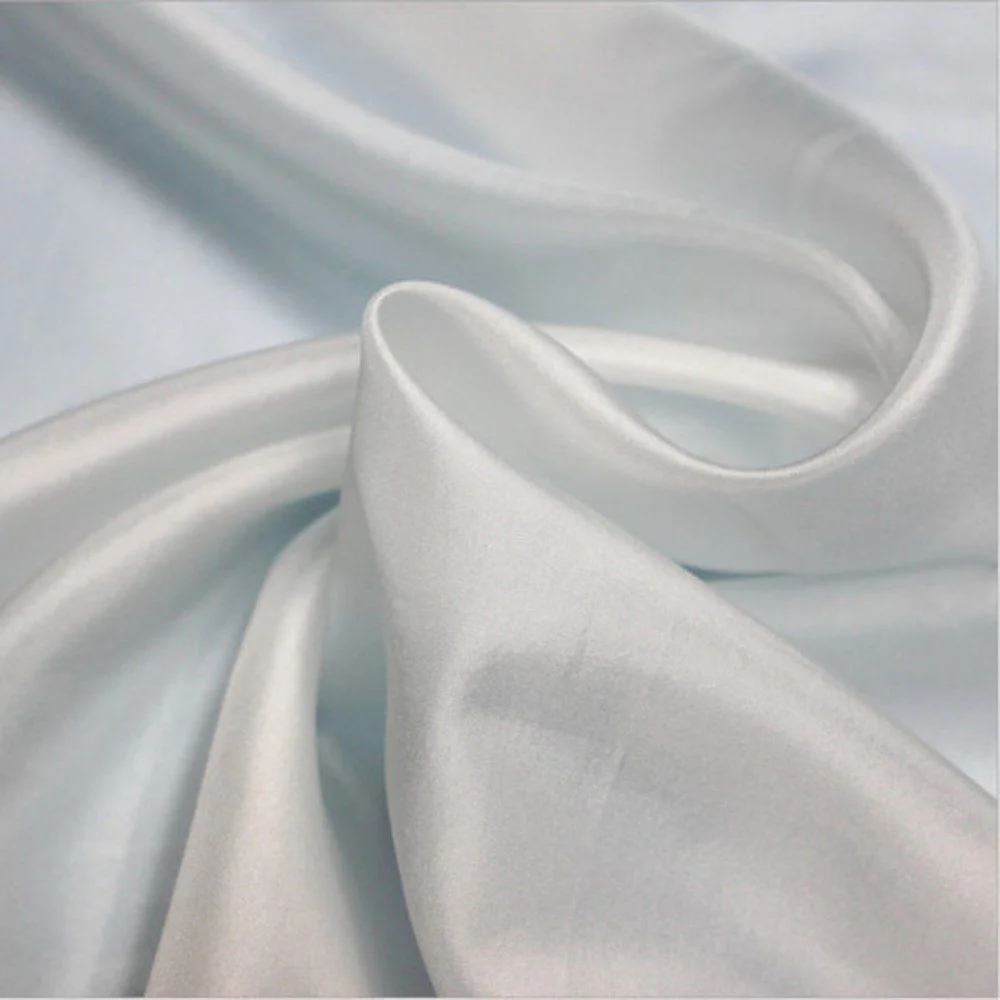
Diamond Silks is based in India and currently lists seven active scarf products. The catalogue is limited to the scarf and stole segment and includes items that fall under HS chapter 62, specifically HS code 6215 for scarves, shawls and similar accessories. Each listing specifies the material composition, ranging from pure silk to blended wool and cashmere, and includes both printed and plain variants.

The product list comprises Pure Silk Scarves Printed, Pure Cotton Scarves, Cotton Viscose Scarves, Pure Cotton Scarves Printed, Rayon Viscose Scarves, Silk Cashmere Scarves and Fine Wool/Cashmere Scarves. The variety shows a focus on natural fibres and semi‑synthetic blends that are common in the mid‑range fashion accessory market. No additional product categories beyond scarves are mentioned in the supplied data.

Product Range and Specialties of Diamond Silks

The catalogue covers seven scarf types built from silk, cotton, cotton‑viscose blends, rayon‑viscose blends, silk‑cashmere blends and fine wool‑cashmere blends. In the broader industry, pure silk scarves are often graded by fibre length and denier, with grades such as 6A or 6B indicating high‑quality long‑fibres. Cotton scarves are typically classified by thread count and GSM, while viscose and rayon blends are evaluated for uniform dye uptake and hand feel. Wool and cashmere blends are measured by micron count (e.g., 15‑19 µm for cashmere) and blend ratio, which affect softness and thermal performance.

Trade and Export Information - Diamond Silks

India is a major exporter of textile accessories, and scarves classified under HS 6215 are regularly shipped to the United States, European Union, and Middle Eastern markets. Buyers in these regions frequently request compliance with standards such as ISO 9001 for quality management, and product‑specific certifications like OEKO‑TX for chemical safety or GOTS for organic cotton, although these are not listed as held by this supplier. Export shipments are typically packed in 40‑foot containers using folded or rolled packaging, with moisture‑proof polybags and cardboard boxes to protect delicate fibres during sea transit. Common Incoterms for Indian textile exporters include FOB Mumbai and CIF Dubai, reflecting the logistical hubs used for garment accessories.

Sourcing from Diamond Silks - Buyer Guidance

When sourcing scarves from Diamond Silks, buyers should request material certificates that confirm fibre content, such as a textile composition test report (ASTM D6299) and, for cashmere blends, a micron‑count verification. Sample requests should specify the intended finish (printed vs. plain) and ask for a pre‑production swatch to assess colour fastness (ISO 105‑B02) and hand feel. Verification of any claimed certifications (e.g., OEKO‑TX, GOTS) should be obtained before order confirmation, and the buyer should confirm packaging details, such as polybag thickness (minimum 0.06 mm) and carton dimensions, to ensure safe transport.

Frequently Asked Questions About Diamond Silks

What material options does Diamond Silks offer for scarves?

The supplier lists pure silk, pure cotton, cotton‑viscose, pure cotton printed, rayon‑viscose, silk‑cashmere and fine wool‑cashmere blends.

How many different scarf products are listed?

Seven distinct scarf products are active in the catalogue.

Which HS code applies to the scarves offered by Diamond Silks?

All listed scarves fall under HS code 6215, which covers scarves, shawls and similar textile accessories.

What certifications are typically required for Indian scarf exports?

Buyers often request OEKO‑TX for chemical safety, GOTS for organic cotton, and ISO 9001 for quality management, but the supplier’s own certifications are not disclosed.

What sample specifications should a buyer request?

A buyer should ask for a fabric swatch that matches the intended print or plain finish, and request test reports for fibre composition, colour fastness and, for cashmere blends, micron count.

What are the usual packaging and shipping formats for these scarves?

Scarf shipments are commonly packed in moisture‑proof polybags placed inside double‑wall cardboard boxes, loaded in 40‑foot containers, with FOB Mumbai or CIF Dubai as typical Incoterms.

Which markets commonly import Indian scarves?

The United States, European Union countries and Middle Eastern markets are the primary destinations for Indian‑origin scarves under HS 6215.

What documentation should be verified before placing an order?

Verify a detailed product specification sheet, fibre composition test report, any applicable certification copies, and packaging dimensions to align with logistics requirements.


Featured Products from this Supplier

Other Suppliers in Primary Category

Related Products

Trending in Parent Category

More Suppliers in Category

Related Products

Other Suppliers

EximNext
58.7K+ live requirements
Register Free🎁 Reach verified global buyers
Post Requirement
🌍 Trusted by 224.9K+ businesses in 200+ countries|
58.7K+ active requirements right now
✉️ [email protected]
|
Sell on EximNextPost Requirement
EximNext
AgricultureApparelConstructionElectronicFoodHomeIndustrialMineralsMiscellaneous
🔥 Deals|✨ AI Match|🏭 Suppliers|📋 Buy Leads|💰 Trade Finance
58.7K+ live RFQs·194.8K+ suppliers
🎁 Reach global buyers →
EximNext
EximNext
Register Free
🎁 Reach verified global buyers
Sign In
📋Post Requirement💬Get Quotes✨AI Match📋RFQ Marketplace
All Categories
Services & Tools
🏭Supplier Directory🔥Today's Deals💰Trade Finance
Sell on EximNext →
AboutContactBlogHelp
Apparel & Home  ·  India
7
products listed

Diamond Silks

⚓ Harbor
Country flag , India
🛡️
54/100
Trust Score

Diamond Silks Product Catalog

Showing 7 of 7 products
View all products →
Cotton Viscose Scarves
⚓ Harbor
Cotton Viscose Scarves
Contact
MOQ: 1 Unit
Pure Cotton Scarves Printed
⚓ Harbor
Pure Cotton Scarves Printed
Contact
MOQ: 1 Unit
Rayon Viscose Scarves
⚓ Harbor
Rayon Viscose Scarves
Contact
MOQ: 1 Unit
Silk Cashmere Scarves
⚓ Harbor
Silk Cashmere Scarves
Contact
MOQ: 1 Unit
Fine Wool/ Cashmere Scarves
⚓ Harbor
Fine Wool/ Cashmere Scarves
Contact
MOQ: 1 Unit
Pure Silk Scarves Printed
⚓ Harbor
Pure Silk Scarves Printed
Contact
MOQ: 1 Unit
Pure Cotton Scarves
⚓ Harbor
Pure Cotton Scarves
Contact
MOQ: 1 Unit

About Diamond Silks - Scarves Supplier in India

Diamond Silks is based in India and currently lists seven active scarf products. The catalogue is limited to the scarf and stole segment and includes items that fall under HS chapter 62, specifically HS code 6215 for scarves, shawls and similar accessories. Each listing specifies the material composition, ranging from pure silk to blended wool and cashmere, and includes both printed and plain variants.

The product list comprises Pure Silk Scarves Printed, Pure Cotton Scarves, Cotton Viscose Scarves, Pure Cotton Scarves Printed, Rayon Viscose Scarves, Silk Cashmere Scarves and Fine Wool/Cashmere Scarves. The variety shows a focus on natural fibres and semi‑synthetic blends that are common in the mid‑range fashion accessory market. No additional product categories beyond scarves are mentioned in the supplied data.

Product Range and Specialties of Diamond Silks

The catalogue covers seven scarf types built from silk, cotton, cotton‑viscose blends, rayon‑viscose blends, silk‑cashmere blends and fine wool‑cashmere blends. In the broader industry, pure silk scarves are often graded by fibre length and denier, with grades such as 6A or 6B indicating high‑quality long‑fibres. Cotton scarves are typically classified by thread count and GSM, while viscose and rayon blends are evaluated for uniform dye uptake and hand feel. Wool and cashmere blends are measured by micron count (e.g., 15‑19 µm for cashmere) and blend ratio, which affect softness and thermal performance.

Trade and Export Information - Diamond Silks

India is a major exporter of textile accessories, and scarves classified under HS 6215 are regularly shipped to the United States, European Union, and Middle Eastern markets. Buyers in these regions frequently request compliance with standards such as ISO 9001 for quality management, and product‑specific certifications like OEKO‑TX for chemical safety or GOTS for organic cotton, although these are not listed as held by this supplier. Export shipments are typically packed in 40‑foot containers using folded or rolled packaging, with moisture‑proof polybags and cardboard boxes to protect delicate fibres during sea transit. Common Incoterms for Indian textile exporters include FOB Mumbai and CIF Dubai, reflecting the logistical hubs used for garment accessories.

Sourcing from Diamond Silks - Buyer Guidance

When sourcing scarves from Diamond Silks, buyers should request material certificates that confirm fibre content, such as a textile composition test report (ASTM D6299) and, for cashmere blends, a micron‑count verification. Sample requests should specify the intended finish (printed vs. plain) and ask for a pre‑production swatch to assess colour fastness (ISO 105‑B02) and hand feel. Verification of any claimed certifications (e.g., OEKO‑TX, GOTS) should be obtained before order confirmation, and the buyer should confirm packaging details, such as polybag thickness (minimum 0.06 mm) and carton dimensions, to ensure safe transport.

Frequently Asked Questions About Diamond Silks

What material options does Diamond Silks offer for scarves?

The supplier lists pure silk, pure cotton, cotton‑viscose, pure cotton printed, rayon‑viscose, silk‑cashmere and fine wool‑cashmere blends.

How many different scarf products are listed?

Seven distinct scarf products are active in the catalogue.

Which HS code applies to the scarves offered by Diamond Silks?

All listed scarves fall under HS code 6215, which covers scarves, shawls and similar textile accessories.

What certifications are typically required for Indian scarf exports?

Buyers often request OEKO‑TX for chemical safety, GOTS for organic cotton, and ISO 9001 for quality management, but the supplier’s own certifications are not disclosed.

What sample specifications should a buyer request?

A buyer should ask for a fabric swatch that matches the intended print or plain finish, and request test reports for fibre composition, colour fastness and, for cashmere blends, micron count.

What are the usual packaging and shipping formats for these scarves?

Scarf shipments are commonly packed in moisture‑proof polybags placed inside double‑wall cardboard boxes, loaded in 40‑foot containers, with FOB Mumbai or CIF Dubai as typical Incoterms.

Which markets commonly import Indian scarves?

The United States, European Union countries and Middle Eastern markets are the primary destinations for Indian‑origin scarves under HS 6215.

What documentation should be verified before placing an order?

Verify a detailed product specification sheet, fibre composition test report, any applicable certification copies, and packaging dimensions to align with logistics requirements.

About Diamond Silks - Scarves Supplier in India

Diamond Silks is based in India and currently lists seven active scarf products. The catalogue is limited to the scarf and stole segment and includes items that fall under HS chapter 62, specifically HS code 6215 for scarves, shawls and similar accessories. Each listing specifies the material composition, ranging from pure silk to blended wool and cashmere, and includes both printed and plain variants.

The product list comprises Pure Silk Scarves Printed, Pure Cotton Scarves, Cotton Viscose Scarves, Pure Cotton Scarves Printed, Rayon Viscose Scarves, Silk Cashmere Scarves and Fine Wool/Cashmere Scarves. The variety shows a focus on natural fibres and semi‑synthetic blends that are common in the mid‑range fashion accessory market. No additional product categories beyond scarves are mentioned in the supplied data.

Product Range and Specialties of Diamond Silks

The catalogue covers seven scarf types built from silk, cotton, cotton‑viscose blends, rayon‑viscose blends, silk‑cashmere blends and fine wool‑cashmere blends. In the broader industry, pure silk scarves are often graded by fibre length and denier, with grades such as 6A or 6B indicating high‑quality long‑fibres. Cotton scarves are typically classified by thread count and GSM, while viscose and rayon blends are evaluated for uniform dye uptake and hand feel. Wool and cashmere blends are measured by micron count (e.g., 15‑19 µm for cashmere) and blend ratio, which affect softness and thermal performance.

Trade and Export Information - Diamond Silks

India is a major exporter of textile accessories, and scarves classified under HS 6215 are regularly shipped to the United States, European Union, and Middle Eastern markets. Buyers in these regions frequently request compliance with standards such as ISO 9001 for quality management, and product‑specific certifications like OEKO‑TX for chemical safety or GOTS for organic cotton, although these are not listed as held by this supplier. Export shipments are typically packed in 40‑foot containers using folded or rolled packaging, with moisture‑proof polybags and cardboard boxes to protect delicate fibres during sea transit. Common Incoterms for Indian textile exporters include FOB Mumbai and CIF Dubai, reflecting the logistical hubs used for garment accessories.

Sourcing from Diamond Silks - Buyer Guidance

When sourcing scarves from Diamond Silks, buyers should request material certificates that confirm fibre content, such as a textile composition test report (ASTM D6299) and, for cashmere blends, a micron‑count verification. Sample requests should specify the intended finish (printed vs. plain) and ask for a pre‑production swatch to assess colour fastness (ISO 105‑B02) and hand feel. Verification of any claimed certifications (e.g., OEKO‑TX, GOTS) should be obtained before order confirmation, and the buyer should confirm packaging details, such as polybag thickness (minimum 0.06 mm) and carton dimensions, to ensure safe transport.

Frequently Asked Questions About Diamond Silks
What material options does Diamond Silks offer for scarves?
The supplier lists pure silk, pure cotton, cotton‑viscose, pure cotton printed, rayon‑viscose, silk‑cashmere and fine wool‑cashmere blends.
How many different scarf products are listed?
Seven distinct scarf products are active in the catalogue.
Which HS code applies to the scarves offered by Diamond Silks?
All listed scarves fall under HS code 6215, which covers scarves, shawls and similar textile accessories.
What certifications are typically required for Indian scarf exports?
Buyers often request OEKO‑TX for chemical safety, GOTS for organic cotton, and ISO 9001 for quality management, but the supplier’s own certifications are not disclosed.
What sample specifications should a buyer request?
A buyer should ask for a fabric swatch that matches the intended print or plain finish, and request test reports for fibre composition, colour fastness and, for cashmere blends, micron count.
What are the usual packaging and shipping formats for these scarves?
Scarf shipments are commonly packed in moisture‑proof polybags placed inside double‑wall cardboard boxes, loaded in 40‑foot containers, with FOB Mumbai or CIF Dubai as typical Incoterms.
Which markets commonly import Indian scarves?
The United States, European Union countries and Middle Eastern markets are the primary destinations for Indian‑origin scarves under HS 6215.
What documentation should be verified before placing an order?
Verify a detailed product specification sheet, fibre composition test report, any applicable certification copies, and packaging dimensions to align with logistics requirements.

Diamond Silks
Country flag India
⚓ HarborApparel & Home
54/100
Trust Score
7
Products
✓ Free to contact — no commission
✓ Escrow payment available
✓ Verified business identity
Compare more suppliers
Post a requirement — get 10 quotes free
Let verified suppliers compete for your business. Free, fast, no commitment.
EximNext Verified Supplier
Business identity verified
Physical address confirmed
Financial history checked
Certifications authenticated
Trade references validated
Due Diligence
Verify this supplier's real shipping history.
Every shipment, every buyer, every port. Trade data that can't be faked.
Run due diligence →
Discover More

Related Suppliers & Products

Explore similar suppliers, related products and trending categories

Featured Products from this Supplier

Other Suppliers in Primary Category

Related Products

Trending in Parent Category

More Suppliers in Category

Stay ahead in global trade
Weekly market insights & new supplier alerts.
EximNext
Exim Next is a leading global B2B marketplace, connecting over 205,000 verified suppliers and buyers across 200+ countries. As a trusted import export marketplace, it serves as the essential B2B portal for businesses worldwide, empowering them to expand their international reach. With Exim Next, businesses can trade smarter and grow faster.
SECURE PAYMENTS
VISAMastercardPayPalSWIFTL/CEscrow
Follow us
© 2026 EximNext