Di Exports — Verified Supplier
About Di Exports - Herbal Products Supplier in India
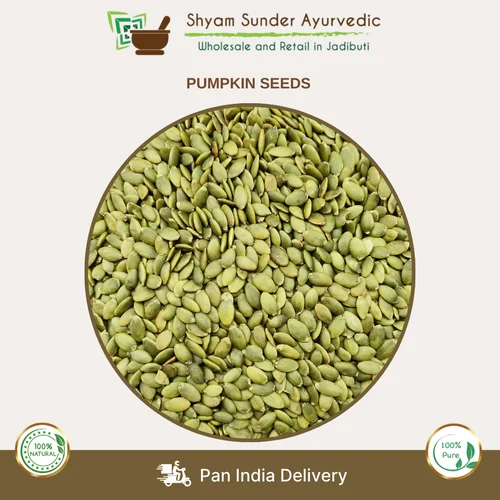
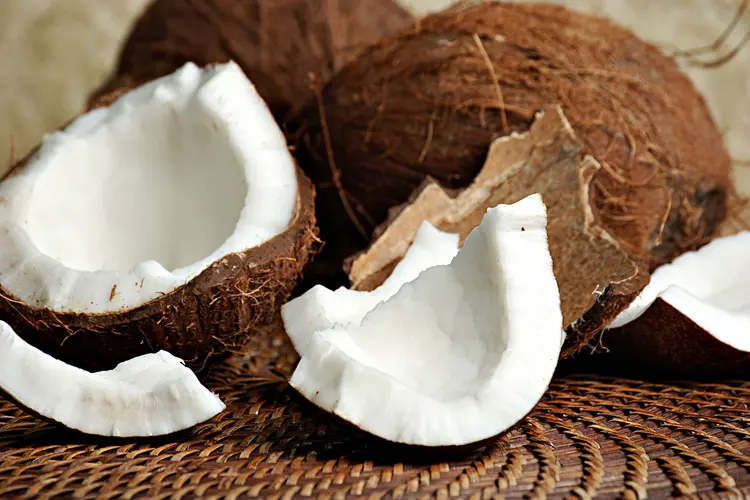
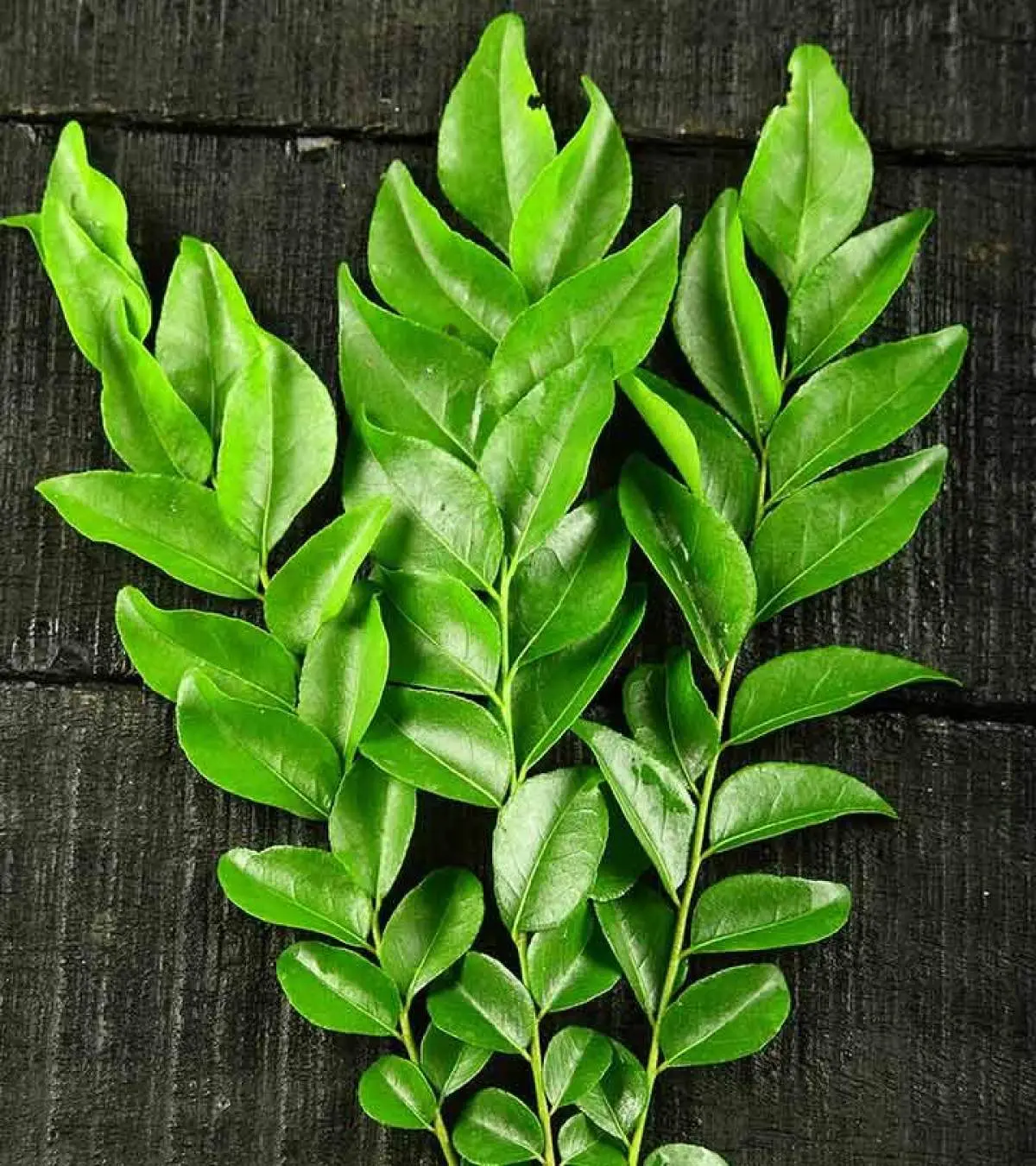
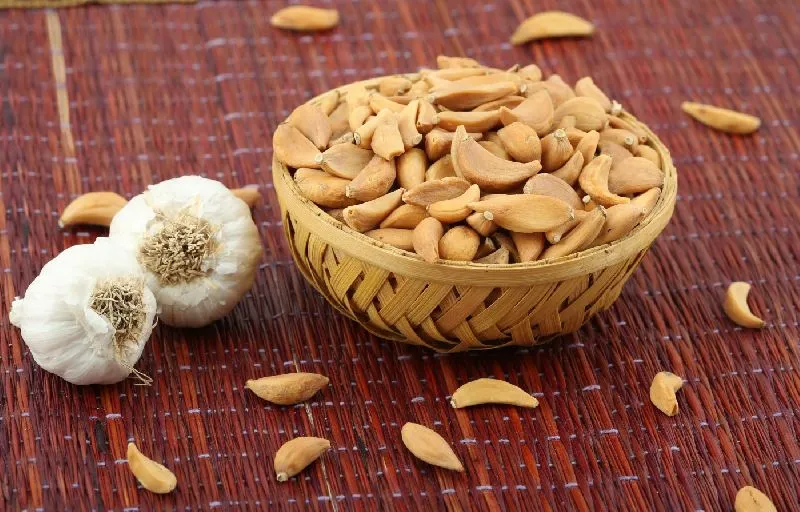
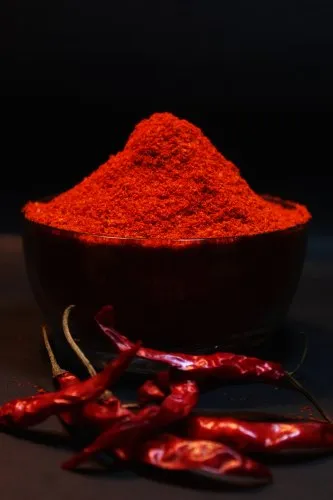
India hosts Di Exports, which currently lists 26 active products across herbal, spice, grain and mineral categories. The catalogue includes items such as whole coconut, fresh curry leaves, raw peanut, finger millet pulp, pearl millet pulp, calcium carbonate limestone, dry ginger powder, Kumbakonam degree coffee, garlic, dry red chilli, banana leaves, ghee‑based sweets and snacks, and a series of powdered herbs and flowers ranging from holy basil to hibiscus.
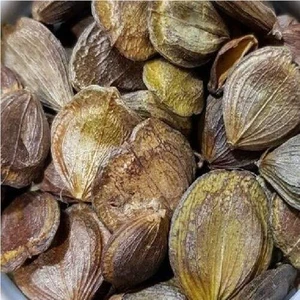
The product list further expands to include specialty powders like Bermuda grass, neem leaves, yellow fruit nightshade, Madras pae pumpkin, swallow wort, Malabar nut, Matura tea tree, satavar, senna leaves, sacred fig seed, rose petals and Indian mallow. Each entry is recorded under its generic category - for example, the millet pulps fall under grain processing, the powders under herbal extracts, and limestone under industrial minerals.
Product Range and Specialties of Di Exports
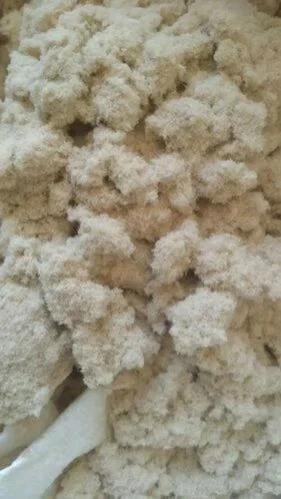
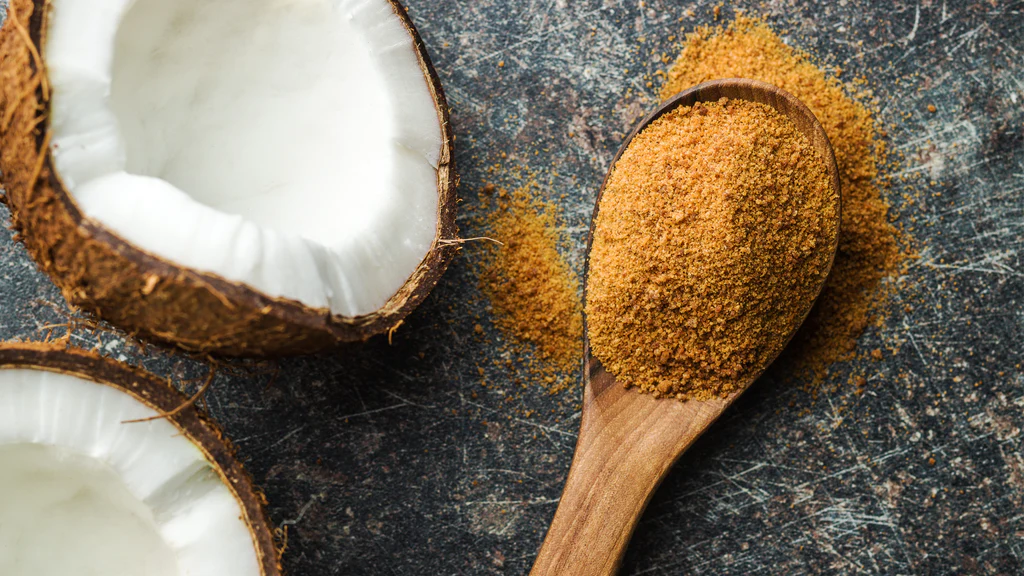
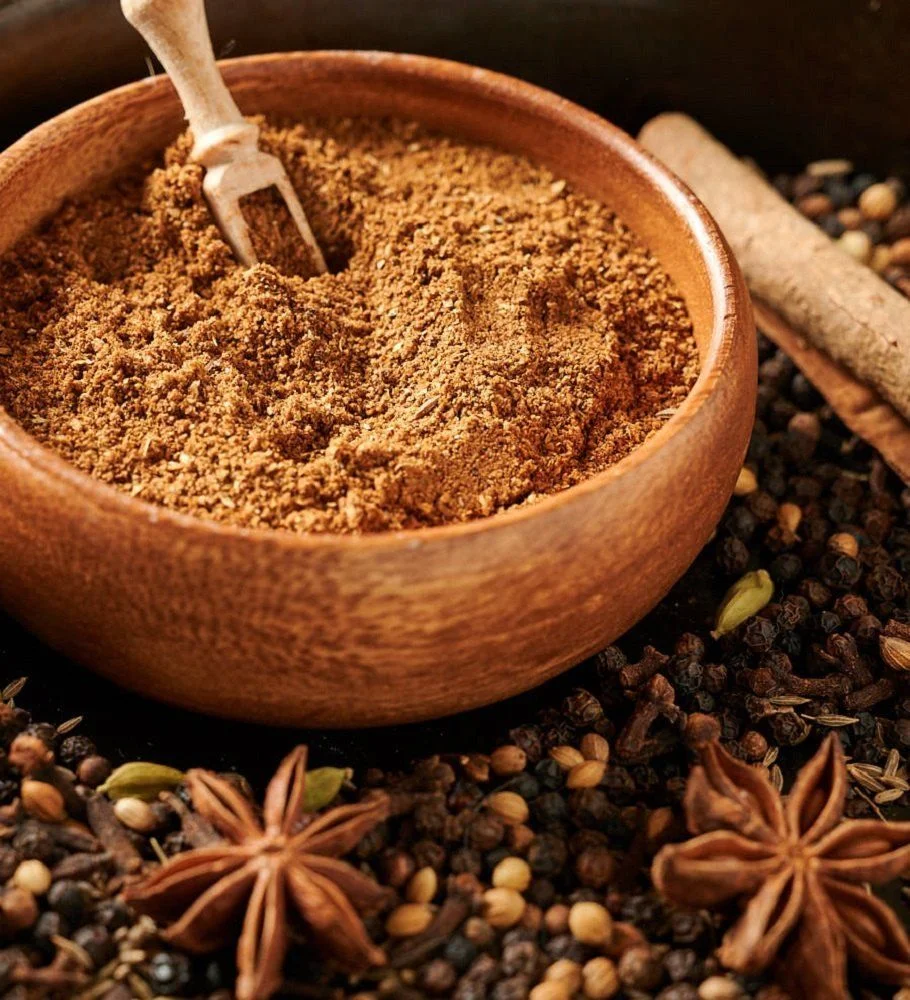
The catalogue covers three broad groups: botanical powders, food‑grade agricultural products and a mineral raw material. In the herbal segment, powders are typically supplied in 25 kg or 50 kg polyethylene bags with moisture content below 10 % and particle size under 500 µm; standard grades such as ICUMSA 45 for ginger or ISO‑9001‑compliant botanical extracts are common in the market. Millet pulps are usually dried to a moisture level of 8‑12 % and graded by fineness, while coconut kernels are exported in husk‑free grade A with oil content around 60 %.
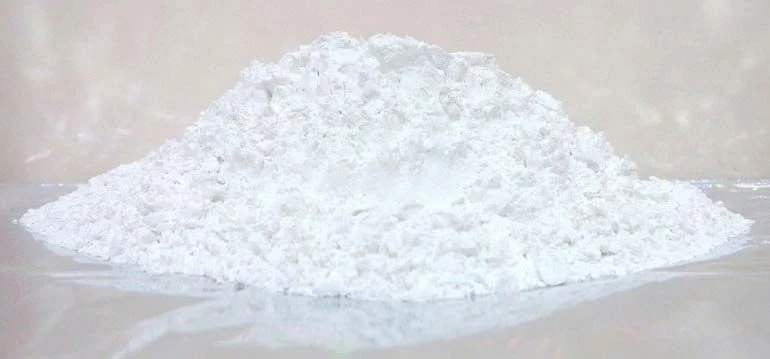
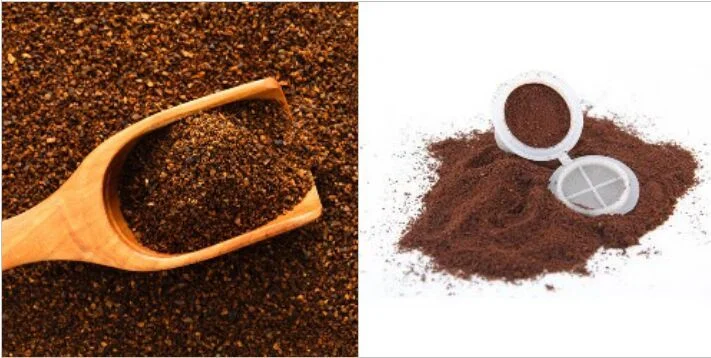
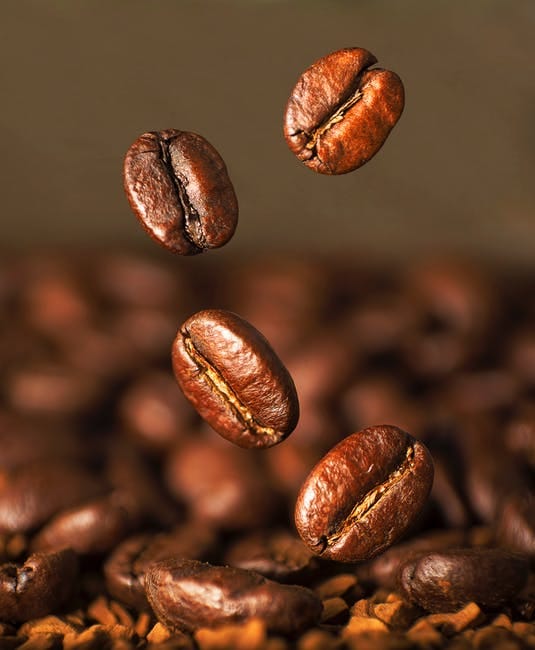
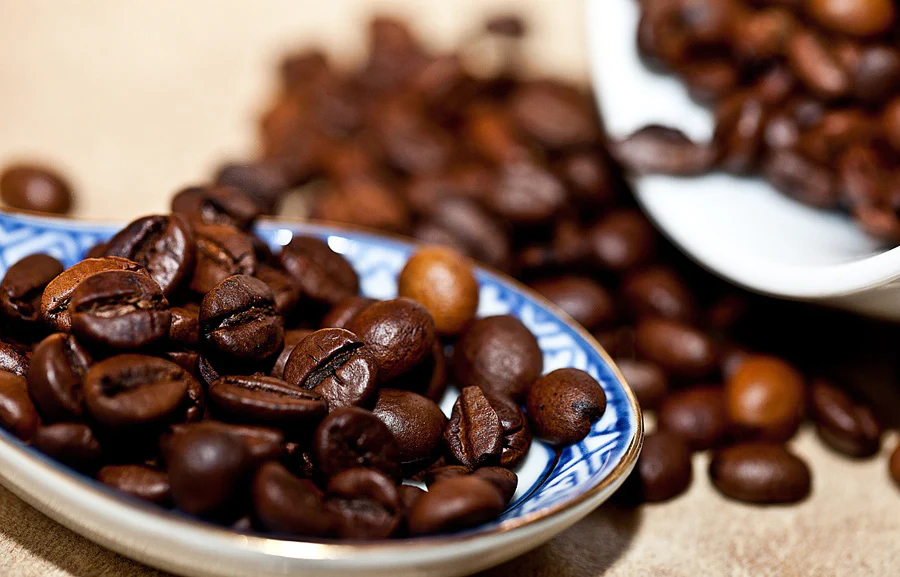
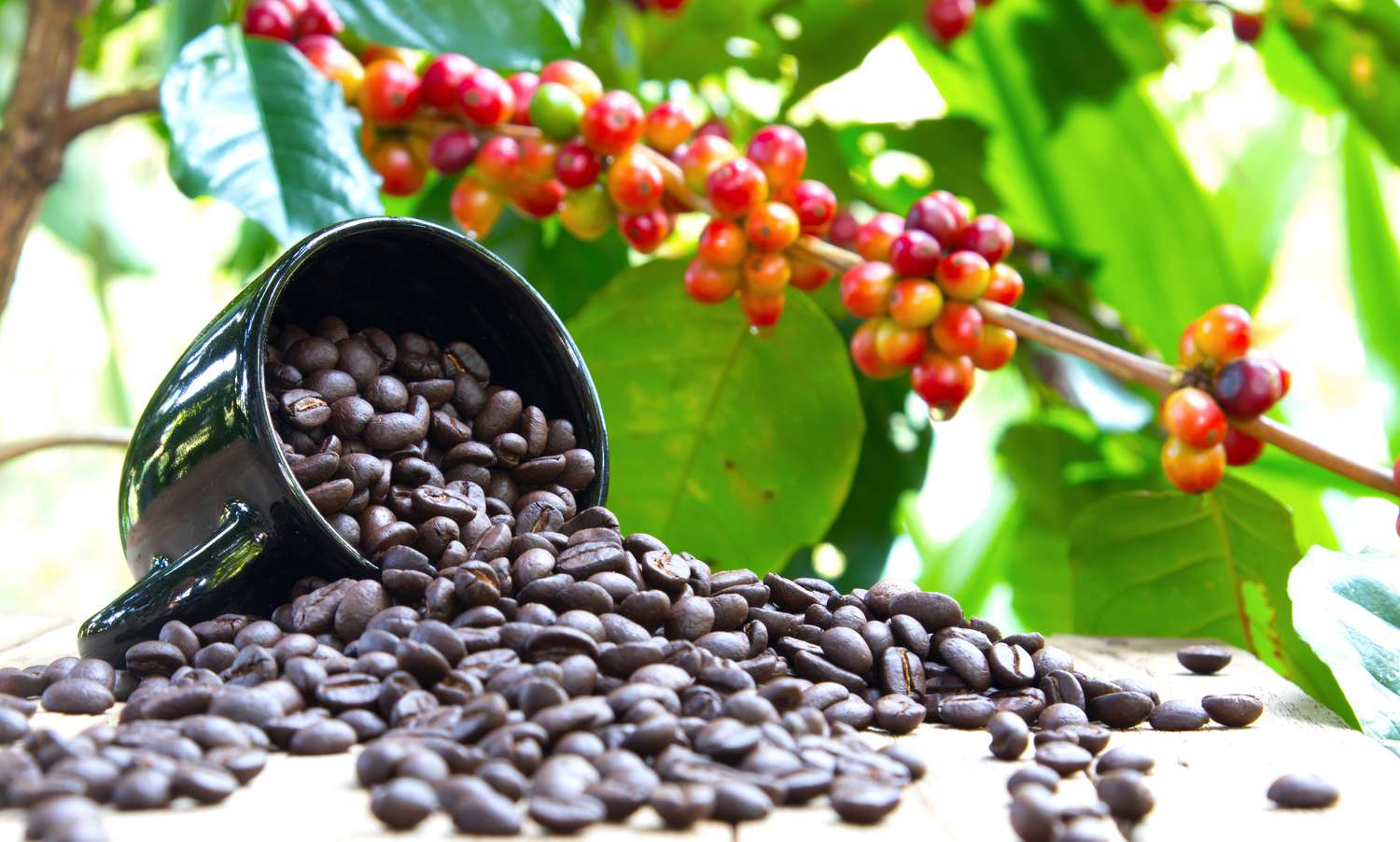
Limestone (calcium carbonate) from India is generally offered with a calcium purity of 95‑99 % and particle size distribution suitable for construction filler or agro‑chemical applications. Coffee listed as Kumbakonam degree is a medium‑roast, ground to a 500‑µm mesh, and commonly shipped in 20 ft containers with inner liner bags to preserve aroma. The ghee sweets and snacks are packaged in vacuum‑sealed poly‑bags, meeting typical food‑contact material standards.
Trade and Export Information - Di Exports
India is a major exporter of spices, herbal powders, millets and industrial minerals, supplying to food processors in the Middle East, Europe and Southeast Asia, as well as to nutraceutical firms in the United States. Buyers of herbal powders usually require phytosanitary certificates, a Certificate of Analysis (CoA) confirming pesticide limits and microbial counts, and often request GMP or ISO‑22000 compliance documentation. Limestone shipments are subject to customs inspection for purity certification and may need a Material Safety Data Sheet (MSDS) for handling.
Typical logistics involve bulk bagging (25 kg or 1 ton) for powders and millets, and 20‑ft or 40‑ft containers with wooden pallets for coconut and coffee. Incoterms such as FOB Chennai or CIF Dubai are frequently used for Indian exporters. Export licences for agricultural products must align with the destination country’s import regulations, and many buyers request a pre‑shipment inspection by an accredited third‑party agency.
Sourcing from Di Exports - Buyer Guidance
When sourcing from Di Exports, request a recent CoA for each botanical powder, specifying moisture, ash, volatile oil content and any pesticide residues. For millet pulps, verify the drying method (sun‑dry vs. spray‑dry) and ask for a particle‑size analysis report. Limestone should be accompanied by a purity assay and a bulk density test to confirm suitability for the intended application.
Samples are typically provided in 500 g to 1 kg quantities; confirm the sample’s packaging matches the final shipment format. Clarify the minimum order quantity (often 500 kg per product) and lead time, which for most items ranges from 30 to 45 days after purchase order confirmation. Ensure that any required certifications - such as ISO 9001, HACCP or organic registration - are presented before finalizing the contract.
Frequently Asked Questions About Di Exports
What product categories does Di Exports list?
The supplier lists herbal and spice powders, coconut, curry leaves, peanut, finger and pearl millet pulps, calcium carbonate limestone, dry ginger, Kumbakonam degree coffee, garlic, dry red chilli, banana leaves, ghee‑based sweets and a range of powdered herbs and flowers.
Are HS codes provided for the products?
The catalogue does not include HS codes; buyers should confirm the appropriate HS chapter during the quotation stage based on the specific product type.
Which certifications should a buyer request?
Typical buyers ask for a Certificate of Analysis, phytosanitary certificate, and any applicable food safety certifications such as ISO‑22000, HACCP, GMP or organic proof, depending on the end‑use.
What are the usual packaging formats?
Herbal powders and millets are usually packed in 25 kg or 50 kg polyethylene bags, limestone in bulk bags of 1 ton, and coconut or coffee in 20‑ft containers with inner liner bags.
What is the typical lead time for orders?
Lead times generally range from 30 to 45 days after order confirmation, with longer periods for products requiring additional processing such as drying or grinding.
Which markets commonly import these Indian products?
Major import markets include the United Arab Emirates, Saudi Arabia, the United Kingdom, Germany, the United States and several Southeast Asian countries, especially for spices, herbal powders and millet derivatives.
How can a buyer verify product quality before full shipment?
Buyers should request sample analysis reports, review the supplier’s recent audit reports, and may arrange a third‑party pre‑shipment inspection to confirm compliance with quality specifications.
What are the standard shipment terms used?
FOB ports on the east coast of India (such as Chennai) and CIF to regional hubs like Dubai are commonly employed for these product categories.




 , India