Dhofar Environmental Safety — Verified Supplier

About Dhofar Environmental Safety - Food Commodities Supplier in Oman

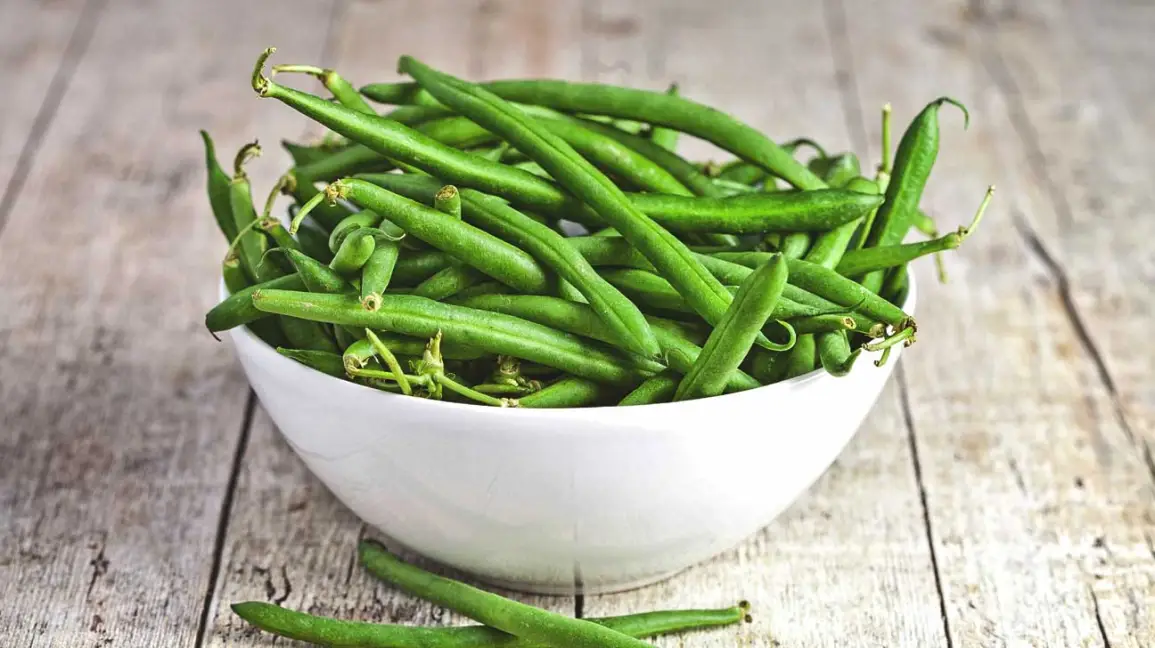
The supplier Dhofar Environmental Safety operates from the Sultanate of Oman and lists 91 distinct food and spice items in its catalogue. Its product set spans spices, various edible salts, rice, beans, lentils, peas, other pulses, essential oils and related agricultural commodities. The catalogue includes items such as black lentil, yellow split peas, burghul, chickpeas, red kidney beans (HS 0713.33), several specialty salts, fenugreek, flax seeds, dried unripe green mangoes and vanilla, among others. Each entry is identified by product name and, where applicable, the HS code and material description are provided.

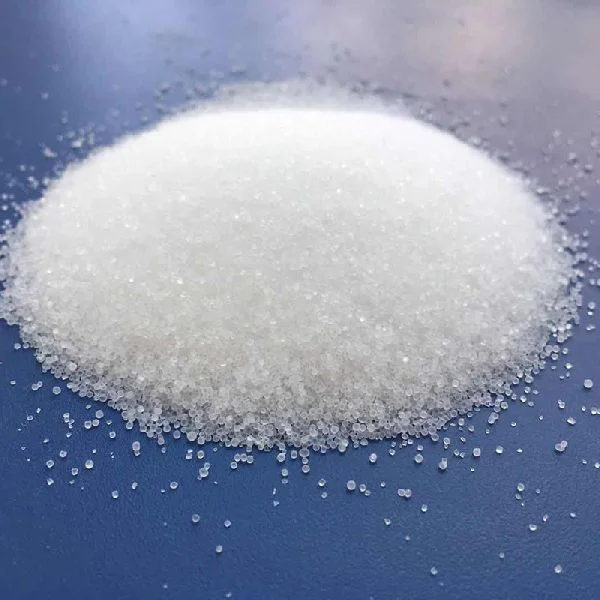
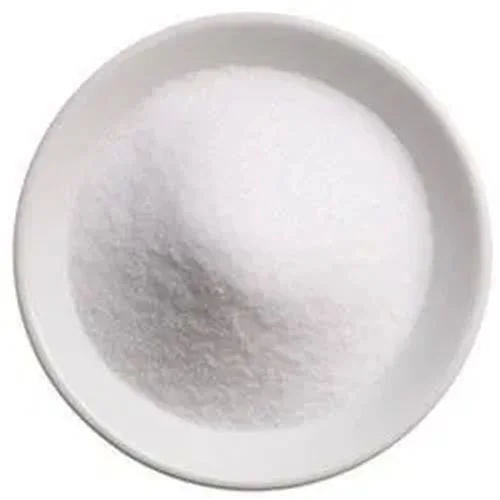
The listed categories reflect typical bulk agricultural and seasoning commodities sourced for food processing, catering and export markets. The inclusion of multiple salt varieties - black kala namak, Himalayan pink, Celtic sea grey, kosher, flake and sea salt - covers both culinary and industrial uses. Pulse products such as black‑eyed beans (HS 0713.35) and fava beans (HS 0713.50) complement the legume range, while spices and essential oils expand the portfolio to flavoring ingredients.

Product Range and Specialties of Dhofar Environmental Safety

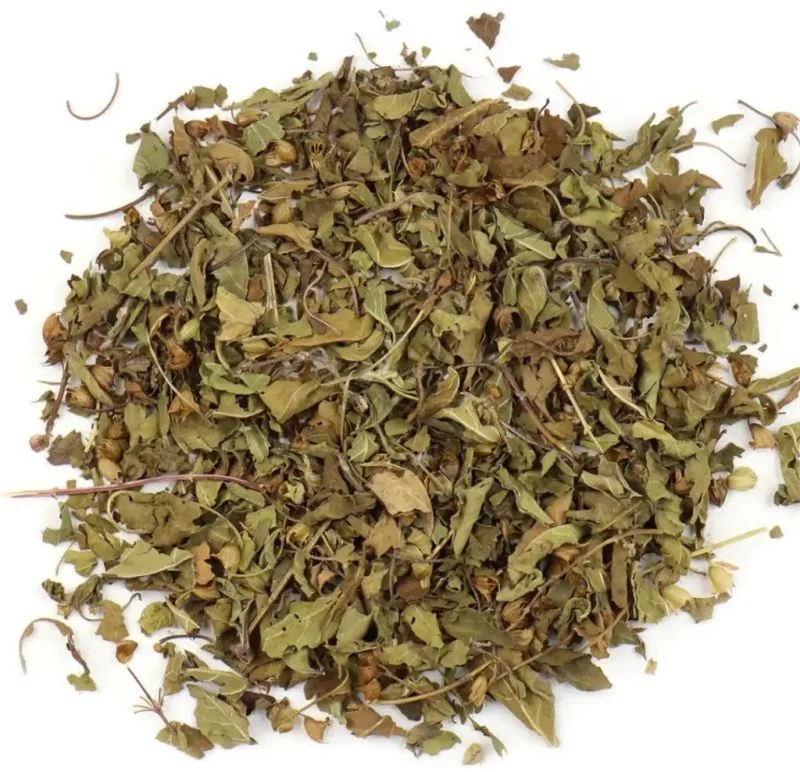
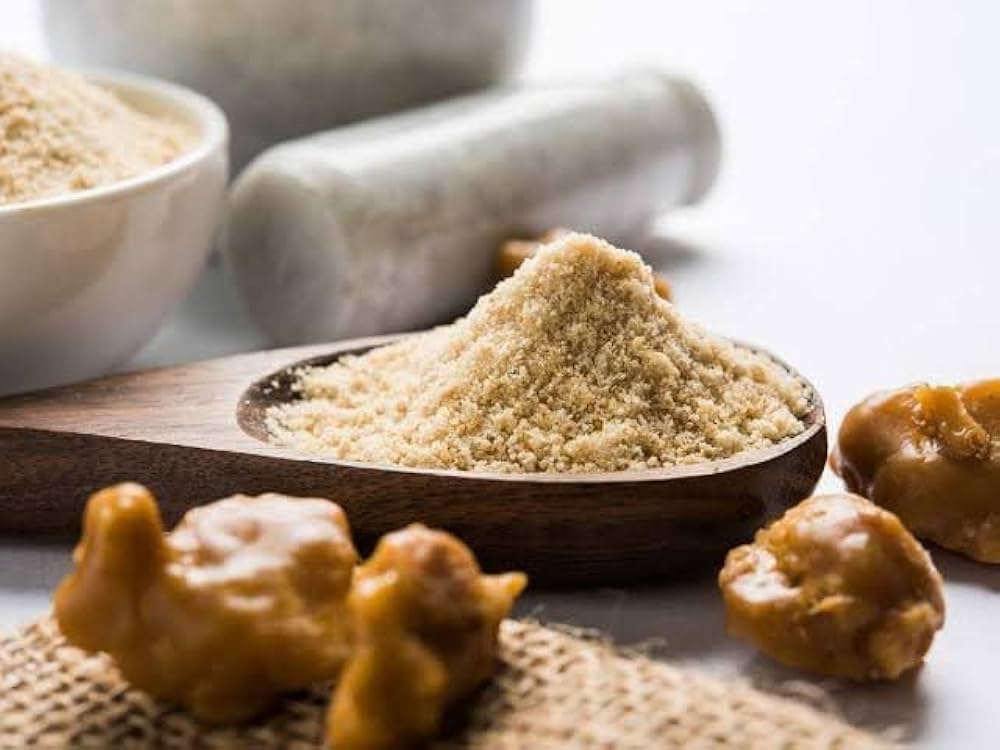
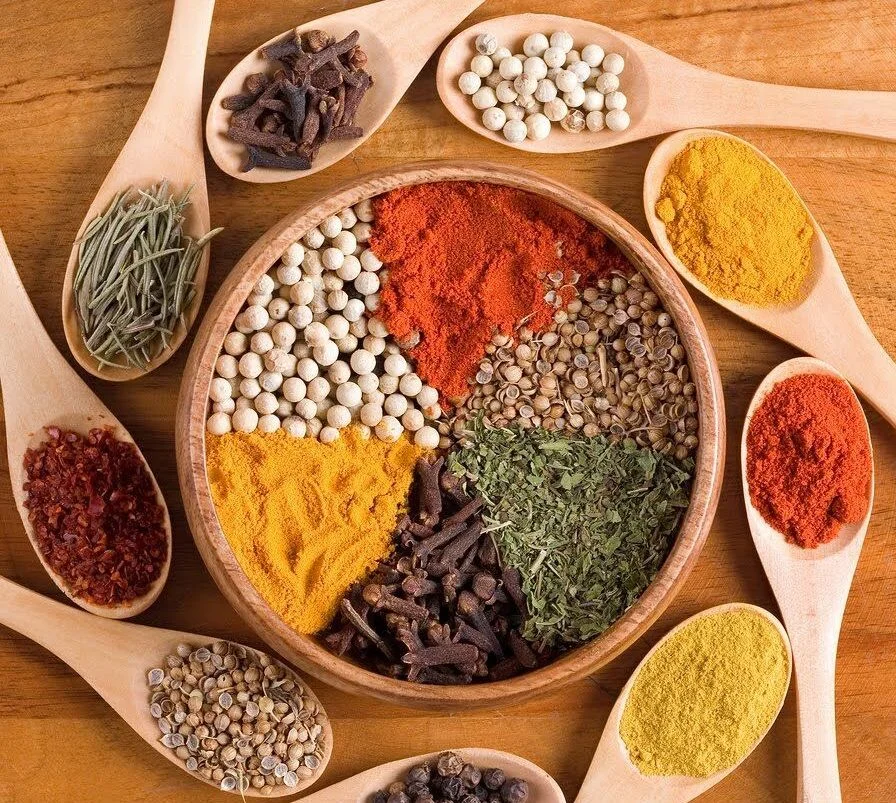
Dhofar Environmental Safety’s catalogue comprises dried legumes (black lentil, chickpeas, red kidney beans, black‑eyed beans, fava beans, yellow split peas, Turkish gram, lentil, pea varieties), specialty salts (iodised, black kala namak, Himalayan pink, Celtic grey, kosher, flake, sea salt, flower‑de‑sel), and selected spices and plant extracts (fenugreek, flax seeds, dried green mangoes, Indian sarsaparilla, vanilla, psyllium, senna leaf). In the global market dried beans and lentils are commonly graded by moisture content (typically ≤12 %), size (2 - 4 mm for lentils) and foreign‑matter limits (≤2 %). Edible salts are evaluated for NaCl purity (≥99 %), moisture (≤0.5 %), and iodine levels for iodised salt (15 - 45 ppm). Spice products are usually classified by essential oil content and microbial limits. These industry standards help buyers compare quality across suppliers.

Trade and Export Information - Dhofar Environmental Safety

Oman’s strategic location on the Arabian Sea makes it a gateway for bulk agricultural exports to the Gulf Cooperation Council, South Asia, the European Union and North America. The HS‑code family 0713 covers dried leguminous vegetables, while 2501 applies to edible salts, and 0904 to spices; customs duties and import controls are tied to these chapters. Typical buyers request certifications such as ISO 22000, HACCP, and phytosanitary certificates, and they often require compliance with EU maximum residue limits or US FDA food safety standards. Bulk shipments are generally packed in food‑grade polypropylene bags (20 - 25 kg) or 1‑ton bulk bags, placed on 20‑ft or 40‑ft containers. Common Incoterms for Omani exporters include FOB Muscat and CIF destination ports, with freight forwarding handled by regional shipping lines.

Sourcing from Dhofar Environmental Safety - Buyer Guidance

When sourcing from Dhofar Environmental Safety, buyers should ask for a current Certificate of Analysis that details moisture, ash, foreign‑matter percentage, size distribution and any relevant contaminant limits (mycotoxins, heavy metals). A phytosanitary certificate confirming pest‑free status is standard for legumes. Verify that the HS code supplied matches the intended customs entry (e.g., 0713.33 for red kidney beans). Request documentation of any food‑safety systems in place (ISO 22000 or HACCP) and confirm packaging material and moisture‑proofing to prevent spoilage during transit. Typical minimum order quantities for bulk legumes range from 5 metric tons, with lead times of 30 - 45 days after order confirmation.

Frequently Asked Questions About Dhofar Environmental Safety

What product categories does Dhofar Environmental Safety offer?

The supplier lists spices, a range of edible salts, rice, beans, lentils, peas, other pulses, essential oils and related agricultural products, totaling 91 SKUs.

How are the salt varieties classified and what specifications are common?

The catalogue includes black kala namak, Himalayan pink, Celtic sea grey, kosher, flake and sea salt. Typical specifications for edible salts are a purity of 99 % NaCl, moisture below 0.5 %, and for iodised salt an iodine content of 15 - 45 ppm. Bulk shipments are usually packed in food‑grade polypropylene bags of 25 kg.

Which legumes have HS codes listed and what do they indicate?

Red kidney beans (HS 0713.33), black‑eyed beans (HS 0713.35) and fava beans (HS 0713.50) are the only items with HS codes in the catalogue. The 0713 chapter covers dried leguminous vegetables, and the sub‑headings differentiate the species for customs duty and statistical purposes.

What standard quality tests should a buyer request for beans and lentils?

Buyers typically ask for a Certificate of Analysis showing moisture ≤12 %, foreign matter ≤2 %, bean size distribution, and mycotoxin limits (aflatoxin < 10 µg/kg). A phytosanitary certificate confirming freedom from pests is also standard for bulk imports.

Which packaging formats are common for the listed pulses and salts?

Pulses such as chickpeas, lentils and split peas are normally packed in 25 kg polypropylene bags or 1 ton bulk bags, while bulk salts are shipped in 20 kg or 25 kg bags, often sealed in moisture‑proof liners for ocean freight.

What Incoterms are typically used for shipments from Oman?

Exporters from Oman frequently quote FOB Muscat or CIF destination ports; the choice depends on the buyer’s logistics preferences and the need for freight insurance.

What documentation should a first‑time buyer obtain before placing an order?

Request a full product specification sheet, the latest Certificate of Analysis, a phytosanitary certificate, and, where applicable, an ISO 22000 or HACCP compliance statement. Confirm the HS code matches the intended customs entry and verify packaging details.


Featured Products from this Supplier

Other Suppliers in Primary Category

Top Trusted Suppliers

Related Products

Trending in Parent Category

More Suppliers in Category

Related Products

Other Suppliers

EximNext
58.4K+ live requirements
Register Free🎁 5 free buy-lead credits
Post Requirement
🌍 Trusted by 224.4K+ businesses in 200+ countries|
58.4K+ active requirements right now
✉️ [email protected]
|
Sell on EximNextPost Requirement
EximNext
AgricultureApparelConstructionElectronicFoodHomeIndustrialMineralsMiscellaneous
🔥 Deals|✨ AI Match|🏭 Suppliers|📋 Buy Leads|💰 Trade Finance|⭐ Upgrade
58.4K+ live RFQs·194.4K+ suppliers
🎁 5 free credits →
EximNext
EximNext
Register Free
🎁 5 free buy-lead credits
Sign In
📋Post Requirement💬Get QuotesAI Match📋RFQ Marketplace
All Categories
Services & Tools
🏭Supplier Directory🔥Today's Deals💰Trade FinanceMembership
Sell on EximNext
AboutContactBlogHelp
🏭

Dhofar Environmental Safety

Harbor
Country flag , Oman
🛡️
77/100
Trust Score

Dhofar Environmental Safety Product Catalog

Showing 12 of 91 products
View all products →
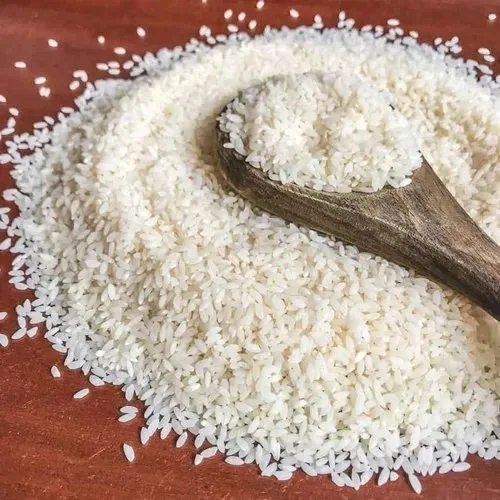
Sona Masuri
Harbor
Sona Masuri
Contact
MOQ: 1 Unit
Matta Rice
Harbor
Matta Rice
Contact
MOQ: 1 Unit
Super Kernal
Harbor
Super Kernal
Contact
MOQ: 1 Unit
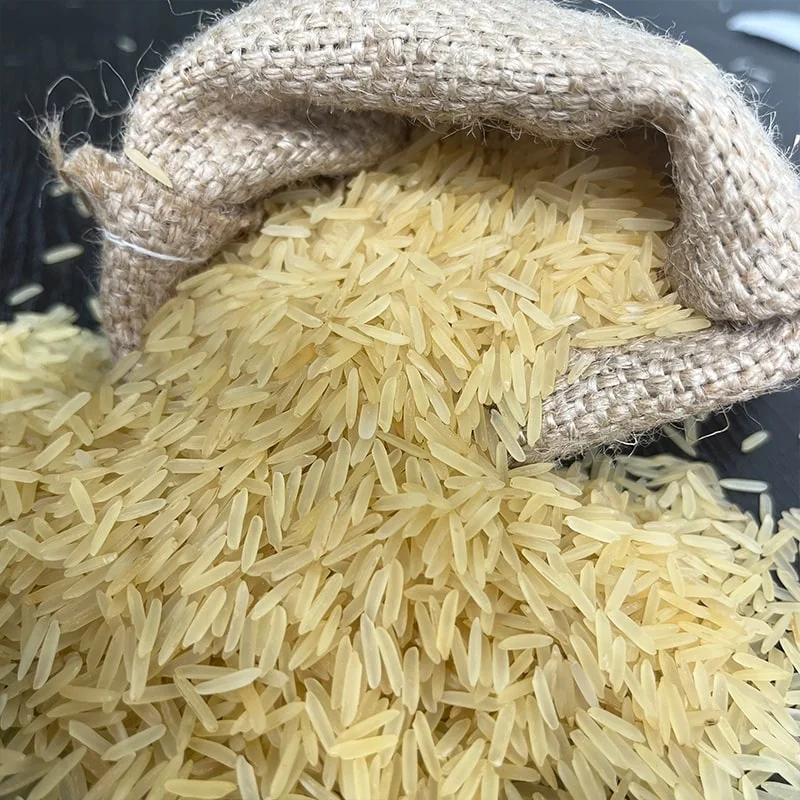
1121 Steam Basmati
Harbor
1121 Steam Basmati
Contact
MOQ: 1 Unit
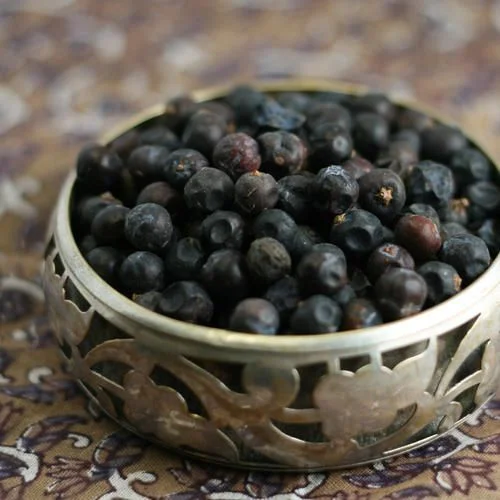
Goose Berry
Harbor
Goose Berry
Contact
MOQ: 1 Unit
Sesame
Harbor
Sesame
Contact
MOQ: 1 Unit
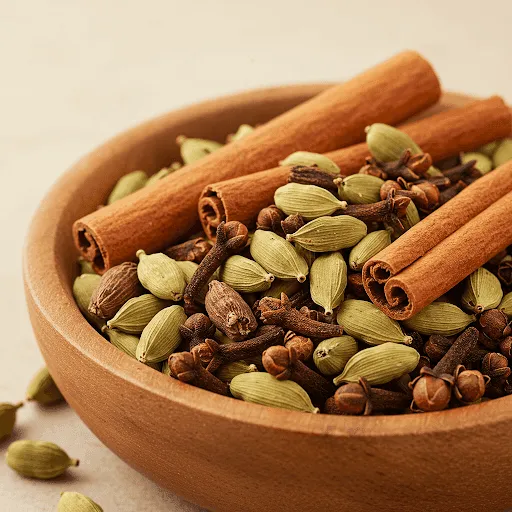
Cardamom
Harbor
Cardamom
Contact
MOQ: 1 Unit
Garlic
Harbor
Garlic
Contact
MOQ: 1 Unit
Ginger
Harbor
Ginger
Contact
MOQ: 1 Unit
Turmeric
Harbor
Turmeric
Contact
MOQ: 1 Unit
Chilli - Red
Harbor
Chilli - Red
Contact
MOQ: 1 Unit
Pepper
Harbor
Pepper
Contact
MOQ: 1 Unit

About Dhofar Environmental Safety - Food Commodities Supplier in Oman

The supplier Dhofar Environmental Safety operates from the Sultanate of Oman and lists 91 distinct food and spice items in its catalogue. Its product set spans spices, various edible salts, rice, beans, lentils, peas, other pulses, essential oils and related agricultural commodities. The catalogue includes items such as black lentil, yellow split peas, burghul, chickpeas, red kidney beans (HS 0713.33), several specialty salts, fenugreek, flax seeds, dried unripe green mangoes and vanilla, among others. Each entry is identified by product name and, where applicable, the HS code and material description are provided.

The listed categories reflect typical bulk agricultural and seasoning commodities sourced for food processing, catering and export markets. The inclusion of multiple salt varieties - black kala namak, Himalayan pink, Celtic sea grey, kosher, flake and sea salt - covers both culinary and industrial uses. Pulse products such as black‑eyed beans (HS 0713.35) and fava beans (HS 0713.50) complement the legume range, while spices and essential oils expand the portfolio to flavoring ingredients.

Product Range and Specialties of Dhofar Environmental Safety

Dhofar Environmental Safety’s catalogue comprises dried legumes (black lentil, chickpeas, red kidney beans, black‑eyed beans, fava beans, yellow split peas, Turkish gram, lentil, pea varieties), specialty salts (iodised, black kala namak, Himalayan pink, Celtic grey, kosher, flake, sea salt, flower‑de‑sel), and selected spices and plant extracts (fenugreek, flax seeds, dried green mangoes, Indian sarsaparilla, vanilla, psyllium, senna leaf). In the global market dried beans and lentils are commonly graded by moisture content (typically ≤12 %), size (2 - 4 mm for lentils) and foreign‑matter limits (≤2 %). Edible salts are evaluated for NaCl purity (≥99 %), moisture (≤0.5 %), and iodine levels for iodised salt (15 - 45 ppm). Spice products are usually classified by essential oil content and microbial limits. These industry standards help buyers compare quality across suppliers.

Trade and Export Information - Dhofar Environmental Safety

Oman’s strategic location on the Arabian Sea makes it a gateway for bulk agricultural exports to the Gulf Cooperation Council, South Asia, the European Union and North America. The HS‑code family 0713 covers dried leguminous vegetables, while 2501 applies to edible salts, and 0904 to spices; customs duties and import controls are tied to these chapters. Typical buyers request certifications such as ISO 22000, HACCP, and phytosanitary certificates, and they often require compliance with EU maximum residue limits or US FDA food safety standards. Bulk shipments are generally packed in food‑grade polypropylene bags (20 - 25 kg) or 1‑ton bulk bags, placed on 20‑ft or 40‑ft containers. Common Incoterms for Omani exporters include FOB Muscat and CIF destination ports, with freight forwarding handled by regional shipping lines.

Sourcing from Dhofar Environmental Safety - Buyer Guidance

When sourcing from Dhofar Environmental Safety, buyers should ask for a current Certificate of Analysis that details moisture, ash, foreign‑matter percentage, size distribution and any relevant contaminant limits (mycotoxins, heavy metals). A phytosanitary certificate confirming pest‑free status is standard for legumes. Verify that the HS code supplied matches the intended customs entry (e.g., 0713.33 for red kidney beans). Request documentation of any food‑safety systems in place (ISO 22000 or HACCP) and confirm packaging material and moisture‑proofing to prevent spoilage during transit. Typical minimum order quantities for bulk legumes range from 5 metric tons, with lead times of 30 - 45 days after order confirmation.

Frequently Asked Questions About Dhofar Environmental Safety

What product categories does Dhofar Environmental Safety offer?

The supplier lists spices, a range of edible salts, rice, beans, lentils, peas, other pulses, essential oils and related agricultural products, totaling 91 SKUs.

How are the salt varieties classified and what specifications are common?

The catalogue includes black kala namak, Himalayan pink, Celtic sea grey, kosher, flake and sea salt. Typical specifications for edible salts are a purity of 99 % NaCl, moisture below 0.5 %, and for iodised salt an iodine content of 15 - 45 ppm. Bulk shipments are usually packed in food‑grade polypropylene bags of 25 kg.

Which legumes have HS codes listed and what do they indicate?

Red kidney beans (HS 0713.33), black‑eyed beans (HS 0713.35) and fava beans (HS 0713.50) are the only items with HS codes in the catalogue. The 0713 chapter covers dried leguminous vegetables, and the sub‑headings differentiate the species for customs duty and statistical purposes.

What standard quality tests should a buyer request for beans and lentils?

Buyers typically ask for a Certificate of Analysis showing moisture ≤12 %, foreign matter ≤2 %, bean size distribution, and mycotoxin limits (aflatoxin < 10 µg/kg). A phytosanitary certificate confirming freedom from pests is also standard for bulk imports.

Which packaging formats are common for the listed pulses and salts?

Pulses such as chickpeas, lentils and split peas are normally packed in 25 kg polypropylene bags or 1 ton bulk bags, while bulk salts are shipped in 20 kg or 25 kg bags, often sealed in moisture‑proof liners for ocean freight.

What Incoterms are typically used for shipments from Oman?

Exporters from Oman frequently quote FOB Muscat or CIF destination ports; the choice depends on the buyer’s logistics preferences and the need for freight insurance.

What documentation should a first‑time buyer obtain before placing an order?

Request a full product specification sheet, the latest Certificate of Analysis, a phytosanitary certificate, and, where applicable, an ISO 22000 or HACCP compliance statement. Confirm the HS code matches the intended customs entry and verify packaging details.

About Dhofar Environmental Safety - Food Commodities Supplier in Oman

The supplier Dhofar Environmental Safety operates from the Sultanate of Oman and lists 91 distinct food and spice items in its catalogue. Its product set spans spices, various edible salts, rice, beans, lentils, peas, other pulses, essential oils and related agricultural commodities. The catalogue includes items such as black lentil, yellow split peas, burghul, chickpeas, red kidney beans (HS 0713.33), several specialty salts, fenugreek, flax seeds, dried unripe green mangoes and vanilla, among others. Each entry is identified by product name and, where applicable, the HS code and material description are provided.

The listed categories reflect typical bulk agricultural and seasoning commodities sourced for food processing, catering and export markets. The inclusion of multiple salt varieties - black kala namak, Himalayan pink, Celtic sea grey, kosher, flake and sea salt - covers both culinary and industrial uses. Pulse products such as black‑eyed beans (HS 0713.35) and fava beans (HS 0713.50) complement the legume range, while spices and essential oils expand the portfolio to flavoring ingredients.

Product Range and Specialties of Dhofar Environmental Safety

Dhofar Environmental Safety’s catalogue comprises dried legumes (black lentil, chickpeas, red kidney beans, black‑eyed beans, fava beans, yellow split peas, Turkish gram, lentil, pea varieties), specialty salts (iodised, black kala namak, Himalayan pink, Celtic grey, kosher, flake, sea salt, flower‑de‑sel), and selected spices and plant extracts (fenugreek, flax seeds, dried green mangoes, Indian sarsaparilla, vanilla, psyllium, senna leaf). In the global market dried beans and lentils are commonly graded by moisture content (typically ≤12 %), size (2 - 4 mm for lentils) and foreign‑matter limits (≤2 %). Edible salts are evaluated for NaCl purity (≥99 %), moisture (≤0.5 %), and iodine levels for iodised salt (15 - 45 ppm). Spice products are usually classified by essential oil content and microbial limits. These industry standards help buyers compare quality across suppliers.

Trade and Export Information - Dhofar Environmental Safety

Oman’s strategic location on the Arabian Sea makes it a gateway for bulk agricultural exports to the Gulf Cooperation Council, South Asia, the European Union and North America. The HS‑code family 0713 covers dried leguminous vegetables, while 2501 applies to edible salts, and 0904 to spices; customs duties and import controls are tied to these chapters. Typical buyers request certifications such as ISO 22000, HACCP, and phytosanitary certificates, and they often require compliance with EU maximum residue limits or US FDA food safety standards. Bulk shipments are generally packed in food‑grade polypropylene bags (20 - 25 kg) or 1‑ton bulk bags, placed on 20‑ft or 40‑ft containers. Common Incoterms for Omani exporters include FOB Muscat and CIF destination ports, with freight forwarding handled by regional shipping lines.

Sourcing from Dhofar Environmental Safety - Buyer Guidance

When sourcing from Dhofar Environmental Safety, buyers should ask for a current Certificate of Analysis that details moisture, ash, foreign‑matter percentage, size distribution and any relevant contaminant limits (mycotoxins, heavy metals). A phytosanitary certificate confirming pest‑free status is standard for legumes. Verify that the HS code supplied matches the intended customs entry (e.g., 0713.33 for red kidney beans). Request documentation of any food‑safety systems in place (ISO 22000 or HACCP) and confirm packaging material and moisture‑proofing to prevent spoilage during transit. Typical minimum order quantities for bulk legumes range from 5 metric tons, with lead times of 30 - 45 days after order confirmation.

Frequently Asked Questions About Dhofar Environmental Safety
What product categories does Dhofar Environmental Safety offer?
The supplier lists spices, a range of edible salts, rice, beans, lentils, peas, other pulses, essential oils and related agricultural products, totaling 91 SKUs.
How are the salt varieties classified and what specifications are common?
The catalogue includes black kala namak, Himalayan pink, Celtic sea grey, kosher, flake and sea salt. Typical specifications for edible salts are a purity of 99 % NaCl, moisture below 0.5 %, and for iodised salt an iodine content of 15 - 45 ppm. Bulk shipments are usually packed in food‑grade polypropylene bags of 25 kg.
Which legumes have HS codes listed and what do they indicate?
Red kidney beans (HS 0713.33), black‑eyed beans (HS 0713.35) and fava beans (HS 0713.50) are the only items with HS codes in the catalogue. The 0713 chapter covers dried leguminous vegetables, and the sub‑headings differentiate the species for customs duty and statistical purposes.
What standard quality tests should a buyer request for beans and lentils?
Buyers typically ask for a Certificate of Analysis showing moisture ≤12 %, foreign matter ≤2 %, bean size distribution, and mycotoxin limits (aflatoxin < 10 µg/kg). A phytosanitary certificate confirming freedom from pests is also standard for bulk imports.
Which packaging formats are common for the listed pulses and salts?
Pulses such as chickpeas, lentils and split peas are normally packed in 25 kg polypropylene bags or 1 ton bulk bags, while bulk salts are shipped in 20 kg or 25 kg bags, often sealed in moisture‑proof liners for ocean freight.
What Incoterms are typically used for shipments from Oman?
Exporters from Oman frequently quote FOB Muscat or CIF destination ports; the choice depends on the buyer’s logistics preferences and the need for freight insurance.
What documentation should a first‑time buyer obtain before placing an order?
Request a full product specification sheet, the latest Certificate of Analysis, a phytosanitary certificate, and, where applicable, an ISO 22000 or HACCP compliance statement. Confirm the HS code matches the intended customs entry and verify packaging details.

🏭
Dhofar Environmental Safety
Country flag , Oman
Harbor
77/100
Trust Score
📦
91
Products
Free to contact — no commission
Escrow payment available
Verified business identity
Compare more suppliers
Post a requirement — get 10 quotes free
Let verified suppliers compete for your business. Free, fast, no commitment.
EximNext Verified Supplier
Business identity verified
Physical address confirmed
Financial history checked
Certifications authenticated
Trade references validated
Due Diligence
Verify this supplier's real shipping history.
Every shipment, every buyer, every port. Trade data that can't be faked.
Run due diligence →
Discover More

Related Suppliers & Products

Explore similar suppliers, related products and trending categories

Featured Products from this Supplier

Other Suppliers in Primary Category

Top Trusted Suppliers

Related Products

Trending in Parent Category

More Suppliers in Category

Stay ahead in global trade
Weekly market insights & new supplier alerts.
EximNext
Exim Next is a leading global B2B marketplace, connecting over 205,000 verified suppliers and buyers across 200+ countries. As a trusted import export marketplace, it serves as the essential B2B portal for businesses worldwide, empowering them to expand their international reach. With Exim Next, businesses can trade smarter and grow faster.
SECURE PAYMENTS
VISAMastercardPayPalSWIFTL/CEscrow
Follow us
© 2026 EximNext