Agriculture›
 Apparel and fashion accessories›
 Construction & real estate›💡Electronic & Electrical›🍎Food & Beverages›🛋️Home furnishing & supplies›⚗️Industrial goods & chemical›🪨Minerals & metals›📦Miscellaneous›Agriculture›Apparel and fashion accessories›Construction & real estate›💡Electronic & Electrical›🍎Food & Beverages›🛋️Home furnishing & supplies›⚗️Industrial goods & chemical›🪨Minerals & metals›📦Miscellaneous›
Dheera Agro Trading Company
⚓ Harbor , IndiaNew supplier / no reviews yet
Dheera Agro Trading Company Product Catalog



About Dheera Agro Trading Company - Grams Supplier in India
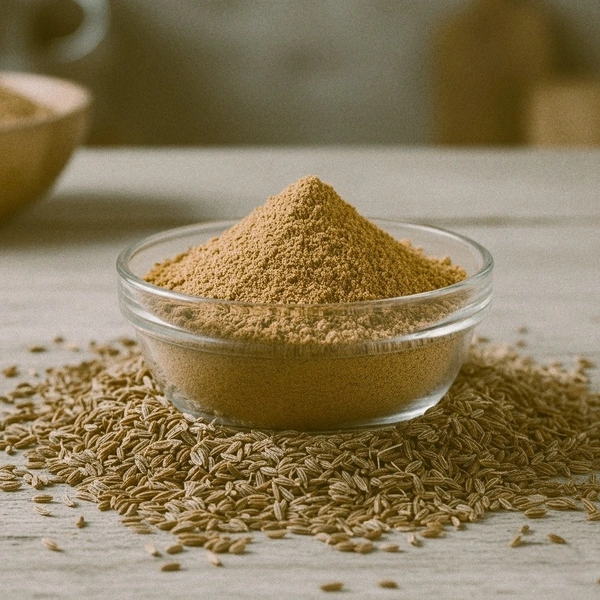
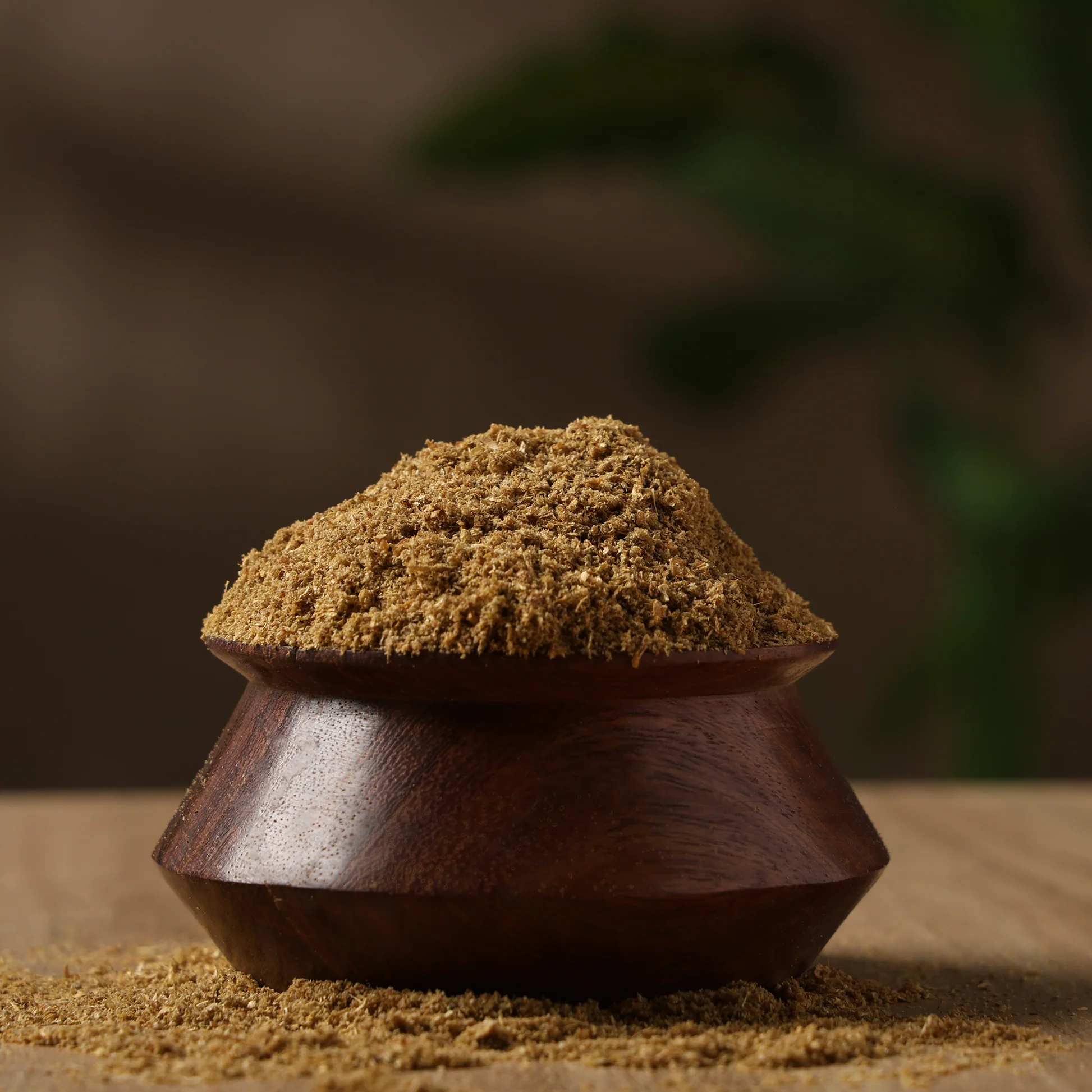
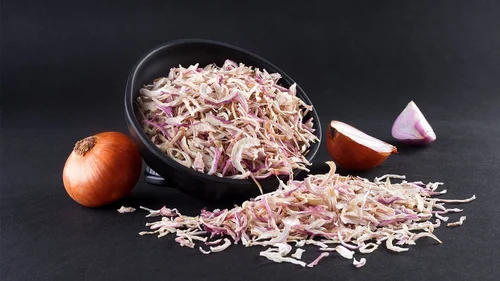
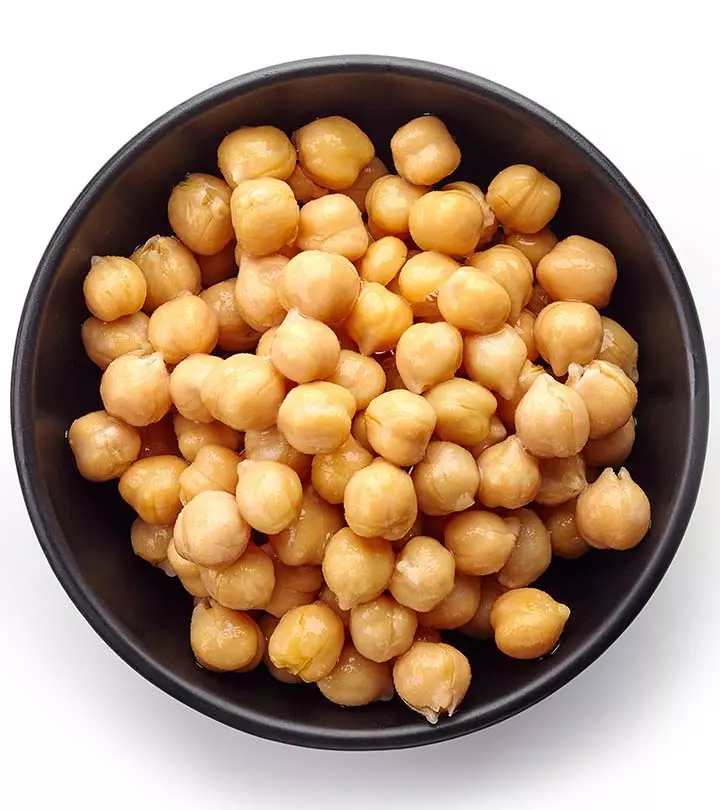
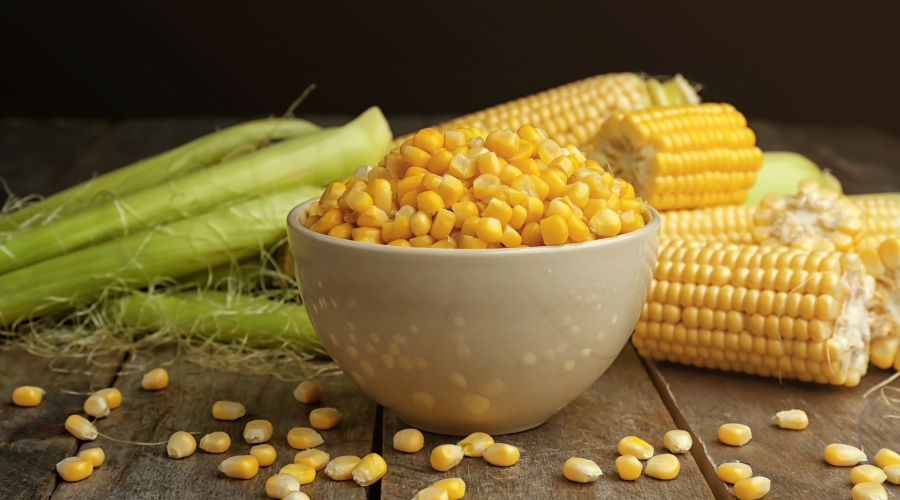
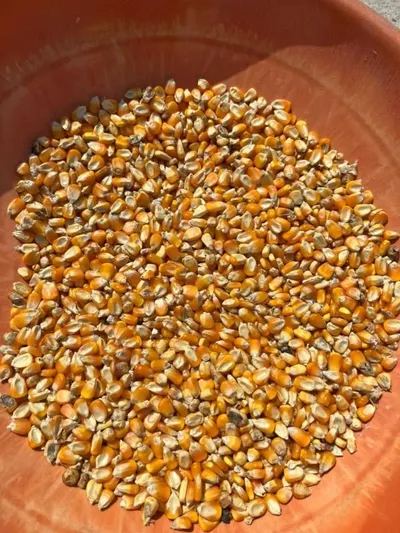
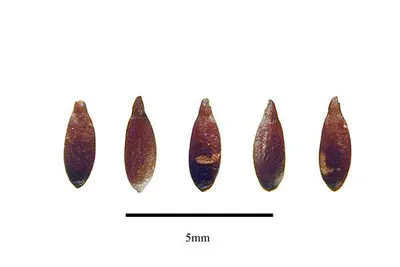
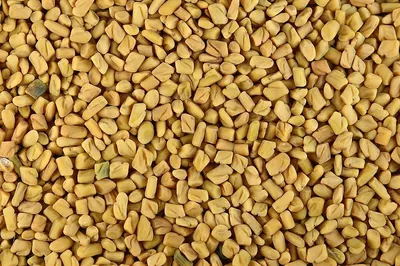
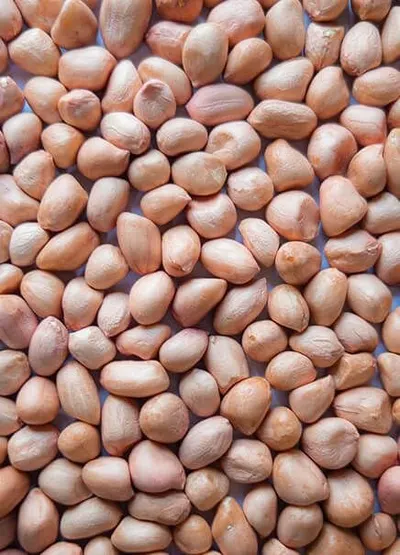
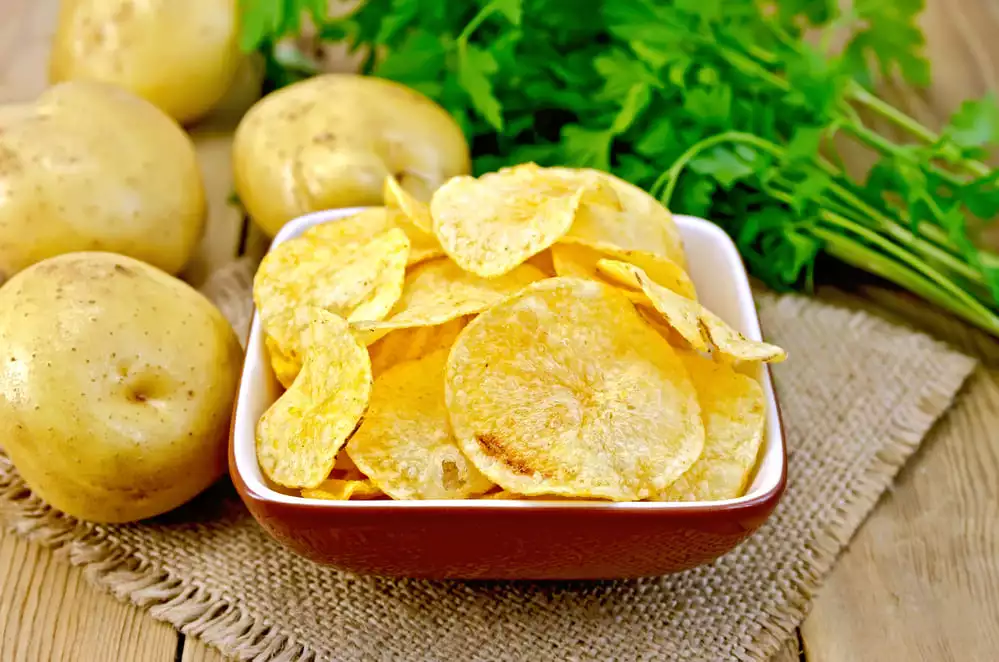
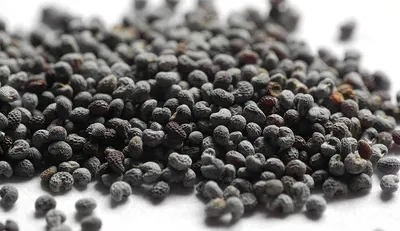
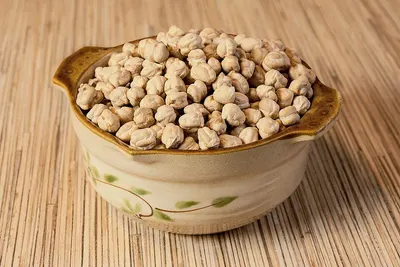
India lists an active product count of 11 for Dheera Agro Trading Company. The catalogue covers a variety of pulses, cereals, oil‑seeds and vegetables, including black gram (Urad), white Kabuli chickpeas, yellow maize, green millet, sorghum seed, cumin seed, fenugreek seed, whole coriander, peanuts, potatoes and onions. These commodities are normally classified under HS chapters 07 (edible vegetables), 10 (cereals), 12 (oil‑seeds) and 13 (leguminous crops). The supplier groups the items into categories such as Grams, Chickpeas, Maize, Millet, Agriculture Seeds and Spices, matching the product names in the catalogue.
The listed products represent standard Indian agricultural outputs. Black gram (Vigna mungo) is a common pulse with protein content around 22 %, while Kabuli chickpeas are large, light‑coloured beans used for hummus and salads. Yellow maize is typically of the dent type with moisture below 14 % for safe storage. Millet and sorghum seeds are drought‑tolerant cereals with grain sizes between 2 - 4 mm. Spice seeds such as cumin, fenugreek and coriander are sold whole and are evaluated for essential‑oil content and microbial limits. Peanuts and the fresh vegetables (potato, onion) follow typical Indian export quality parameters for moisture, foreign matter and pesticide residues.
Product Range and Specialties of Dheera Agro Trading Company
The catalogue lists eleven distinct products, each falling into well‑defined commodity groups. Pulses (black gram, white chickpeas) are usually exported in 25 kg polypropylene bags or bulk 1‑ton containers, with grade A specifications requiring moisture ≤13 % and foreign matter ≤2 %. Cereal grains (yellow maize, green millet, sorghum seed) are shipped in 1‑ton bulk bags or 20‑ft containers, with standard moisture limits of 14 % and broken grain ≤5 %. The spice seeds (cumin, fenugreek, coriander) are commonly graded by oil content (cumin ≥1.5 % essential oil) and must meet microbiological limits such as total aerobic count ≤10 000 cfu/g. Peanuts are exported as shelled kernels with aflatoxin limits of ≤10 µg/kg. Fresh vegetables (potato, onion) are packed in ventilated cartons or mesh bags, with post‑harvest moisture controlled below 80 % to prevent sprouting.
Frequently Asked Questions About Dheera Agro Trading Company
What product categories does Dheera Agro Trading Company list?
The supplier lists eleven products covering pulses (black gram, white Kabuli chickpeas), cereals (yellow maize, green millet, sorghum seed), oil‑seeds (peanuts), spices (cumin, fenugreek, coriander) and fresh vegetables (potato, onion).
Which HS code families are relevant for these goods?
Typical HS chapters are 07 for vegetables, 10 for cereals, 12 for oil‑seeds, and 13 for leguminous crops, with specific sub‑headings such as 1207 for beans and 0905 for spices.
What quality parameters are standard for the pulses offered?
Grade A pulses generally require moisture ≤13 %, foreign matter ≤2 %, protein content around 20 % for black gram and 21 % for chickpeas, and compliance with pesticide residue limits set by the importing country.
Which certifications should a buyer request for Indian spice exports?
Buyers commonly request ISO 22000 or FSSC 22000 certification, HACCP compliance, and a certificate of analysis showing essential‑oil content and microbiological limits for cumin, fenugreek and coriander.
What packaging is typical for the cereal grains?
Cereal grains such as maize, millet and sorghum are usually packed in export‑grade 1‑ton polypropylene bulk bags or loaded directly into 20‑ft containers, sealed to maintain moisture below 14 %.
IndiaRelated Suppliers & Products
Explore similar suppliers, related products and trending categories