Debangshi Enterprises — Verified Supplier

About Debangshi Enterprises - Agriculture Supplier in India

India-based Debangshi Enterprises lists fifteen active products across agriculture, fruits, rice and fresh vegetables. The catalogue includes fresh vegetables, mango, fresh lychee, fresh papaya, fresh jackfruit, okra/gombo, betel leaf, and brtel leaf, as well as animal protein such as halal chicken and catfish. Grain offerings comprise two entries for IR64 rice, and non‑food items include jute fibre and aluminum scrap. All items are presented under the imported supplier tier with a harbor trust rating.

The product set reflects typical Indian export commodities. Fresh produce is generally harvested for export during peak seasons and packed in ventilated crates or polyethylene bags. Rice IR64 is a high‑yield, medium‑grain variety commonly exported with moisture content below 14 % and broken grain under 5 %. Aluminum scrap is usually categorized under HS chapter 76 for secondary metal, requiring material analysis certificates. The supplier does not list any specific certifications in the provided data.

Product Range and Specialties of Debangshi Enterprises

The fresh vegetable line spans leafy greens, gourds and regional varieties such as okra, packaged for refrigerated transport. In international trade, buyers often request the International Fresh Produce Association (IFPA) grade A classification, pesticide residue limits under Codex, and a phytosanitary certificate. Mangoes exported from India are typically the Alphonso or Kesar cultivars, graded by size, sweetness (Brix 14‑18) and absence of blemishes. Lychee, papaya and jackfruit follow similar grading based on flesh firmness and sugar content.

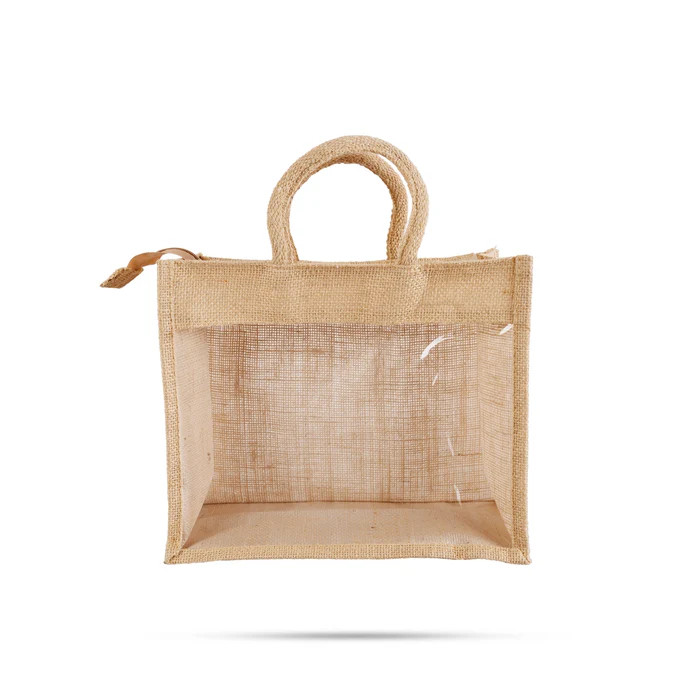
IR64 rice is a widely cultivated indica variety; export specifications normally include total ash ≤0.5 %, moisture ≤14 % and kernel length 5‑6 mm. Jute fibre is supplied in burlap or raw fibre form, meeting Indian Jute Board standards for tensile strength. Aluminum scrap is usually classified by alloy composition (e.g., 6063, 7075) and presented with a mill test certificate. Halal chicken must be accompanied by a recognized halal certification, and catfish is commonly shipped frozen on ice with a health certificate.

Trade and Export Information - Debangshi Enterprises

India’s agricultural exports are directed mainly to the Middle East, Southeast Asia, Europe and North America. Fresh fruits and vegetables are shipped in refrigerated containers (20 ft or 40 ft) under CIF or FOB terms, with temperature controls set between 0 °C and 5 °C for most produce. Rice exports use bulk bags of 20 kg or 25 kg, loaded in 20 ft containers, and are subject to HS chapter 10 inspection. Aluminum scrap falls under HS chapter 76, requiring a material composition declaration and often a customs‑bonded warehouse before re‑melting.

Typical buyer requirements include a phytosanitary certificate issued by the Indian Plant Quarantine authority, a certificate of origin, and where applicable a halal certificate for poultry. For jute and other fibre products, the Indian Export Inspection Council issues a quality inspection report. Importing countries frequently request compliance with ISO 22000 for food safety and ISO 9001 for manufacturing processes. Buyers should confirm the Incoterm, container loading plan and any pre‑shipment inspection to avoid customs delays.

Sourcing from Debangshi Enterprises - Buyer Guidance

When sourcing fresh produce from Debangshi Enterprises, request a recent phytosanitary certificate and a sampling report that includes pesticide residue analysis against Codex MRL limits. Verify the grade designation (e.g., IFPA A or B) and ask for photographs of the actual lot. For rice, ask for a lab analysis covering moisture, ash and broken grain percentages, and confirm the packing weight per bag.

Halal chicken shipments should be accompanied by a halal audit report from a recognized body. For aluminum scrap, obtain a mill test certificate detailing alloy composition and a recycling compliance statement. Confirm the packaging type - ventilated crates for vegetables, moisture‑proof bags for rice, and steel drums or pallets for scrap - and agree on the loading port and preferred Incoterm before finalizing the order.

Frequently Asked Questions About Debangshi Enterprises

What documentation is needed for fresh vegetable shipments?

Buyers should request a phytosanitary certificate, an IFPA grade report, and a packing list showing crate dimensions and temperature requirements. The documents confirm compliance with plant health regulations and quality standards.

How is IR64 rice typically graded for export?

Export‑grade IR64 rice is assessed for moisture ≤14 %, broken grain ≤5 %, total ash ≤0.5 % and kernel length 5‑6 mm. A laboratory analysis report covering these parameters should be provided before shipment.

Which certifications are commonly required for halal chicken?

Halal chicken must be accompanied by a halal certification from an accredited authority and a health certificate confirming compliance with the importing country’s animal health regulations. These documents verify that the product meets religious and safety standards.

What are the standard container sizes for shipping fresh fruits from India?

Fresh fruits are usually loaded in 20 ft or 40 ft refrigerated containers, with palletized boxes stacked to maintain a temperature of 0 °C‑5 °C throughout transit. The container size is selected based on volume and the buyer’s lead‑time requirements.

What quality test is expected for aluminum scrap exports?

Aluminum scrap exports typically require a mill test certificate that specifies alloy composition, impurity levels and a recycling compliance statement. The test ensures that the scrap meets the buyer’s metallurgical specifications.

How should buyers verify the jute product quality?

Buyers can ask for an Indian Jute Board inspection report that includes tensile strength, fibre length and moisture content, and for samples of the burlap or raw fibre. The report provides objective data on the material’s performance characteristics.

What are the common Incoterms used for these product categories?

Exporters from India often use FOB (Free on Board) for bulk commodities like rice and scrap metal, and CIF (Cost, Insurance, Freight) for perishable items such as fresh vegetables and fruits. The chosen Incoterm determines responsibility for transport, insurance and customs clearance.


Other Suppliers in Agriculture

Top Trusted Suppliers

Related Products

Other Suppliers

EximNext
58.4K+ live requirements
Register Free🎁 5 free buy-lead credits
Post Requirement
🌍 Trusted by 224.4K+ businesses in 200+ countries|
58.4K+ active requirements right now
✉️ [email protected]
|
Sell on EximNextPost Requirement
EximNext
AgricultureApparelConstructionElectronicFoodHomeIndustrialMineralsMiscellaneous
🔥 Deals|✨ AI Match|🏭 Suppliers|📋 Buy Leads|💰 Trade Finance|⭐ Upgrade
58.4K+ live RFQs·194.4K+ suppliers
🎁 5 free credits →
EximNext
EximNext
Register Free
🎁 5 free buy-lead credits
Sign In
📋Post Requirement💬Get QuotesAI Match📋RFQ Marketplace
All Categories
Services & Tools
🏭Supplier Directory🔥Today's Deals💰Trade FinanceMembership
Sell on EximNext
AboutContactBlogHelp
🏭

Debangshi Enterprises

Harbor
Country flag , India
🛡️
55/100
Trust Score

Debangshi Enterprises Product Catalog

Showing 12 of 15 products
View all products →
Fresh Papaya
Harbor
Fresh Papaya
Contact
MOQ: 1 Unit
Fresh jackfruit
Harbor
Fresh jackfruit
Contact
MOQ: 1 Unit
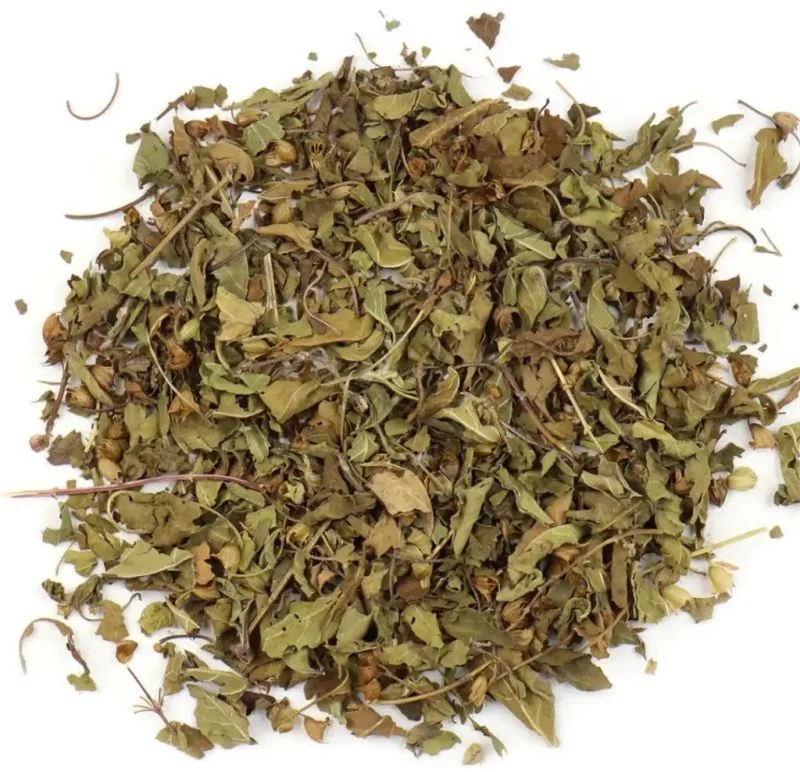
Brtel Leaf
Harbor
Brtel Leaf
Contact
MOQ: 1 Unit
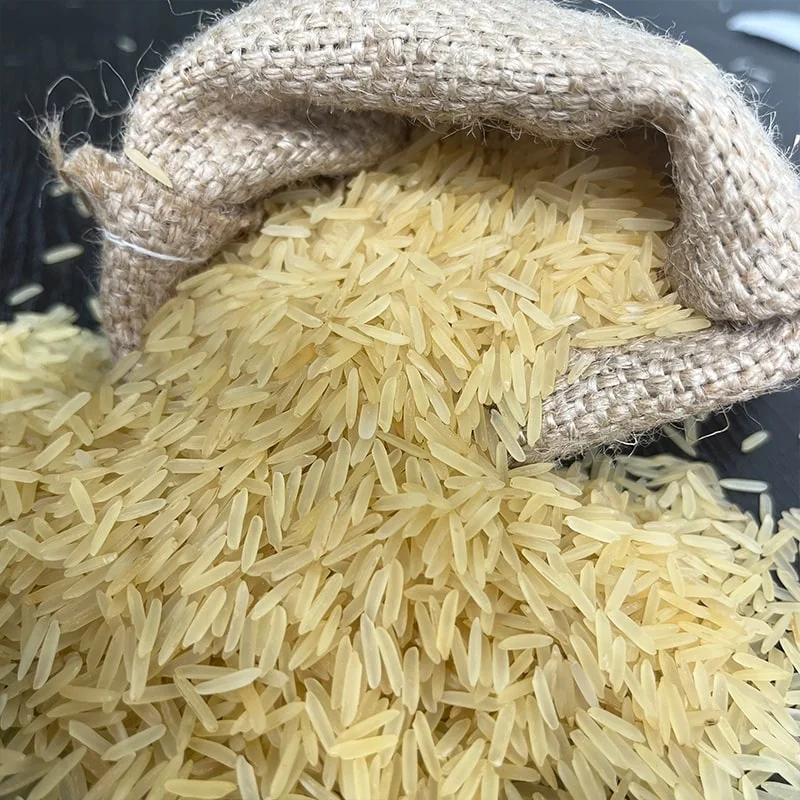
Rice Ir64
Harbor
Rice Ir64
Contact
MOQ: 1 Unit
Betel Leaf
Harbor
Betel Leaf
Contact
MOQ: 1 Unit
Cat Fish
Harbor
Cat Fish
Contact
MOQ: 1 Unit
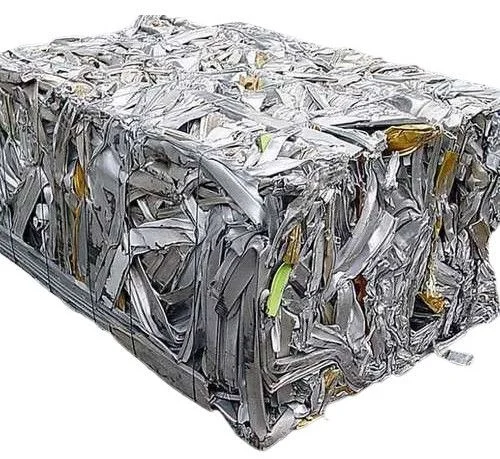
Aluminum scrap
Harbor
Aluminum scrap
Contact
MOQ: 1 Unit
Rice Ir 64
Harbor
Rice Ir 64
Contact
MOQ: 1 Unit
Jute
Harbor
Jute
Contact
MOQ: 1 Unit
Okra/gombo
Harbor
Okra/gombo
Contact
MOQ: 1 Unit
Fresh Vegtables
Harbor
Fresh Vegtables
Contact
MOQ: 1 Unit
Halal Chicken
Harbor
Halal Chicken
Contact
MOQ: 1 Unit

About Debangshi Enterprises - Agriculture Supplier in India

India-based Debangshi Enterprises lists fifteen active products across agriculture, fruits, rice and fresh vegetables. The catalogue includes fresh vegetables, mango, fresh lychee, fresh papaya, fresh jackfruit, okra/gombo, betel leaf, and brtel leaf, as well as animal protein such as halal chicken and catfish. Grain offerings comprise two entries for IR64 rice, and non‑food items include jute fibre and aluminum scrap. All items are presented under the imported supplier tier with a harbor trust rating.

The product set reflects typical Indian export commodities. Fresh produce is generally harvested for export during peak seasons and packed in ventilated crates or polyethylene bags. Rice IR64 is a high‑yield, medium‑grain variety commonly exported with moisture content below 14 % and broken grain under 5 %. Aluminum scrap is usually categorized under HS chapter 76 for secondary metal, requiring material analysis certificates. The supplier does not list any specific certifications in the provided data.

Product Range and Specialties of Debangshi Enterprises

The fresh vegetable line spans leafy greens, gourds and regional varieties such as okra, packaged for refrigerated transport. In international trade, buyers often request the International Fresh Produce Association (IFPA) grade A classification, pesticide residue limits under Codex, and a phytosanitary certificate. Mangoes exported from India are typically the Alphonso or Kesar cultivars, graded by size, sweetness (Brix 14‑18) and absence of blemishes. Lychee, papaya and jackfruit follow similar grading based on flesh firmness and sugar content.

IR64 rice is a widely cultivated indica variety; export specifications normally include total ash ≤0.5 %, moisture ≤14 % and kernel length 5‑6 mm. Jute fibre is supplied in burlap or raw fibre form, meeting Indian Jute Board standards for tensile strength. Aluminum scrap is usually classified by alloy composition (e.g., 6063, 7075) and presented with a mill test certificate. Halal chicken must be accompanied by a recognized halal certification, and catfish is commonly shipped frozen on ice with a health certificate.

Trade and Export Information - Debangshi Enterprises

India’s agricultural exports are directed mainly to the Middle East, Southeast Asia, Europe and North America. Fresh fruits and vegetables are shipped in refrigerated containers (20 ft or 40 ft) under CIF or FOB terms, with temperature controls set between 0 °C and 5 °C for most produce. Rice exports use bulk bags of 20 kg or 25 kg, loaded in 20 ft containers, and are subject to HS chapter 10 inspection. Aluminum scrap falls under HS chapter 76, requiring a material composition declaration and often a customs‑bonded warehouse before re‑melting.

Typical buyer requirements include a phytosanitary certificate issued by the Indian Plant Quarantine authority, a certificate of origin, and where applicable a halal certificate for poultry. For jute and other fibre products, the Indian Export Inspection Council issues a quality inspection report. Importing countries frequently request compliance with ISO 22000 for food safety and ISO 9001 for manufacturing processes. Buyers should confirm the Incoterm, container loading plan and any pre‑shipment inspection to avoid customs delays.

Sourcing from Debangshi Enterprises - Buyer Guidance

When sourcing fresh produce from Debangshi Enterprises, request a recent phytosanitary certificate and a sampling report that includes pesticide residue analysis against Codex MRL limits. Verify the grade designation (e.g., IFPA A or B) and ask for photographs of the actual lot. For rice, ask for a lab analysis covering moisture, ash and broken grain percentages, and confirm the packing weight per bag.

Halal chicken shipments should be accompanied by a halal audit report from a recognized body. For aluminum scrap, obtain a mill test certificate detailing alloy composition and a recycling compliance statement. Confirm the packaging type - ventilated crates for vegetables, moisture‑proof bags for rice, and steel drums or pallets for scrap - and agree on the loading port and preferred Incoterm before finalizing the order.

Frequently Asked Questions About Debangshi Enterprises

What documentation is needed for fresh vegetable shipments?

Buyers should request a phytosanitary certificate, an IFPA grade report, and a packing list showing crate dimensions and temperature requirements. The documents confirm compliance with plant health regulations and quality standards.

How is IR64 rice typically graded for export?

Export‑grade IR64 rice is assessed for moisture ≤14 %, broken grain ≤5 %, total ash ≤0.5 % and kernel length 5‑6 mm. A laboratory analysis report covering these parameters should be provided before shipment.

Which certifications are commonly required for halal chicken?

Halal chicken must be accompanied by a halal certification from an accredited authority and a health certificate confirming compliance with the importing country’s animal health regulations. These documents verify that the product meets religious and safety standards.

What are the standard container sizes for shipping fresh fruits from India?

Fresh fruits are usually loaded in 20 ft or 40 ft refrigerated containers, with palletized boxes stacked to maintain a temperature of 0 °C‑5 °C throughout transit. The container size is selected based on volume and the buyer’s lead‑time requirements.

What quality test is expected for aluminum scrap exports?

Aluminum scrap exports typically require a mill test certificate that specifies alloy composition, impurity levels and a recycling compliance statement. The test ensures that the scrap meets the buyer’s metallurgical specifications.

How should buyers verify the jute product quality?

Buyers can ask for an Indian Jute Board inspection report that includes tensile strength, fibre length and moisture content, and for samples of the burlap or raw fibre. The report provides objective data on the material’s performance characteristics.

What are the common Incoterms used for these product categories?

Exporters from India often use FOB (Free on Board) for bulk commodities like rice and scrap metal, and CIF (Cost, Insurance, Freight) for perishable items such as fresh vegetables and fruits. The chosen Incoterm determines responsibility for transport, insurance and customs clearance.

About Debangshi Enterprises - Agriculture Supplier in India

India-based Debangshi Enterprises lists fifteen active products across agriculture, fruits, rice and fresh vegetables. The catalogue includes fresh vegetables, mango, fresh lychee, fresh papaya, fresh jackfruit, okra/gombo, betel leaf, and brtel leaf, as well as animal protein such as halal chicken and catfish. Grain offerings comprise two entries for IR64 rice, and non‑food items include jute fibre and aluminum scrap. All items are presented under the imported supplier tier with a harbor trust rating.

The product set reflects typical Indian export commodities. Fresh produce is generally harvested for export during peak seasons and packed in ventilated crates or polyethylene bags. Rice IR64 is a high‑yield, medium‑grain variety commonly exported with moisture content below 14 % and broken grain under 5 %. Aluminum scrap is usually categorized under HS chapter 76 for secondary metal, requiring material analysis certificates. The supplier does not list any specific certifications in the provided data.

Product Range and Specialties of Debangshi Enterprises

The fresh vegetable line spans leafy greens, gourds and regional varieties such as okra, packaged for refrigerated transport. In international trade, buyers often request the International Fresh Produce Association (IFPA) grade A classification, pesticide residue limits under Codex, and a phytosanitary certificate. Mangoes exported from India are typically the Alphonso or Kesar cultivars, graded by size, sweetness (Brix 14‑18) and absence of blemishes. Lychee, papaya and jackfruit follow similar grading based on flesh firmness and sugar content.

IR64 rice is a widely cultivated indica variety; export specifications normally include total ash ≤0.5 %, moisture ≤14 % and kernel length 5‑6 mm. Jute fibre is supplied in burlap or raw fibre form, meeting Indian Jute Board standards for tensile strength. Aluminum scrap is usually classified by alloy composition (e.g., 6063, 7075) and presented with a mill test certificate. Halal chicken must be accompanied by a recognized halal certification, and catfish is commonly shipped frozen on ice with a health certificate.

Trade and Export Information - Debangshi Enterprises

India’s agricultural exports are directed mainly to the Middle East, Southeast Asia, Europe and North America. Fresh fruits and vegetables are shipped in refrigerated containers (20 ft or 40 ft) under CIF or FOB terms, with temperature controls set between 0 °C and 5 °C for most produce. Rice exports use bulk bags of 20 kg or 25 kg, loaded in 20 ft containers, and are subject to HS chapter 10 inspection. Aluminum scrap falls under HS chapter 76, requiring a material composition declaration and often a customs‑bonded warehouse before re‑melting.

Typical buyer requirements include a phytosanitary certificate issued by the Indian Plant Quarantine authority, a certificate of origin, and where applicable a halal certificate for poultry. For jute and other fibre products, the Indian Export Inspection Council issues a quality inspection report. Importing countries frequently request compliance with ISO 22000 for food safety and ISO 9001 for manufacturing processes. Buyers should confirm the Incoterm, container loading plan and any pre‑shipment inspection to avoid customs delays.

Sourcing from Debangshi Enterprises - Buyer Guidance

When sourcing fresh produce from Debangshi Enterprises, request a recent phytosanitary certificate and a sampling report that includes pesticide residue analysis against Codex MRL limits. Verify the grade designation (e.g., IFPA A or B) and ask for photographs of the actual lot. For rice, ask for a lab analysis covering moisture, ash and broken grain percentages, and confirm the packing weight per bag.

Halal chicken shipments should be accompanied by a halal audit report from a recognized body. For aluminum scrap, obtain a mill test certificate detailing alloy composition and a recycling compliance statement. Confirm the packaging type - ventilated crates for vegetables, moisture‑proof bags for rice, and steel drums or pallets for scrap - and agree on the loading port and preferred Incoterm before finalizing the order.

Frequently Asked Questions About Debangshi Enterprises
What documentation is needed for fresh vegetable shipments?
Buyers should request a phytosanitary certificate, an IFPA grade report, and a packing list showing crate dimensions and temperature requirements. The documents confirm compliance with plant health regulations and quality standards.
How is IR64 rice typically graded for export?
Export‑grade IR64 rice is assessed for moisture ≤14 %, broken grain ≤5 %, total ash ≤0.5 % and kernel length 5‑6 mm. A laboratory analysis report covering these parameters should be provided before shipment.
Which certifications are commonly required for halal chicken?
Halal chicken must be accompanied by a halal certification from an accredited authority and a health certificate confirming compliance with the importing country’s animal health regulations. These documents verify that the product meets religious and safety standards.
What are the standard container sizes for shipping fresh fruits from India?
Fresh fruits are usually loaded in 20 ft or 40 ft refrigerated containers, with palletized boxes stacked to maintain a temperature of 0 °C‑5 °C throughout transit. The container size is selected based on volume and the buyer’s lead‑time requirements.
What quality test is expected for aluminum scrap exports?
Aluminum scrap exports typically require a mill test certificate that specifies alloy composition, impurity levels and a recycling compliance statement. The test ensures that the scrap meets the buyer’s metallurgical specifications.
How should buyers verify the jute product quality?
Buyers can ask for an Indian Jute Board inspection report that includes tensile strength, fibre length and moisture content, and for samples of the burlap or raw fibre. The report provides objective data on the material’s performance characteristics.
What are the common Incoterms used for these product categories?
Exporters from India often use FOB (Free on Board) for bulk commodities like rice and scrap metal, and CIF (Cost, Insurance, Freight) for perishable items such as fresh vegetables and fruits. The chosen Incoterm determines responsibility for transport, insurance and customs clearance.

🏭
Debangshi Enterprises
Country flag , India
Harbor
55/100
Trust Score
📦
15
Products
Free to contact — no commission
Escrow payment available
Verified business identity
Compare more suppliers
Post a requirement — get 10 quotes free
Let verified suppliers compete for your business. Free, fast, no commitment.
EximNext Verified Supplier
Business identity verified
Physical address confirmed
Financial history checked
Certifications authenticated
Trade references validated
Due Diligence
Verify this supplier's real shipping history.
Every shipment, every buyer, every port. Trade data that can't be faked.
Run due diligence →
Discover More

Related Suppliers & Products

Explore similar suppliers, related products and trending categories

Other Suppliers in Agriculture

Top Trusted Suppliers

Stay ahead in global trade
Weekly market insights & new supplier alerts.
EximNext
Exim Next is a leading global B2B marketplace, connecting over 205,000 verified suppliers and buyers across 200+ countries. As a trusted import export marketplace, it serves as the essential B2B portal for businesses worldwide, empowering them to expand their international reach. With Exim Next, businesses can trade smarter and grow faster.
SECURE PAYMENTS
VISAMastercardPayPalSWIFTL/CEscrow
Follow us
© 2026 EximNext