DE CAMPO Sas — Verified Service Provider & Wholesale Supplier
About DE CAMPO Sas - Timber Supplier in Italy
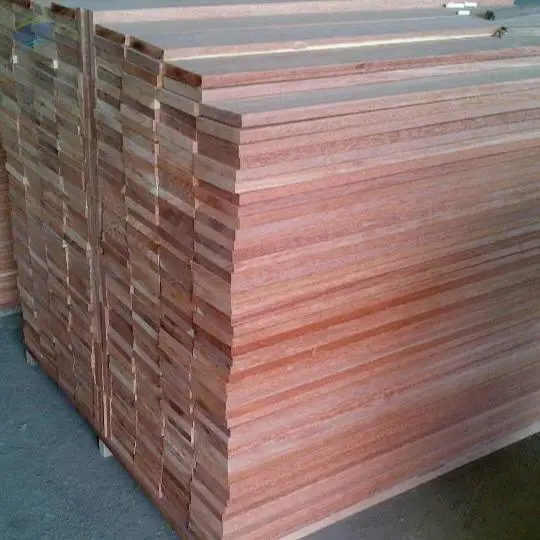
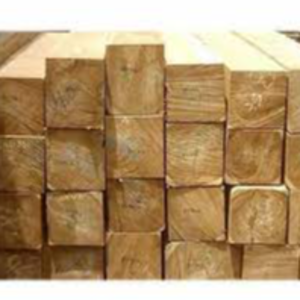
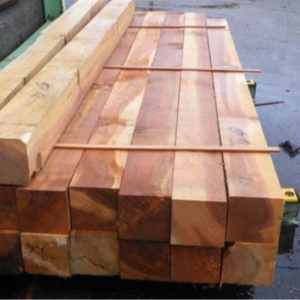
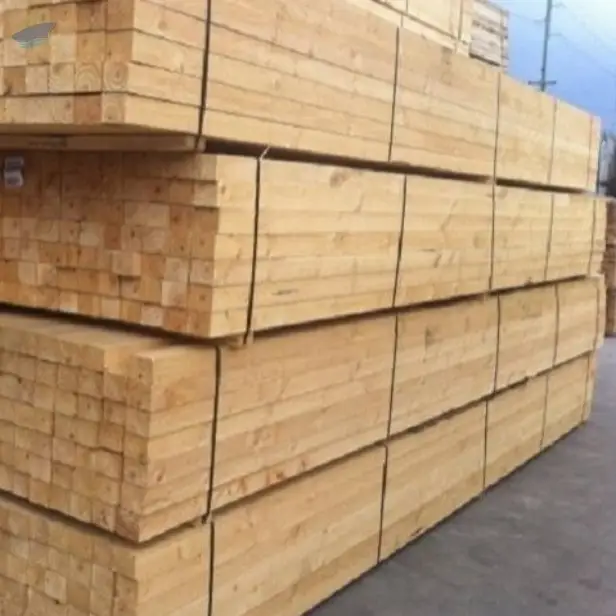
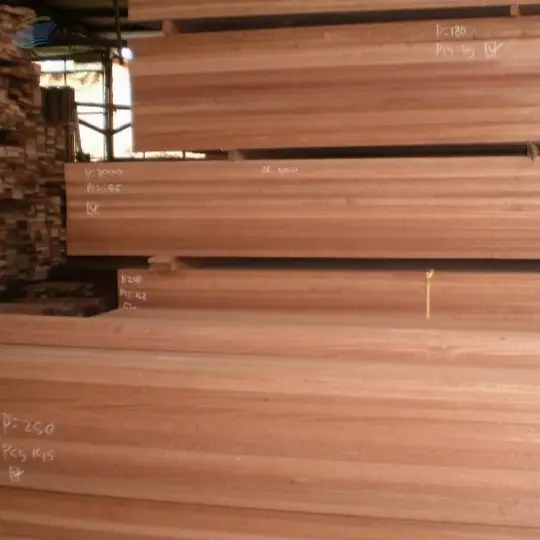
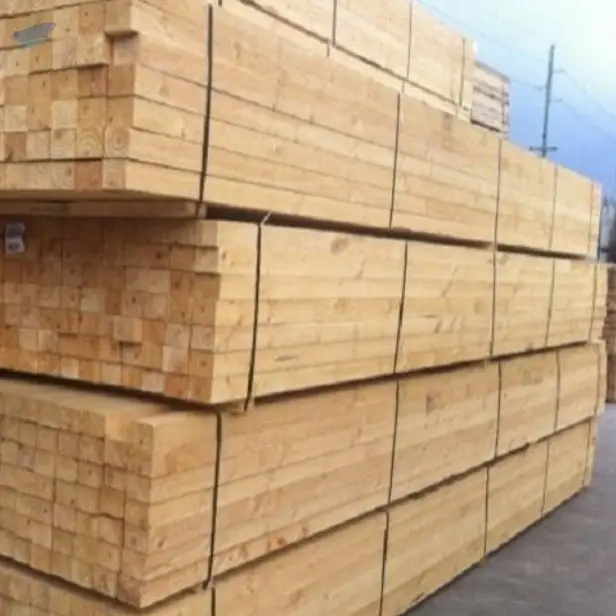
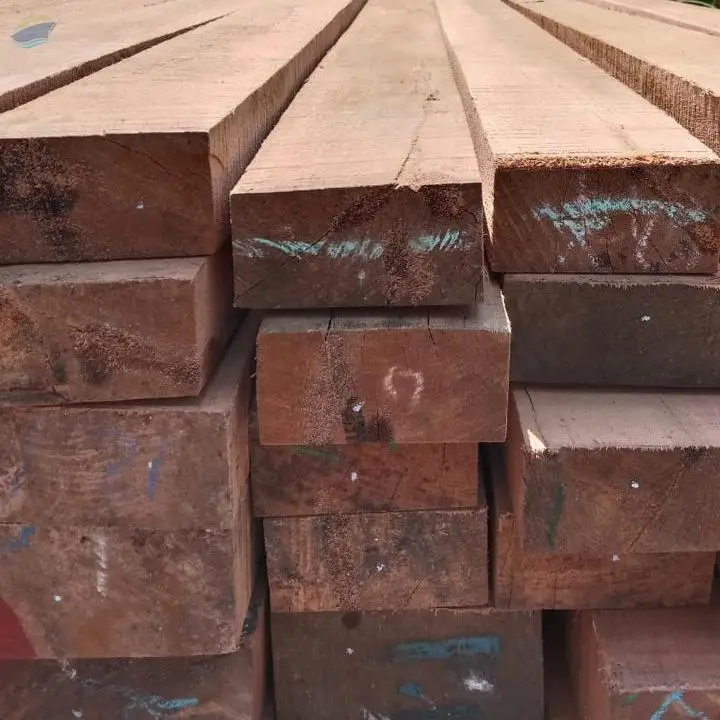
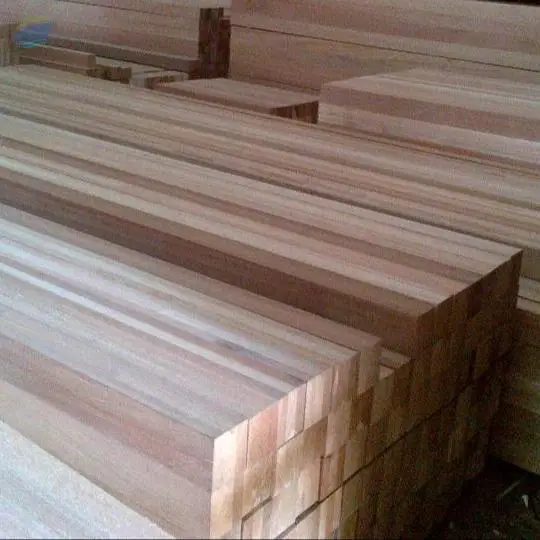
Italy hosts DE CAMPO Sas, an intermediary specializing in sawn timber and related forest products. The company lists five active product entries, covering softwood timber such as Spruce and Larch, hardwood like Western Red Cedar, and pine nut seeds. Each timber entry falls under HS chapter 44 (HS 4407.11 for sawn softwood), while the pine nut product is classified under HS 0802.90 for edible nuts. DE CAMPO Sas connects producers in the United States and the European Union with global purchasers, handling logistics, documentation and quality checks for these categories.
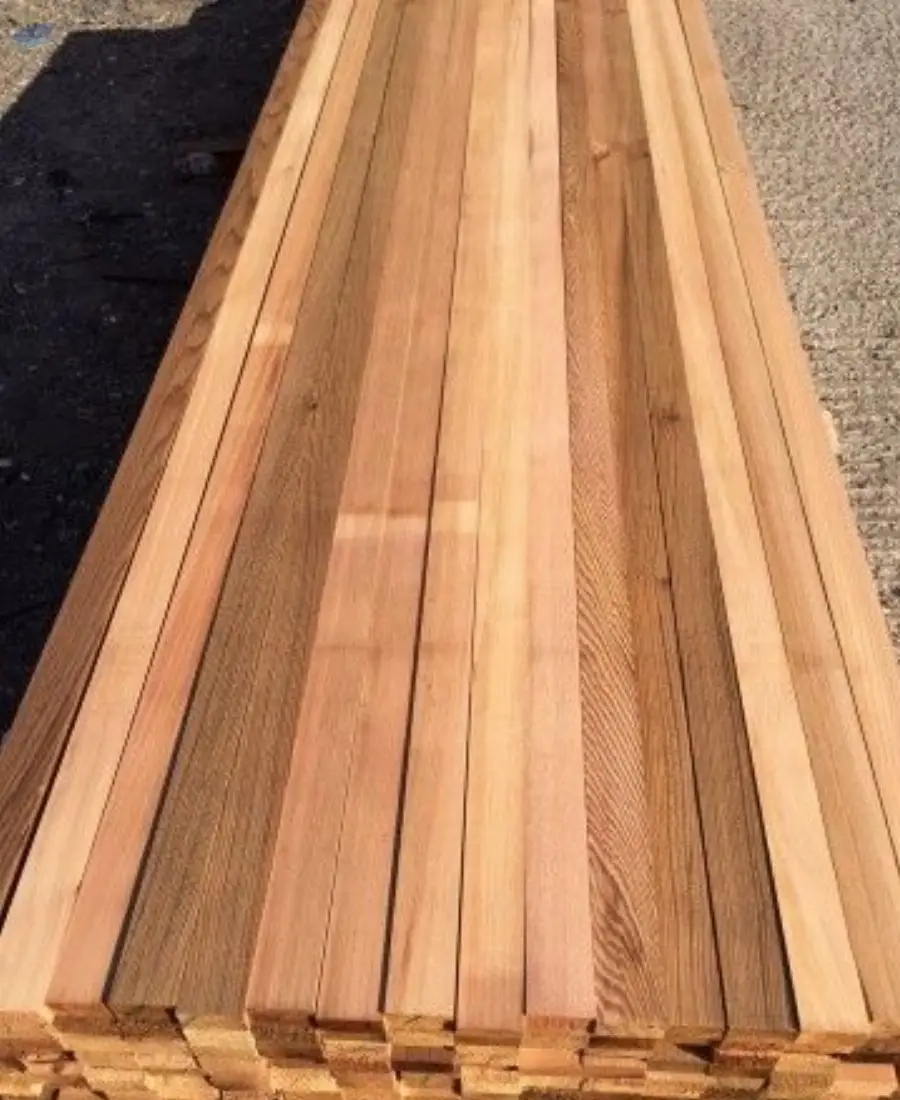
The supplier’s catalogue mentions Spruce (Picea spp.), Larch (Larix decidua / Larix sibirica), Western Red Cedar (Thuja plicata), Siberian Larch sawn timber (HS code not supplied) and pine nut seeds (Pinus genus). These items are grouped under broader categories such as Timber, Cedar Wood, Pine Wood, Spruce Wood, Lumber and Pine Nuts. Typical industry specifications for these softwoods include structural grades (C‑type, D‑type), moisture content between 12 % and 15 %, and dimensions ranging from 2 m × 100 mm × 50 mm up to 6 m × 200 mm × 100 mm. Pine nuts are usually sorted by size (large > 10 mm) and oil content (≈ 45 % w/w).
Product Range and Specialties of DE CAMPO Sas
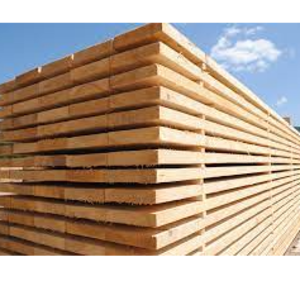
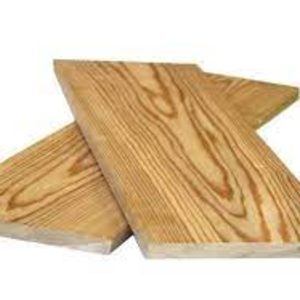
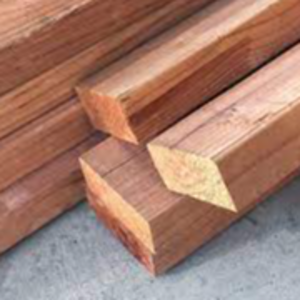
The catalogue lists Spruce, Larch, Western Red Cedar and Siberian Larch as sawn timber products, all belonging to HS 4407.11, the standard code for sawn softwood. In the global market these timbers are offered in construction grades (C‑type for general building, D‑type for non‑structural use) and finish grades (B‑type for furniture). Typical certifications sought by buyers include FSC or PEFC forest‑management certificates and ISO 9001 quality‑management accreditation. The pine nut entry, under HS 0802.90, is generally supplied in bulk bags of 25 kg, sorted by kernel size and moisture below 8 % to meet food‑safety standards. Industry buyers often request a phytosanitary certificate and a laboratory analysis of oil content for these nuts.
Siberian Larch sawn timber, although lacking an explicit HS code in the supplied data, is normally classified under the same 4407.11 heading. It is frequently kiln‑dried to 12 % moisture and cut to lengths of 3 m, 4 m or 6 m for construction and decking applications. Buyers typically ask for a mill test report confirming grade, density (≈ 530 kg m⁻³) and bending strength (≈ 70 MPa).
Trade and Export Information - DE CAMPO Sas
Italian exporters of softwood timber and edible nuts mainly serve construction markets in the EU, as well as furniture manufacturers in the Middle East and food processors in Asia. HS 4407.11 products are subject to phytosanitary inspections and may require a phytosanitary certificate, fumigation statement and, where applicable, a CITES permit for protected species. HS 0802.90 nuts must comply with EU sanitary regulations, including a maximum aflatoxin level of 5 µg kg⁻¹ and a documented origin certificate. Commonly requested certifications are FSC, PEFC and ISO 14001 for sustainability, and ISO 9001 for quality management. Shipments are typically packed in kiln‑dried bundles or bulk pallets for timber, and in 25 kg polypropylene bags for pine nuts, loaded into 20‑ft or 40‑ft containers under FOB or CIF terms.
Sourcing from DE CAMPO Sas - Buyer Guidance
When sourcing from DE CAMPO Sas, buyers should request the latest FSC or PEFC chain‑of‑custody certificate for any timber product and verify the mill test report for grade, moisture content and mechanical properties. For pine nuts, a recent laboratory analysis confirming oil content, moisture level and compliance with aflatoxin limits should be obtained before contract finalisation. Minimum order quantities are usually expressed in cubic metres for timber (e.g., 1 m³) and in metric tonnes for nuts (e.g., 2 t), with lead times of 4‑6 weeks after order confirmation. Inspection reports, phytosanitary certificates and packaging specifications (e.g., kiln‑drying temperature, bag type) are standard documents to request prior to shipment.
Frequently Asked Questions About DE CAMPO Sas
What timber grades does DE CAMPO Sas offer?
The catalogue includes Spruce, Larch and Western Red Cedar, which are typically supplied in construction grades C‑type and D‑type, as well as finish grade B‑type for furniture applications.
Which certifications are available for the timber products?
The supplier works with producers that hold FSC or PEFC forest‑management certificates and ISO 9001 quality‑management accreditation, which buyers can request for verification.
What is the standard moisture content for the sawn timber?
Industry practice for kiln‑dried softwood timber is a moisture content between 12 % and 15 %, which is verified by a moisture‑meter test report.
How are pine nuts packaged and what quality parameters are checked?
Pine nuts are packed in 25 kg polypropylene bags, sorted by kernel size (>10 mm) and tested for moisture below 8 % and oil content around 45 % w/w, with aflatoxin levels not exceeding 5 µg kg⁻¹.
What documentation should be requested before shipment?
Buyers should ask for a mill test report for timber, a phytosanitary certificate for wood, a laboratory analysis for pine nuts, and any relevant sustainability certificates (FSC/PEFC).
What are typical shipment sizes and container options?
Timber is usually loaded in bundles on pallets fitting a 20‑ft or 40‑ft container, while pine nuts fill bulk bags that can also be loaded in the same container types under FOB or CIF terms.
What are the usual lead times and minimum order quantities?
Lead times are generally 4‑6 weeks after order confirmation. Minimum order quantities are about 1 m³ for timber and 2 t for pine nuts, depending on the product specification.
Are there any specific import restrictions for these products?
Importers must comply with phytosanitary requirements for timber and food‑safety standards for nuts, including EU aflatoxin limits and possible CITES permits for protected wood species.




 , Italy