CV. Universum Spices Indonesia — Verified Supplier

About CV. Universum Spices Indonesia - Cinnamon and Pepper Supplier in Indonesia

CV. Universum Spices Indonesia is an Indonesia-based spice supplier operating from the country's main spice-producing regions, with 7 active product listings centred on cassia cinnamon and black pepper. The catalogue covers Koerintji (Kerinci) origin cassia cinnamon sticks in four grade designations (AA, KM, KF, KS) plus a broken cinnamon grade and a ground cinnamon powder, together with a black pepper powder line. Kerinci Regency in Jambi Province, Sumatra, is the principal Indonesian cassia-growing area, and the AA, KM, KF and KS grade codes are commonly used in Sumatra-origin cassia to distinguish stick diameter, bark thickness, colour and aroma intensity. The supplier's product mix therefore reflects a focused position in two of Indonesia's most exported spice families: Cinnamomum burmannii (Indonesian cassia) and Piper nigrum (black pepper).

The supplier's active product count of 7 sits within the typical catalogue depth of a small-to-mid Indonesian spice exporter that consolidates at origin and ships in mixed containers. Cinnamon and pepper together account for a significant share of Indonesia's agricultural spice exports by volume, and Kerinci cassia in particular is recognised in international spice trade for its high volatile-oil content relative to other Indonesian cassia origins. Black pepper from Lampung and Bangka is the other flagship Indonesian spice, and the inclusion of a ground black pepper line alongside the cinnamon range places this catalogue firmly within the conventional spice-processing segment rather than essential-oil or oleoresin extraction. The combined cinnamon and pepper offering is suited to importers serving food manufacturing, seasoning blending, and repacking operations.

Product Range and Specialties of CV. Universum Spices Indonesia

The catalogue lists seven SKUs built around two botanical species: Cinnamomum burmannii (Indonesian cassia) and Piper nigrum (black pepper). Within cassia, four stick grades (AA Koerintji, KM Koerintji, KF Koerintji, KS Koerintji) reflect the trade's conventional grading by stick thickness, bark-to-wood ratio, length (typically 8-15 cm for hand-cut sticks), colour (reddish-brown to dark brown), and aroma strength. Broken Cinnamon Sticks are the by-product fraction used in grinding, tea-bag filling and potpourri, while Cinnamon Powder (Koerintji Indonesia Cassia) is the ground form used directly in seasoning blends, bakery mixes and beverage applications. Black Pepper Powder is the second category, typically traded at grind sizes of 30-60 mesh for industrial food use and finer for retail packs. In international spice trade, Indonesian cassia sticks are commonly traded under grades such as Korintji A, B, C, or AA, with volatile oil content typically ranging from 1.5% to 4% and coumarin levels that vary with bark thickness. Black pepper powder is graded by ASTA (American Spice Trade Association) cleanliness specifications, with ASTA Cleanliness Specifications setting limits on extraneous matter, mould, insect filth and mammalian filth; piperine content is the key chemical marker, typically 5-9% in Lampong/Lampung-origin pepper. Buyers in this category usually request grade designation, moisture content (target below 12% for both cinnamon and pepper), volatile oil percentage, ash content (cinnamon total ash typically below 6%), and grind size for powders. Packaging norms are 25 kg or 50 kg multi-wall paper bags for sticks, and 25 kg kraft bags or custom retail packs for powders, with container loads of roughly 18-20 MT per 20 ft FCL for bagged spices.

Trade and Export Information - CV. Universum Spices Indonesia

Indonesia is the world's largest producer and exporter of cassia cinnamon, with Kerinci Regency in Jambi Province, Sumatra, as the flagship origin, and the country is also among the top three global black pepper producers alongside Vietnam and Brazil, with Lampung (Sumatra) and Bangka-Belitung as the main pepper origins. The cinnamon and pepper categories fall under HS chapter 09 (Coffee, tea, mate and spices), with cinnamon sticks and powder classified under HS 0906 (Cinnamon and cinnamon-tree flowers) and black pepper under HS 0904 (Pepper of the genus Piper). Typical destination markets for Indonesian cassia and pepper include the United States, the Netherlands, Germany, Vietnam (re-export hub), India, Mexico, and Middle Eastern and North African seasoning markets, with end-use industries spanning food processing, bakery, beverage, meat seasoning, and essential-oil distillation. Export shipments of spices from Indonesia are typically dispatched from the ports of Tanjung Priok (Jakarta) and Belawan (Medan, North Sumatra), the latter being the closest port to the Kerinci cassia production zone. Standard export documentation for this category includes a Phytosanitary Certificate (issued by the Indonesian Agricultural Quarantine Agency, or BARANTAN), a Certificate of Origin (Form E or non-preferential), a Health Certificate, and a Fumigation Certificate, with Aflatoxin and microbiological test reports increasingly required by EU and Gulf buyers. Incoterms commonly used in this segment are FOB, CFR and CIF, with sea freight in 20 ft containers being the standard mode for bagged spices. Buyers in regulated markets (EU, US, Japan) typically require compliance with maximum residue limits (MRLs) under EU Regulation 396/2005, US FDA BAM microbiological standards, and, for cinnamon, coumarin limits where applicable to specific food categories.

Sourcing from CV. Universum Spices Indonesia - Buyer Guidance

Buyers sourcing Indonesian cassia and black pepper from a supplier in this segment should request the grade designation in writing (e.g. AA, KM, KF, KS for cinnamon sticks) along with a current Certificate of Analysis covering moisture (target below 12%), volatile oil content (cinnamon), piperine content (pepper), total ash (cinnamon), and ASTA cleanliness specifications for pepper. Pre-shipment samples of 200-500 g per SKU are standard, and a third-party pre-shipment inspection by firms such as SGS, Bureau Veritas or Control Union is advisable for first orders or container-volume purchases. Documentation to request includes Phytosanitary Certificate, Health Certificate, Certificate of Origin, Fumigation Certificate, and Aflatoxin test reports (typically HPLC or ELISA methods, with limits commonly set at below 5 ppb for Aflatoxin B1 and below 10 ppb total aflatoxins for EU-bound shipments). For cinnamon specifically, buyers should confirm the coumarin level (relevant for the EU under Regulation (EC) No 1334/2008 for flavoured foods and beverages), bark-to-wood ratio, stick length range, and whether the product is single-origin Kerinci or blended. For black pepper powder, confirm grind mesh size, piperine percentage, and treatment status (steam-sterilised vs untreated). Packaging verification should cover bag material (food-grade multi-wall kraft or PP woven with inner liner), net weight per bag (commonly 25 kg or 50 kg), and palletisation. Lead times of 2-4 weeks from order confirmation are typical for in-stock grades, extending to 6-10 weeks for specific harvest-year lots, with MOQs often starting at 1 MT per grade for export orders.

Frequently Asked Questions About CV. Universum Spices Indonesia

What product categories does CV. Universum Spices Indonesia supply?

The catalogue covers Indonesian cassia cinnamon in stick and powder form (Kerinci/Koerintji origin, grades AA, KM, KF, KS, plus broken sticks and ground powder) and black pepper powder. All products fall under HS chapter 09, with cinnamon under HS 0906 and pepper under HS 0904.

Which certifications and documents should be requested?

Request a Certificate of Analysis (moisture, volatile oil, total ash for cinnamon; piperine and ASTA cleanliness for pepper), Phytosanitary Certificate from BARANTAN, Health Certificate, Certificate of Origin, Fumigation Certificate, and Aflatoxin test report. Organic, Halal, or ISO 22000 / FSSC 22000 certifications should be confirmed directly with the supplier if required for your market.

What quality parameters are standard for Kerinci cassia cinnamon sticks?

Indonesian cassia sticks are graded by stick thickness, bark-to-wood ratio, colour and aroma, with volatile oil content typically 1.5-4% and moisture below 12%. Total ash is usually below 6%, and buyers should confirm the grade code (AA, KM, KF, KS) matches the agreed specification.

What is the typical MOQ and lead time for export orders?

MOQs for Indonesian spice exporters in this segment commonly start at around 1 MT per grade for export shipments, with full container loads of approximately 18-20 MT per 20 ft FCL for bagged product. Lead times range from 2-4 weeks for in-stock grades to 6-10 weeks for specific harvest lots.

Which packaging and shipping options are standard?

Cinnamon sticks are typically packed in 25 kg or 50 kg multi-wall paper bags, and powders in 25 kg kraft bags or custom retail packs. Sea freight in 20 ft containers is standard, with FOB, CFR or CIF Incoterms, and shipments usually load from Tanjung Priok (Jakarta) or Belawan (Medan) ports.

Which destination markets typically import Indonesian cassia and pepper?

Key importing regions for Indonesian cassia and black pepper include the United States, the Netherlands, Germany, Vietnam (re-export), India, Mexico, and the Middle East and North Africa. End uses span food processing, bakery, beverages, seasoning blending, and further grinding and repacking.

What regulatory considerations apply for EU and US buyers?

EU buyers should verify compliance with Regulation (EC) No 396/2005 on pesticide MRLs, coumarin limits under Regulation (EC) No 1334/2008 for flavoured foods, and Aflatoxin limits (B1 below 5 ppb, total below 10 ppg). US buyers require FDA compliance, including BAM microbiological standards and FSVP importer verification.


Featured Products from this Supplier

Other Suppliers in Primary Category

Related Products

Trending in Parent Category

More Suppliers in Category

Related Products

Other Suppliers

EximNext
58.4K+ live requirements
Register Free🎁 5 free buy-lead credits
Post Requirement
🌍 Trusted by 224.4K+ businesses in 200+ countries|
58.4K+ active requirements right now
✉️ [email protected]
|
Sell on EximNextPost Requirement
EximNext
AgricultureApparelConstructionElectronicFoodHomeIndustrialMineralsMiscellaneous
🔥 Deals|✨ AI Match|🏭 Suppliers|📋 Buy Leads|💰 Trade Finance|⭐ Upgrade
58.4K+ live RFQs·194.4K+ suppliers
🎁 5 free credits →
EximNext
EximNext
Register Free
🎁 5 free buy-lead credits
Sign In
📋Post Requirement💬Get QuotesAI Match📋RFQ Marketplace
All Categories
Services & Tools
🏭Supplier Directory🔥Today's Deals💰Trade FinanceMembership
Sell on EximNext
AboutContactBlogHelp
🏭

CV. Universum Spices Indonesia

Harbor
Country flag , Indonesia
🛡️
54/100
Trust Score

CV. Universum Spices Indonesia Product Catalog

Showing 7 of 7 products
View all products →
AA Koerintji Cinnamon Cassia Stick (Specialty)
Harbor
AA Koerintji Cinnamon Cassia Stick (Specialty)
Contact
MOQ: 1 Unit
KM Koerintji Cinnamon Cassia Stick
Harbor
KM Koerintji Cinnamon Cassia Stick
Contact
MOQ: 1 Unit
KF Koerintji Cinnamon Cassia Sticks
Harbor
KF Koerintji Cinnamon Cassia Sticks
Contact
MOQ: 1 Unit
KS Koerintji Cinnamon Cassia Stick
Harbor
KS Koerintji Cinnamon Cassia Stick
Contact
MOQ: 1 Unit
Broken Cinnamon Sticks
Harbor
Broken Cinnamon Sticks
Contact
MOQ: 1 Unit
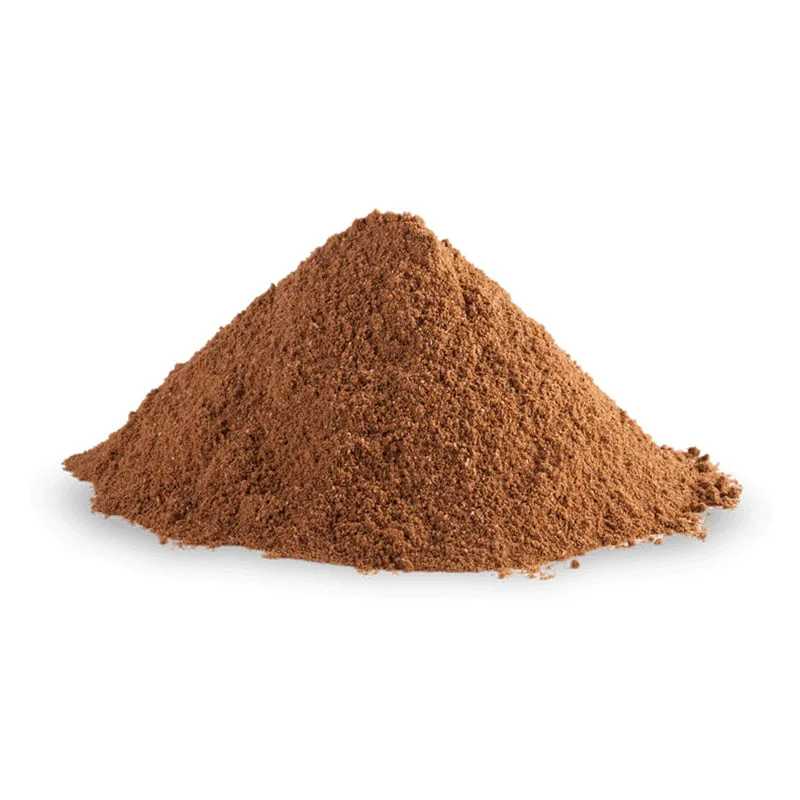
Cinnamon powder (Koerintji Indonesia Cassia)
Harbor
Cinnamon powder (Koerintji Indonesia Cassia)
Contact
MOQ: 1 Unit
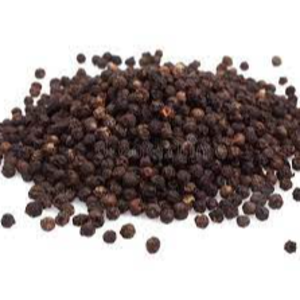
Black pepper Powder
Harbor
Black pepper Powder
Contact
MOQ: 1 Unit

About CV. Universum Spices Indonesia - Cinnamon and Pepper Supplier in Indonesia

CV. Universum Spices Indonesia is an Indonesia-based spice supplier operating from the country's main spice-producing regions, with 7 active product listings centred on cassia cinnamon and black pepper. The catalogue covers Koerintji (Kerinci) origin cassia cinnamon sticks in four grade designations (AA, KM, KF, KS) plus a broken cinnamon grade and a ground cinnamon powder, together with a black pepper powder line. Kerinci Regency in Jambi Province, Sumatra, is the principal Indonesian cassia-growing area, and the AA, KM, KF and KS grade codes are commonly used in Sumatra-origin cassia to distinguish stick diameter, bark thickness, colour and aroma intensity. The supplier's product mix therefore reflects a focused position in two of Indonesia's most exported spice families: Cinnamomum burmannii (Indonesian cassia) and Piper nigrum (black pepper).

The supplier's active product count of 7 sits within the typical catalogue depth of a small-to-mid Indonesian spice exporter that consolidates at origin and ships in mixed containers. Cinnamon and pepper together account for a significant share of Indonesia's agricultural spice exports by volume, and Kerinci cassia in particular is recognised in international spice trade for its high volatile-oil content relative to other Indonesian cassia origins. Black pepper from Lampung and Bangka is the other flagship Indonesian spice, and the inclusion of a ground black pepper line alongside the cinnamon range places this catalogue firmly within the conventional spice-processing segment rather than essential-oil or oleoresin extraction. The combined cinnamon and pepper offering is suited to importers serving food manufacturing, seasoning blending, and repacking operations.

Product Range and Specialties of CV. Universum Spices Indonesia

The catalogue lists seven SKUs built around two botanical species: Cinnamomum burmannii (Indonesian cassia) and Piper nigrum (black pepper). Within cassia, four stick grades (AA Koerintji, KM Koerintji, KF Koerintji, KS Koerintji) reflect the trade's conventional grading by stick thickness, bark-to-wood ratio, length (typically 8-15 cm for hand-cut sticks), colour (reddish-brown to dark brown), and aroma strength. Broken Cinnamon Sticks are the by-product fraction used in grinding, tea-bag filling and potpourri, while Cinnamon Powder (Koerintji Indonesia Cassia) is the ground form used directly in seasoning blends, bakery mixes and beverage applications. Black Pepper Powder is the second category, typically traded at grind sizes of 30-60 mesh for industrial food use and finer for retail packs. In international spice trade, Indonesian cassia sticks are commonly traded under grades such as Korintji A, B, C, or AA, with volatile oil content typically ranging from 1.5% to 4% and coumarin levels that vary with bark thickness. Black pepper powder is graded by ASTA (American Spice Trade Association) cleanliness specifications, with ASTA Cleanliness Specifications setting limits on extraneous matter, mould, insect filth and mammalian filth; piperine content is the key chemical marker, typically 5-9% in Lampong/Lampung-origin pepper. Buyers in this category usually request grade designation, moisture content (target below 12% for both cinnamon and pepper), volatile oil percentage, ash content (cinnamon total ash typically below 6%), and grind size for powders. Packaging norms are 25 kg or 50 kg multi-wall paper bags for sticks, and 25 kg kraft bags or custom retail packs for powders, with container loads of roughly 18-20 MT per 20 ft FCL for bagged spices.

Trade and Export Information - CV. Universum Spices Indonesia

Indonesia is the world's largest producer and exporter of cassia cinnamon, with Kerinci Regency in Jambi Province, Sumatra, as the flagship origin, and the country is also among the top three global black pepper producers alongside Vietnam and Brazil, with Lampung (Sumatra) and Bangka-Belitung as the main pepper origins. The cinnamon and pepper categories fall under HS chapter 09 (Coffee, tea, mate and spices), with cinnamon sticks and powder classified under HS 0906 (Cinnamon and cinnamon-tree flowers) and black pepper under HS 0904 (Pepper of the genus Piper). Typical destination markets for Indonesian cassia and pepper include the United States, the Netherlands, Germany, Vietnam (re-export hub), India, Mexico, and Middle Eastern and North African seasoning markets, with end-use industries spanning food processing, bakery, beverage, meat seasoning, and essential-oil distillation. Export shipments of spices from Indonesia are typically dispatched from the ports of Tanjung Priok (Jakarta) and Belawan (Medan, North Sumatra), the latter being the closest port to the Kerinci cassia production zone. Standard export documentation for this category includes a Phytosanitary Certificate (issued by the Indonesian Agricultural Quarantine Agency, or BARANTAN), a Certificate of Origin (Form E or non-preferential), a Health Certificate, and a Fumigation Certificate, with Aflatoxin and microbiological test reports increasingly required by EU and Gulf buyers. Incoterms commonly used in this segment are FOB, CFR and CIF, with sea freight in 20 ft containers being the standard mode for bagged spices. Buyers in regulated markets (EU, US, Japan) typically require compliance with maximum residue limits (MRLs) under EU Regulation 396/2005, US FDA BAM microbiological standards, and, for cinnamon, coumarin limits where applicable to specific food categories.

Sourcing from CV. Universum Spices Indonesia - Buyer Guidance

Buyers sourcing Indonesian cassia and black pepper from a supplier in this segment should request the grade designation in writing (e.g. AA, KM, KF, KS for cinnamon sticks) along with a current Certificate of Analysis covering moisture (target below 12%), volatile oil content (cinnamon), piperine content (pepper), total ash (cinnamon), and ASTA cleanliness specifications for pepper. Pre-shipment samples of 200-500 g per SKU are standard, and a third-party pre-shipment inspection by firms such as SGS, Bureau Veritas or Control Union is advisable for first orders or container-volume purchases. Documentation to request includes Phytosanitary Certificate, Health Certificate, Certificate of Origin, Fumigation Certificate, and Aflatoxin test reports (typically HPLC or ELISA methods, with limits commonly set at below 5 ppb for Aflatoxin B1 and below 10 ppb total aflatoxins for EU-bound shipments). For cinnamon specifically, buyers should confirm the coumarin level (relevant for the EU under Regulation (EC) No 1334/2008 for flavoured foods and beverages), bark-to-wood ratio, stick length range, and whether the product is single-origin Kerinci or blended. For black pepper powder, confirm grind mesh size, piperine percentage, and treatment status (steam-sterilised vs untreated). Packaging verification should cover bag material (food-grade multi-wall kraft or PP woven with inner liner), net weight per bag (commonly 25 kg or 50 kg), and palletisation. Lead times of 2-4 weeks from order confirmation are typical for in-stock grades, extending to 6-10 weeks for specific harvest-year lots, with MOQs often starting at 1 MT per grade for export orders.

Frequently Asked Questions About CV. Universum Spices Indonesia

What product categories does CV. Universum Spices Indonesia supply?

The catalogue covers Indonesian cassia cinnamon in stick and powder form (Kerinci/Koerintji origin, grades AA, KM, KF, KS, plus broken sticks and ground powder) and black pepper powder. All products fall under HS chapter 09, with cinnamon under HS 0906 and pepper under HS 0904.

Which certifications and documents should be requested?

Request a Certificate of Analysis (moisture, volatile oil, total ash for cinnamon; piperine and ASTA cleanliness for pepper), Phytosanitary Certificate from BARANTAN, Health Certificate, Certificate of Origin, Fumigation Certificate, and Aflatoxin test report. Organic, Halal, or ISO 22000 / FSSC 22000 certifications should be confirmed directly with the supplier if required for your market.

What quality parameters are standard for Kerinci cassia cinnamon sticks?

Indonesian cassia sticks are graded by stick thickness, bark-to-wood ratio, colour and aroma, with volatile oil content typically 1.5-4% and moisture below 12%. Total ash is usually below 6%, and buyers should confirm the grade code (AA, KM, KF, KS) matches the agreed specification.

What is the typical MOQ and lead time for export orders?

MOQs for Indonesian spice exporters in this segment commonly start at around 1 MT per grade for export shipments, with full container loads of approximately 18-20 MT per 20 ft FCL for bagged product. Lead times range from 2-4 weeks for in-stock grades to 6-10 weeks for specific harvest lots.

Which packaging and shipping options are standard?

Cinnamon sticks are typically packed in 25 kg or 50 kg multi-wall paper bags, and powders in 25 kg kraft bags or custom retail packs. Sea freight in 20 ft containers is standard, with FOB, CFR or CIF Incoterms, and shipments usually load from Tanjung Priok (Jakarta) or Belawan (Medan) ports.

Which destination markets typically import Indonesian cassia and pepper?

Key importing regions for Indonesian cassia and black pepper include the United States, the Netherlands, Germany, Vietnam (re-export), India, Mexico, and the Middle East and North Africa. End uses span food processing, bakery, beverages, seasoning blending, and further grinding and repacking.

What regulatory considerations apply for EU and US buyers?

EU buyers should verify compliance with Regulation (EC) No 396/2005 on pesticide MRLs, coumarin limits under Regulation (EC) No 1334/2008 for flavoured foods, and Aflatoxin limits (B1 below 5 ppb, total below 10 ppg). US buyers require FDA compliance, including BAM microbiological standards and FSVP importer verification.

About CV. Universum Spices Indonesia - Cinnamon and Pepper Supplier in Indonesia

CV. Universum Spices Indonesia is an Indonesia-based spice supplier operating from the country's main spice-producing regions, with 7 active product listings centred on cassia cinnamon and black pepper. The catalogue covers Koerintji (Kerinci) origin cassia cinnamon sticks in four grade designations (AA, KM, KF, KS) plus a broken cinnamon grade and a ground cinnamon powder, together with a black pepper powder line. Kerinci Regency in Jambi Province, Sumatra, is the principal Indonesian cassia-growing area, and the AA, KM, KF and KS grade codes are commonly used in Sumatra-origin cassia to distinguish stick diameter, bark thickness, colour and aroma intensity. The supplier's product mix therefore reflects a focused position in two of Indonesia's most exported spice families: Cinnamomum burmannii (Indonesian cassia) and Piper nigrum (black pepper).

The supplier's active product count of 7 sits within the typical catalogue depth of a small-to-mid Indonesian spice exporter that consolidates at origin and ships in mixed containers. Cinnamon and pepper together account for a significant share of Indonesia's agricultural spice exports by volume, and Kerinci cassia in particular is recognised in international spice trade for its high volatile-oil content relative to other Indonesian cassia origins. Black pepper from Lampung and Bangka is the other flagship Indonesian spice, and the inclusion of a ground black pepper line alongside the cinnamon range places this catalogue firmly within the conventional spice-processing segment rather than essential-oil or oleoresin extraction. The combined cinnamon and pepper offering is suited to importers serving food manufacturing, seasoning blending, and repacking operations.

Product Range and Specialties of CV. Universum Spices Indonesia

The catalogue lists seven SKUs built around two botanical species: Cinnamomum burmannii (Indonesian cassia) and Piper nigrum (black pepper). Within cassia, four stick grades (AA Koerintji, KM Koerintji, KF Koerintji, KS Koerintji) reflect the trade's conventional grading by stick thickness, bark-to-wood ratio, length (typically 8-15 cm for hand-cut sticks), colour (reddish-brown to dark brown), and aroma strength. Broken Cinnamon Sticks are the by-product fraction used in grinding, tea-bag filling and potpourri, while Cinnamon Powder (Koerintji Indonesia Cassia) is the ground form used directly in seasoning blends, bakery mixes and beverage applications. Black Pepper Powder is the second category, typically traded at grind sizes of 30-60 mesh for industrial food use and finer for retail packs. In international spice trade, Indonesian cassia sticks are commonly traded under grades such as Korintji A, B, C, or AA, with volatile oil content typically ranging from 1.5% to 4% and coumarin levels that vary with bark thickness. Black pepper powder is graded by ASTA (American Spice Trade Association) cleanliness specifications, with ASTA Cleanliness Specifications setting limits on extraneous matter, mould, insect filth and mammalian filth; piperine content is the key chemical marker, typically 5-9% in Lampong/Lampung-origin pepper. Buyers in this category usually request grade designation, moisture content (target below 12% for both cinnamon and pepper), volatile oil percentage, ash content (cinnamon total ash typically below 6%), and grind size for powders. Packaging norms are 25 kg or 50 kg multi-wall paper bags for sticks, and 25 kg kraft bags or custom retail packs for powders, with container loads of roughly 18-20 MT per 20 ft FCL for bagged spices.

Trade and Export Information - CV. Universum Spices Indonesia

Indonesia is the world's largest producer and exporter of cassia cinnamon, with Kerinci Regency in Jambi Province, Sumatra, as the flagship origin, and the country is also among the top three global black pepper producers alongside Vietnam and Brazil, with Lampung (Sumatra) and Bangka-Belitung as the main pepper origins. The cinnamon and pepper categories fall under HS chapter 09 (Coffee, tea, mate and spices), with cinnamon sticks and powder classified under HS 0906 (Cinnamon and cinnamon-tree flowers) and black pepper under HS 0904 (Pepper of the genus Piper). Typical destination markets for Indonesian cassia and pepper include the United States, the Netherlands, Germany, Vietnam (re-export hub), India, Mexico, and Middle Eastern and North African seasoning markets, with end-use industries spanning food processing, bakery, beverage, meat seasoning, and essential-oil distillation. Export shipments of spices from Indonesia are typically dispatched from the ports of Tanjung Priok (Jakarta) and Belawan (Medan, North Sumatra), the latter being the closest port to the Kerinci cassia production zone. Standard export documentation for this category includes a Phytosanitary Certificate (issued by the Indonesian Agricultural Quarantine Agency, or BARANTAN), a Certificate of Origin (Form E or non-preferential), a Health Certificate, and a Fumigation Certificate, with Aflatoxin and microbiological test reports increasingly required by EU and Gulf buyers. Incoterms commonly used in this segment are FOB, CFR and CIF, with sea freight in 20 ft containers being the standard mode for bagged spices. Buyers in regulated markets (EU, US, Japan) typically require compliance with maximum residue limits (MRLs) under EU Regulation 396/2005, US FDA BAM microbiological standards, and, for cinnamon, coumarin limits where applicable to specific food categories.

Sourcing from CV. Universum Spices Indonesia - Buyer Guidance

Buyers sourcing Indonesian cassia and black pepper from a supplier in this segment should request the grade designation in writing (e.g. AA, KM, KF, KS for cinnamon sticks) along with a current Certificate of Analysis covering moisture (target below 12%), volatile oil content (cinnamon), piperine content (pepper), total ash (cinnamon), and ASTA cleanliness specifications for pepper. Pre-shipment samples of 200-500 g per SKU are standard, and a third-party pre-shipment inspection by firms such as SGS, Bureau Veritas or Control Union is advisable for first orders or container-volume purchases. Documentation to request includes Phytosanitary Certificate, Health Certificate, Certificate of Origin, Fumigation Certificate, and Aflatoxin test reports (typically HPLC or ELISA methods, with limits commonly set at below 5 ppb for Aflatoxin B1 and below 10 ppb total aflatoxins for EU-bound shipments). For cinnamon specifically, buyers should confirm the coumarin level (relevant for the EU under Regulation (EC) No 1334/2008 for flavoured foods and beverages), bark-to-wood ratio, stick length range, and whether the product is single-origin Kerinci or blended. For black pepper powder, confirm grind mesh size, piperine percentage, and treatment status (steam-sterilised vs untreated). Packaging verification should cover bag material (food-grade multi-wall kraft or PP woven with inner liner), net weight per bag (commonly 25 kg or 50 kg), and palletisation. Lead times of 2-4 weeks from order confirmation are typical for in-stock grades, extending to 6-10 weeks for specific harvest-year lots, with MOQs often starting at 1 MT per grade for export orders.

Frequently Asked Questions About CV. Universum Spices Indonesia
What product categories does CV. Universum Spices Indonesia supply?
The catalogue covers Indonesian cassia cinnamon in stick and powder form (Kerinci/Koerintji origin, grades AA, KM, KF, KS, plus broken sticks and ground powder) and black pepper powder. All products fall under HS chapter 09, with cinnamon under HS 0906 and pepper under HS 0904.
Which certifications and documents should be requested?
Request a Certificate of Analysis (moisture, volatile oil, total ash for cinnamon; piperine and ASTA cleanliness for pepper), Phytosanitary Certificate from BARANTAN, Health Certificate, Certificate of Origin, Fumigation Certificate, and Aflatoxin test report. Organic, Halal, or ISO 22000 / FSSC 22000 certifications should be confirmed directly with the supplier if required for your market.
What quality parameters are standard for Kerinci cassia cinnamon sticks?
Indonesian cassia sticks are graded by stick thickness, bark-to-wood ratio, colour and aroma, with volatile oil content typically 1.5-4% and moisture below 12%. Total ash is usually below 6%, and buyers should confirm the grade code (AA, KM, KF, KS) matches the agreed specification.
What is the typical MOQ and lead time for export orders?
MOQs for Indonesian spice exporters in this segment commonly start at around 1 MT per grade for export shipments, with full container loads of approximately 18-20 MT per 20 ft FCL for bagged product. Lead times range from 2-4 weeks for in-stock grades to 6-10 weeks for specific harvest lots.
Which packaging and shipping options are standard?
Cinnamon sticks are typically packed in 25 kg or 50 kg multi-wall paper bags, and powders in 25 kg kraft bags or custom retail packs. Sea freight in 20 ft containers is standard, with FOB, CFR or CIF Incoterms, and shipments usually load from Tanjung Priok (Jakarta) or Belawan (Medan) ports.
Which destination markets typically import Indonesian cassia and pepper?
Key importing regions for Indonesian cassia and black pepper include the United States, the Netherlands, Germany, Vietnam (re-export), India, Mexico, and the Middle East and North Africa. End uses span food processing, bakery, beverages, seasoning blending, and further grinding and repacking.
What regulatory considerations apply for EU and US buyers?
EU buyers should verify compliance with Regulation (EC) No 396/2005 on pesticide MRLs, coumarin limits under Regulation (EC) No 1334/2008 for flavoured foods, and Aflatoxin limits (B1 below 5 ppb, total below 10 ppg). US buyers require FDA compliance, including BAM microbiological standards and FSVP importer verification.

🏭
CV. Universum Spices Indonesia
Country flag , Indonesia
Harbor
54/100
Trust Score
📦
7
Products
Free to contact — no commission
Escrow payment available
Verified business identity
Compare more suppliers
Post a requirement — get 10 quotes free
Let verified suppliers compete for your business. Free, fast, no commitment.
EximNext Verified Supplier
Business identity verified
Physical address confirmed
Financial history checked
Certifications authenticated
Trade references validated
Due Diligence
Verify this supplier's real shipping history.
Every shipment, every buyer, every port. Trade data that can't be faked.
Run due diligence →
Discover More

Related Suppliers & Products

Explore similar suppliers, related products and trending categories

Featured Products from this Supplier

Other Suppliers in Primary Category

Related Products

Trending in Parent Category

More Suppliers in Category

Stay ahead in global trade
Weekly market insights & new supplier alerts.
EximNext
Exim Next is a leading global B2B marketplace, connecting over 205,000 verified suppliers and buyers across 200+ countries. As a trusted import export marketplace, it serves as the essential B2B portal for businesses worldwide, empowering them to expand their international reach. With Exim Next, businesses can trade smarter and grow faster.
SECURE PAYMENTS
VISAMastercardPayPalSWIFTL/CEscrow
Follow us
© 2026 EximNext