CV. Rajendra Surya Oval — Verified Supplier
About CV. Rajendra Surya Oval - Fertilizers Supplier in Indonesia
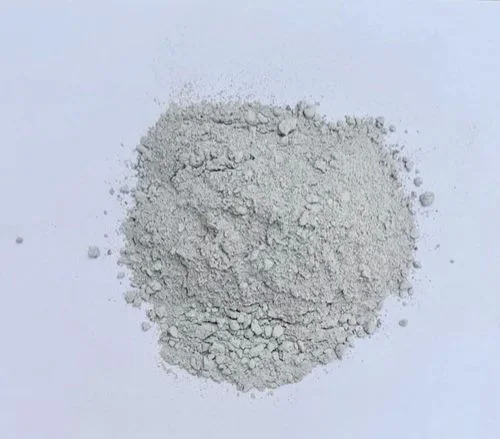
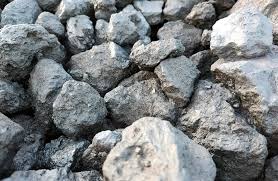
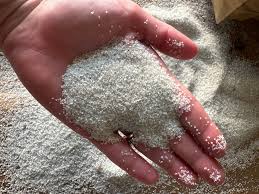
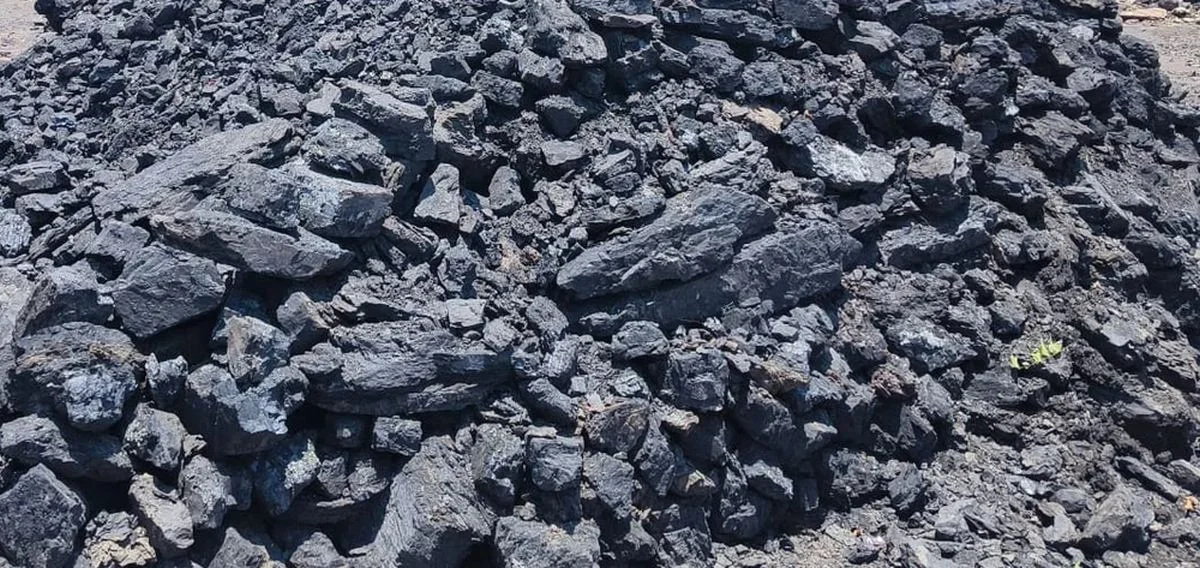
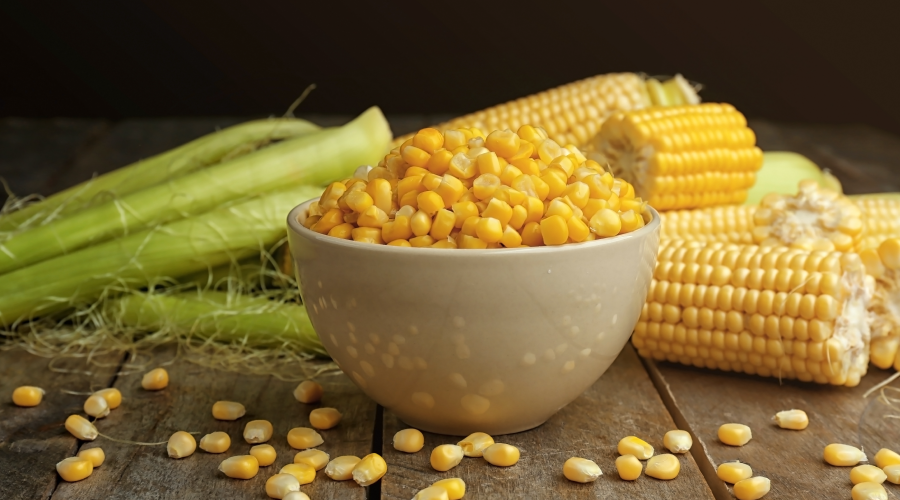
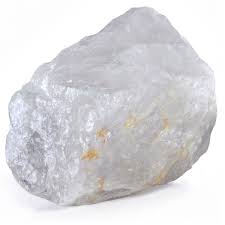
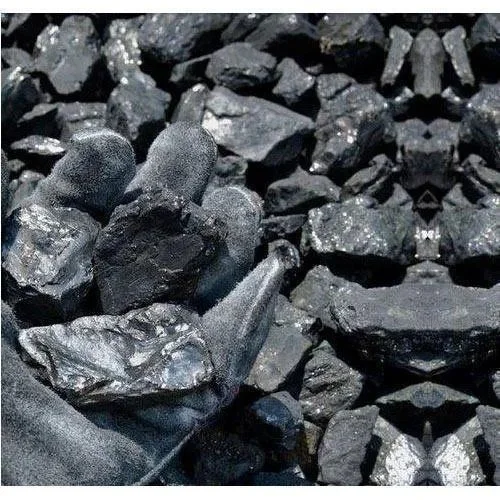
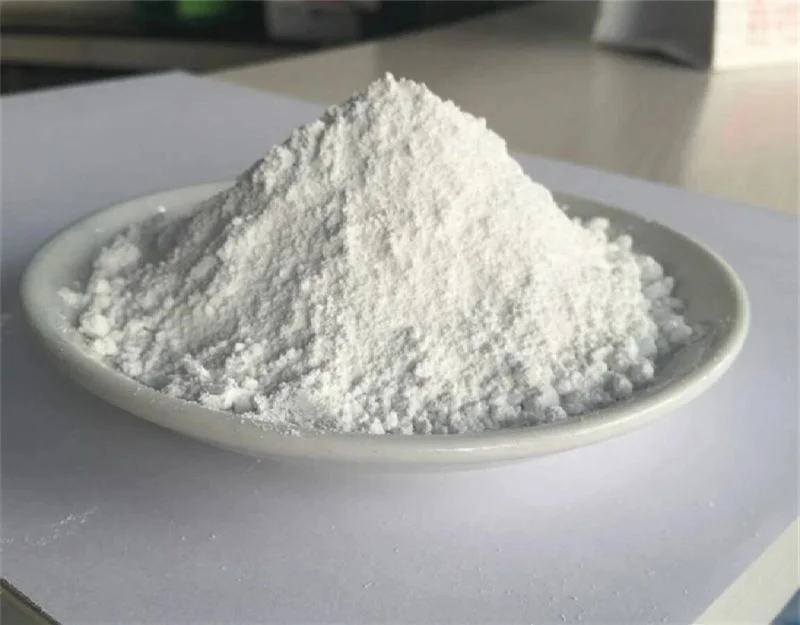
Indonesia‑based CV. Rajendra Surya Oval lists 22 active products across several commodity groups. The catalogue includes multiple fertilizer formulations such as Urea N46, NPK 15‑15‑15, NPK 16‑16‑16, MAP 11‑53‑0 and DAP 18‑46‑0, as well as dairy milk powders (whole and skimmed), paper board variants, plywood, wooden floor panels, industrial pumps and condensers, and bulk raw materials like dolomite powder (HS 2518.20), crude palm oil, Brazilian soybeans, Brazilian corn, wood pellets, anthracite and coking coal (HS 2701.11), silica sand (HS 2505.10), manganese ore (HS 2602.00) and Portland cement (HS 2523.29). Each product is identified by its material composition or grade where applicable, for example dolomite powder containing 31 % CaO and 21 % MgO. The supplier’s focus spans both agricultural inputs and industrial raw materials, reflecting a diversified export portfolio. All listed items are tied to specific HS‑code families that determine customs treatment and statistical reporting.
Product Range and Specialties of CV. Rajendra Surya Oval
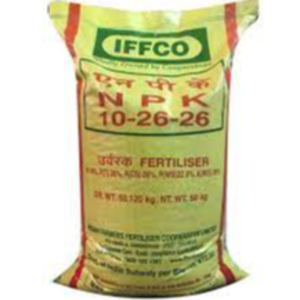
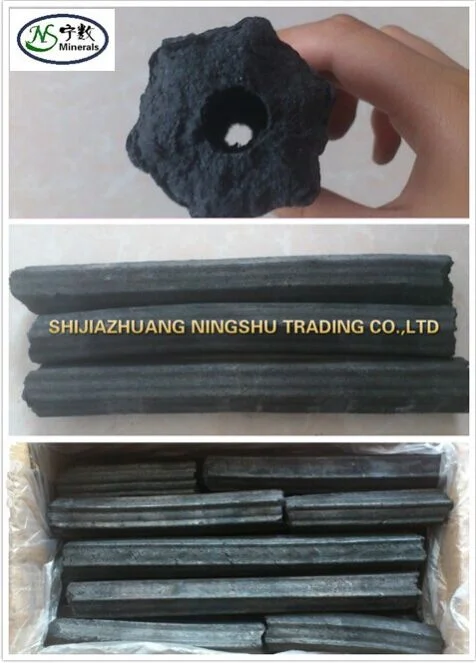
The fertilizer line follows standard N‑P‑K ratios used globally: Urea N46 provides 46 % nitrogen, while the NPK blends deliver balanced 15‑15‑15 and 16‑16‑16 ratios suitable for cereal and vegetable crops. MAP 11‑53‑0 and DAP 18‑46‑0 are common phosphate sources with high solubility, typically meeting ISO 9001 quality management specifications. Dolomite powder is offered with a declared CaO/MgO content that meets the typical 30 %/20 % purity range required for steelmaking and soil amendment, and the HS code 2518.20 classifies it as a mineral fertilizer component. Crude palm oil from Indonesia usually conforms to the standard free fatty acid (FFA) limit of ≤ 5 % and an iodine value around 50‑55, which are the benchmarks for edible oil buyers. Coal listed under HS 2701.11 is anthracite with a fixed carbon content above 80 % and low volatile matter, matching the specifications demanded by power generation and steel industries. Silica sand (HS 2505.10) at 99 % SiO₂ purity is typical for glass manufacturing, while manganese ore (HS 2602.00) with ≥ 54 % Mn fits the feedstock standards for ferromanganese production. Portland cement (HS 2523.29) is described as clinker with gypsum, aligning with ASTM C150 Type I/II performance grades.
Trade and Export Information - CV. Rajendra Surya Oval
Indonesia ranks among the world’s top exporters of fertilizers, palm oil, anthracite coal and cement, with bulk shipments primarily destined for China, India, Japan, the European Union and the Middle East. HS‑code families 2505, 2518, 2602, 2701 and 2523 are regularly inspected under the ASEAN‑China Free Trade Area framework, and buyers often require certificates of analysis, SGS inspection reports and ISO 9001/ISO 14001 compliance before cargo release. Fertilizer consignments are typically packed in 50 kg polypropylene bags or 25‑ton bulk bags, while palm oil, coal and cement travel in 20 ft or 40 ft containers on FOB or CIF terms, with moisture control and ventilation standards applied to prevent product degradation. Paper board, plywood and wood pellets are usually shipped in wooden crates or bulk bags, adhering to ISPM 15 phytosanitary treatment for wood packaging when entering EU markets. Export documentation generally includes a commercial invoice, packing list, certificate of origin, and where applicable, a phytosanitary certificate for wood products or a mineral assay report for ores.
Sourcing from CV. Rajendra Surya Oval - Buyer Guidance
Buyers should request a recent certificate of analysis for each fertilizer batch, confirming nitrogen, phosphorus and potassium content, as well as moisture and impurity limits. For dolomite, silica sand, manganese ore and other mineral products, a mineral assay report showing elemental composition and moisture percentage is standard practice. Samples of palm oil should be accompanied by an FFA test report and an iodine value measurement; similarly, cement samples should include a compressive strength test at 28 days. Verify that the supplier can provide ISO 9001 or equivalent quality management certification, and confirm the HS codes on the commercial invoice match the product descriptions. Prior to full order, ask for a third‑party inspection report (e.g., SGS, Bureau Veritas) and clarify container loading plans, especially for bulk commodities that require moisture‑controlled environments.
Frequently Asked Questions About CV. Rajendra Surya Oval
What fertilizer grades does CV. Rajendra Surya Oval offer?
The supplier lists Urea N46, NPK 15‑15‑15, NPK 16‑16‑16, MAP 11‑53‑0 and DAP 18‑46‑0, each matching common industry nitrogen‑phosphorus‑potassium ratios used for staple crops.
Which HS codes apply to the mineral products?
Dolomite powder is classified under HS 2518.20, silica sand under HS 2505.10, manganese ore under HS 2602.00, anthracite and coking coal under HS 2701.11, and Portland cement under HS 2523.29.
What documentation should be requested for the coal shipment?
Buyers should ask for a mineral assay report showing fixed carbon content, an SGS inspection certificate, and the HS‑code‑specific customs declaration confirming HS 2701.11.
How is crude palm oil typically packaged for export?
It is usually shipped in bulk in stainless‑steel tank containers or 20 ft/40 ft containers with sealed drums, complying with FFA ≤ 5 % and iodine value around 50‑55.
Are there standard quality tests for the cement?
Cement shipments are commonly accompanied by a 28‑day compressive strength test report and a certificate confirming compliance with ASTM C150 Type I/II specifications.
What are the typical packaging methods for wood pellets?
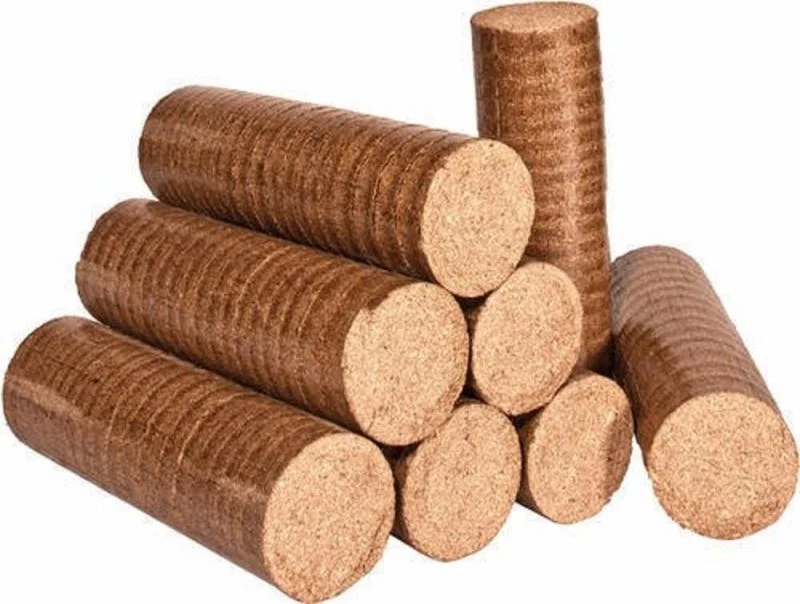
Wood pellets are generally packed in 1 ton bulk bags or 20 ft containers, with moisture content kept below 10 % to meet international fuel standards.
Which regions most often import the listed fertilizers?
Major importers include Southeast Asian countries, South Asia (India, Pakistan), East Africa and the Middle East, where bulk fertilizer demand aligns with agricultural cycles.
What certifications are commonly required for the listed products?
Buyers usually request ISO 9001 quality management, ISO 14001 environmental compliance, and product‑specific certificates such as SGS inspection reports or phytosanitary certificates for wood‑based items.




 , Indonesia