CSK Exports — Verified Supplier
About CSK Exports - Charcoal Supplier in India
India is the origin country for CSK Exports, which lists ten active products in its catalogue. The catalogue includes Charcoal, Cashew Nuts, Fresh Fruits, Fresh Vegetables, Rice, Disposable Paper Cup, Indian Spices, Candle, Areca Leaf Plate and Waste Paper. These items fall under various HS code families such as 4401 for charcoal, 0801 for cashew nuts, 0803 for fresh fruits, 0709 for fresh vegetables, 1006 for rice, 9619 for disposable paper cup and plate, 3406 for candles, and 4810 for waste paper. CSK Exports is classified as an imported supplier with a harbor trust tier. The product list reflects a focus on agricultural and forest‑derived commodities.
The active product count of ten indicates a diversified but limited portfolio. Each listed product is presented without additional sub‑variants in the supplied data, and no specific grades, certifications or packaging details are disclosed by the supplier. Buyers can therefore expect to negotiate specifications such as charcoal moisture levels, cashew nut size grading, or rice moisture content directly with the supplier. The catalogue also contains items that are commonly subject to phytosanitary and quality inspections before export.
Product Range and Specialties of CSK Exports
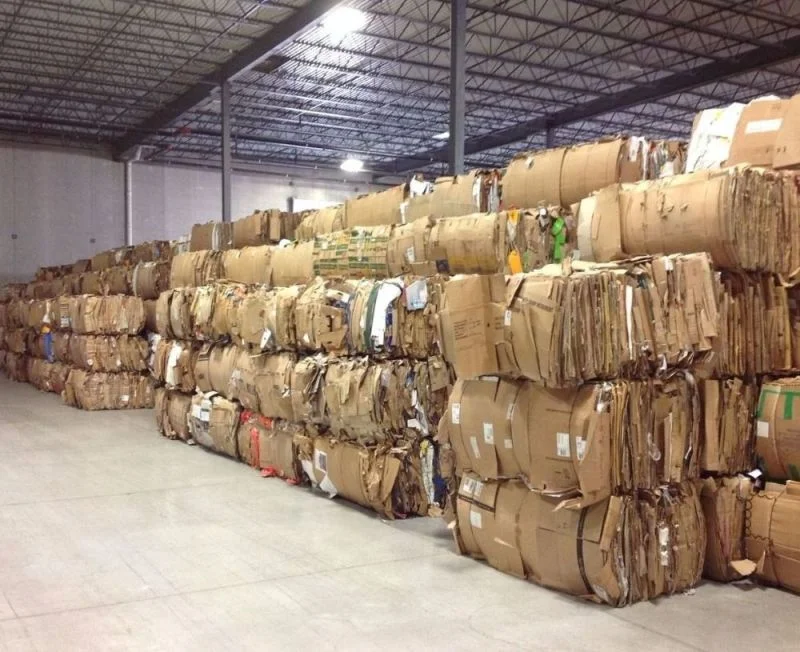
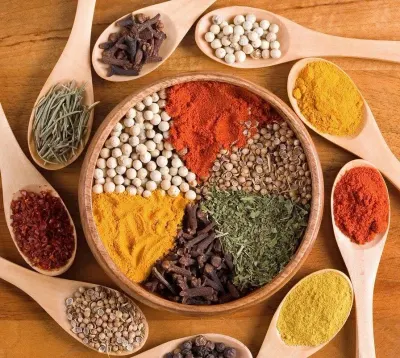
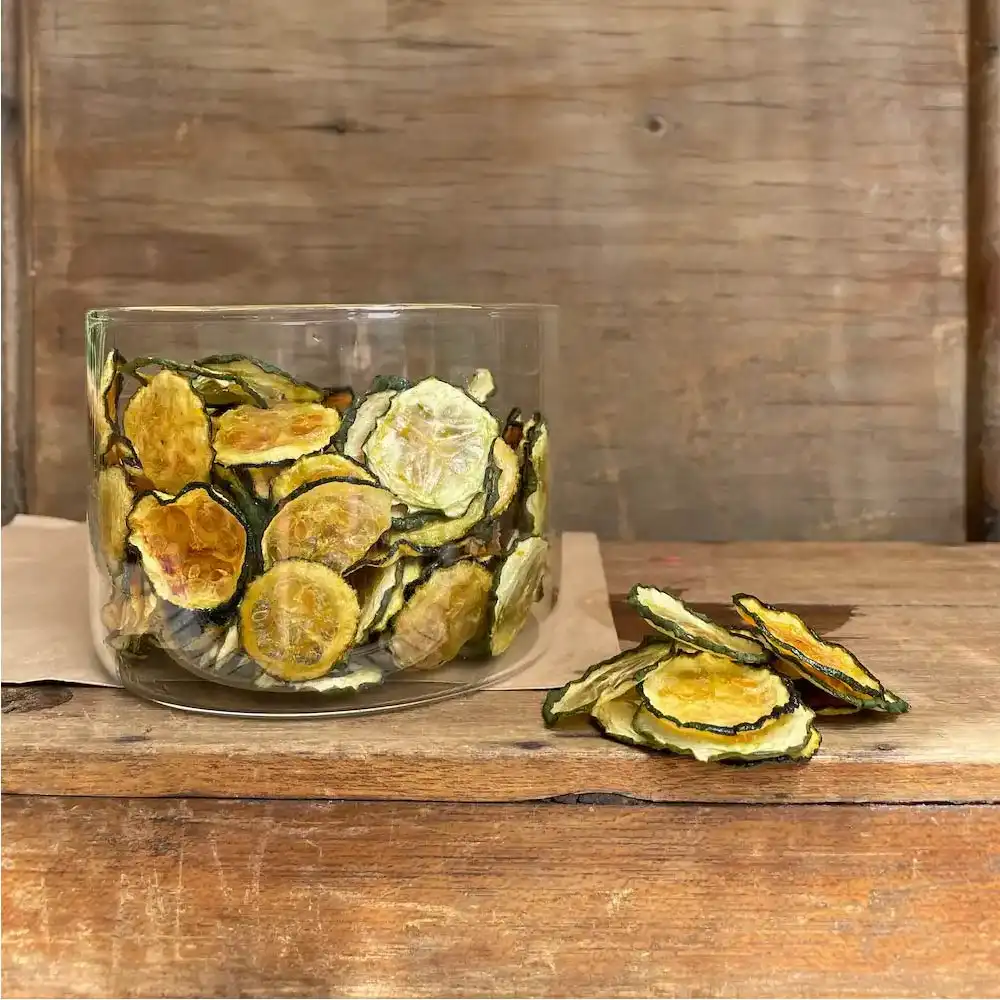
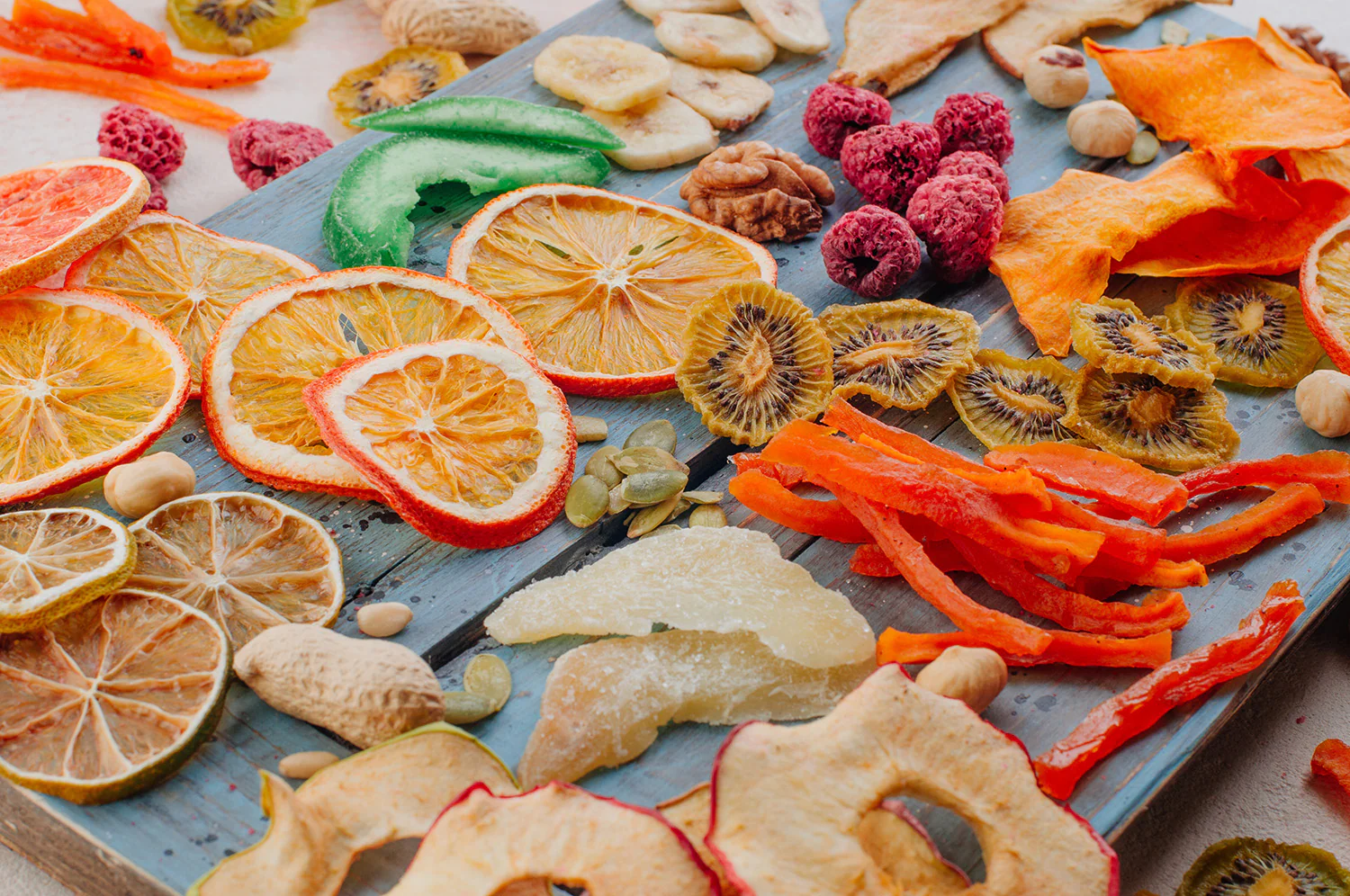
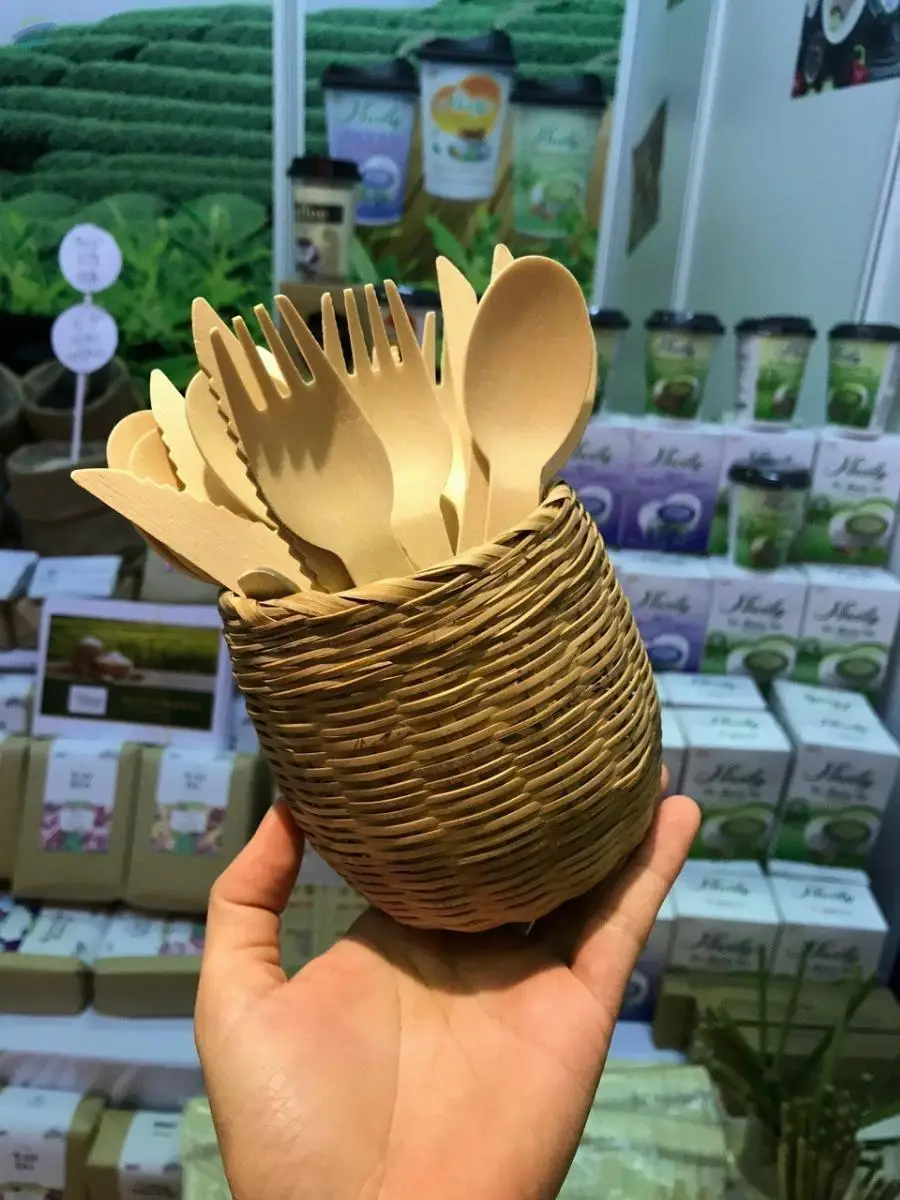
The catalogue comprises Charcoal, Cashew Nuts, Fresh Fruits, Fresh Vegetables, Rice, Disposable Paper Cup, Indian Spices, Candle, Areca Leaf Plate and Waste Paper. In the charcoal market, buyers typically differentiate between lump charcoal and briquettes, with moisture content below 10 % and ash content under 5 % as common quality thresholds. Cashew nuts are usually graded by kernel size (e.g., 12 mm, 14 mm) and moisture below 4 %, while Indian spices are often required to meet FSSAI or ISO 22000 specifications for pesticide residues. Fresh fruits and vegetables are exported with minimum shelf‑life guarantees, packed in ventilated cartons, and must comply with APEDA or EU phytosanitary standards. Rice grades such as Basmati (extra long grain) and non‑Basmati have moisture limits of 12‑14 % and are shipped in 20‑ft containers. Disposable paper cups and areca leaf plates are generally food‑grade, 80‑120 g m‑2 thickness, and biodegradable, falling under HS 9619. Waste paper is sorted into grades like mixed office waste or newsprint, typically baled at 500 kg per bale.
Industry‑wide, buyers of these categories request material safety data sheets (MSDS) for candles (paraffin or soy base), certification of origin, and test reports for heavy metals in spices. For waste paper, buyers look for fiber content analysis and moisture content below 12 %. The supplier’s product list therefore aligns with standard export specifications across these commodity groups.
Trade and Export Information - CSK Exports
India is a major exporter of agricultural and forest products, and the items listed by CSK Exports are commonly shipped to the Middle East, Africa, Europe and North America. Charcoal (HS 4401) is often used for industrial fuel and barbeque applications, with buyers typically requiring a calorific value of 28‑30 MJ kg‑1 and moisture below 10 %. Cashew nuts (HS 0801) are in demand in the EU and US, where EU Regulation 1169 and US FDA requirements for aflatoxin limits apply. Fresh fruits and vegetables (HS 0803, 0709) are subject to phytosanitary certificates, cold‑chain logistics, and often packed in 20 ft refrigerated containers (reefers). Rice (HS 1006) from India is exported mainly in bulk bags or 20‑ft containers, with buyers looking for moisture control and absence of broken grains. Disposable paper cups and areca leaf plates (HS 9619) are increasingly exported to markets with strong sustainability criteria, requiring certifications such as FSC or compostability tests. Candles (HS 3406) are shipped in cartons, with safety standards like ISO 9001 or IEC 60335 often requested. Waste paper (HS 4810) is exported in bulk bales, and buyers generally request a certificate of origin and a waste‑paper composition report.
Typical Indian exporters use FOB or CIF incoterms, secure cargo in sturdy wooden pallets for bulk items, and employ marine freight for containers. Export documentation frequently includes a commercial invoice, packing list, bill of lading, certificate of origin, and where applicable, a phytosanitary certificate or fumigation certificate. Buyers should verify that the supplier can provide these documents in compliance with the importing country’s customs regulations.
Sourcing from CSK Exports - Buyer Guidance
When sourcing from CSK Exports, request detailed product specifications such as charcoal moisture and ash content, cashew kernel size and moisture, rice grain length and moisture, and paper cup thickness. Ask for laboratory test reports, MSDS for candles, and any available third‑party certification (e.g., ISO 9001, FSSAI, or organic certification) to confirm compliance with your market’s standards. Obtain a phytosanitary certificate for fresh produce and a certificate of origin for all goods to facilitate customs clearance.
Before placing a purchase order, verify the supplier’s packaging method (e.g., bulk bags for rice, insulated cartons for fresh produce, sealed pallets for paper products) and confirm the minimum order quantity (MOQ) that aligns with your volume requirements. Clarify lead times, which for most Indian exporters range from 15 days for processed items like candles to 30‑45 days for fresh fruits and vegetables, and agree on the incoterm (FOB or CIF) that best suits your logistics plan.
Frequently Asked Questions About CSK Exports
What product categories does CSK Exports list in its catalogue?
The catalogue includes Charcoal, Cashew Nuts, Fresh Fruits, Fresh Vegetables, Rice, Disposable Paper Cup, Indian Spices, Candle, Areca Leaf Plate and Waste Paper.
Which HS codes are relevant for the items offered by CSK Exports?
Typical HS codes are 4401 for Charcoal, 0801 for Cashew Nuts, 0803 for Fresh Fruits, 0709 for Fresh Vegetables, 1006 for Rice, 9619 for Disposable Paper Cup and Areca Leaf Plate, 3406 for Candle, and 4810 for Waste Paper.
What quality specifications should I request for charcoal?
Ask for moisture content below 10 %, ash content under 5 %, and a calorific value of 28‑30 MJ kg‑1, supported by a laboratory test report.
How is cashew nut quality usually graded?
Cashew nuts are graded by kernel size (e.g., 12 mm, 14 mm) and moisture content below 4 %, with a certificate of analysis confirming aflatoxin levels.
What documentation is needed for importing fresh fruits or vegetables?
A phytosanitary certificate, certificate of origin, commercial invoice and packing list are standard; buyers often also require a cold‑chain handling plan.
What are the typical packaging and container sizes for rice exports?
Rice is usually packed in 20 ft or 40 ft containers, either in bulk bags (25 kg) or in polypropylene bags, with moisture limited to 12‑14 %.
Are there any certifications commonly required for Indian spices?
Importers frequently request FSSAI compliance, ISO 22000 or a third‑party pesticide residue test report for spices.
What are the usual lead times for fresh produce from India?
Lead times for fresh fruits and vegetables generally range from 30 to 45 days, depending on seasonality and required cold‑chain arrangements.




 , India