Cong Ty Tnhh Alohome — Verified Supplier
About Cong Ty Tnhh Alohome - Dehydrated Fruits Supplier in Viet Nam
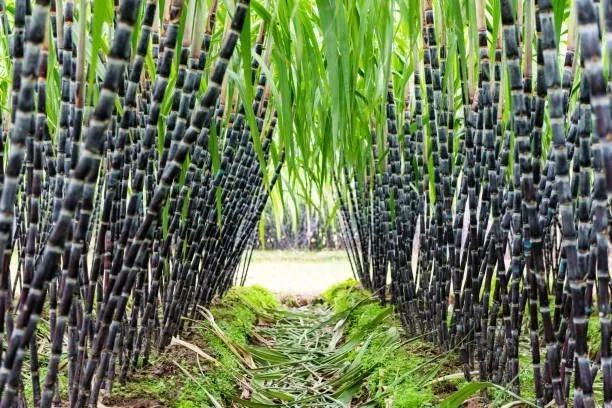
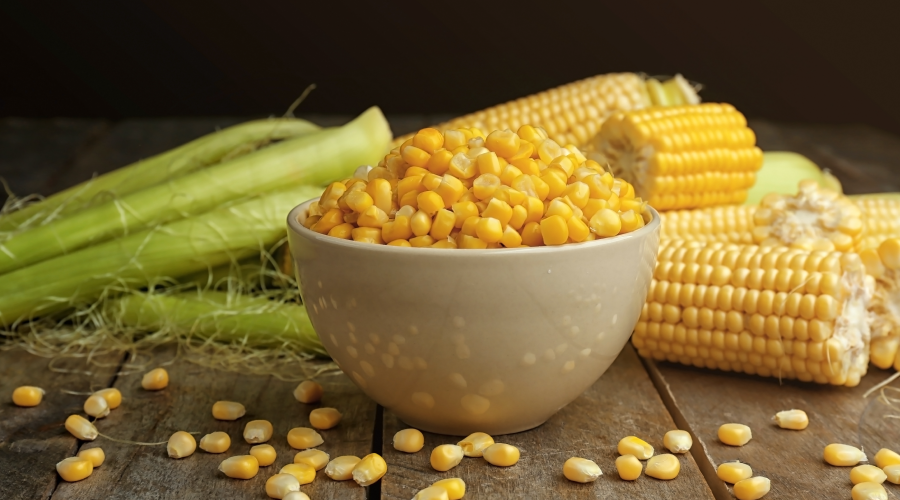
Cong Ty Tnhh Alohome operates out of Viet Nam and currently lists twelve active products. The supplier’s portfolio spans dehydrated fruits, sugarcane, corn, plant extracts, desiccated coconut, noodles and pasta, cashew nuts, and briquette materials. Each product line is represented in the online catalogue with specific items such as dried mango, frozen sugarcane, baby corn and others. The company is classified in the harbor trust tier, indicating a moderate level of verification in trade platforms. The catalogue reflects a focus on both food ingredients and bio‑fuel feedstock.
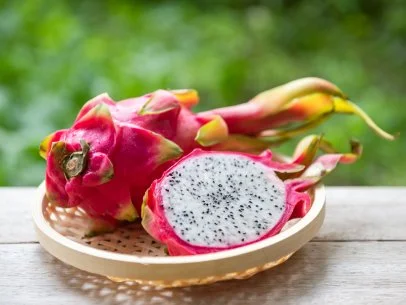
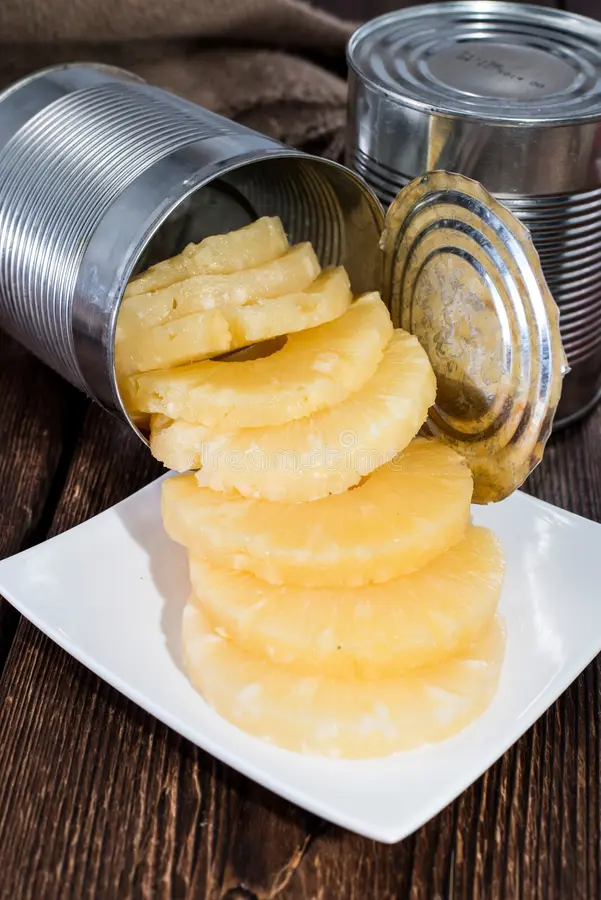
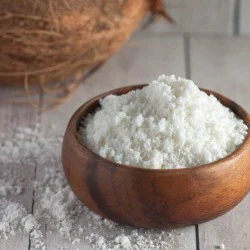
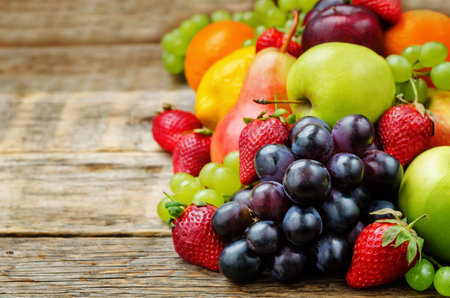
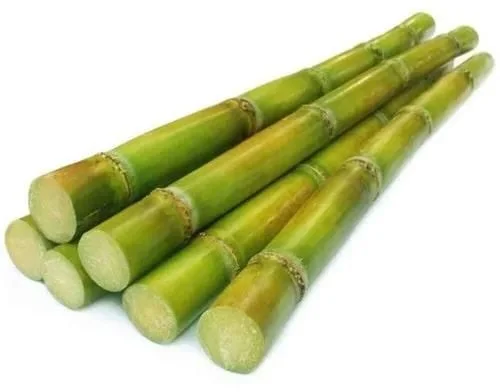
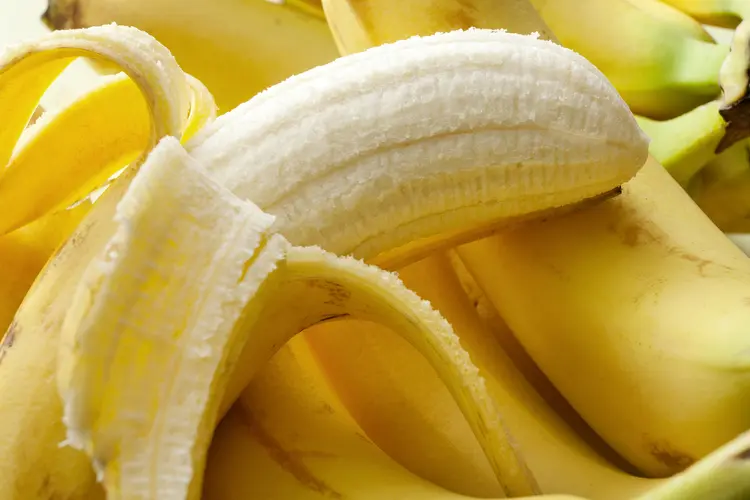
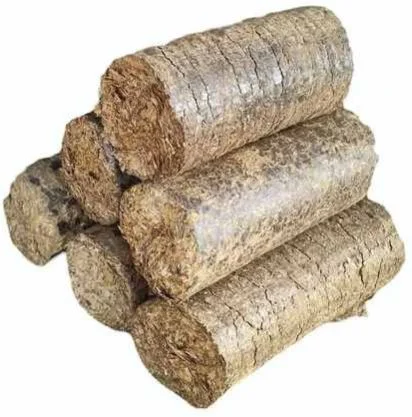
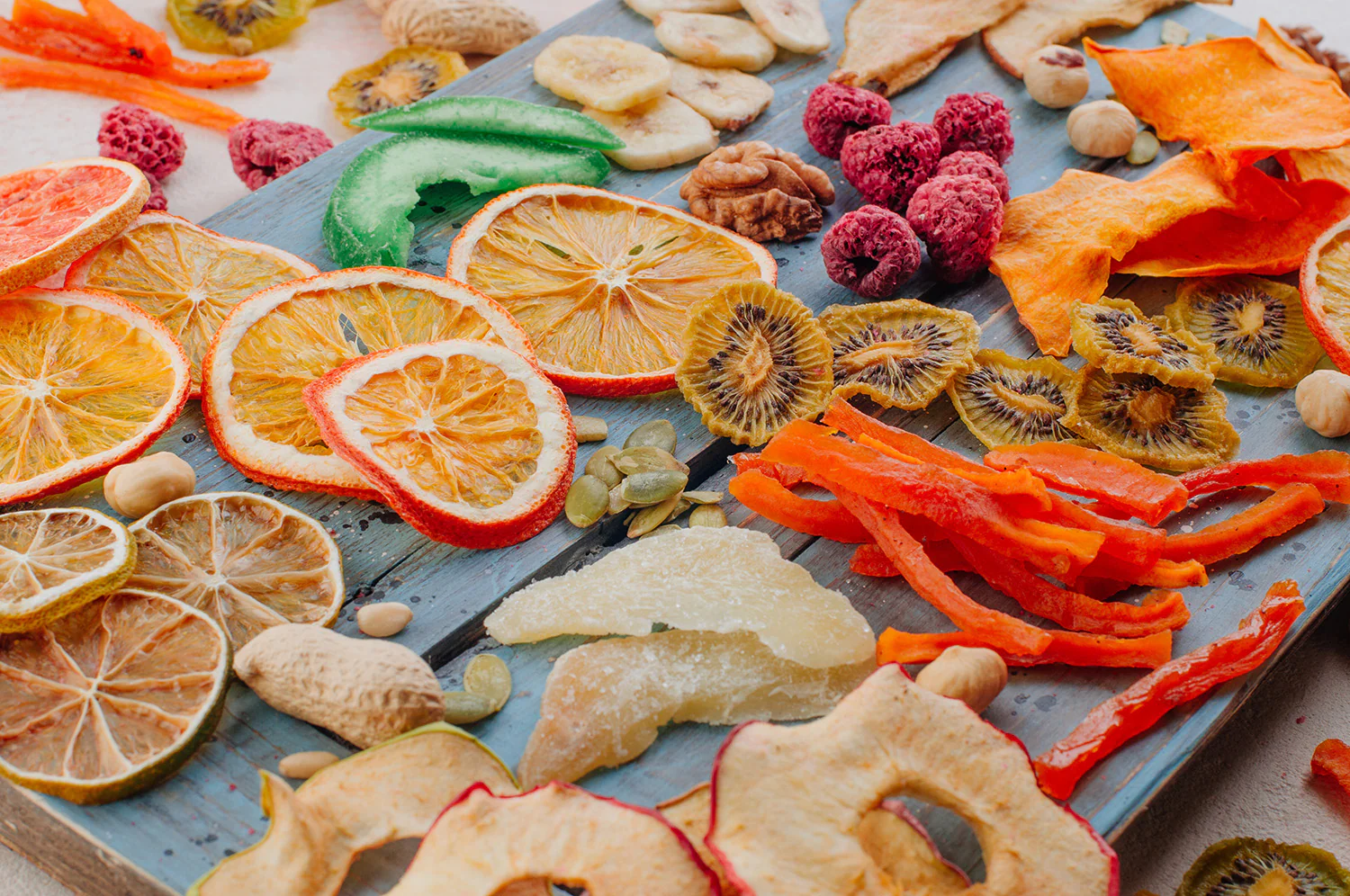
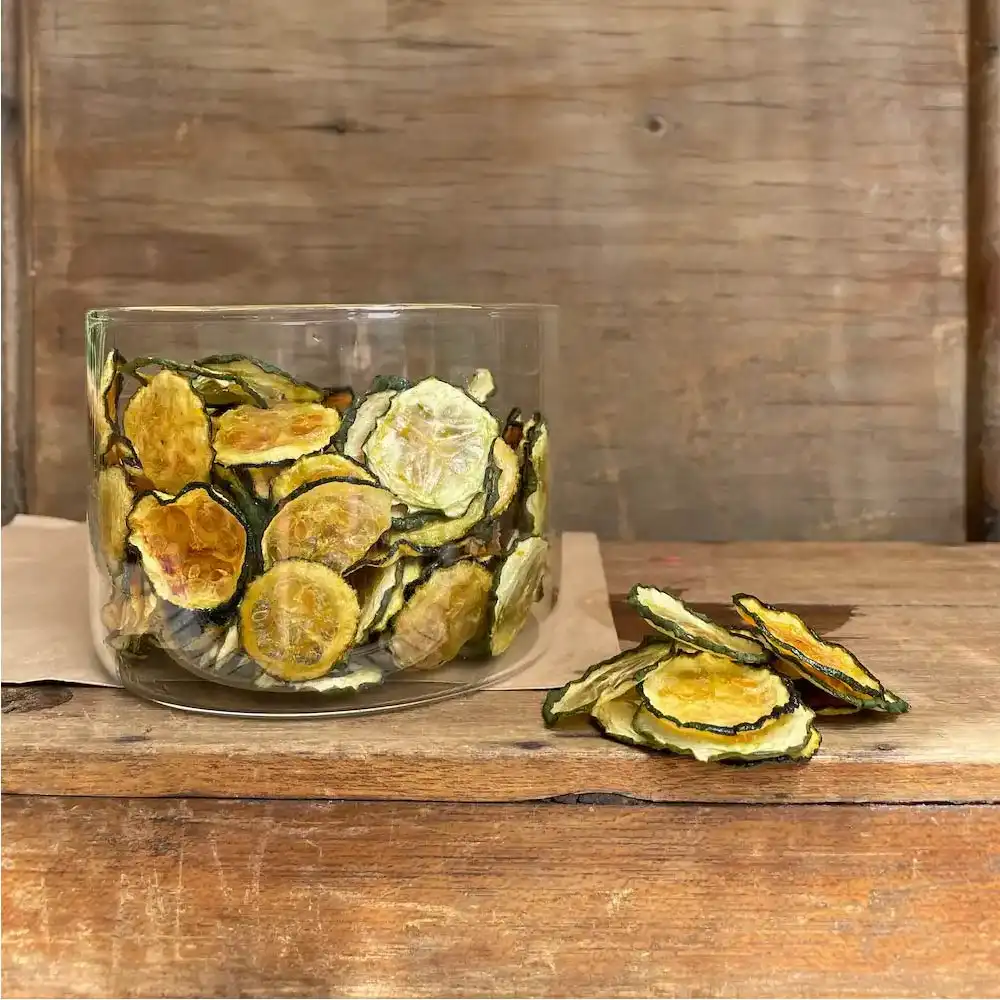
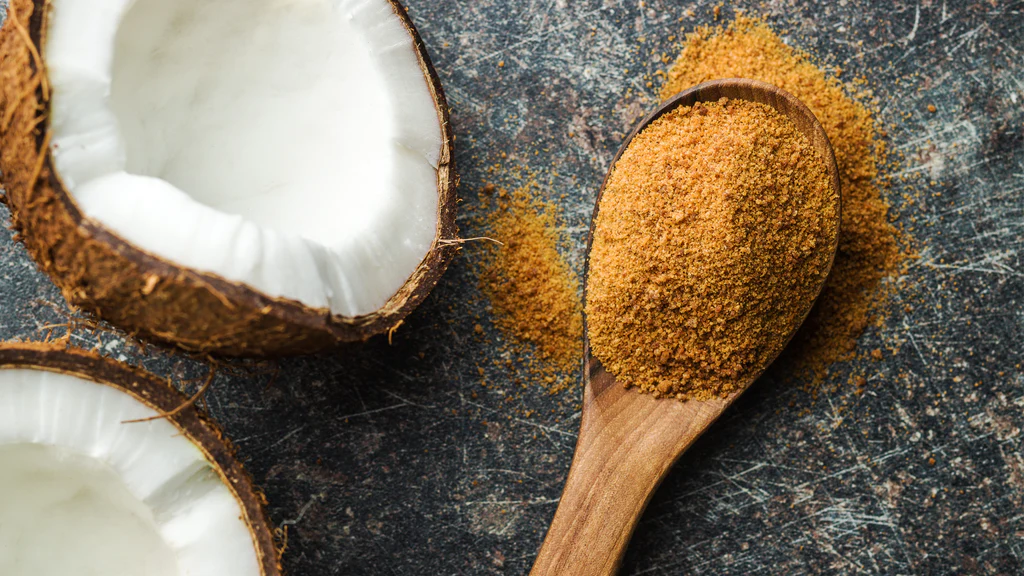
The detailed product list includes dried mango, frozen sugarcane, baby corn, banana leaf, dried papaya, desiccated coconut, rice stick noodle, cashew, dried dragon fruit, dried pineapple, sawdust pellets, and fresh/frozen sugarcane. These items correspond to the eight top categories reported for the supplier. The fruit items are offered as whole or sliced pieces suitable for bulk export. The coconut product is supplied as fully desiccated flakes with low moisture. The noodle product is a rice‑based stick format commonly packed in 20 kg polypropylene bags. The sawdust pellets are marketed as a renewable briquette feedstock for solid‑fuel applications.
Product Range and Specialties of Cong Ty Tnhh Alohome
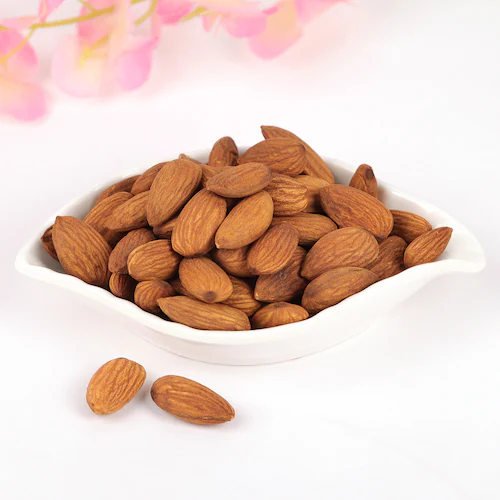
The catalogue of Cong Ty Tnhh Alohome covers a mix of dried tropical fruits, coconut derivatives, corn‑based noodles, nuts, and biomass pellets. Dried mango, papaya, pineapple and dragon fruit are typically processed to a moisture content below 12 % and may be exported as 100 % fruit with no added sugars. Desiccated coconut is usually graded by fat content (approximately 60 % to 65 %) and particle size, with moisture limits under 6 %. Cashew nuts are commonly supplied in Grade A size 10 - 12 mm with aflatoxin levels below 10 ppb. Rice stick noodles are produced from milled rice flour, often with a thickness of 2 - 3 mm and a final moisture of 12 - 14 %. Sawdust pellets are compressed into 6 - 8 mm diameter briquettes with a calorific value around 4 500 kcal kg⁻¹.
In the broader market, dehydrated fruits from Southeast Asia are evaluated against standards such as Codex Alimentarius moisture and microbiological limits, and buyers frequently request a Certificate of Analysis confirming pesticide residue below EU maximum residue limits. Desiccated coconut shipments are inspected for free fatty acid content and may require a phytosanitary certificate. Cashew exports often need compliance with the EU Rapid Alert System for Food and Feed (RASFF) and a declaration of origin. Noodle manufacturers look for consistent gelatinization temperature and a protein content of 7 - 9 %. Biomass briquettes are subject to ISO 17225 standards for wood fuel quality, including ash content below 5 %.
Trade and Export Information - Cong Ty Tnhh Alohome
Vietnam is a major exporter of tropical fruits, coconut products, nuts and renewable biomass, supplying markets in the European Union, United States, China and regional ASEAN countries. Export batches of dried mango, papaya or pineapple are typically packed in 20 kg or 25 kg polyethylene bags and loaded in 20‑foot containers, while larger volumes may use 40‑foot containers. Cashew nuts are often shipped in 1‑ton fiber drums or bulk bags, and rice stick noodles are containerized in vacuum‑sealed packs to preserve freshness. Briquette pellets are usually crated in 1‑ton wooden boxes for bulk handling.
Customs authorities commonly require a phytosanitary certificate, a Certificate of Origin and a laboratory test report for moisture, microbial load and pesticide residues for food items. For biomass products, an ISO 17225 compliance certificate and a calorific value test are standard. Buyers typically request HACCP or ISO 22000 audit reports to verify food safety management. Incoterms such as FOB Ho Chi Minh City or CIF EU ports are frequently used in contracts for these commodity groups.
Sourcing from Cong Ty Tnhh Alohome - Buyer Guidance
Procurement teams should ask Cong Ty Tnhh Alohome for a recent Certificate of Analysis that details moisture, ash and pesticide levels for each fruit batch, as well as a microbiological report meeting Codex limits. For cashew nuts, a aflatoxin test result and a size‑grade inspection report are essential before confirming an order. The supplier’s standard packaging specifications - 20 kg bags for dried fruit, 1‑ton drums for nuts, and 25 kg bags for noodles - should be verified against the buyer’s handling equipment.
Typical minimum order quantities range from 10 metric tons for dried fruits to 5 metric tons for cashew nuts, with lead times of 30‑45 days from order confirmation to shipment. Buyers are advised to confirm the required Incoterm, request a pre‑shipment inspection, and ensure that the supplier can provide the necessary food safety certifications (e.g., HACCP, ISO 22000) and phytosanitary documentation.
Frequently Asked Questions About Cong Ty Tnhh Alohome
What product formats does Cong Ty Tnhh Alohome offer for dried tropical fruits?
The supplier lists dried mango, papaya, pineapple and dragon fruit, each supplied as whole or sliced pieces packed in 20 kg polyethylene bags.
Which certifications should a buyer request for the cashew nuts?
Buyers should request a recent aflatoxin test, a size‑grade inspection report, and any available HACCP or ISO 22000 food safety audit.
How are the rice stick noodles packaged for export?
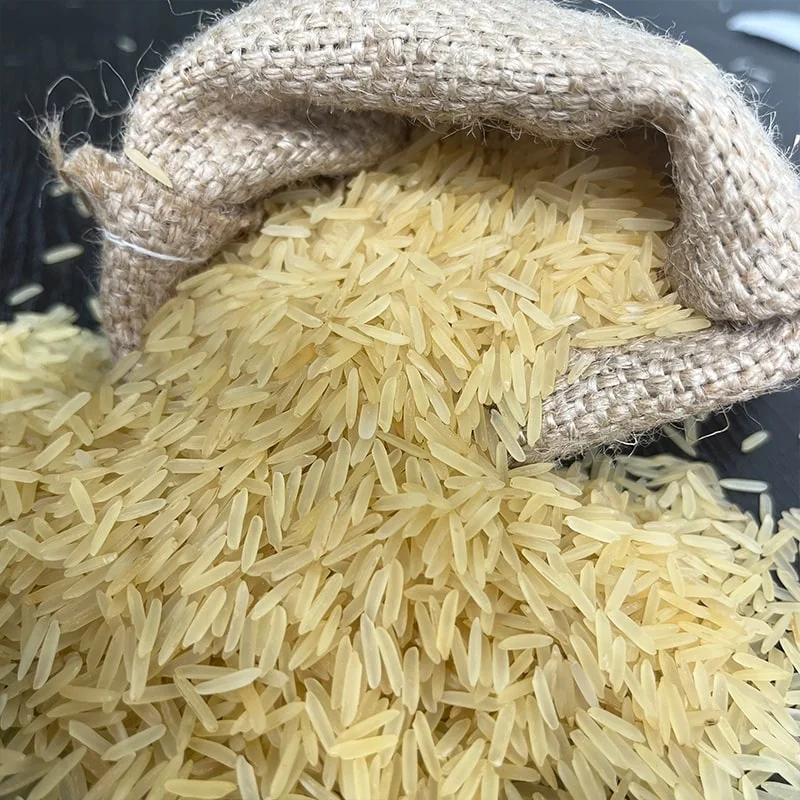
The noodles are produced from rice flour, formed into 2 - 3 mm sticks, and vacuum‑sealed in 25 kg polypropylene packs suitable for container loading.
What documentation is required for the sawdust pellet briquettes?
Typical documentation includes an ISO 17225 compliance certificate, a calorific value test report, and a phytosanitary certificate for wood‑based fuel.
What are the usual minimum order quantities for the supplier’s product lines?
Minimum orders are generally around 10 metric tons for dried fruits, 5 metric tons for cashew nuts, and 8 metric tons for noodles, with larger batches accepted for biomass pellets.
Which Incoterms are commonly used by Cong Ty Tnhh Alohome for shipments?
The supplier frequently works with FOB Ho Chi Minh City for bulk cargo and CIF for shipments to European ports.




 , Viet Nam