Comway Group International — Supplier
About Comway Group International - Urea Supplier in United States
The United States supplier Comway Group International lists eleven active products spanning agricultural, energy and industrial commodities. The catalogue includes Coal, Wood Pellets, Charcoal, Silica Sand (HS 2505.90, SiO2), Urea, White Cane Sugar, Granular and Prilled Urea, Freshly Harvested Non‑GMO Soybeans, EN590 10 PPM Diesel Oil, Disposable Gloves/Masks (HS 9020.00, non‑woven polypropylene) and Non‑MGO Soybeans. Each entry is identified by its standard commodity name, and where provided the HS code aligns with the global customs tariff schedule. The supplier’s product set therefore covers bulk raw materials, refined fertilizers, food‑grade sugar and soy, energy fuels and personal‑protective equipment.
The active product count of eleven reflects a focused portfolio rather than a broad‑line offering. Commodities such as Coal and Charcoal are listed without HS codes but belong to the HS 2501‑2503 families, while Wood Pellets fall under HS 4401. The inclusion of both granular and prilled Urea indicates coverage of different fertilizer forms, and the presence of both white cane sugar and non‑GMO soybeans points to food‑grade sourcing. Disposable gloves and masks are classified under HS 9020, a category for medical and protective articles. This mix of bulk and value‑added products positions the supplier within multiple trade streams that require distinct handling, documentation and quality verification.
Product Range and Specialties of Comway Group International
Comway Group International’s catalogue groups commodities by their primary use: energy (Coal, Wood Pellets, Charcoal), construction (Silica Sand SiO2), agriculture (Urea, Granular and Prilled Urea, Freshly Harvested Non‑GMO Soybeans, Non‑MGO Soybeans), food processing (White Cane Sugar) and logistics/health (Disposable Gloves/Masks, EN590 Diesel). In the global market, coal is typically supplied as thermal grade with a calorific value of 5,500 - 6,500 kcal/kg, while wood pellets meet ENplus A1 standards for moisture (<10 %). Charcoal for industrial use often targets an ash content below 7 %. Silica sand for glass or foundry applications is commonly specified at a purity of ≥99.5 % SiO₂ and a moisture content below 0.5 %. Urea fertilizer is graded by nitrogen content, usually 46 % N for granular and 45‑46 % N for prilled forms, with moisture limits of 0.5 % and particle size distribution meeting ISO 2738. White cane sugar is exported to meet ICUMSA 45 specifications, with moisture ≤0.1 % and ash ≤0.02 %. Non‑GMO soybeans are evaluated for protein content (≥36 % dry basis) and oil content (≈19 %). EN590 diesel must comply with sulfur ≤10 ppm, cetane number ≥51, and a cold filter plugging point (CFPP) appropriate to the destination climate. Disposable gloves and masks made from non‑woven polypropylene are typically tested to ASTM D6319 (glove) and EN 14683 (mask) standards for barrier performance and bacterial filtration.
Trade and Export Information - Comway Group International
The United States exports many of the listed commodities through major ports such as Houston, New Orleans and Los Angeles, using containerised or bulk shipments depending on the product. Coal (HS 2501) and wood pellets (HS 4401) are frequently shipped to Asian power generators and European steel mills, while charcoal (HS 4403) finds markets in metallurgy and barbeque sectors across North America and Europe. Silica sand (HS 2505) is a key input for glass manufacturers in Europe and automotive foundries in Asia. Urea (HS 3102) and its granular/prilled variants are standard nitrogen fertilizers for agricultural regions in South America, Africa and Southeast Asia, where buyers often request an analysis certificate showing nitrogen, moisture and particle size. White cane sugar (HS 1701) is exported to confectionery and beverage producers in the Middle East and Africa, with buyers typically requiring a certificate of analysis confirming ICUMSA grade, moisture and ash content. Non‑GMO soybeans (HS 1201) are sought by food processors in the EU and Japan, where non‑GMO verification and phytosanitary certificates are mandatory. EN590 diesel (HS 2710) complies with EU fuel standards and is sold to distributors in Eastern Europe and the Middle East under CIF or FOB terms. Disposable gloves and masks (HS 9020) are classified as medical protective equipment; exporters must meet FDA or EU CE marking requirements and provide test reports for tensile strength and filtration efficiency. Typical packaging includes 20‑ft or 40‑ft containers for finished goods, bulk bags (1 ton) for sand and fertilizer, and open‑top barges for coal. Buyers usually request pre‑shipment inspection by SGS, Bureau Veritas or a comparable third‑party agency.
Sourcing from Comway Group International - Buyer Guidance
When sourcing from Comway Group International, buyers should request the standard analytical certificates for each commodity: nitrogen content and moisture for Urea, ICUMSA grade and moisture for sugar, sulfur and cetane data for EN590 diesel, particle size distribution for silica sand, and protein/oil percentages for soybeans. For energy products such as Coal, Wood Pellets and Charcoal, a calorific value test report and moisture/ash analysis are customary, along with a bulk density measurement. Protective equipment (Disposable Gloves/Masks) should be accompanied by test reports to ASTM D6319 or EN 14683 and a declaration of compliance with FDA or EU regulations. Buyers are advised to confirm the presence of a third‑party inspection certificate (e.g., SGS, Intertek) and to verify that the shipment will be packed in accordance with industry norms - bulk bags for granular materials, sealed containers for refined products, and moisture‑proof liners for sand. Minimum order quantities typically start at 20 metric tonnes for bulk commodities, with lead times ranging from 30 to 60 days depending on product availability and destination port.
Frequently Asked Questions About Comway Group International
What HS codes does Comway Group International use for its listed products?
The supplier provides HS 2505.90 for Silica Sand SiO₂ and HS 9020.00 for Disposable Gloves/Masks. Other products fall under standard commodity codes such as HS 2501 for Coal, HS 4401 for Wood Pellets, HS 4403 for Charcoal, HS 3102 for Urea, HS 1701 for White Cane Sugar, HS 1201 for Soybeans, and HS 2710 for EN590 diesel.
Which certifications should a buyer request for the Urea products?
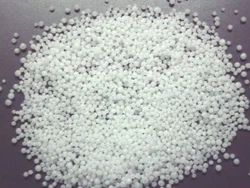
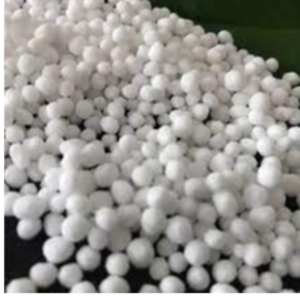
Buyers normally ask for an analysis certificate showing total nitrogen (≈46 % N), moisture (≤0.5 %), and particle size distribution according to ISO 2738. If the buyer needs it, a third‑party inspection report from SGS or Bureau Veritas can be requested.
How is the quality of the silica sand verified?
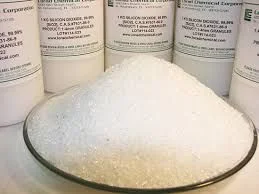
Typical verification includes a certificate of analysis confirming SiO₂ purity of ≥99.5 %, moisture below 0.5 %, and a particle size gradation report. An SGS inspection report and compliance with ISO 14688‑1 are common buyer requirements.
What documentation is needed for the EN590 diesel export?
Buyers should obtain a fuel quality certificate stating sulfur ≤10 ppm, cetane number ≥51, density at 15 °C, and a compliance statement with the EU EN590 standard. A phytosanitary certificate is not required, but a third‑party lab test report is standard.
Are samples available for the non‑GMO soybeans?
The supplier can provide a small sample (typically 5 kg) for laboratory analysis. Buyers should request a protein content report (≥36 % dry basis) and a non‑GMO verification certificate before placing a full order.
What packaging is used for the bulk commodities?
Coal and Charcoal are usually shipped in bulk in open‑top barges or bulk carriers. Silica sand and Urea are commonly packed in 1‑ton bulk bags, while wood pellets and sugar are containerised in 20‑ft or 40‑ft containers with moisture‑proof liners.
Which markets does Comway Group International primarily serve?
The supplier’s catalogue does not list specific target markets, but typical importers of these US‑origin commodities include power generators in Asia, agricultural distributors in Africa and South America, glass manufacturers in Europe, and food processors in the Middle East and EU.
What inspection procedures are standard for these shipments?
Buyers generally request pre‑shipment inspection by an accredited third‑party such as SGS, Intertek or Bureau Veritas. The inspection covers quantity verification, quality parameters (e.g., moisture, ash, purity) and compliance with the relevant HS code specifications.




 , United States