Agriculture›
 Apparel and fashion accessories›
 Construction & real estate›💡Electronic & Electrical›🍎Food & Beverages›🛋️Home furnishing & supplies›⚗️Industrial goods & chemical›🪨Minerals & metals›📦Miscellaneous›Agriculture›Apparel and fashion accessories›Construction & real estate›💡Electronic & Electrical›🍎Food & Beverages›🛋️Home furnishing & supplies›⚗️Industrial goods & chemical›🪨Minerals & metals›📦Miscellaneous›
Ceylon Exports & Trading Pvt. Ltd.
⚓ Harbor , Sri LankaNew supplier / no reviews yet
Ceylon Exports & Trading Pvt. Ltd. Product Catalog
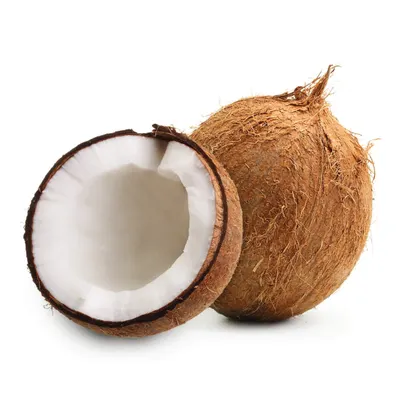
About Ceylon Exports & Trading Pvt. Ltd. - Coconut Oil Supplier in Sri Lanka
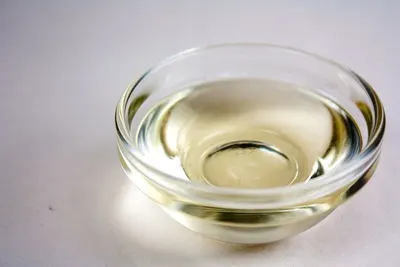
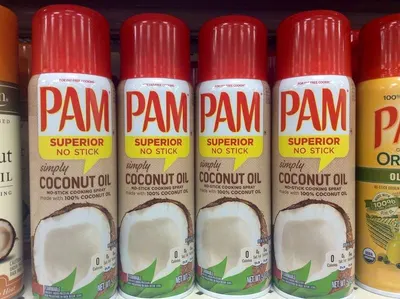
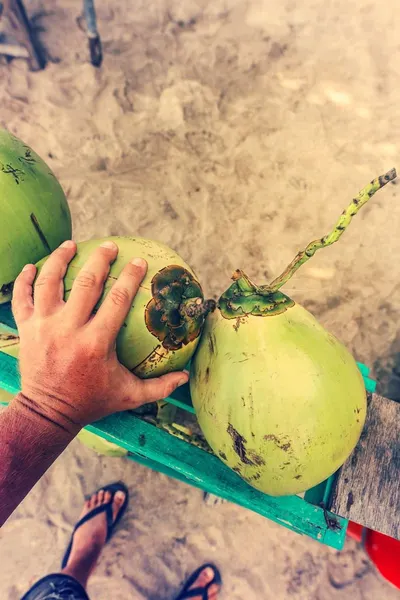
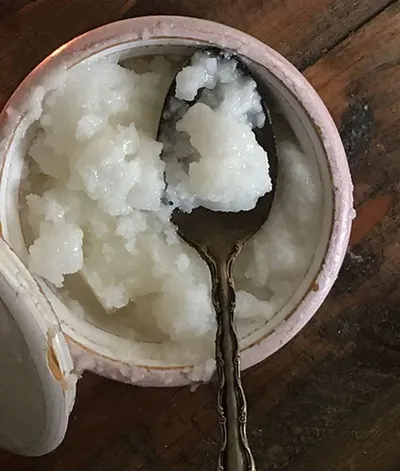
Sri Lanka, primarily the Western Province around Colombo, hosts Ceylon Exports & Trading Pvt. Ltd. The supplier lists ten active products across coconut oil, flour, water, milk, sugar, butter and related by‑products. The catalogue includes two packaging sizes of extra virgin coconut oil, organic refined coconut oil, organic MCT oil, organic coconut cream, organic coconut flour, organic coconut sugar, organic coconut butter, organic coconut amino and organic king coconut water. All items are described as organic where indicated, reflecting the supplier’s focus on value‑added coconut derivatives.
The product set covers edible oils, powders, liquids and sweeteners derived from coconut. Typical HS‑chapter classifications for these goods fall under vegetable oils (chapter 15), food preparations (chapter 16) and sugars (chapter 17), but the supplier’s catalogue does not provide specific HS codes. The list demonstrates coverage of both cold‑pressed and refined oil formats as well as functional ingredients such as MCT oil and amino acids derived from coconut.
Product Range and Specialties of Ceylon Exports & Trading Pvt. Ltd.
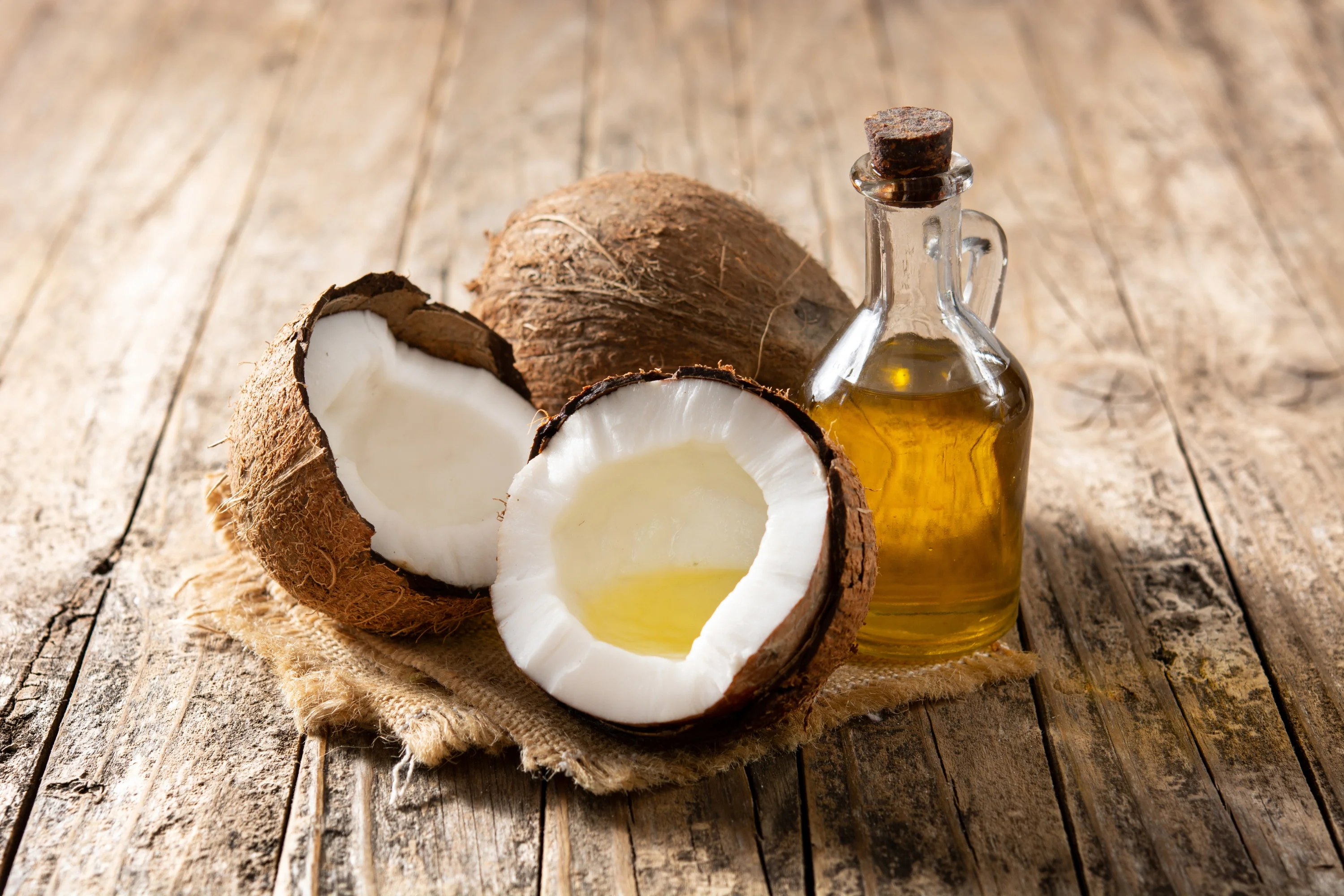
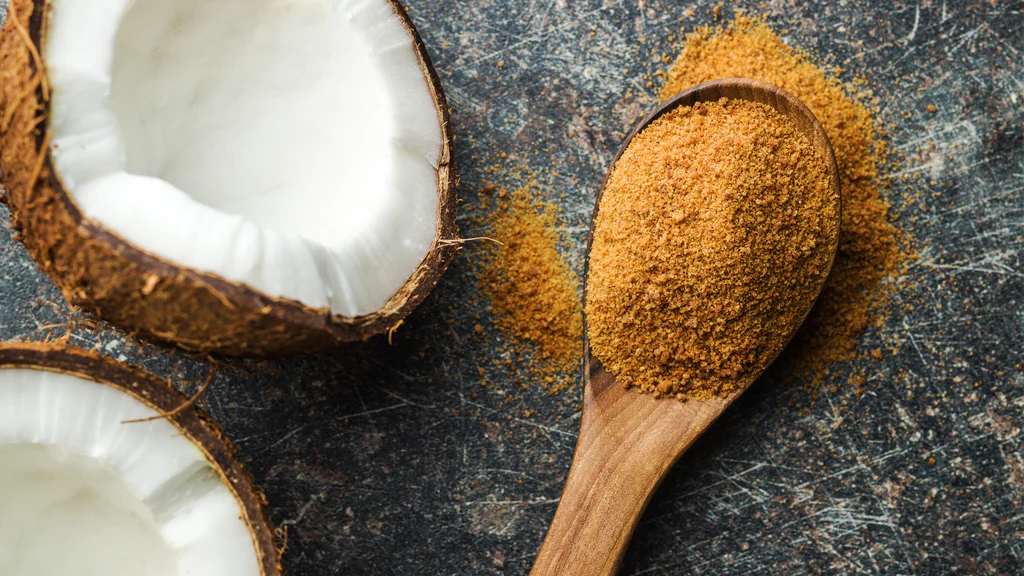
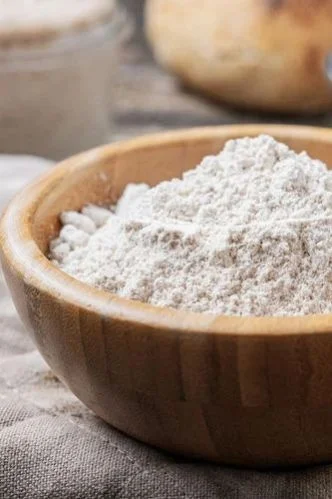
The catalogue features extra virgin coconut oil in 200 ml and 500 ml bottles, an organic refined coconut oil of the same volume, and an organic MCT oil of 250 ml. In the dry segment, organic coconut flour is offered in 500 g packs, while the sweetener line includes organic coconut sugar in 500 g bags. Liquid by‑products comprise organic king coconut water (350 ml), organic coconut cream (400 ml) and organic coconut butter (250 g). An organic coconut amino solution is also listed in a 350 ml container. In the coconut oil market, extra virgin grades are typically assessed by free fatty acid levels below 0.5 % and peroxide values under 10 meq kg⁻¹. Refined coconut oil usually meets ISO 660 standards for purity and a smoke point above 200 °C. MCT oil specifications often require a combined C8‑C10 triglyceride content of 70 % or higher. Coconut flour for bakery use is commonly limited to moisture below 12 % and ash under 1 %. Coconut sugar is generally expected to contain more than 90 % sucrose on a dry basis. These industry benchmarks apply to the supplier’s product types.
Frequently Asked Questions About Ceylon Exports & Trading Pvt. Ltd.
What packaging sizes are available for the extra virgin coconut oil?
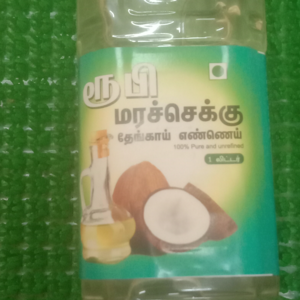
The supplier lists 200 ml and 500 ml PET bottles for extra virgin coconut oil. Both sizes are suitable for retail or bulk distribution depending on order volume.
Does the organic coconut flour meet standard bakery specifications?
Organic coconut flour is supplied in 500 g food‑grade bags. Typical industry specifications require moisture below 12 % and ash under 1 %, which the supplier’s product data should confirm via a Certificate of Analysis.
Which certifications should a buyer request for the organic coconut sugar?
Buyers should ask for the current organic certification (e.g., USDA Organic or EU Organic) and a Certificate of Analysis showing sucrose content above 90 % on a dry basis.
What are the common quality tests for MCT oil?
MCT oil is usually verified for combined C8‑C10 triglyceride content (minimum 70 %), free fatty acid level below 0.5 % and peroxide value under 10 meq kg⁻¹. Request a COA that includes these parameters.
Which incoterms are typically used for shipments from Sri Lanka?
Exporters from Sri Lanka commonly use FOB Colombo for bulk shipments and CIF Dubai for smaller container loads, aligning with regional shipping routes.
Sri LankaRelated Suppliers & Products
Explore similar suppliers, related products and trending categories