Carry Jin — Supplier

About Carry Jin - Titanium Supplier in China

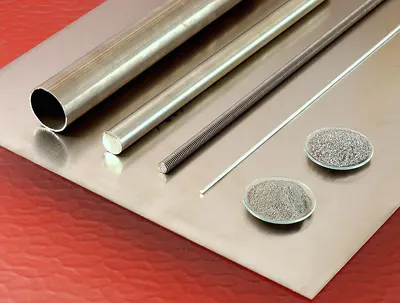
Based in China, Carry Jin lists 13 active products across its catalogue. The product portfolio covers titanium bars, plates and wires, as well as nickel tubes, bars, wires, alloys and steel bars. Titanium items are classified under HS chapter 81.08.20, while nickel tubes fall under HS 75.04.00 and nickel bars and wires under HS 75.05.11, 75.05.21 and 75.05.12 respectively. Additional items such as a titanium‑nickel memory alloy wire (HS 75.08.90) and a super‑alloy bar (HS 72.28.20) are also listed.

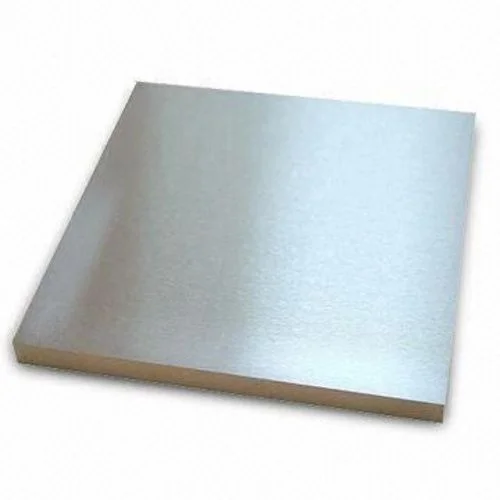
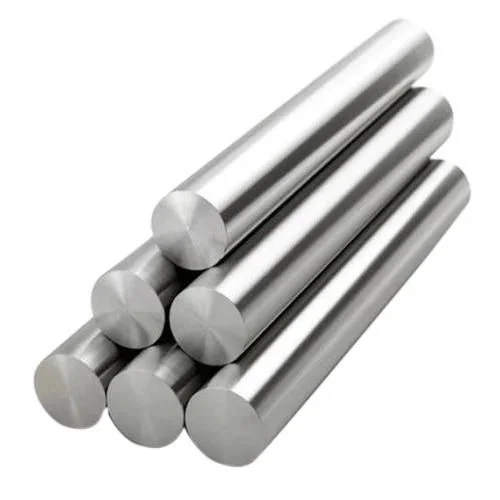
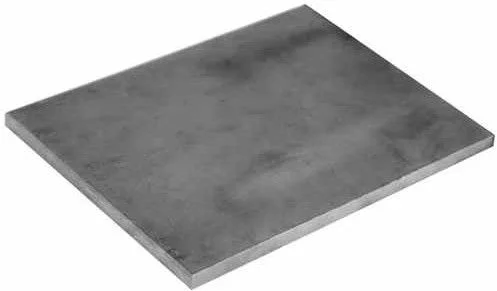
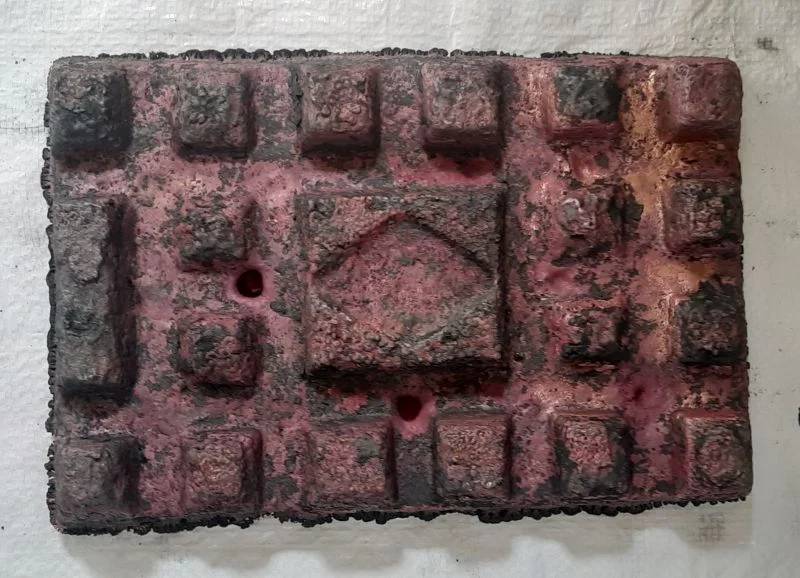
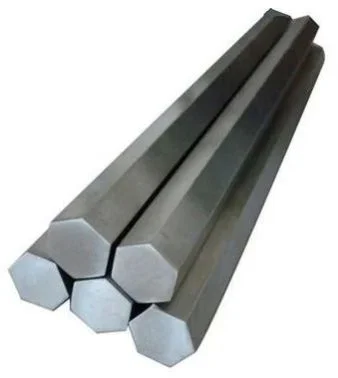
The catalogue specifies ASTM B863 titanium wire made from Ti‑6Al‑4V (Grade 5/TC4) and titanium plates offered in Grade 2 (TA2) and Grade 5 (TC4). Nickel tubes are supplied in grades N200, N400 and N600 with a minimum purity of 99.6 %. Nickel bars are marketed as pure nickel with 99.9 % - 99.99 % purity (grades N4, N6, N8) and the N6 nickel wire meets a minimum of 99.5 % nickel content (UNS N02201). A medical‑grade titanium plate for surgical implantation is listed under HS 9021.19 and uses the Ti‑6Al‑4V ELI alloy conforming to ASTM F136 and ISO 5832‑3. Other entries include a titanium‑nickel memory alloy wire (Nitinol), a super‑alloy bar based on Inconel 625, a pure nickel plate, a turbine‑blade titanium ring and hexagonal titanium rods.

Product Range and Specialties of Carry Jin

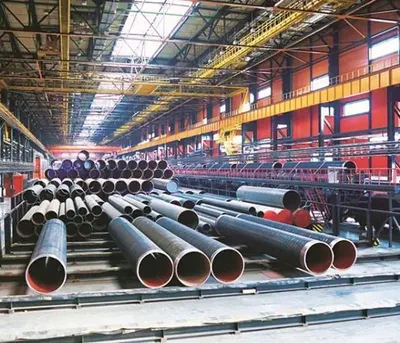
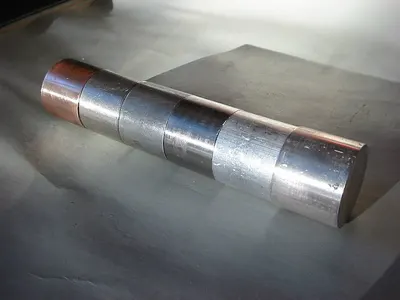
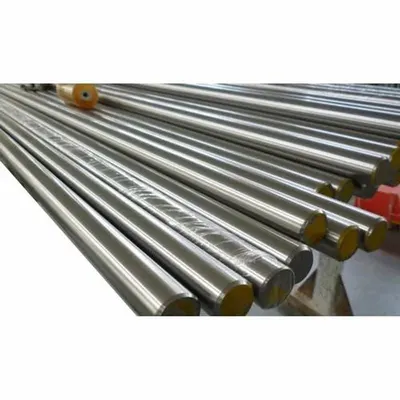
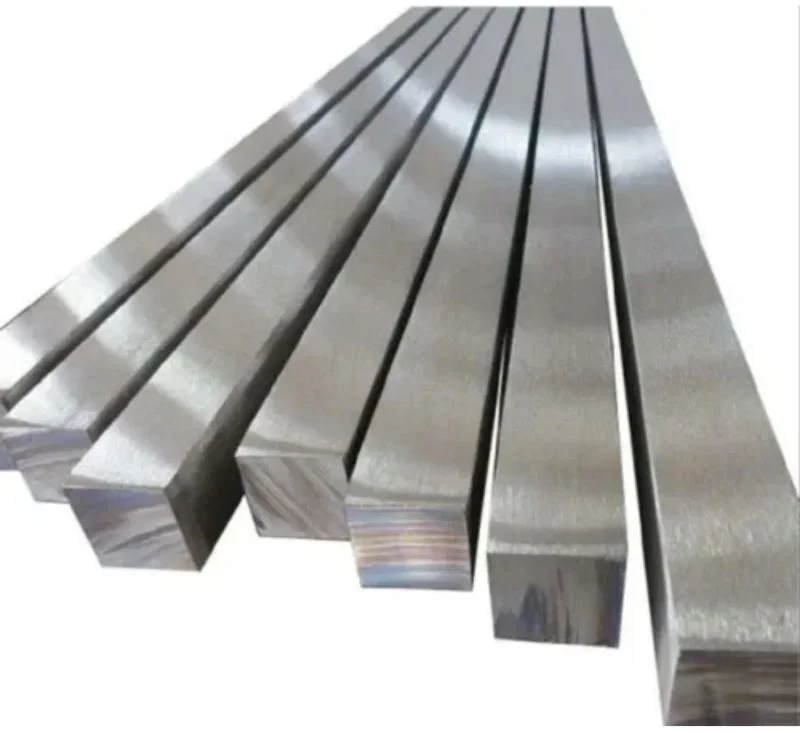
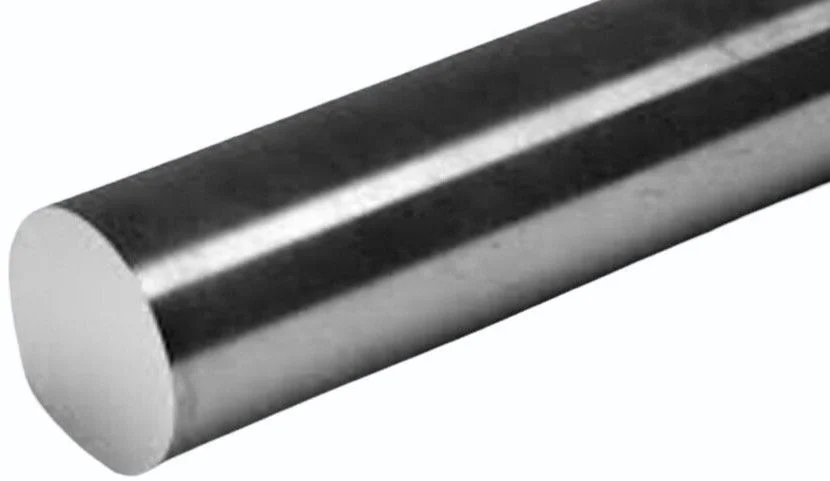
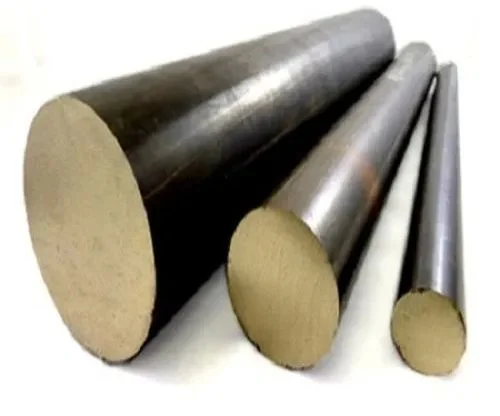
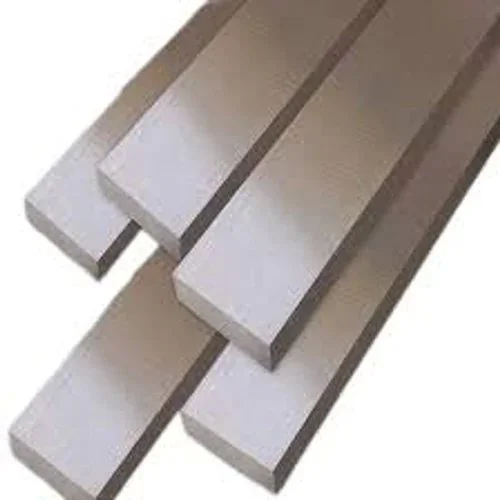
Carry Jin’s catalogue includes ASTM B863 titanium wire, ASTM B348 titanium bar, and titanium plates in grades 2 and 5, all identified with HS code 8108.20. Nickel offerings comprise tubes (HS 7504.00) in N200/N400/N600 grades, bars (HS 7505.11) with 99.9 % - 99.99 % purity, wires (HS 7505.21) such as N6 nickel wire, and a pure nickel plate (HS 7505.12). Additional products are a titanium‑nickel memory alloy wire (HS 7508.90) and a nickel‑based superalloy bar (HS 7228.20). The medical titanium plate for implantation is listed under HS 9021.19.

In the aerospace and medical sectors, titanium Grade 2 is valued for its corrosion resistance, while Grade 5 (Ti‑6Al‑4V) provides high strength‑to‑weight ratios and is specified in standards such as ASTM B348 and ISO 5832‑3. Nickel tubes of N200‑N600 are commonly used for chemical processing equipment, requiring a minimum 99.6 % purity and certification to ASTM B575. Pure nickel bars and plates typically meet ASTM B466 specifications, with mill test reports confirming chemical composition and mechanical properties. Nitinol memory alloy wires are graded by nickel content (~55 % Ni) and are often subjected to DSC testing to verify transformation temperatures.

Trade and Export Information - Carry Jin

China is a major exporter of titanium and nickel alloy products, with primary destinations in North America, the European Union, Japan and South Korea for aerospace, medical device and chemical processing applications. The HS 8108.20 family for titanium items and HS 7505‑12/11 families for nickel products are routinely inspected under Chinese customs and may require a certificate of origin and a mill test report for customs clearance. Buyers typically require compliance with ISO 9001 quality management and, for medical applications, CE marking or FDA‑recognised standards. Shipments are commonly packed in wooden crates or steel pallets and dispatched in 20‑foot or 40‑foot containers under FOB Shanghai or CIF terms.

Export logistics for these metal alloys often involve moisture‑controlled packaging to prevent surface oxidation, with surface‑treated rods and plates wrapped in anti‑rust film. Inspection agencies such as SGS or Bureau Veritas may be engaged to issue conformity certificates for ASTM or ISO standards. Lead times are influenced by heat‑treatment cycles and certification preparation, which can add 2‑3 weeks to the baseline production schedule.

Sourcing from Carry Jin - Buyer Guidance

Prospective buyers should request a current Mill Test Report (MTR) that details chemical composition, mechanical properties and heat‑treatment condition for each titanium or nickel grade. For medical‑grade titanium plates, an additional FDA 510(k) or CE‑MDR documentation package is customary, along with compliance certificates to ASTM F136/ISO 5832‑3. Verification of dimensions, tolerance (typically ±0.1 mm for rods and ±0.5 mm for plates) and surface finish (Ra ≤ 1.6 µm for aerospace parts) should be confirmed before order acceptance. Sample pieces, preferably in the same batch, are advisable to assess machinability and corrosion resistance.

Buyers should also confirm the proposed packaging (e.g., double‑wall crates, anti‑corrosion film) and the Incoterm to align with their logistics chain. Minimum order quantities usually start at 1 metric ton for bars and plates, while wire and tube orders can be placed in smaller batches of 500 kg. Clarifying the required certifications - such as ISO 9001, ISO 14001, and any industry‑specific approvals - early in the negotiation reduces delays.

Frequently Asked Questions About Carry Jin

What titanium grades are available from Carry Jin?

Carry Jin lists titanium Grade 2 (TA2) and Grade 5 (Ti‑6Al‑4V, also designated TC4 or ELI) in bar, plate and wire forms, each referenced under HS 8108.20 and complying with ASTM B348, ASTM B363 and ISO 5832‑3 where applicable.

Which HS codes cover the nickel products in the catalogue?

Nickel tubes use HS 7504.00; nickel bars are under HS 7505.11; nickel wires, including N6 wire, fall under HS 7505.21; pure nickel plates are classified as HS 7505.12; and the nickel‑based superalloy bar is listed under HS 7228.20.

What certifications are typically required for the titanium and nickel alloys?

Buyers usually request an ISO 9001 quality‑management certificate, a Mill Test Report confirming chemical and mechanical specifications, and for medical‑grade titanium, compliance with ASTM F136/ISO 5832‑3 and CE‑MDR or FDA documentation.

How are the products packaged for international shipment?

Items are packed in wooden crates or steel pallets, wrapped with anti‑corrosion film, and loaded into 20‑foot or 40‑foot containers; titanium rods may be bundled with protective sleeves to prevent surface damage.

What is the typical lead time for a standard order?

After order confirmation, production and certification usually require 4 - 6 weeks, with additional time for heat‑treatment or special surface finishing if requested.

What are the common minimum order quantities?

Standard MOQ is 1 metric ton for bulk bars, plates and tubes, while wire and small‑diameter items can be ordered in batches as low as 500 kg.

Which markets most often import these materials?

The aerospace and defense sectors in the United States and Europe, medical device manufacturers in the EU and Japan, and chemical‑process equipment producers in South Korea and neighboring regions are the primary importers of Chinese titanium and nickel alloys.


Featured Products from this Supplier

Other Suppliers in Primary Category

Top Trusted Suppliers

Related Products

Trending in Parent Category

More Suppliers in Category

Related Products

Other Suppliers

EximNext
7.1K+ live requirements
Register Free🎁 Reach global buyers
Post Requirement
🌍 Trusted by 225K+ businesses in 200+ countries|
7.1K+ active requirements right now
✉️ [email protected]
|
Sell on EximNextPost Requirement
EximNext
AgricultureApparelConstructionElectronicFoodHomeIndustrialMineralsMiscellaneous
🔥 Deals|✨ AI Match|🏭 Suppliers|📋 Buy Leads|💰 Trade Finance
7.1K+ live RFQs·194.8K+ suppliers
🎁 Reach global buyers →
EximNext
EximNext
Register Free
🎁 Reach global buyers
Sign In
📋Post Requirement💬Get Quotes✨AI Match📋RFQ Marketplace
All Categories
Services & Tools
🏭Supplier Directory🔥Today's Deals💰Trade Finance
Sell on EximNext →
AboutContactBlogHelp
Industrial & Minerals  ·  China
14
products listed

Carry Jin

⚓ Harbor
Country flag , ChinaNew supplier / no reviews yet
🛡️
55/100
Trust Score

Carry Jin Product Catalog

Showing 12 of 14 products
View all products →
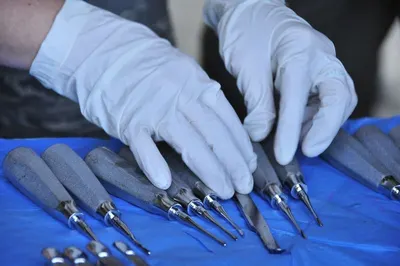
Medical Titanium Bar For Joint Prosthesis
⚓ Harbor
Medical Titanium Bar For Joint Prosthesis
Contact
MOQ: 1 Unit
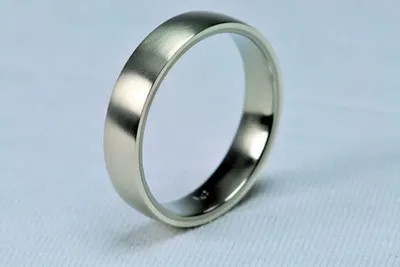
Titanium Ring For Turbine blade
⚓ Harbor
Titanium Ring For Turbine blade
Contact
MOQ: 1 Unit
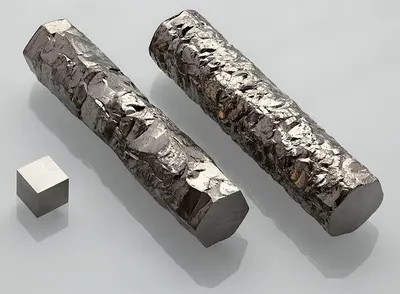
Titanium Hexagonal Rods
⚓ Harbor
Titanium Hexagonal Rods
Contact
MOQ: 1 Unit
Pure Nickel Plate
⚓ Harbor
Pure Nickel Plate
Contact
MOQ: 1 Unit
Astm B338 Gr2 Seamless Pipes Made In China
⚓ Harbor
Astm B338 Gr2 Seamless Pipes Made In China
Contact
MOQ: 1 Unit
Titanium-Nickel Memory Alloy Wire.
⚓ Harbor
Titanium-Nickel Memory Alloy Wire.
Contact
MOQ: 1 Unit
Super Alloy Bar
⚓ Harbor
Super Alloy Bar
Contact
MOQ: 1 Unit
ASTM B348 Titanium Bar
⚓ Harbor
ASTM B348 Titanium Bar
Contact
MOQ: 1 Unit
Medical Titanium Plate For Surgical Implantation
⚓ Harbor
Medical Titanium Plate For Surgical Implantation
Contact
MOQ: 1 Unit
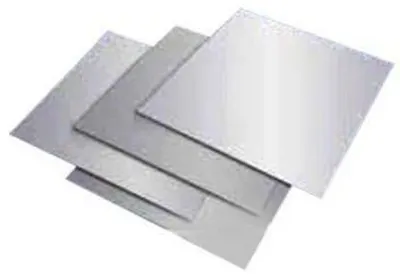
Titanium Plate
⚓ Harbor
Titanium Plate
Contact
MOQ: 1 Unit
Nickel Tube
⚓ Harbor
Nickel Tube
Contact
MOQ: 1 Unit
Nickel Bar
⚓ Harbor
Nickel Bar
Contact
MOQ: 1 Unit

About Carry Jin - Titanium Supplier in China

Based in China, Carry Jin lists 13 active products across its catalogue. The product portfolio covers titanium bars, plates and wires, as well as nickel tubes, bars, wires, alloys and steel bars. Titanium items are classified under HS chapter 81.08.20, while nickel tubes fall under HS 75.04.00 and nickel bars and wires under HS 75.05.11, 75.05.21 and 75.05.12 respectively. Additional items such as a titanium‑nickel memory alloy wire (HS 75.08.90) and a super‑alloy bar (HS 72.28.20) are also listed.

The catalogue specifies ASTM B863 titanium wire made from Ti‑6Al‑4V (Grade 5/TC4) and titanium plates offered in Grade 2 (TA2) and Grade 5 (TC4). Nickel tubes are supplied in grades N200, N400 and N600 with a minimum purity of 99.6 %. Nickel bars are marketed as pure nickel with 99.9 % - 99.99 % purity (grades N4, N6, N8) and the N6 nickel wire meets a minimum of 99.5 % nickel content (UNS N02201). A medical‑grade titanium plate for surgical implantation is listed under HS 9021.19 and uses the Ti‑6Al‑4V ELI alloy conforming to ASTM F136 and ISO 5832‑3. Other entries include a titanium‑nickel memory alloy wire (Nitinol), a super‑alloy bar based on Inconel 625, a pure nickel plate, a turbine‑blade titanium ring and hexagonal titanium rods.

Product Range and Specialties of Carry Jin

Carry Jin’s catalogue includes ASTM B863 titanium wire, ASTM B348 titanium bar, and titanium plates in grades 2 and 5, all identified with HS code 8108.20. Nickel offerings comprise tubes (HS 7504.00) in N200/N400/N600 grades, bars (HS 7505.11) with 99.9 % - 99.99 % purity, wires (HS 7505.21) such as N6 nickel wire, and a pure nickel plate (HS 7505.12). Additional products are a titanium‑nickel memory alloy wire (HS 7508.90) and a nickel‑based superalloy bar (HS 7228.20). The medical titanium plate for implantation is listed under HS 9021.19.

In the aerospace and medical sectors, titanium Grade 2 is valued for its corrosion resistance, while Grade 5 (Ti‑6Al‑4V) provides high strength‑to‑weight ratios and is specified in standards such as ASTM B348 and ISO 5832‑3. Nickel tubes of N200‑N600 are commonly used for chemical processing equipment, requiring a minimum 99.6 % purity and certification to ASTM B575. Pure nickel bars and plates typically meet ASTM B466 specifications, with mill test reports confirming chemical composition and mechanical properties. Nitinol memory alloy wires are graded by nickel content (~55 % Ni) and are often subjected to DSC testing to verify transformation temperatures.

Trade and Export Information - Carry Jin

China is a major exporter of titanium and nickel alloy products, with primary destinations in North America, the European Union, Japan and South Korea for aerospace, medical device and chemical processing applications. The HS 8108.20 family for titanium items and HS 7505‑12/11 families for nickel products are routinely inspected under Chinese customs and may require a certificate of origin and a mill test report for customs clearance. Buyers typically require compliance with ISO 9001 quality management and, for medical applications, CE marking or FDA‑recognised standards. Shipments are commonly packed in wooden crates or steel pallets and dispatched in 20‑foot or 40‑foot containers under FOB Shanghai or CIF terms.

Export logistics for these metal alloys often involve moisture‑controlled packaging to prevent surface oxidation, with surface‑treated rods and plates wrapped in anti‑rust film. Inspection agencies such as SGS or Bureau Veritas may be engaged to issue conformity certificates for ASTM or ISO standards. Lead times are influenced by heat‑treatment cycles and certification preparation, which can add 2‑3 weeks to the baseline production schedule.

Sourcing from Carry Jin - Buyer Guidance

Prospective buyers should request a current Mill Test Report (MTR) that details chemical composition, mechanical properties and heat‑treatment condition for each titanium or nickel grade. For medical‑grade titanium plates, an additional FDA 510(k) or CE‑MDR documentation package is customary, along with compliance certificates to ASTM F136/ISO 5832‑3. Verification of dimensions, tolerance (typically ±0.1 mm for rods and ±0.5 mm for plates) and surface finish (Ra ≤ 1.6 µm for aerospace parts) should be confirmed before order acceptance. Sample pieces, preferably in the same batch, are advisable to assess machinability and corrosion resistance.

Buyers should also confirm the proposed packaging (e.g., double‑wall crates, anti‑corrosion film) and the Incoterm to align with their logistics chain. Minimum order quantities usually start at 1 metric ton for bars and plates, while wire and tube orders can be placed in smaller batches of 500 kg. Clarifying the required certifications - such as ISO 9001, ISO 14001, and any industry‑specific approvals - early in the negotiation reduces delays.

Frequently Asked Questions About Carry Jin

What titanium grades are available from Carry Jin?

Carry Jin lists titanium Grade 2 (TA2) and Grade 5 (Ti‑6Al‑4V, also designated TC4 or ELI) in bar, plate and wire forms, each referenced under HS 8108.20 and complying with ASTM B348, ASTM B363 and ISO 5832‑3 where applicable.

Which HS codes cover the nickel products in the catalogue?

Nickel tubes use HS 7504.00; nickel bars are under HS 7505.11; nickel wires, including N6 wire, fall under HS 7505.21; pure nickel plates are classified as HS 7505.12; and the nickel‑based superalloy bar is listed under HS 7228.20.

What certifications are typically required for the titanium and nickel alloys?

Buyers usually request an ISO 9001 quality‑management certificate, a Mill Test Report confirming chemical and mechanical specifications, and for medical‑grade titanium, compliance with ASTM F136/ISO 5832‑3 and CE‑MDR or FDA documentation.

How are the products packaged for international shipment?

Items are packed in wooden crates or steel pallets, wrapped with anti‑corrosion film, and loaded into 20‑foot or 40‑foot containers; titanium rods may be bundled with protective sleeves to prevent surface damage.

What is the typical lead time for a standard order?

After order confirmation, production and certification usually require 4 - 6 weeks, with additional time for heat‑treatment or special surface finishing if requested.

What are the common minimum order quantities?

Standard MOQ is 1 metric ton for bulk bars, plates and tubes, while wire and small‑diameter items can be ordered in batches as low as 500 kg.

Which markets most often import these materials?

The aerospace and defense sectors in the United States and Europe, medical device manufacturers in the EU and Japan, and chemical‑process equipment producers in South Korea and neighboring regions are the primary importers of Chinese titanium and nickel alloys.

About Carry Jin - Titanium Supplier in China

Based in China, Carry Jin lists 13 active products across its catalogue. The product portfolio covers titanium bars, plates and wires, as well as nickel tubes, bars, wires, alloys and steel bars. Titanium items are classified under HS chapter 81.08.20, while nickel tubes fall under HS 75.04.00 and nickel bars and wires under HS 75.05.11, 75.05.21 and 75.05.12 respectively. Additional items such as a titanium‑nickel memory alloy wire (HS 75.08.90) and a super‑alloy bar (HS 72.28.20) are also listed.

The catalogue specifies ASTM B863 titanium wire made from Ti‑6Al‑4V (Grade 5/TC4) and titanium plates offered in Grade 2 (TA2) and Grade 5 (TC4). Nickel tubes are supplied in grades N200, N400 and N600 with a minimum purity of 99.6 %. Nickel bars are marketed as pure nickel with 99.9 % - 99.99 % purity (grades N4, N6, N8) and the N6 nickel wire meets a minimum of 99.5 % nickel content (UNS N02201). A medical‑grade titanium plate for surgical implantation is listed under HS 9021.19 and uses the Ti‑6Al‑4V ELI alloy conforming to ASTM F136 and ISO 5832‑3. Other entries include a titanium‑nickel memory alloy wire (Nitinol), a super‑alloy bar based on Inconel 625, a pure nickel plate, a turbine‑blade titanium ring and hexagonal titanium rods.

Product Range and Specialties of Carry Jin

Carry Jin’s catalogue includes ASTM B863 titanium wire, ASTM B348 titanium bar, and titanium plates in grades 2 and 5, all identified with HS code 8108.20. Nickel offerings comprise tubes (HS 7504.00) in N200/N400/N600 grades, bars (HS 7505.11) with 99.9 % - 99.99 % purity, wires (HS 7505.21) such as N6 nickel wire, and a pure nickel plate (HS 7505.12). Additional products are a titanium‑nickel memory alloy wire (HS 7508.90) and a nickel‑based superalloy bar (HS 7228.20). The medical titanium plate for implantation is listed under HS 9021.19.

In the aerospace and medical sectors, titanium Grade 2 is valued for its corrosion resistance, while Grade 5 (Ti‑6Al‑4V) provides high strength‑to‑weight ratios and is specified in standards such as ASTM B348 and ISO 5832‑3. Nickel tubes of N200‑N600 are commonly used for chemical processing equipment, requiring a minimum 99.6 % purity and certification to ASTM B575. Pure nickel bars and plates typically meet ASTM B466 specifications, with mill test reports confirming chemical composition and mechanical properties. Nitinol memory alloy wires are graded by nickel content (~55 % Ni) and are often subjected to DSC testing to verify transformation temperatures.

Trade and Export Information - Carry Jin

China is a major exporter of titanium and nickel alloy products, with primary destinations in North America, the European Union, Japan and South Korea for aerospace, medical device and chemical processing applications. The HS 8108.20 family for titanium items and HS 7505‑12/11 families for nickel products are routinely inspected under Chinese customs and may require a certificate of origin and a mill test report for customs clearance. Buyers typically require compliance with ISO 9001 quality management and, for medical applications, CE marking or FDA‑recognised standards. Shipments are commonly packed in wooden crates or steel pallets and dispatched in 20‑foot or 40‑foot containers under FOB Shanghai or CIF terms.

Export logistics for these metal alloys often involve moisture‑controlled packaging to prevent surface oxidation, with surface‑treated rods and plates wrapped in anti‑rust film. Inspection agencies such as SGS or Bureau Veritas may be engaged to issue conformity certificates for ASTM or ISO standards. Lead times are influenced by heat‑treatment cycles and certification preparation, which can add 2‑3 weeks to the baseline production schedule.

Sourcing from Carry Jin - Buyer Guidance

Prospective buyers should request a current Mill Test Report (MTR) that details chemical composition, mechanical properties and heat‑treatment condition for each titanium or nickel grade. For medical‑grade titanium plates, an additional FDA 510(k) or CE‑MDR documentation package is customary, along with compliance certificates to ASTM F136/ISO 5832‑3. Verification of dimensions, tolerance (typically ±0.1 mm for rods and ±0.5 mm for plates) and surface finish (Ra ≤ 1.6 µm for aerospace parts) should be confirmed before order acceptance. Sample pieces, preferably in the same batch, are advisable to assess machinability and corrosion resistance.

Buyers should also confirm the proposed packaging (e.g., double‑wall crates, anti‑corrosion film) and the Incoterm to align with their logistics chain. Minimum order quantities usually start at 1 metric ton for bars and plates, while wire and tube orders can be placed in smaller batches of 500 kg. Clarifying the required certifications - such as ISO 9001, ISO 14001, and any industry‑specific approvals - early in the negotiation reduces delays.

Frequently Asked Questions About Carry Jin
What titanium grades are available from Carry Jin?
Carry Jin lists titanium Grade 2 (TA2) and Grade 5 (Ti‑6Al‑4V, also designated TC4 or ELI) in bar, plate and wire forms, each referenced under HS 8108.20 and complying with ASTM B348, ASTM B363 and ISO 5832‑3 where applicable.
Which HS codes cover the nickel products in the catalogue?
Nickel tubes use HS 7504.00; nickel bars are under HS 7505.11; nickel wires, including N6 wire, fall under HS 7505.21; pure nickel plates are classified as HS 7505.12; and the nickel‑based superalloy bar is listed under HS 7228.20.
What certifications are typically required for the titanium and nickel alloys?
Buyers usually request an ISO 9001 quality‑management certificate, a Mill Test Report confirming chemical and mechanical specifications, and for medical‑grade titanium, compliance with ASTM F136/ISO 5832‑3 and CE‑MDR or FDA documentation.
How are the products packaged for international shipment?
Items are packed in wooden crates or steel pallets, wrapped with anti‑corrosion film, and loaded into 20‑foot or 40‑foot containers; titanium rods may be bundled with protective sleeves to prevent surface damage.
What is the typical lead time for a standard order?
After order confirmation, production and certification usually require 4 - 6 weeks, with additional time for heat‑treatment or special surface finishing if requested.
What are the common minimum order quantities?
Standard MOQ is 1 metric ton for bulk bars, plates and tubes, while wire and small‑diameter items can be ordered in batches as low as 500 kg.
Which markets most often import these materials?
The aerospace and defense sectors in the United States and Europe, medical device manufacturers in the EU and Japan, and chemical‑process equipment producers in South Korea and neighboring regions are the primary importers of Chinese titanium and nickel alloys.

Carry Jin
Country flag China
⚓ HarborIndustrial & Minerals
55/100
Trust Score
14
Products
✓ Free to contact — no commission
✓ Escrow payment available
✓ Verified business identity
Compare more suppliers
Post a requirement — get 10 quotes free
Let verified suppliers compete for your business. Free, fast, no commitment.
Due Diligence
Verify this supplier's real shipping history.
Every shipment, every buyer, every port. Trade data that can't be faked.
Run due diligence →
Discover More

Related Suppliers & Products

Explore similar suppliers, related products and trending categories

Featured Products from this Supplier

Other Suppliers in Primary Category

Top Trusted Suppliers

Related Products

Trending in Parent Category

More Suppliers in Category

Stay ahead in global trade
Weekly market insights & new supplier alerts.
EximNext
Exim Next is a leading global B2B marketplace, connecting over 220,000 registered suppliers and buyers across 200+ countries. As a trusted import export marketplace, it serves as the essential B2B portal for businesses worldwide, empowering them to expand their international reach. With Exim Next, businesses can trade smarter and grow faster.
SECURE PAYMENTS
VISAMastercardPayPalSWIFTL/CEscrow
Follow us
© 2026 EximNext