Bluapex overseas — Verified Supplier
About Bluapex overseas - Shirts & T-Shirts Supplier in India
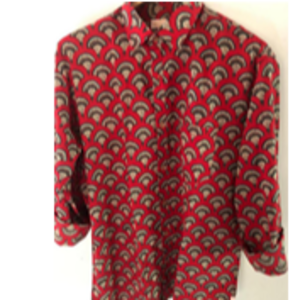
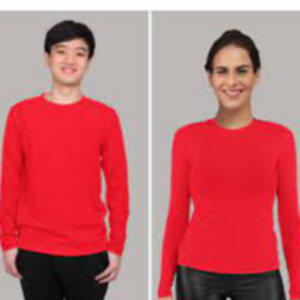
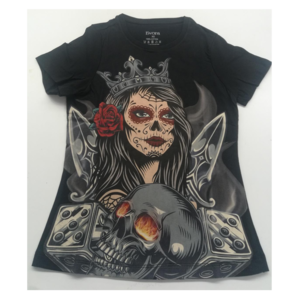
Bluapex overseas is based in Coimbatore, Tamil Nadu, India and currently lists 30 active products. The catalogue spans apparel such as women’s and men’s T‑shirts, polo shirts, tank tops and night‑wear, as well as food and spice items. Apparel entries include basic round‑neck crew‑neck T‑shirts, half‑sleeve polo T‑shirts and pajama sets for both genders. The food segment covers coconut oil, desiccated coconut, clove leaf and bud oils, a range of millets and sorghum, corn, garlic, nutmeg, black pepper, turmeric and several chilli varieties. Additional listed items include specialty chilli types such as Byadgi and S4 Sannam, and the tagged Kanyakumari clove.
The apparel items are described by style rather than fabric composition, indicating a focus on ready‑to‑wear cut‑and‑sew garments. The spice and oil products are presented by botanical source, which aligns with common export listings that specify raw material and processing form. All 30 entries fall under HS chapter 61 for garments and chapter 09 for spices, oils and cereals, the standard tariff headings used by Indian exporters. The product list does not include explicit HS codes, so buyers typically verify the correct sub‑heading during order confirmation. Typical export packaging for the garments is poly‑bagged cartons, while the spices and oils are packed in food‑grade drums or multi‑layer bags. These practices reflect standard Indian export procedures for the listed categories.
Product Range and Specialties of Bluapex overseas
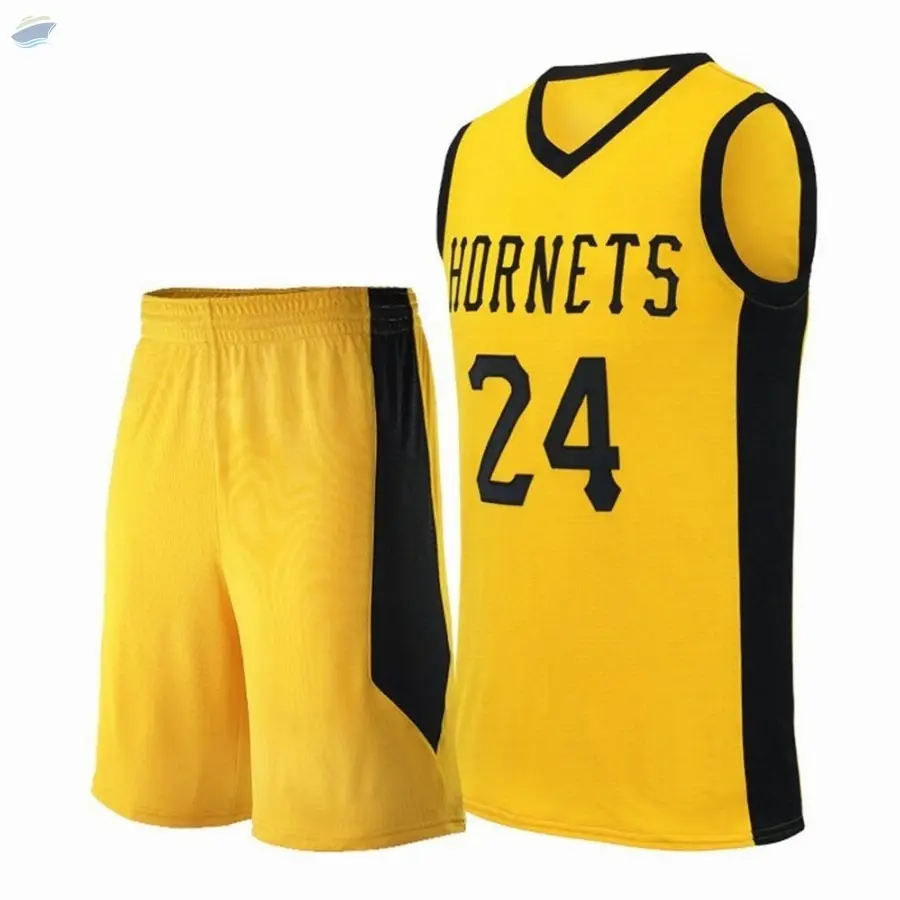
Bluapex’s apparel range comprises T‑shirts, polo shirts, tank tops and pajama sets for men and women. In the Indian garment sector, such items are commonly manufactured from cotton‑ring spun yarns ranging from 120 to 180 gsm, with finishes such as pre‑shrunk or enzyme‑washed to meet size‑stability standards. Buyers often request ISO 9001 or WRAP compliance certificates for factories producing these garments, along with size‑set measurements (e.g., chest, length, sleeve) in centimeters.
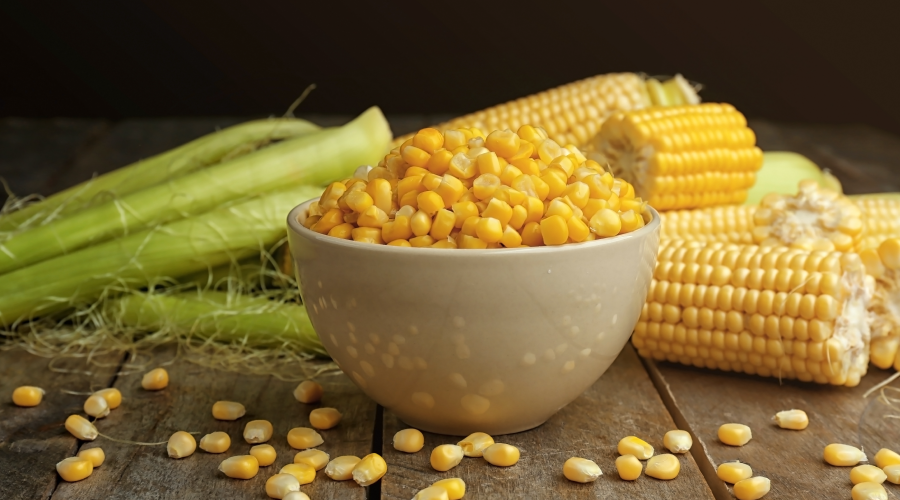
The food segment includes coconut oil, desiccated coconut, clove leaf and bud essential oils, millets (ragi, bajra, sorghum), corn, garlic, nutmeg, black pepper, turmeric and several chilli varieties. Standard quality grades for Indian spices are defined by the Spices Board, with specifications such as moisture ≤ 12 % for millets, oil purity ≥ 95 % for essential oils, and capsaicin content 30,000 - 45,000 Scoville units for red chilli. Exporters normally provide a certificate of analysis, pesticide‑residue report and, where applicable, an organic certification.
Trade and Export Information - Bluapex overseas
India is a major exporter of ready‑made garments and of spices, essential oils and millets. Apparel from Tamil Nadu typically ships to the United States, Europe and the Middle East under Incoterms CIF or FOB, using 40‑ft containers that hold 1,800 - 2,000 pcs per style depending on packing density. Spice and oil shipments are usually dispatched in 20‑ft containers with food‑grade drums or jute bags, and the primary destination markets include the EU, GCC states and Southeast Asia.
Customs classification follows HS chapter 61 for the clothing items and HS chapter 09 for the food products, where Indian exporters are required to present a phytosanitary certificate for fresh agricultural goods and a certificate of origin for duty‑preferential treatment. Commonly requested certifications include FSSAI registration, ISO 22000 food‑safety management, and for essential oils, ISO 21091. Indian exporters also adhere to the Bureau of Indian Standards (BIS) for certain spice grades, which facilitates clearance in importing countries.
Sourcing from Bluapex overseas - Buyer Guidance
When sourcing from Bluapex, buyers should request a detailed product specification sheet that lists fabric composition, GSM, stitch count for garments, and for food items the moisture content, oil purity, pesticide‑residue limits and batch weight. Samples of both apparel (size‑set) and spices/oils (minimum 500 g) allow verification against the buyer’s quality criteria before placing a bulk order.
In addition, buyers should obtain the supplier’s FSSAI registration number, any ISO certificates, and a recent laboratory analysis report for each food product. Verifying the presence of a phytosanitary certificate for fresh garlic or the compliance with BIS spice standards reduces the risk of customs delays. Confirming packaging details - such as poly‑bag dimensions for shirts or drum size for coconut oil - helps align logistics with container loading plans.
Frequently Asked Questions About Bluapex overseas
What types of apparel does Bluapex overseas offer?
The catalogue lists women’s and men’s T‑shirts, polo shirts, tank tops and pajama sets, including basic round‑neck crew‑neck tees and half‑sleeve polo T‑shirts. Each style is presented as a distinct product entry without fabric details, allowing buyers to request specific material specifications.
Which food and spice products are listed?
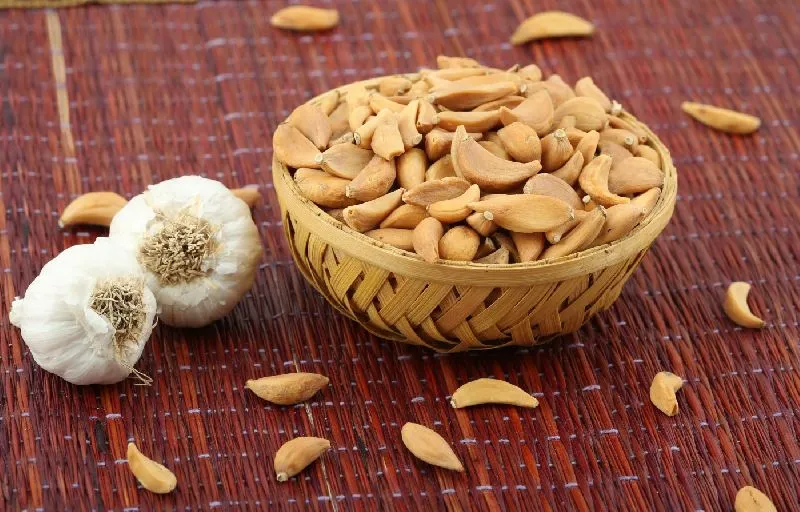
Bluapex lists coconut oil, desiccated coconut, clove leaf and bud essential oils, millets (ragi, bajra, sorghum), corn, Kodaikanal hill garlic, nutmeg, black pepper, turmeric finger, and several chilli varieties such as Byadgi and S4 Sannam. The entries also include tagged Kanyakumari clove.
What certifications should I request for the food items?
Buyers should ask for the supplier’s FSSAI registration, any ISO 22000 or ISO 9001 certificates, a recent certificate of analysis, and a phytosanitary certificate for fresh agricultural products. If organic claims are made, an organic certification should also be provided.
How are the garments typically packaged for export?
Indian garment exporters normally pack T‑shirts and polo shirts in poly‑bagged cartons, with each carton holding 12‑24 pieces depending on size and GSM. Cartons are then stacked on pallets for loading into 40‑ft containers.
What documentation is required for spice shipments?
Standard documentation includes a commercial invoice, packing list, certificate of origin, phytosanitary certificate and a laboratory analysis report showing moisture, pesticide residues and purity. Importers often also request a BIS spice grade certificate.
What are the common HS code families for these product groups?
Ready‑made garments fall under HS chapter 61 (e.g., 6109 for T‑shirts, 6105 for polo shirts). Spices, oils and cereals are classified under HS chapter 09 (e.g., 0901 for chilies, 0905 for spices, 1515 for coconut oil). Buyers should confirm the exact sub‑heading during order finalisation.
What are typical minimum order quantities and lead times?
For apparel, minimum order quantities usually start at 500‑1,000 pieces per style, with lead times of 30‑45 days from sample approval. Spice and oil orders often have MOQ of 500 kg per batch, with production lead times of 20‑35 days depending on processing and certification requirements.




 Coimbatore, India