Bln Import Export — Verified Supplier
About Bln Import Export - Gypsum Supplier in India
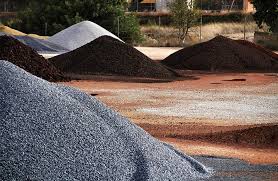
Bln Import Export operates from India and lists five active products across its catalogue. The company’s catalogue includes Aggregate (HS 2517.10), Natural Gypsum (HS 2520.10), Gypsum Powder (HS 2520.10), Iron Ore (HS 2601.11) and Iron Ore Fines (HS 2601.11). The aggregate entry covers crushed stone, gravel and sand, both natural and processed forms. The gypsum entries are based on calcium sulfate dihydrate (CaSO4·2H2O). The iron ore entries specify non‑agglomerated ore with Fe grades 45/47, 52/53, 57/58 and a limonitic fines grade with Fe 47 %.
The HS code families indicate that the aggregate falls under Chapter 25, while gypsum and iron ore are classified under Chapters 25 and 26 respectively. The listed materials reflect typical raw commodity forms used in construction, cement manufacturing and steel production. No additional product lines such as processed chemicals or value‑added forms are mentioned. The supplier’s trust tier is recorded as “harbor”, indicating a mid‑level verification status in the platform’s trust system. All five products are sourced from India, though specific mining locations are not disclosed.
Product Range and Specialties of Bln Import Export
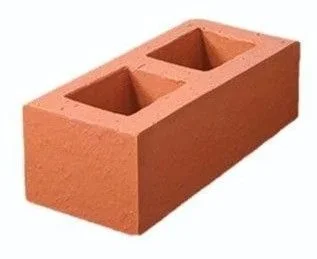
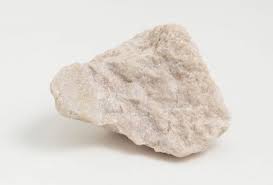
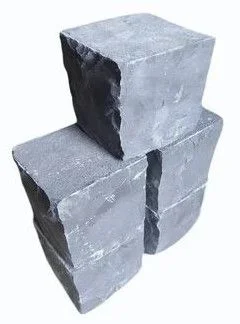
The catalogue covers three commodity groups: aggregates, gypsum and iron ore. Aggregates are listed under HS 2517.10 and generally include crushed stone, gravel and natural sand with particle‑size ranges from 0 mm to 40 mm, bulk density between 1.5 t/m³ and 2.0 t/m³ and moisture limits below 1 %. Gypsum products fall under HS 2520.10; natural gypsum is supplied as raw calcium sulfate dihydrate with purity typically above 99 % and moisture below 0.5 %, while gypsum powder is a milled form used in plaster and cement that commonly meets fineness standards of around 200 mesh and calcium sulfate content above 95 %. Iron ore entries are recorded under HS 2601.11 and describe non‑agglomerated ore with Fe grades of 45‑58 % and a limonitic fines grade at approximately 47 % Fe, with standard specifications for moisture below 5 % and silica limits under 5 %.
Trade and Export Information - Bln Import Export
Exporters of aggregates from India commonly ship in bulk cargo or 20‑ft/40‑ft containers, using moisture‑controlled tarpaulin‑covered trucks to port. The HS 2517.10 classification is subject to customs checks on particle size and moisture content, and buyers typically request an SGS inspection certificate and a mill test report confirming bulk density and gradation. Main destination markets include the United Arab Emirates, Saudi Arabia, Bangladesh and Kenya, where aggregates support construction and road works. Gypsum shipments (HS 2520.10) are usually packed in paper‑lined bulk bags of 20 t or in 20‑ft containers, with moisture levels below 0.5 % to prevent caking. International buyers - particularly in the Middle East, North Africa and South Asia - often require an ISO 9001 quality management certificate, a CE declaration of conformity for building‑material applications, and a laboratory analysis confirming CaSO₄·2H₂O purity. Iron ore (HS 2601.11) is exported in bulk carriers or large bulk bags, with standard specifications for Fe content, moisture and silica. Steel producers in China, Japan, South Korea, Germany and Turkey commonly request a third‑party assay report (e.g., from SGS or Bureau Veritas) and compliance with the buyer’s specification for Fe grade and impurity limits.
Sourcing from Bln Import Export - Buyer Guidance
When sourcing aggregates, buyers should request a recent mill test report that lists particle‑size distribution, bulk density and moisture content, and verify that the shipment will be sealed in tarpaulin‑covered bulk bags or containerized loads. An SGS or equivalent inspection certificate for the loaded cargo is a common prerequisite before vessel loading. For gypsum, obtain a laboratory certificate confirming CaSO₄·2H₂O purity, moisture level and fineness, and ask for an ISO 9001 or CE compliance statement if the product will be used in building applications. Iron ore buyers should ask for a certified assay report detailing Fe percentage, moisture, silica and phosphorus levels, and confirm that the cargo will be loaded on a bulk carrier with a verified moisture‑control plan. In all cases, verify that the HS code on the commercial invoice matches the product description and request a pre‑shipment inspection report to ensure compliance with import regulations.
Frequently Asked Questions About Bln Import Export
What aggregate sizes does Bln Import Export offer?
The aggregate listing under HS 2517.10 includes crushed stone, gravel and natural sand with typical particle‑size ranges from 0 mm up to 40 mm. Bulk density is usually between 1.5 and 2.0 t/m³ and moisture content is kept below 1 %.
Are there purity specifications for the gypsum products?
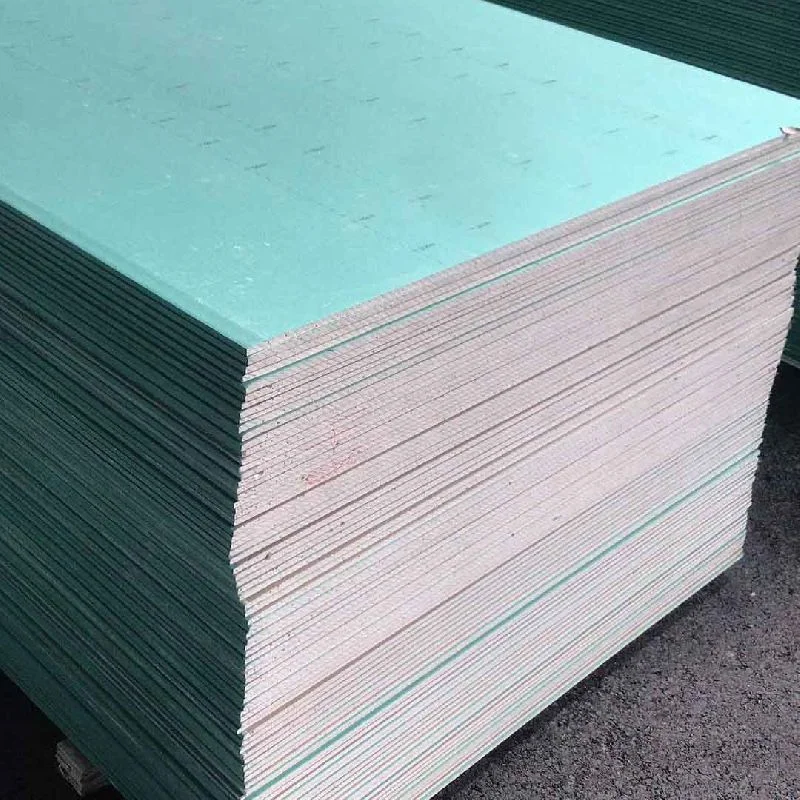
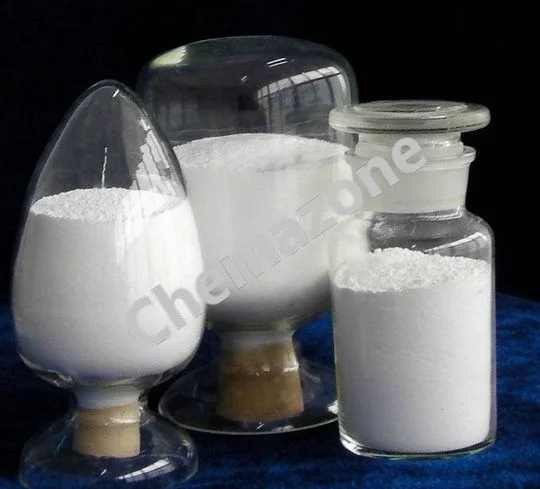
Both Natural Gypsum and Gypsum Powder (HS 2520.10) are supplied as calcium sulfate dihydrate with purity commonly above 99 % for raw gypsum and above 95 % for the milled powder. Moisture levels are generally limited to 0.5 % to avoid caking.
What Fe grades are available for the iron ore?
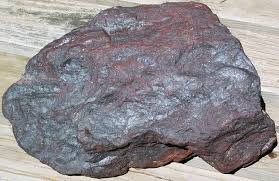
The iron ore entry (HS 2601.11) lists non‑agglomerated ore with Fe grades of 45/47, 52/53 and 57/58 %, and a limonitic fines grade with approximately 47 % Fe. Standard specifications also include moisture below 5 % and silica under 5 %.
Which certifications should a buyer request for these commodities?
Buyers typically ask for a third‑party inspection certificate such as SGS or Bureau Veritas, an ISO 9001 quality management certificate for gypsum, and a laboratory assay report for iron ore. Certificates should be presented before shipment and referenced on the commercial invoice.
What are the usual minimum order quantities and lead times?
Minimum order quantities are often 20 t per bulk bag for gypsum, 15 t for aggregates and 10 t for iron ore, though exact MOQ depends on the shipping method. Lead times from order confirmation to shipment range from 30 to 45 days, subject to port loading schedules.
How are the products packaged for export?
Aggregates are loaded in tarpaulin‑covered bulk bags or directly into 20‑ft/40‑ft containers. Gypsum is packed in paper‑lined 20‑t bulk bags, while iron ore is shipped in bulk carrier holds or large bulk bags with moisture‑control liners.
Which markets typically import these Indian commodities?
Indian aggregates are frequently exported to the United Arab Emirates, Saudi Arabia, Bangladesh and Kenya. Gypsum finds demand in the Middle East, North Africa and South Asia for construction and cement blending. Iron ore is mainly shipped to steel‑producing regions such as China, Japan, South Korea, Germany and Turkey.




 , India