Agriculture›
 Apparel and fashion accessories›
 Construction & real estate›💡Electronic & Electrical›🍎Food & Beverages›🛋️Home furnishing & supplies›⚗️Industrial goods & chemical›🪨Minerals & metals›📦Miscellaneous›Agriculture›Apparel and fashion accessories›Construction & real estate›💡Electronic & Electrical›🍎Food & Beverages›🛋️Home furnishing & supplies›⚗️Industrial goods & chemical›🪨Minerals & metals›📦Miscellaneous›
Beta Eco-services Product Catalog

About Beta Eco-services - Copper Cathode Supplier in Canada
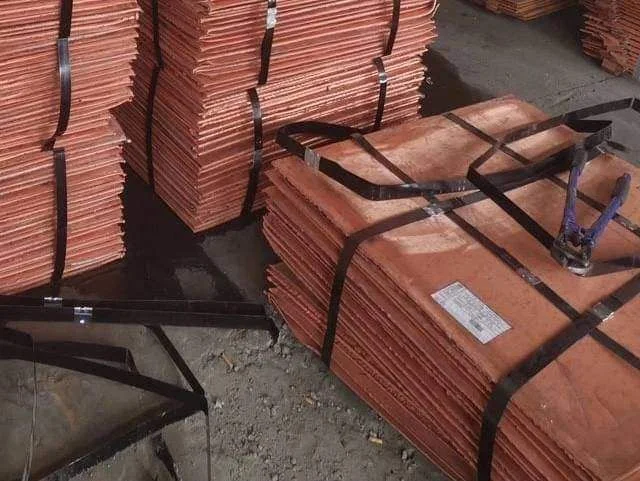
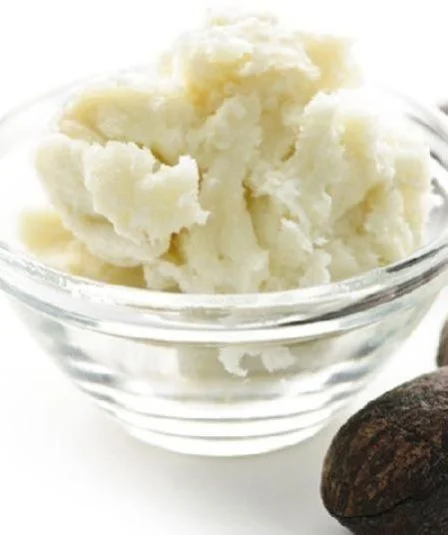
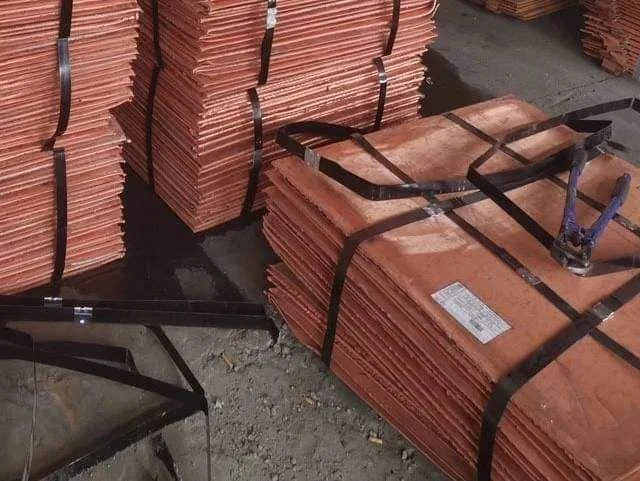
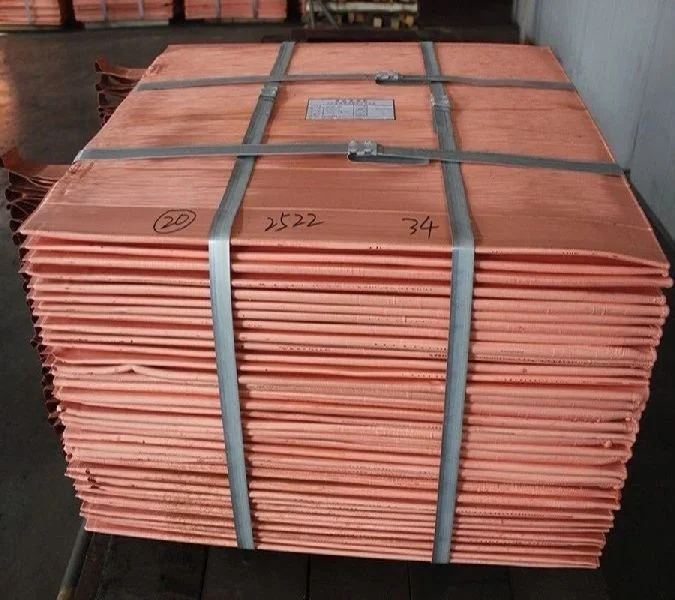
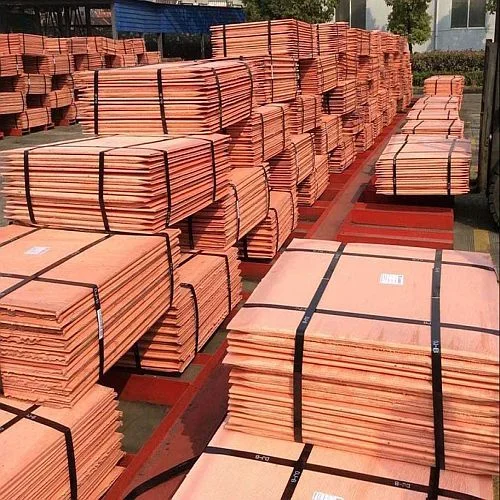
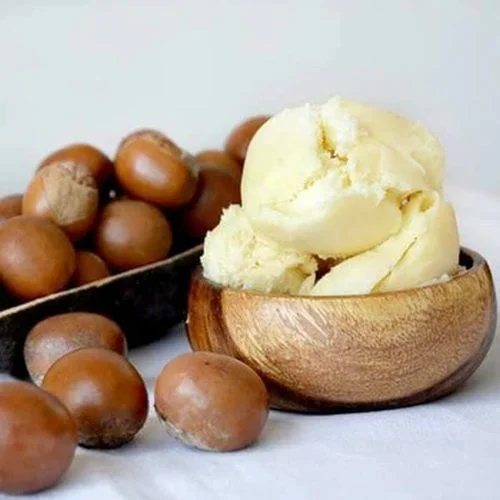
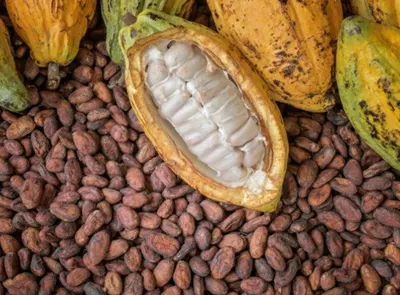
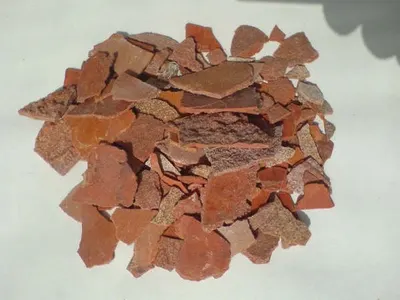
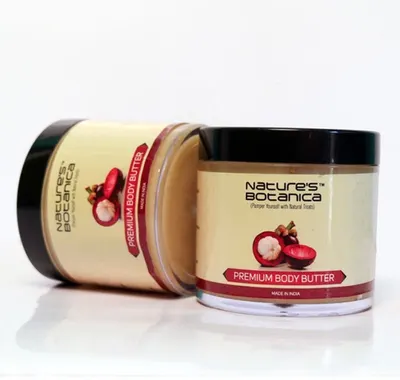
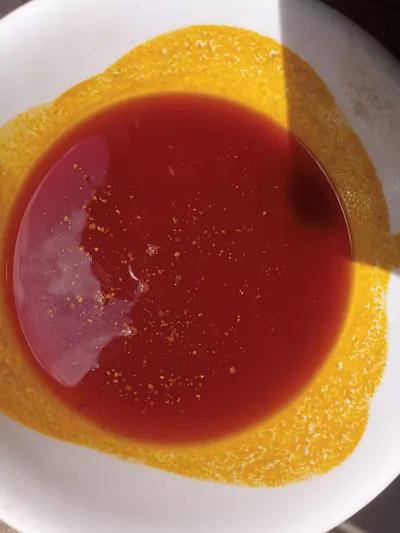
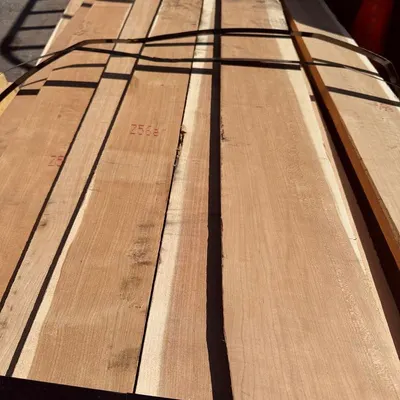
Canada hosts Beta Eco-services, a supplier that currently lists seven distinct products in its catalogue. The portfolio includes a high‑purity copper cathode (electrolytic copper Cu 99.99 %) classified under HS code 7403.11, and a range of timber products such as spruce, pine and fir lumber. It also offers edible and cosmetic oils and butters, namely palm kernel oil, shea butter, cocoa butter and mango butter (HS 1515.90). In the minerals segment the company lists lead sulphide (galena) with HS code 2607.00. The catalogue therefore spans metals, lumber, edible oils, and specialty butters.
All seven items are presented without additional branding or client references. The copper cathode is described by its material specification and purity level, while the timber entry does not provide dimensions or moisture content. The oil and butter products are identified by their botanical source but lack detailed physicochemical parameters such as free‑fatty‑acid or iodine value. Lead sulphide is listed with its chemical formula PbS and associated HS code. The remaining entries - shea butter and cocoa butter - are grouped under food products without further technical data.
Product Range and Specialties of Beta Eco-services
Beta Eco-services' catalogue contains a copper cathode (Electrolytic Copper Cu 99.99 %), spruce, pine and fir lumber, palm kernel oil, shea butter, lead sulphide (galena), cocoa butter and mango butter (HS 1515.90). Each entry is identified by product name, and where available the HS code and basic material description are provided. No further technical specifications such as dimensions, moisture content or assay values are listed in the source data.
In international trade copper cathodes are typically supplied at 99.95‑99.99 % purity and conform to IEC 60189 or ASTM B115 standards, often shipped as 1 m sheets or 500 kg briquettes. Canadian softwood lumber such as spruce, pine and fir is commonly graded according to the SPF (Spruce‑Pine‑Fir) system, with moisture content 12‑15 % and standard dimensions of 2×4 inches to 2×12 inches. Palm kernel oil exported from Canada usually meets food‑grade specifications of free‑fatty‑acid ≤0.2 %, moisture ≤0.1 % and iodine value 45‑55, and is shipped in 25 kg drums or bulk containers. Shea butter and cocoa butter are generally required to have melting points between 30‑38 °C and peroxide values below 10 meq O₂/kg. Mango butter specifications mirror those of other vegetable butters, with acid value ≤2 mg KOH/g and moisture ≤0.5 %. Lead sulphide intended for battery or industrial use is commonly graded at >99.5 % purity and supplied in sealed bags or drums for safe handling.
Frequently Asked Questions About Beta Eco-services
What is the stated purity of the copper cathode listed by Beta Eco-services?
The catalogue specifies the copper cathode as Electrolytic Copper Cu 99.99 %, which aligns with the highest commercial purity grades used in electrical and alloy applications.
Are HS codes provided for every product in the catalogue?
HS codes are supplied for copper cathode (7403.11), lead sulphide (2607.00) and mango butter (1515.90). The remaining items do not have HS codes listed in the source data.
Which certifications should a buyer typically request for the copper cathode?
Buyers should ask for a Mill Test Report, RoHS compliance statement and, where the destination market requires it, a REACH registration certificate.
What are common minimum order quantities for the spruce, pine and fir lumber?
Canadian softwood lumber is often sold in bundles of 1 m³ or in palletised units of 500 kg; buyers should confirm the exact bundle size and any pallet weight limits with the supplier.
What quality parameters are standard for palm kernel oil shipments?
Typical specifications include free‑fatty‑acid ≤0.2 %, moisture ≤0.1 %, iodine value between 45 and 55, and a peroxide value below 10 meq O₂/kg, all of which should be documented in a Certificate of Analysis.
 Canada
Related Suppliers & Products
Explore similar suppliers, related products and trending categories