Agriculture›
 Apparel and fashion accessories›
 Construction & real estate›💡Electronic & Electrical›🍎Food & Beverages›🛋️Home furnishing & supplies›⚗️Industrial goods & chemical›🪨Minerals & metals›📦Miscellaneous›Agriculture›Apparel and fashion accessories›Construction & real estate›💡Electronic & Electrical›🍎Food & Beverages›🛋️Home furnishing & supplies›⚗️Industrial goods & chemical›🪨Minerals & metals›📦Miscellaneous›
Baot Biological Techology Co., Ltd.
⚓ Harbor , ChinaNew supplier / no reviews yet
Baot Biological Techology Co., Ltd. Product Catalog

About Baot Biological Techology Co., Ltd. - Masterbatch Supplier in China
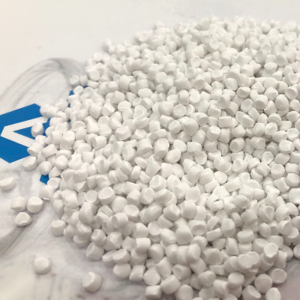
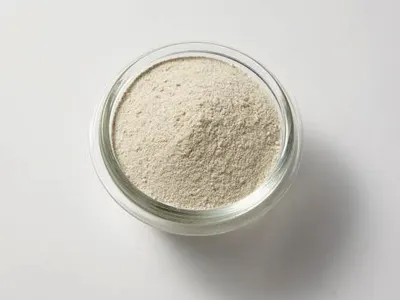
Baot Biological Techology Co., Ltd. is located in China and maintains a catalogue of five distinct products. The supplier reports activity in the Masterbatch and Dental Equipments & Materials categories. Within the masterbatch segment it offers opaque paste formulations and wash opaque paste. In the dental materials segment it lists base dentin powder, transparent powder, translucent powder and incisal powder. No additional product families are indicated in the supplied data.
Masterbatch products such as opaque paste typically fall under HS chapter 39, code 3905 for plastic additives. These compounds are usually supplied as concentrates with pigment loadings ranging from 5 % to 30 % by weight. Dental powders, including base dentin, transparent, translucent and incisal varieties, are classified under HS chapter 30, code 3006 for dental preparations. Industry standards for base dentin powder often require particle size below 50 µm and calcium phosphate content above 60 %. Transparent and translucent powders are evaluated for optical translucency and may be graded by shade guide numbers. Incisal powders are formulated for high hardness and wear resistance, with typical Mohs hardness values above 5.
Product Range and Specialties of Baot Biological Techology Co., Ltd.
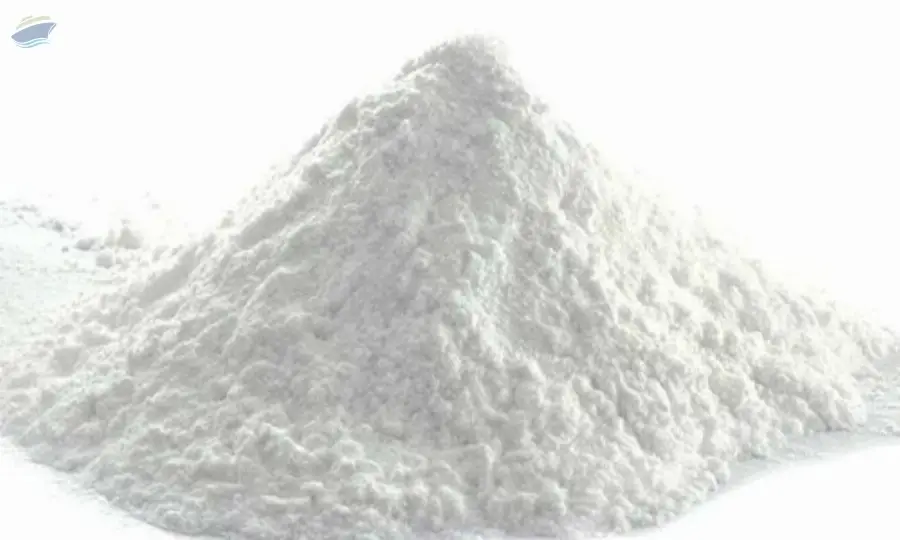
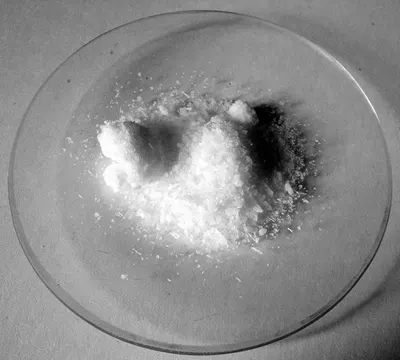
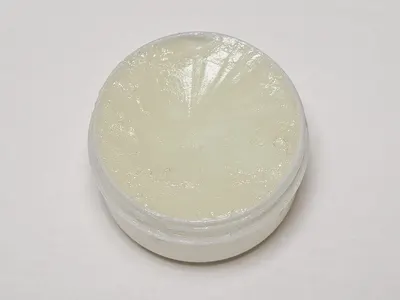
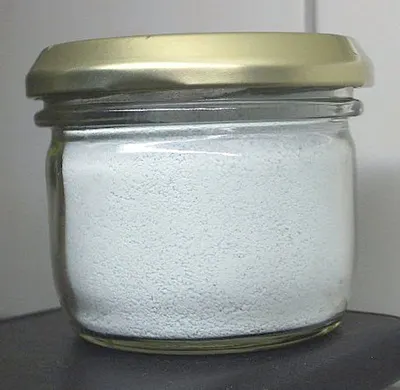
The current catalogue lists five items: Paste opaque, Wash opaque paste, Basedentin powder, Transparent powder, and a combined entry of Translucent powder and incisal powder. The first two belong to the masterbatch family, while the latter three are dental material powders used for prosthetic and restorative applications.
In the masterbatch market, opaque pastes are commonly supplied with pigment concentrations of 5 % - 30 % and a melt flow index (MFI) compatible with the target polymer, often between 2 and 15 g/10 min. Packaging is usually in 25 kg steel drums or 200 kg bulk containers. Dental powders are typically graded by particle size distribution (e.g., D50 ≈ 30 - 50 µm) and moisture content below 0.5 %. Base dentin powders often target a calcium phosphate purity of 60 % - 70 %, while transparent and translucent powders are evaluated for shade consistency according to the Vita Classical scale. Incisal powders are formulated for higher hardness and may contain reinforcing fillers up to 30 % by weight. Standard packaging for these powders includes 25 kg multi‑layer bags with moisture‑barrier liners.
Frequently Asked Questions About Baot Biological Techology Co., Ltd.
What product categories does Baot Biological Techology supply?
The supplier lists items in the Masterbatch category (opaque paste and wash opaque paste) and in the Dental Equipments & Materials category (base dentin powder, transparent powder, translucent powder and incisal powder).
How are the masterbatch pastes packaged for shipment?
Masterbatch pastes are typically packed in steel drums of 25 kg or in bulk containers of up to 200 kg, sealed to prevent moisture ingress.
Which certifications should a buyer request for the dental powders?
Buyers should request ISO 13485 compliance, a CE Declaration of Conformity where applicable, and a Certificate of Analysis that details particle size, moisture content and calcium phosphate purity.
What typical specifications are used to assess base dentin powder quality?
Base dentin powder is commonly evaluated for particle size below 50 µm, calcium phosphate content of 60 % - 70 %, and moisture levels under 0.5 % by weight.
Which HS codes are commonly applied to the listed products?
Masterbatch pastes fall under HS code 3905 (plastic additives), while dental powders are classified under HS code 3006 (dental preparations).
ChinaRelated Suppliers & Products
Explore similar suppliers, related products and trending categories