Baoji Meihua Metals — Verified Supplier
About Baoji Meihua Metals - Titanium Products Supplier in China
Based in China, Baoji Meihua Metals lists nine active products across titanium, nickel, and zirconium families. The catalogue includes titanium coil, elbows, processing parts, plates, bars, wires, tubes, as well as nickel plates and zirconium plates. These items fall under HS code 8108 series for titanium products, 7506.20 for nickel plates, and 8109.20 for zirconium plates. The supplier’s top categories are recorded as Titanium Products, Nickel Products, and Metal Products.
Titanium items are specified with grades such as commercial pure Grade 2 (Ti 99.2 %+) and alloy Grade 5 (Ti‑6Al‑4V). Nickel plates are described as UNS N02200/N02201 with purity of 99.6 % or higher. Zirconium plates reference alloys R60702, R60704 and R60705 with zirconium content between 95 % and 99.5 %. All products are listed with their corresponding HS codes, enabling straightforward customs classification.
Product Range and Specialties of Baoji Meihua Metals
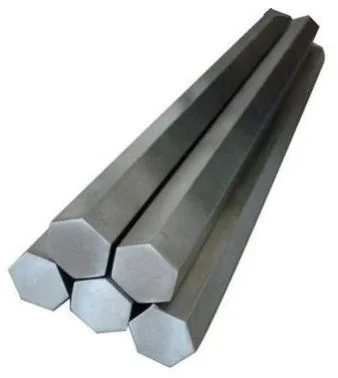
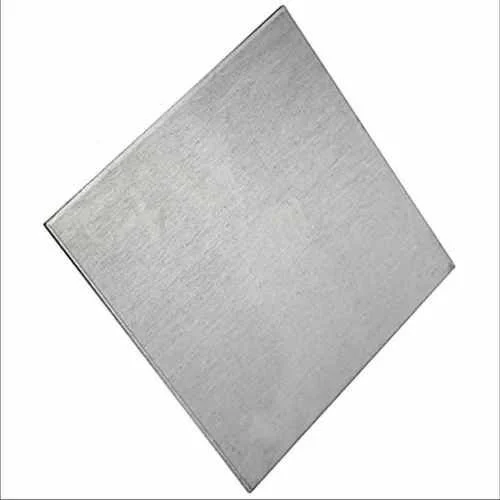
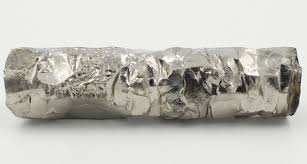
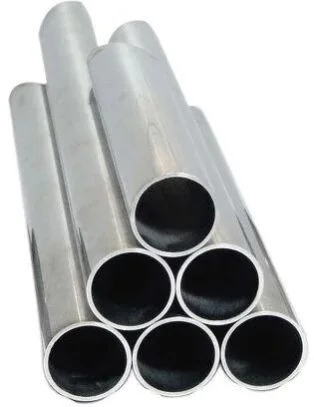
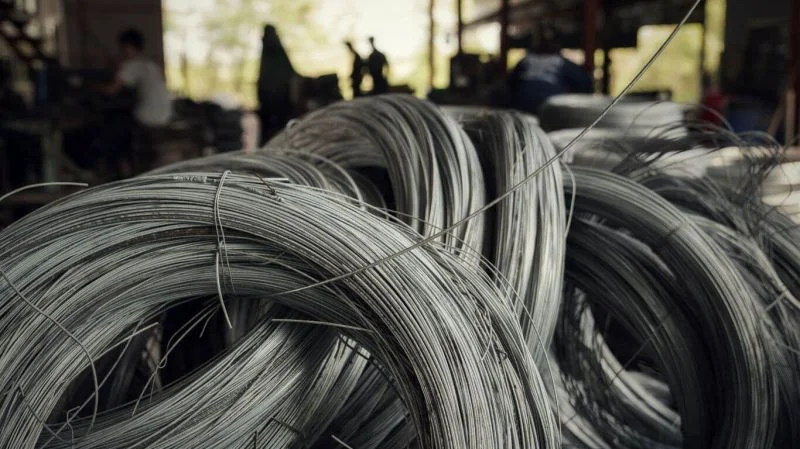
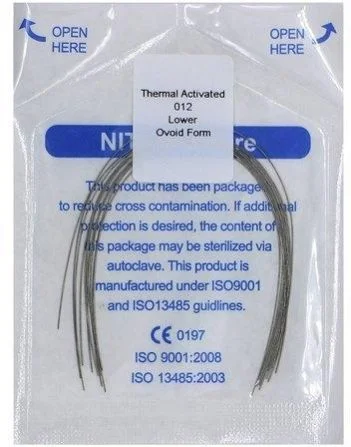
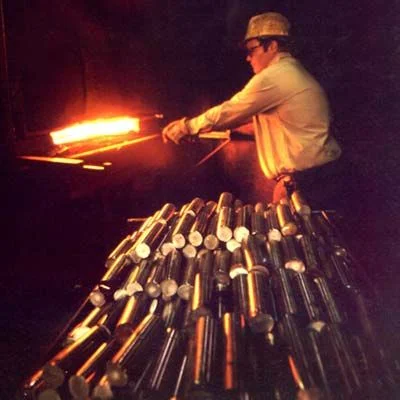
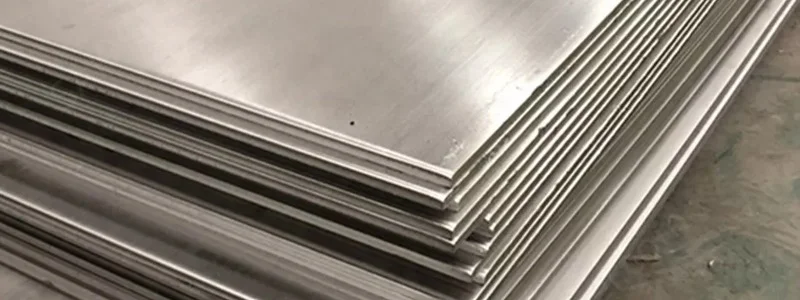
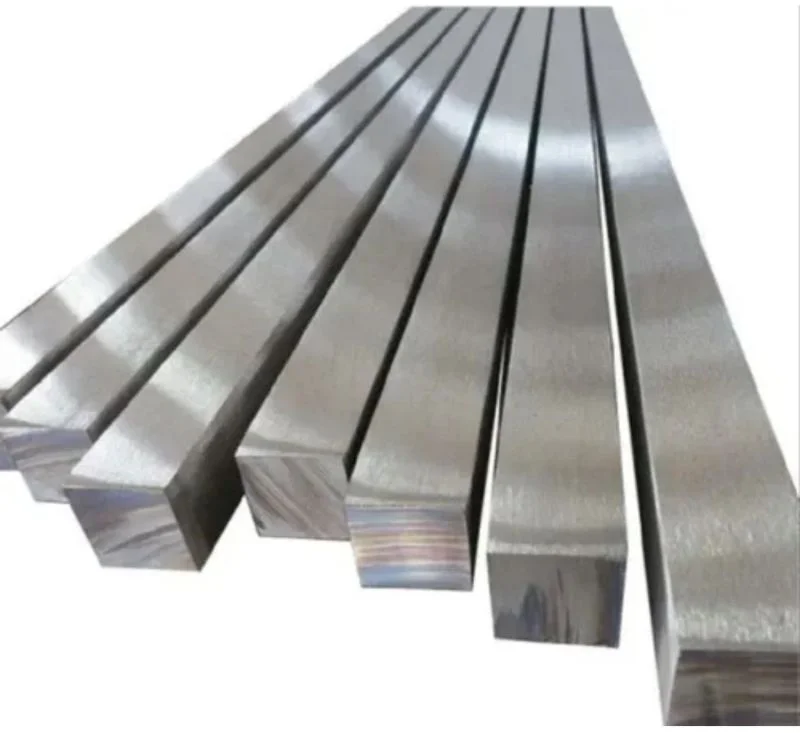
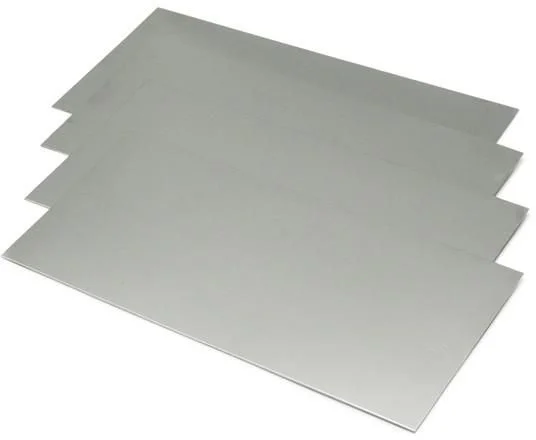
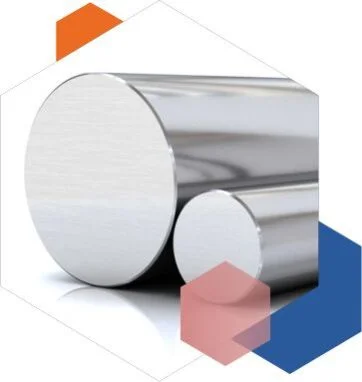
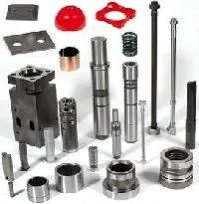
The titanium catalogue covers coil, elbows, processing parts, plates, bars, wires and tubes. In the industry, titanium coil and sheet are commonly supplied to ASTM B265 with thicknesses from 0.5 mm to 10 mm and widths up to 1,250 mm. Titanium elbows and tubes are fabricated to ASTM B338 dimensions, with standard diameters from 10 mm to 200 mm and wall‑thickness tolerance ±0.1 mm. Titanium bars and rods follow ASTM B348, typically offered in diameters from 6 mm to 300 mm and lengths of 6 m. Titanium wire is produced to ASTM B333, usually 0.2 mm to 2.0 mm diameter, wound on spools. Nickel plates and sheets are generally supplied to ASTM B488, with typical thicknesses 0.5 mm‑5 mm and a mill‑finished surface. Zirconium plates conform to ASTM B352, with alloy grades R60702‑R60705 used in nuclear and chemical sectors.
Trade and Export Information - Baoji Meihua Metals
China ranks among the world’s largest exporters of titanium and nickel specialty metals, supplying aerospace, chemical processing, medical device, and automotive industries. HS chapter 81 (8108 for titanium, 8109 for zirconium) and chapter 75 (7506 for nickel) are routinely used for customs clearance. Buyers in North America, Europe and Southeast Asia often require ISO 9001 quality‑management certification and, for aerospace applications, NADCAP accreditation or compliance with ASTM and EN standards. Typical shipment terms are FOB Shanghai or Ningbo, with products packed in wooden crates or bulk pallets inside 20‑ft or 40‑ft containers, protected with moisture‑absorbing packs.
Sourcing from Baoji Meihua Metals - Buyer Guidance
When sourcing titanium grades from this supplier, request a mill test report (MTR) that details chemical composition, tensile strength, elongation, and oxygen content per ASTM B265 or B348. Verify that the grade matches the listed material, e.g., Grade 2 CP Ti ≥ 99.2 % Ti or Grade 5 Ti‑6Al‑4V with specified Al and V percentages. For nickel and zirconium plates, ask for certificates confirming UNS designation, purity level, and compliance with ASTM B488 or B352 respectively.
Samples should be inspected for surface defects, dimensional tolerances, and heat‑treatment condition before bulk order. Ensure packaging specifications meet the product’s corrosion sensitivity - for titanium, use moisture‑controlled pallets and avoid direct contact with ferrous materials. Confirm HS code declaration matches the product to avoid customs delays.
Frequently Asked Questions About Baoji Meihua Metals
What titanium grades are available from Baoji Meihua Metals?
The catalogue lists commercial pure Grade 2 titanium (Ti 99.2 %+) and alloy Grade 5 (Ti‑6Al‑4V) for most forms, with Grade 1 also offered for tubes and pipes.
How can I verify the chemical composition of the titanium products?
Request a mill test report that includes the exact percentages of Ti, Al, V, O and any other alloying elements, referenced to ASTM B265 or B348 standards.
Which certifications should I request for titanium and nickel plates?
Typical buyers ask for ISO 9001 quality‑management certification and a product‑specific certificate such as ASTM B265 for titanium plates or ASTM B488 for nickel plates. For aerospace projects, NADCAP or equivalent aerospace compliance may be required.
What are the typical dimensions and tolerances for titanium bars and wires?
Titanium bars are commonly supplied in diameters from 6 mm to 300 mm with length up to 6 m, tolerance ±0.1 mm on diameter. Wires are usually 0.2 mm to 2.0 mm in diameter, wound on spools, with surface‑roughness tolerance of Ra ≤ 0.8 µm.
What packaging methods are used for shipping titanium coils and tubes?
Coils and tubes are typically packed in wooden crates or bulk pallets, wrapped in anti‑corrosion film, and placed inside 20‑ft or 40‑ft containers with moisture‑absorbing packets to prevent oxidation.
Which markets commonly import these Chinese titanium and nickel products?
Major importers include North America (USA, Canada), Europe (Germany, UK, France), and Southeast Asian countries such as Japan and South Korea, especially for aerospace, chemical processing and medical device applications.
What documentation is required for customs clearance of HS 8108 products?
Customs generally require a commercial invoice, packing list, certificate of origin, and the mill test report that matches HS code 8108.00 for titanium items.
What is the standard lead time for producing a custom titanium tube order?
Lead times vary but a typical production schedule for custom‑cut titanium tubes ranges from 4 to 8 weeks after order confirmation, depending on dimensions and heat‑treatment requirements.




 , China