Back To Roots — Verified Supplier

About Back To Roots - Fresh Fruits Supplier in India

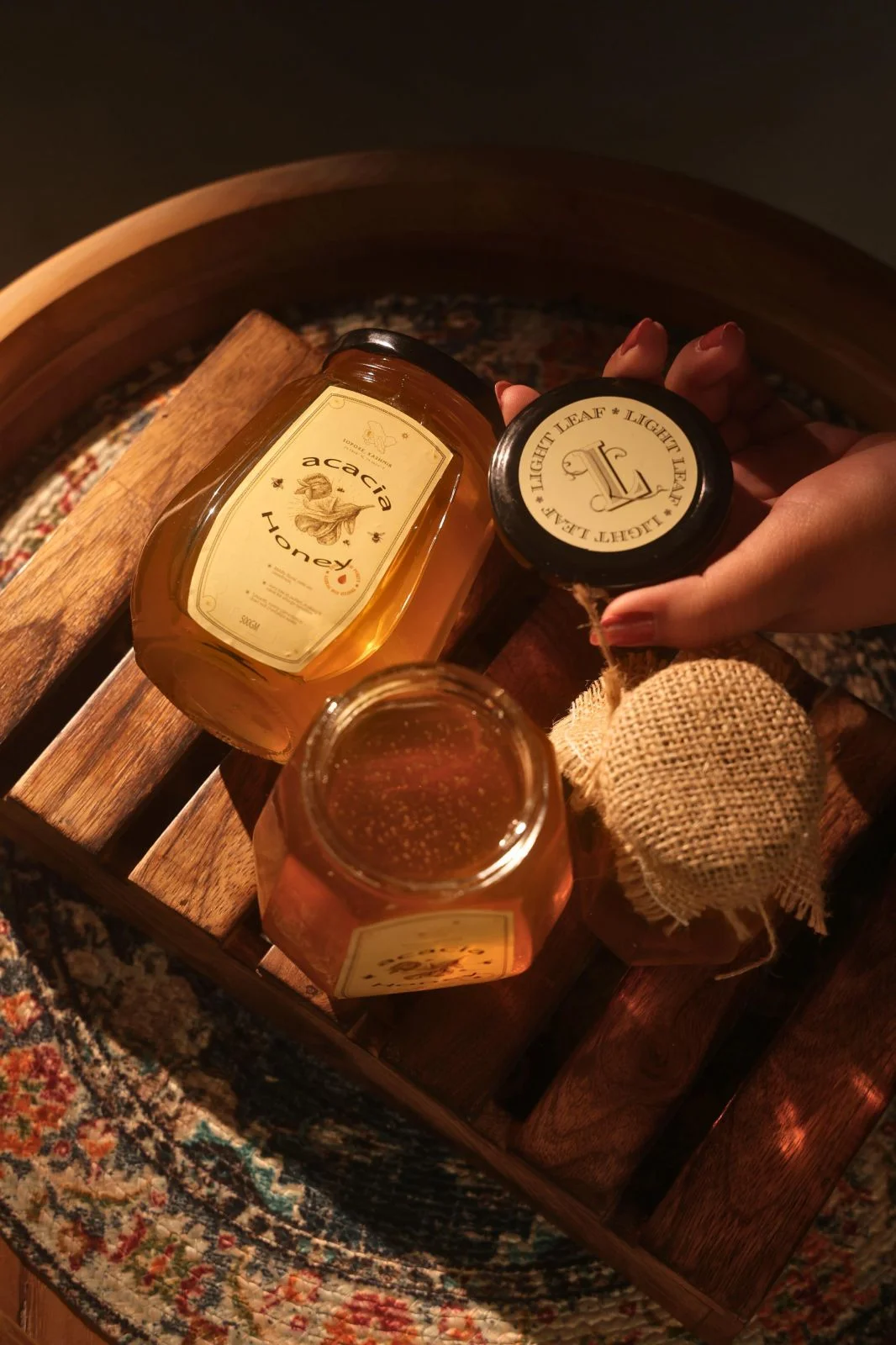
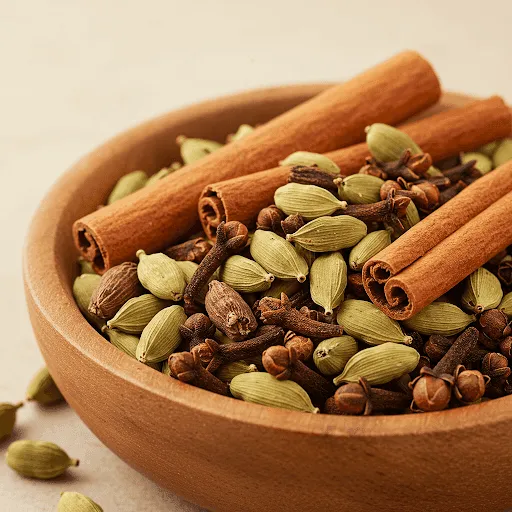
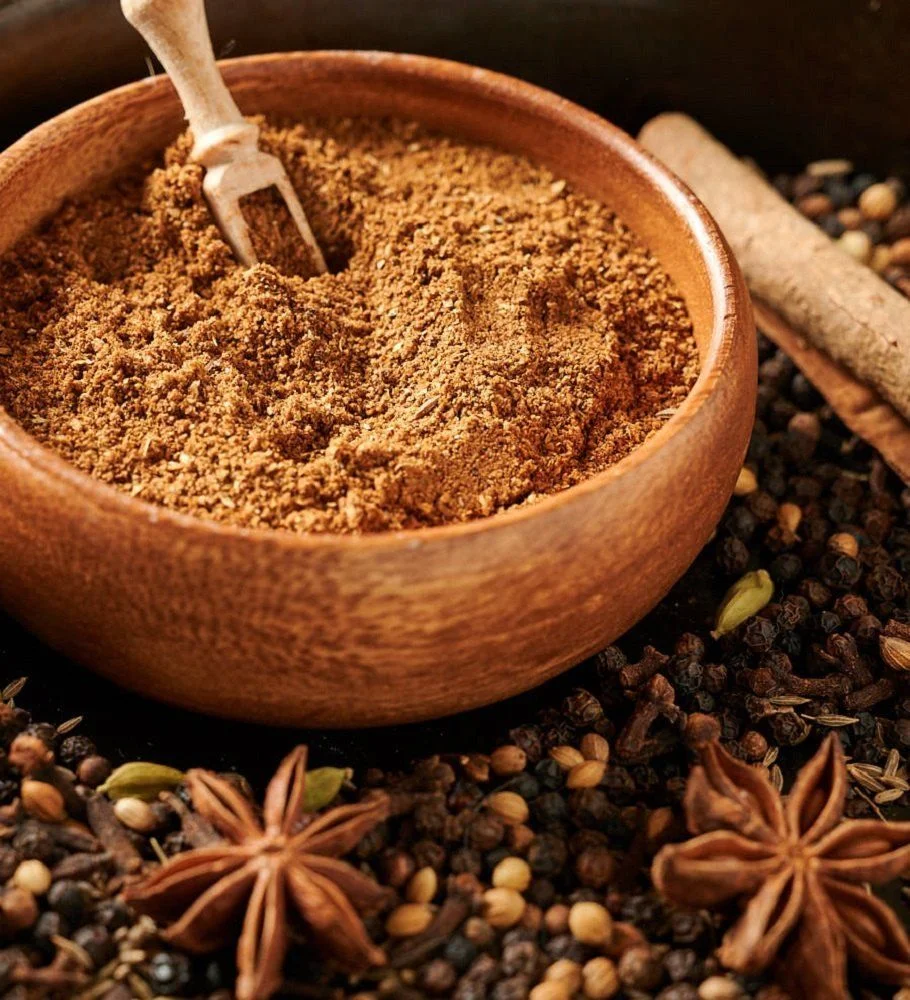
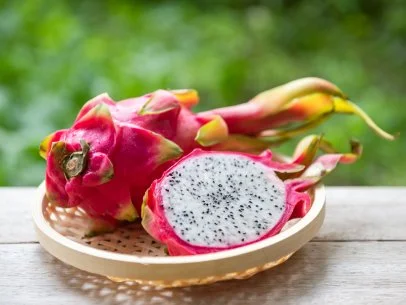
Back To Roots is based in India and lists eight active products across fresh fruits, honey, jaggery, turmeric, cardamom, and other tropical fruits. The catalogue includes honey, jaggery powder, turmeric powder and flakes, green cardamom, a mixed spice assortment, mangosteen, rambutan, and red‑flesh dragon fruit. Each item falls under the supplier’s top categories such as Fresh Fruits, Honey, Jaggery, Turmeric Powder, Green Cardamom, Spices, and Dragon Fruit. The supplier’s trust tier is recorded as harbor, indicating a moderate level of platform verification.

The product list combines both processed items - honey, jaggery powder, turmeric powder and flakes, green cardamom, and a generic spice blend - and fresh exotic fruits including mangosteen, rambutan, and dragon fruit. No additional specifications such as pack size or grade are provided in the catalogue, but the range mirrors typical Indian export offerings in these categories.

Product Range and Specialties of Back To Roots

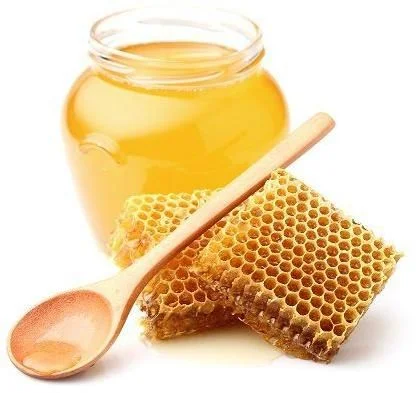
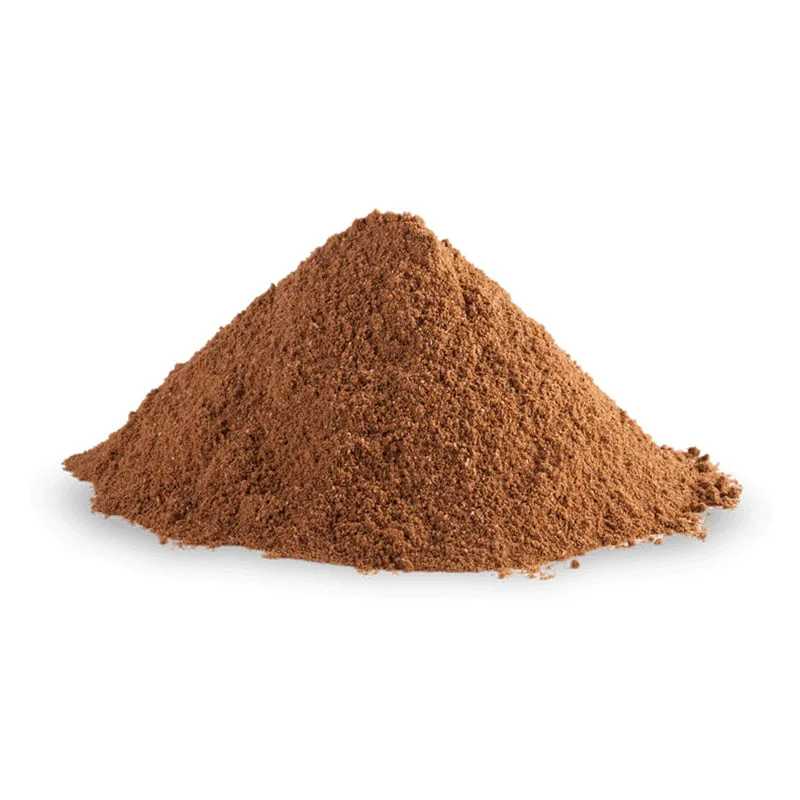
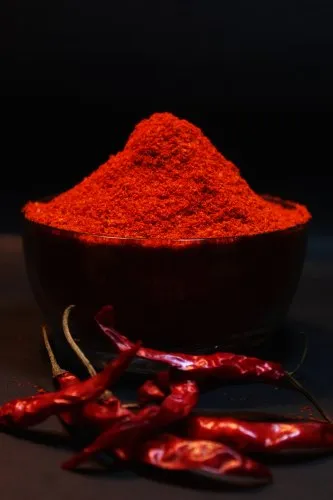
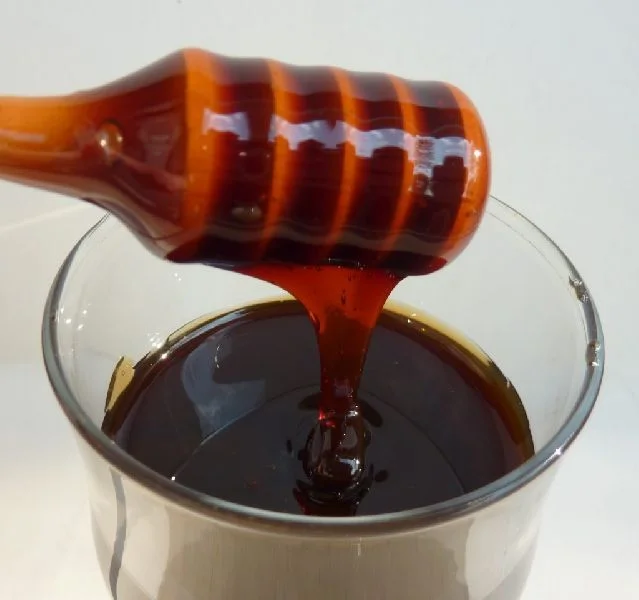
The processed line features honey that is commonly sold in grades meeting ICUMSA 45 standards, with moisture content below 20 % and a typical sugar profile of 80 % fructose‑glucose. Jaggery powder generally targets a purity of 90 % - 95 % with moisture under 5 %, while turmeric powder and flakes are graded by curcumin content (3 % - 5 %) and colour strength (ICUMSA 150). Green cardamom is usually classified as Grade A, having pod length of 10 - 12 mm, moisture ≤7 % and essential oil content around 5 % - 8 %. The generic spice blend follows standard Indian spice specifications for blend uniformity and contaminant limits. Fresh fruit items - mangosteen, rambutan and red‑flesh dragon fruit - are exported with size grades (average weight 150 - 250 g per fruit for mangosteen, 200 - 300 g for rambutan, 300 - 400 g for dragon fruit) and require post‑harvest handling to maintain shelf life of 7 - 10 days under refrigerated transport.

Trade and Export Information - Back To Roots

India is a major exporter of honey, spices, and tropical fruits, with primary destinations in the European Union, United States, and Gulf Cooperation Council countries. Buyers typically require food‑safety certifications such as FSSAI registration, ISO 22000 or ISO 9001, and where applicable organic or fair‑trade certificates. Phytosanitary certificates are mandatory for fresh fruit shipments, and exporters often provide a certificate of analysis confirming moisture, pesticide residue limits and microbial standards in accordance with Codex Alimentarius. Packaging for processed goods usually involves food‑grade PET jars, multi‑layer polypropylene bags or kraft paper bags, while fresh fruits are packed in ventilated wooden crates or bulk cardboard cartons designed for air‑freight or sea‑freight. Common Incoterms are FOB or CIF, with container loads ranging from 20‑ft (approximately 1 ton of honey or spices) to 40‑ft for bulk fruit shipments.

Sourcing from Back To Roots - Buyer Guidance

When sourcing honey, jaggery powder or turmeric, request a recent Certificate of Analysis that lists moisture, sugar profile, curcumin content and any pesticide residues tested against Codex limits. For green cardamom and spice blends, ask for a moisture test report and a declaration of essential oil content, together with the supplier’s ISO 22000 certification copy. Fresh fruit buyers should obtain a phytosanitary certificate, a pre‑shipment inspection report, and confirm that the fruit meets size and colour specifications; a short‑term refrigerated storage plan should be discussed to preserve freshness during transit. Verify packaging material suitability (e.g., food‑grade liners for powders, ventilated crates for fruits) and confirm the agreed Incoterm to align responsibilities for freight and insurance.

Frequently Asked Questions About Back To Roots

What varieties of honey are listed by Back To Roots?

The catalogue mentions honey without specifying a botanical source, which in Indian exports generally includes multifloral or clover varieties meeting ICUMSA 45 grade. Buyers should request the honey’s colour, moisture content and a Certificate of Analysis to confirm compliance with their quality standards.

How is jaggery powder typically packaged for export?

Indian exporters usually pack jaggery powder in food‑grade polyethylene bags or multi‑layer polypropylene sacks, often sealed to protect against moisture. Bulk orders may be placed on pallets with inner liners to facilitate handling and maintain product integrity.

Which certifications are commonly required for turmeric powder from India?

Typical requirements include FSSAI registration, ISO 22000 food‑safety certification, and a Certificate of Analysis showing curcumin content (3 % - 5 %) and compliance with pesticide residue limits. Organic certification may be requested if the buyer needs certified organic turmeric.

Which markets commonly import Indian dragon fruit?

Dragon fruit from India is frequently shipped to the European Union, United States, and Middle‑East markets, where demand for exotic fresh fruit is strong. Importers in these regions usually require phytosanitary certification and compliance with cold‑chain logistics.

What is the typical lead time for mangosteen shipments?

Lead times for fresh mangosteen depend on seasonality but generally range from 15 to 25 days from order confirmation to shipment, allowing time for harvesting, grading, packing and export clearance.

Are phytosanitary certificates required for rambutan exports?

Yes, most destination countries mandate a phytosanitary certificate for fresh rambutan to verify that the fruit is free from pests and diseases. The certificate is issued by the Indian agricultural authority after an on‑site inspection.

What moisture limits apply to green cardamom?

Green cardamom exported from India is typically required to have a moisture content of 7 % or lower to prevent mould growth and preserve essential oil quality. A moisture test report is commonly included in the product documentation.

How are bulk spice blends usually packed?

Bulk spice blends are often packed in large kraft paper bags or multi‑layer polypropylene bags ranging from 25 kg to 50 kg, with inner liners to protect against moisture and odour transfer. Palletisation with stretch‑wrap is standard for sea freight shipments.


Featured Products from this Supplier

Other Suppliers in Primary Category

Top Trusted Suppliers

Related Products

Trending in Parent Category

More Suppliers in Category

Related Products

Other Suppliers

EximNext
58.7K+ live requirements
Register Free🎁 Reach verified global buyers
Post Requirement
🌍 Trusted by 224.9K+ businesses in 200+ countries|
58.7K+ active requirements right now
✉️ [email protected]
|
Sell on EximNextPost Requirement
EximNext
AgricultureApparelConstructionElectronicFoodHomeIndustrialMineralsMiscellaneous
🔥 Deals|✨ AI Match|🏭 Suppliers|📋 Buy Leads|💰 Trade Finance
58.7K+ live RFQs·194.8K+ suppliers
🎁 Reach global buyers →
EximNext
EximNext
Register Free
🎁 Reach verified global buyers
Sign In
📋Post Requirement💬Get Quotes✨AI Match📋RFQ Marketplace
All Categories
Services & Tools
🏭Supplier Directory🔥Today's Deals💰Trade Finance
Sell on EximNext →
AboutContactBlogHelp
Agriculture & Food  ·  India
8
products listed

Back To Roots

⚓ Harbor
Country flag , India
🛡️
54/100
Trust Score

Back To Roots Product Catalog

Showing 8 of 8 products
View all products →
Honey
⚓ Harbor
Honey
Contact
MOQ: 1 Unit
Jaggery Powder
⚓ Harbor
Jaggery Powder
Contact
MOQ: 1 Unit
Turmeric Powder And Flakes
⚓ Harbor
Turmeric Powder And Flakes
Contact
MOQ: 1 Unit
Green Cardamom
⚓ Harbor
Green Cardamom
Contact
MOQ: 1 Unit
Spices
⚓ Harbor
Spices
Contact
MOQ: 1 Unit
Mangosteen
⚓ Harbor
Mangosteen
Contact
MOQ: 1 Unit
Rambutan
⚓ Harbor
Rambutan
Contact
MOQ: 1 Unit
Dragon Fruit- Red Flesh
⚓ Harbor
Dragon Fruit- Red Flesh
Contact
MOQ: 1 Unit

About Back To Roots - Fresh Fruits Supplier in India

Back To Roots is based in India and lists eight active products across fresh fruits, honey, jaggery, turmeric, cardamom, and other tropical fruits. The catalogue includes honey, jaggery powder, turmeric powder and flakes, green cardamom, a mixed spice assortment, mangosteen, rambutan, and red‑flesh dragon fruit. Each item falls under the supplier’s top categories such as Fresh Fruits, Honey, Jaggery, Turmeric Powder, Green Cardamom, Spices, and Dragon Fruit. The supplier’s trust tier is recorded as harbor, indicating a moderate level of platform verification.

The product list combines both processed items - honey, jaggery powder, turmeric powder and flakes, green cardamom, and a generic spice blend - and fresh exotic fruits including mangosteen, rambutan, and dragon fruit. No additional specifications such as pack size or grade are provided in the catalogue, but the range mirrors typical Indian export offerings in these categories.

Product Range and Specialties of Back To Roots

The processed line features honey that is commonly sold in grades meeting ICUMSA 45 standards, with moisture content below 20 % and a typical sugar profile of 80 % fructose‑glucose. Jaggery powder generally targets a purity of 90 % - 95 % with moisture under 5 %, while turmeric powder and flakes are graded by curcumin content (3 % - 5 %) and colour strength (ICUMSA 150). Green cardamom is usually classified as Grade A, having pod length of 10 - 12 mm, moisture ≤7 % and essential oil content around 5 % - 8 %. The generic spice blend follows standard Indian spice specifications for blend uniformity and contaminant limits. Fresh fruit items - mangosteen, rambutan and red‑flesh dragon fruit - are exported with size grades (average weight 150 - 250 g per fruit for mangosteen, 200 - 300 g for rambutan, 300 - 400 g for dragon fruit) and require post‑harvest handling to maintain shelf life of 7 - 10 days under refrigerated transport.

Trade and Export Information - Back To Roots

India is a major exporter of honey, spices, and tropical fruits, with primary destinations in the European Union, United States, and Gulf Cooperation Council countries. Buyers typically require food‑safety certifications such as FSSAI registration, ISO 22000 or ISO 9001, and where applicable organic or fair‑trade certificates. Phytosanitary certificates are mandatory for fresh fruit shipments, and exporters often provide a certificate of analysis confirming moisture, pesticide residue limits and microbial standards in accordance with Codex Alimentarius. Packaging for processed goods usually involves food‑grade PET jars, multi‑layer polypropylene bags or kraft paper bags, while fresh fruits are packed in ventilated wooden crates or bulk cardboard cartons designed for air‑freight or sea‑freight. Common Incoterms are FOB or CIF, with container loads ranging from 20‑ft (approximately 1 ton of honey or spices) to 40‑ft for bulk fruit shipments.

Sourcing from Back To Roots - Buyer Guidance

When sourcing honey, jaggery powder or turmeric, request a recent Certificate of Analysis that lists moisture, sugar profile, curcumin content and any pesticide residues tested against Codex limits. For green cardamom and spice blends, ask for a moisture test report and a declaration of essential oil content, together with the supplier’s ISO 22000 certification copy. Fresh fruit buyers should obtain a phytosanitary certificate, a pre‑shipment inspection report, and confirm that the fruit meets size and colour specifications; a short‑term refrigerated storage plan should be discussed to preserve freshness during transit. Verify packaging material suitability (e.g., food‑grade liners for powders, ventilated crates for fruits) and confirm the agreed Incoterm to align responsibilities for freight and insurance.

Frequently Asked Questions About Back To Roots

What varieties of honey are listed by Back To Roots?

The catalogue mentions honey without specifying a botanical source, which in Indian exports generally includes multifloral or clover varieties meeting ICUMSA 45 grade. Buyers should request the honey’s colour, moisture content and a Certificate of Analysis to confirm compliance with their quality standards.

How is jaggery powder typically packaged for export?

Indian exporters usually pack jaggery powder in food‑grade polyethylene bags or multi‑layer polypropylene sacks, often sealed to protect against moisture. Bulk orders may be placed on pallets with inner liners to facilitate handling and maintain product integrity.

Which certifications are commonly required for turmeric powder from India?

Typical requirements include FSSAI registration, ISO 22000 food‑safety certification, and a Certificate of Analysis showing curcumin content (3 % - 5 %) and compliance with pesticide residue limits. Organic certification may be requested if the buyer needs certified organic turmeric.

Which markets commonly import Indian dragon fruit?

Dragon fruit from India is frequently shipped to the European Union, United States, and Middle‑East markets, where demand for exotic fresh fruit is strong. Importers in these regions usually require phytosanitary certification and compliance with cold‑chain logistics.

What is the typical lead time for mangosteen shipments?

Lead times for fresh mangosteen depend on seasonality but generally range from 15 to 25 days from order confirmation to shipment, allowing time for harvesting, grading, packing and export clearance.

Are phytosanitary certificates required for rambutan exports?

Yes, most destination countries mandate a phytosanitary certificate for fresh rambutan to verify that the fruit is free from pests and diseases. The certificate is issued by the Indian agricultural authority after an on‑site inspection.

What moisture limits apply to green cardamom?

Green cardamom exported from India is typically required to have a moisture content of 7 % or lower to prevent mould growth and preserve essential oil quality. A moisture test report is commonly included in the product documentation.

How are bulk spice blends usually packed?

Bulk spice blends are often packed in large kraft paper bags or multi‑layer polypropylene bags ranging from 25 kg to 50 kg, with inner liners to protect against moisture and odour transfer. Palletisation with stretch‑wrap is standard for sea freight shipments.

About Back To Roots - Fresh Fruits Supplier in India

Back To Roots is based in India and lists eight active products across fresh fruits, honey, jaggery, turmeric, cardamom, and other tropical fruits. The catalogue includes honey, jaggery powder, turmeric powder and flakes, green cardamom, a mixed spice assortment, mangosteen, rambutan, and red‑flesh dragon fruit. Each item falls under the supplier’s top categories such as Fresh Fruits, Honey, Jaggery, Turmeric Powder, Green Cardamom, Spices, and Dragon Fruit. The supplier’s trust tier is recorded as harbor, indicating a moderate level of platform verification.

The product list combines both processed items - honey, jaggery powder, turmeric powder and flakes, green cardamom, and a generic spice blend - and fresh exotic fruits including mangosteen, rambutan, and dragon fruit. No additional specifications such as pack size or grade are provided in the catalogue, but the range mirrors typical Indian export offerings in these categories.

Product Range and Specialties of Back To Roots

The processed line features honey that is commonly sold in grades meeting ICUMSA 45 standards, with moisture content below 20 % and a typical sugar profile of 80 % fructose‑glucose. Jaggery powder generally targets a purity of 90 % - 95 % with moisture under 5 %, while turmeric powder and flakes are graded by curcumin content (3 % - 5 %) and colour strength (ICUMSA 150). Green cardamom is usually classified as Grade A, having pod length of 10 - 12 mm, moisture ≤7 % and essential oil content around 5 % - 8 %. The generic spice blend follows standard Indian spice specifications for blend uniformity and contaminant limits. Fresh fruit items - mangosteen, rambutan and red‑flesh dragon fruit - are exported with size grades (average weight 150 - 250 g per fruit for mangosteen, 200 - 300 g for rambutan, 300 - 400 g for dragon fruit) and require post‑harvest handling to maintain shelf life of 7 - 10 days under refrigerated transport.

Trade and Export Information - Back To Roots

India is a major exporter of honey, spices, and tropical fruits, with primary destinations in the European Union, United States, and Gulf Cooperation Council countries. Buyers typically require food‑safety certifications such as FSSAI registration, ISO 22000 or ISO 9001, and where applicable organic or fair‑trade certificates. Phytosanitary certificates are mandatory for fresh fruit shipments, and exporters often provide a certificate of analysis confirming moisture, pesticide residue limits and microbial standards in accordance with Codex Alimentarius. Packaging for processed goods usually involves food‑grade PET jars, multi‑layer polypropylene bags or kraft paper bags, while fresh fruits are packed in ventilated wooden crates or bulk cardboard cartons designed for air‑freight or sea‑freight. Common Incoterms are FOB or CIF, with container loads ranging from 20‑ft (approximately 1 ton of honey or spices) to 40‑ft for bulk fruit shipments.

Sourcing from Back To Roots - Buyer Guidance

When sourcing honey, jaggery powder or turmeric, request a recent Certificate of Analysis that lists moisture, sugar profile, curcumin content and any pesticide residues tested against Codex limits. For green cardamom and spice blends, ask for a moisture test report and a declaration of essential oil content, together with the supplier’s ISO 22000 certification copy. Fresh fruit buyers should obtain a phytosanitary certificate, a pre‑shipment inspection report, and confirm that the fruit meets size and colour specifications; a short‑term refrigerated storage plan should be discussed to preserve freshness during transit. Verify packaging material suitability (e.g., food‑grade liners for powders, ventilated crates for fruits) and confirm the agreed Incoterm to align responsibilities for freight and insurance.

Frequently Asked Questions About Back To Roots
What varieties of honey are listed by Back To Roots?
The catalogue mentions honey without specifying a botanical source, which in Indian exports generally includes multifloral or clover varieties meeting ICUMSA 45 grade. Buyers should request the honey’s colour, moisture content and a Certificate of Analysis to confirm compliance with their quality standards.
How is jaggery powder typically packaged for export?
Indian exporters usually pack jaggery powder in food‑grade polyethylene bags or multi‑layer polypropylene sacks, often sealed to protect against moisture. Bulk orders may be placed on pallets with inner liners to facilitate handling and maintain product integrity.
Which certifications are commonly required for turmeric powder from India?
Typical requirements include FSSAI registration, ISO 22000 food‑safety certification, and a Certificate of Analysis showing curcumin content (3 % - 5 %) and compliance with pesticide residue limits. Organic certification may be requested if the buyer needs certified organic turmeric.
Which markets commonly import Indian dragon fruit?
Dragon fruit from India is frequently shipped to the European Union, United States, and Middle‑East markets, where demand for exotic fresh fruit is strong. Importers in these regions usually require phytosanitary certification and compliance with cold‑chain logistics.
What is the typical lead time for mangosteen shipments?
Lead times for fresh mangosteen depend on seasonality but generally range from 15 to 25 days from order confirmation to shipment, allowing time for harvesting, grading, packing and export clearance.
Are phytosanitary certificates required for rambutan exports?
Yes, most destination countries mandate a phytosanitary certificate for fresh rambutan to verify that the fruit is free from pests and diseases. The certificate is issued by the Indian agricultural authority after an on‑site inspection.
What moisture limits apply to green cardamom?
Green cardamom exported from India is typically required to have a moisture content of 7 % or lower to prevent mould growth and preserve essential oil quality. A moisture test report is commonly included in the product documentation.
How are bulk spice blends usually packed?
Bulk spice blends are often packed in large kraft paper bags or multi‑layer polypropylene bags ranging from 25 kg to 50 kg, with inner liners to protect against moisture and odour transfer. Palletisation with stretch‑wrap is standard for sea freight shipments.

Back To Roots
Country flag India
⚓ HarborAgriculture & Food
54/100
Trust Score
8
Products
✓ Free to contact — no commission
✓ Escrow payment available
✓ Verified business identity
Compare more suppliers
Post a requirement — get 10 quotes free
Let verified suppliers compete for your business. Free, fast, no commitment.
EximNext Verified Supplier
Business identity verified
Physical address confirmed
Financial history checked
Certifications authenticated
Trade references validated
Due Diligence
Verify this supplier's real shipping history.
Every shipment, every buyer, every port. Trade data that can't be faked.
Run due diligence →
Discover More

Related Suppliers & Products

Explore similar suppliers, related products and trending categories

Featured Products from this Supplier

Other Suppliers in Primary Category

Top Trusted Suppliers

Related Products

Trending in Parent Category

More Suppliers in Category

Stay ahead in global trade
Weekly market insights & new supplier alerts.
EximNext
Exim Next is a leading global B2B marketplace, connecting over 205,000 verified suppliers and buyers across 200+ countries. As a trusted import export marketplace, it serves as the essential B2B portal for businesses worldwide, empowering them to expand their international reach. With Exim Next, businesses can trade smarter and grow faster.
SECURE PAYMENTS
VISAMastercardPayPalSWIFTL/CEscrow
Follow us
© 2026 EximNext