Asmini Flowers & Foliage Co. Ltd. — Verified Supplier
About Asmini Flowers & Foliage Co. Ltd. - Fresh Flowers Supplier in Kenya
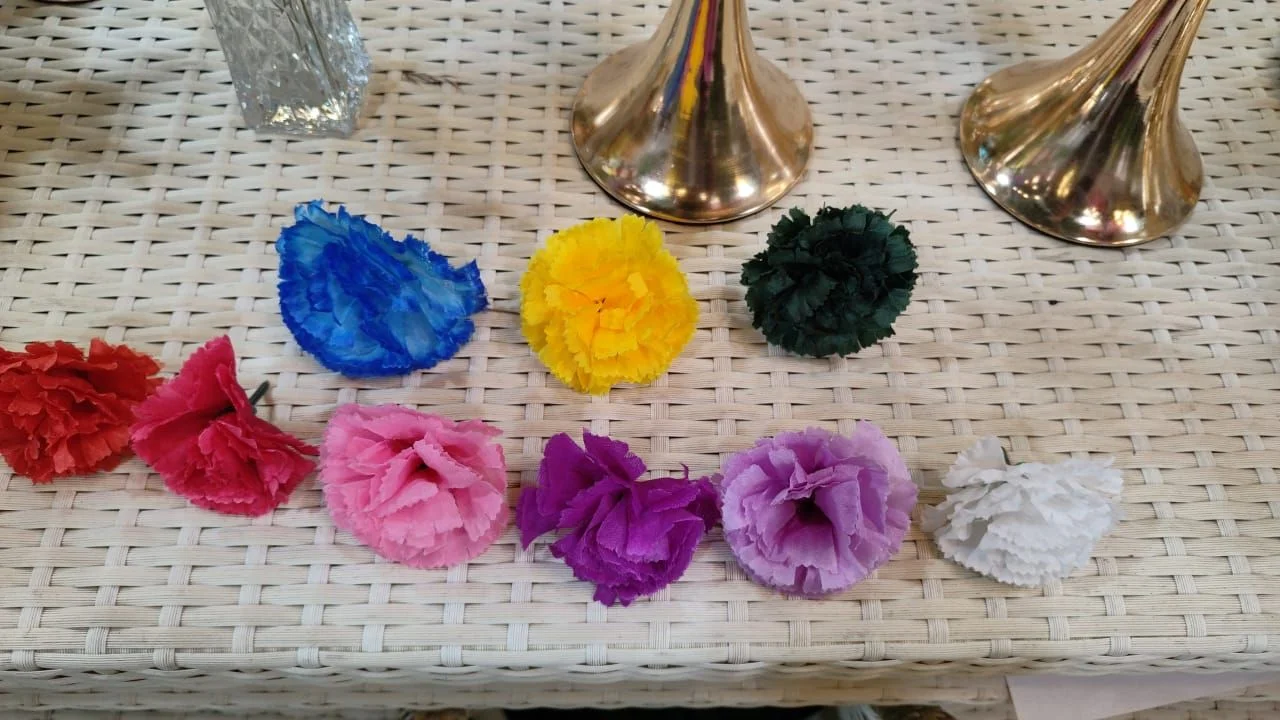
Based in Kenya, East Africa, Asmini Flowers & Foliage Co. Ltd. lists 86 active products across several horticultural categories. The catalogue is organised under top categories such as Fresh Flowers, Plants & Plant Extracts, Fresh Roses, Herbal Plants, Herbal Extracts, Artificial Grass Mats, Wooden Handicrafts and Wooden Box. The company’s product list includes a variety of cut roses (e.g., Standard, Ann Sophie, Juliet, Princess, Victorian), carnation, agapanthus, dahlia, and ornamental foliage items such as Aralia Leaves, Bush Lavender, Ivy Leaves and Strawberry Leaves. Each item is typically recorded under HS chapter 06, the international tariff heading for fresh cut flowers and foliage, which is used by customs authorities worldwide. The supplier’s trust tier is classified as “harbor”, indicating a moderate level of verification in trade platforms.
The detailed catalogue contains 30 specific entries, ranging from Rose Petals V508‑Wxx and multi‑coloured rose heads to leaf varieties like Grevillea and Physalis. In addition to floral products, the list includes non‑plant items such as Artificial Grass Mats and wooden handicrafts, reflecting a diversified horticultural offering. Buyers can locate these items using the product names provided, and the catalogue’s structure aligns with standard HS‑code families for cut flowers (0603) and ornamental foliage (0601). No additional company history, employee count or revenue figures are supplied.
Product Range and Specialties of Asmini Flowers & Foliage Co. Ltd.
The product range covers classic cut roses classified by stem length, colour and form - categories that buyers typically evaluate by Class A grading, stem length of 40‑70 cm, colour uniformity and vase life of 7‑10 days. Carnations and dahlias are usually sold under ICUMSA‑like colour standards and require a minimum bud opening of 70 % at the time of shipment. Foliage items such as Aralia, Ivy and Grevillea are measured by leaf size (e.g., 8‑12 cm length) and moisture content below 12 %. Artificial Grass Mats are supplied in standard roll widths of 2 m and thicknesses of 8‑12 mm, while wooden handicrafts conform to common hardwood grades and are finished to meet ISO 1302 surface‑roughness levels. These specifications represent the typical grades and material standards observed in the global fresh‑flower and ornamental‑plant market.
Industry practice for these categories includes compliance with GlobalGAP for pesticide residues, ISO 9001 for quality management, and phytosanitary certification according to the International Plant Protection Convention. Buyers often request documentation of pesticide testing (maximum residue limits aligned with EU standards) and proof of compliance with the EU Regulation 2019/1008 for plant protection products. For wooden products, a phytosanitary treatment and a declaration of compliance with ISPM 15 (heat‑treated wood) are standard requirements for international shipments.
Trade and Export Information - Asmini Flowers & Foliage Co. Ltd.
Kenya is one of the world’s leading exporters of cut roses and other fresh flowers, with the majority of shipments destined for the European Union, particularly the Netherlands, Germany and the United Kingdom. The primary HS codes used for these exports are 0603.90 (cut roses) and 0601.90 (fresh foliage). Export logistics rely heavily on temperature‑controlled air freight for short‑haul deliveries and 40‑ft refrigerated containers (reefers) for larger volumes, maintaining a cold chain at 2‑4 °C to preserve vase life. Importing countries usually require a phytosanitary certificate issued by the Kenyan Plant Health Authority and, where applicable, a GlobalGAP audit report.
Typical buyers of Kenyan fresh flowers include wholesale florists, event planners and large retail chains that operate in the EU, the Middle East and the United States. These markets frequently request compliance with the EU’s REACH regulation for chemical safety and may also ask for a certificate of origin to benefit from any preferential trade agreements Kenya holds with the EU. Packaging standards involve insulated cardboard boxes, wet packs with distilled water, and sometimes foam inserts to protect delicate stems during transit. Incoterms most commonly used are FOB Mombasa or CIF Rotterdam, reflecting the established shipping routes from the Indian Ocean port of Mombasa.
Sourcing from Asmini Flowers & Foliage Co. Ltd. - Buyer Guidance
When sourcing from Asmini Flowers & Foliage Co. Ltd., buyers should request a recent phytosanitary certificate and, if available, a GlobalGAP audit report to verify pesticide residue compliance. Samples of rose stems should be examined for uniform length, colour consistency and bud opening percentage, while foliage samples should be checked for leaf integrity and moisture content below 12 %. It is advisable to confirm the packaging format - insulated boxes with wet packs - and to ensure that the shipment will be handled under a continuous cold chain from dispatch to arrival.
Buyers should also verify the HS code declared for each product (e.g., 0603.90 for cut roses) and request a detailed packing list that includes total stem count, gross weight and container dimensions. Lead times for fresh‑flower shipments from Kenya typically range from 7 to 14 days, depending on the destination and the chosen transport mode. Clarifying the minimum order quantity, which for most cut‑flower varieties is around 500 stems per SKU, helps align production schedules with market demand.
Frequently Asked Questions About Asmini Flowers & Foliage Co. Ltd.
What types of roses does Asmini Flowers & Foliage Co. Ltd. offer?
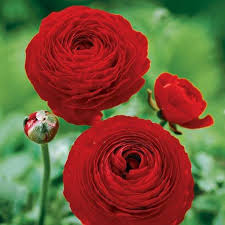
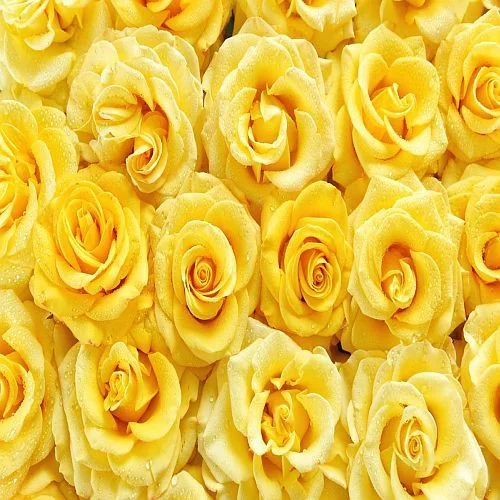
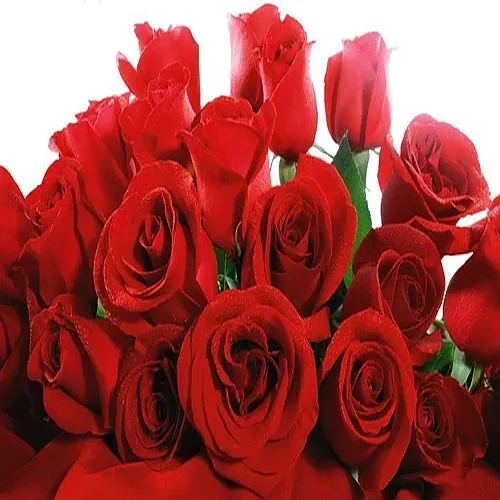
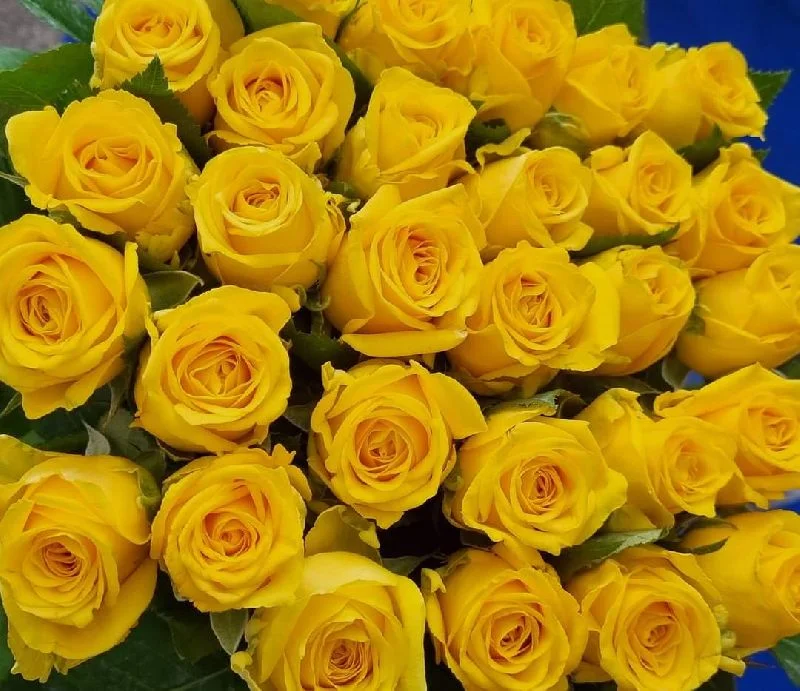
The catalogue lists several rose varieties including Standard, Ann Sophie, Juliet, Princess, Victorian, multi‑coloured and heart‑shaped roses, as well as rose heads in different sizes and display formats.
Are phytosanitary certificates provided for fresh flower shipments?
Phytosanitary certification is standard for Kenyan flower exports; buyers should request the latest certificate to satisfy customs and import regulations.
Which HS codes are applicable to the company's cut flower products?
Cut roses are generally classified under HS code 0603.90, while other fresh flowers and foliage fall under HS code 0601.90 or related sub‑headings in chapter 06.
What quality specifications should buyers check for roses?
Buyers typically verify stem length (40‑70 cm), colour uniformity, bud opening of at least 70 % and vase life of 7‑10 days, all of which are standard industry benchmarks.
What packaging is used for the fresh flower orders?
Orders are packed in insulated cardboard boxes with wet packs of distilled water, often reinforced with foam inserts to protect stems during air‑freight or reefed‑container transport.
Which certifications are commonly required for Kenyan flower exporters?
Importers usually request GlobalGAP compliance, ISO 9001 quality‑management certification and a phytosanitary certificate; buyers should confirm whether these documents are available.
What are the typical lead times and minimum order quantities?
Lead times for air‑freight shipments range from 7 to 14 days, and minimum order quantities are often around 500 stems per rose variety, though exact figures depend on the specific SKU.
Which markets does Kenya primarily export its fresh flowers to?
The main destination markets are the European Union (Netherlands, Germany, United Kingdom), the Middle East and the United States, reflecting established trade routes for temperature‑controlled horticultural products.




 , Kenya