Agriculture›
 Apparel and fashion accessories›
 Construction & real estate›💡Electronic & Electrical›🍎Food & Beverages›🛋️Home furnishing & supplies›⚗️Industrial goods & chemical›🪨Minerals & metals›📦Miscellaneous›Agriculture›Apparel and fashion accessories›Construction & real estate›💡Electronic & Electrical›🍎Food & Beverages›🛋️Home furnishing & supplies›⚗️Industrial goods & chemical›🪨Minerals & metals›📦Miscellaneous›
Artha Mineral Resources Product Catalog

About Artha Mineral Resources - Industrial Minerals Supplier in India
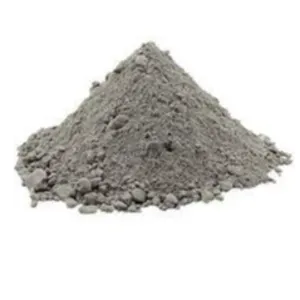
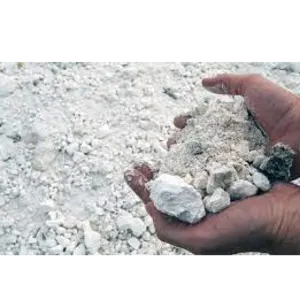
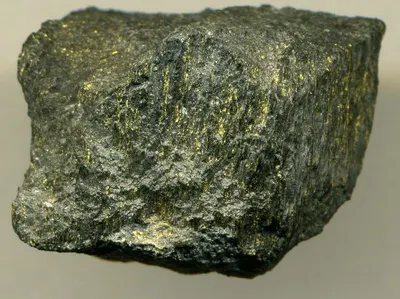
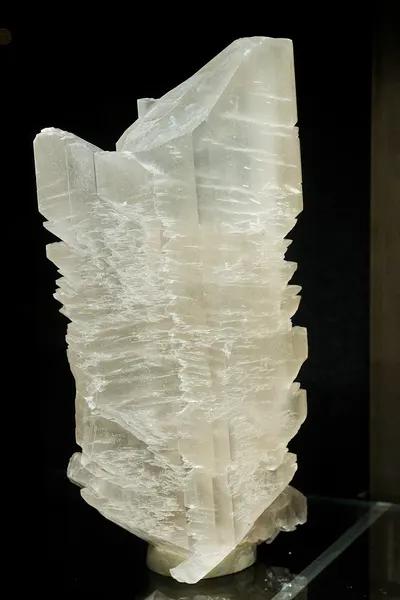
India, specifically Mumbai in Maharashtra, is the base of Artha Mineral Resources. The supplier lists 15 active products covering a range of industrial minerals. The catalogue includes calcined and raw bauxite, fly ash, natural gypsum, quartz, kaolin, ball clay, potash feldspar, bentonite, bleaching earth, dolomite, micro silica sand, liquid ethyl acetate, natural red iron oxide and China clay. These items fall under mineral product families commonly classified in HS chapters 2601‑2604 and 2501‑2507. The company is classified as an imported supplier in the trade network.
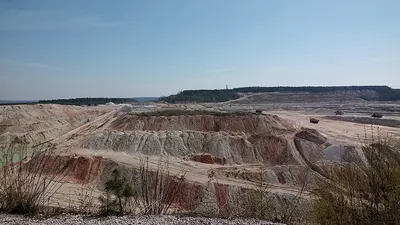
Artha Mineral Resources focuses on supplying minerals to cement, ready‑mix concrete, steel, refractories and construction sectors. Its product list reflects typical raw material inputs for these industries, such as bauxite for aluminium production, fly ash as a supplementary cementitious material, and gypsum for plaster and cement set‑retardation. The active product count of 15 indicates a diversified portfolio within the Indian mineral market. The supplier’s network includes tie‑ups with mine owners that enable direct sourcing of raw minerals. Export shipments are managed through standard containerised or bulk handling depending on product form.
Product Range and Specialties of Artha Mineral Resources
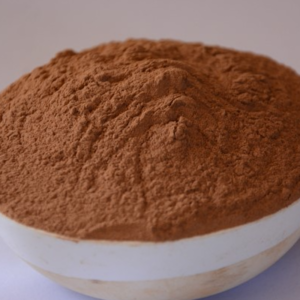
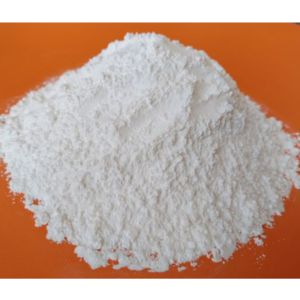
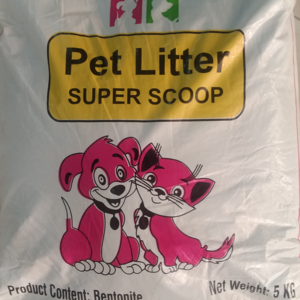
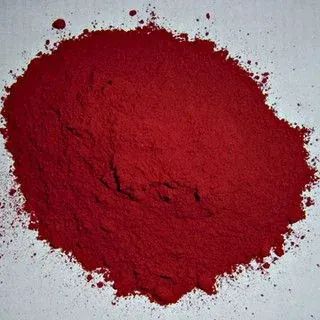
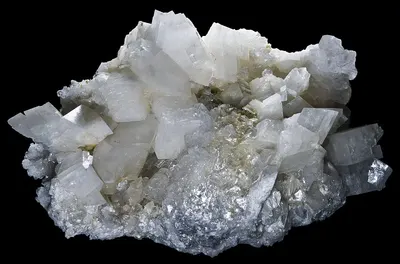
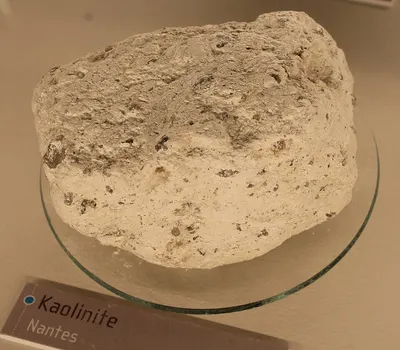
The catalogue covers primary mineral commodities: calcined and raw bauxite (typically 45‑55 % Al₂O₃, used in aluminium smelting), kaolin grades ranging from ICUMSA 45 to 90, ball clay with plasticity index 10‑20 %, potash feldspar with K₂O ≈ 10‑12 %, bentonite (sodium or calcium type) with montmorillonite content > 70 %, quartz with SiO₂ > 99 %, and fly ash classified as Class F (low calcium). Gypsum is supplied as natural calcium sulfate dihydrate with purity ≥ 95 %, while bleaching earth is a diatomaceous earth product meeting standard absorption values of 30‑40 % moisture. Dolomite and micro silica sand are offered with typical CaMg(CO₃)₂ and SiO₂ contents above 95 % respectively. Liquid ethyl acetate is a chemical solvent meeting ASTM D-1243 specifications, and natural red iron oxide is a pigment with Fe₂O₃ content ≥ 90 %.
Frequently Asked Questions About Artha Mineral Resources
What mineral products does Artha Mineral Resources list in its catalogue?
The catalogue includes calcined and raw bauxite, fly ash, natural gypsum, quartz, kaolin, ball clay, potash feldspar, bentonite, bleaching earth, dolomite, micro silica sand, liquid ethyl acetate, natural red iron oxide and China clay - a total of 15 distinct items.
Which HS codes are relevant for the minerals offered by Artha Mineral Resources?
Typical HS codes are 2601 for bauxite, 2602 for kaolin, 2603 for ball clay, 2604 for other mineral products such as fly ash and bleaching earth, and 2501‑2507 for gypsum, feldspar, quartz, bentonite and related minerals.
What quality specifications should a buyer verify for Indian kaolin?
Buyers usually look for ICUMSA colour grades (45‑90), impurity limits below 0.5 % silica and iron, moisture content under 12 % and particle size distribution meeting ASTM C‑618.
Are certifications like ISO 9001 or REACH required for these mineral imports?
While the supplier’s specific certificates are not listed, buyers commonly request ISO 9001 for quality management and REACH compliance for chemical safety when importing minerals from India.
What are the typical packaging options for bulk mineral shipments?
Bulk minerals are generally shipped in 20 ft or 40 ft containers using 20 kg polypropylene bags, bulk bags (1 tonne capacity) with inner liners, or wooden pallets for smaller quantities. Liquid ethyl acetate is packed in steel drums complying with UN 1993 regulations.
 India
Related Suppliers & Products
Explore similar suppliers, related products and trending categories