Arshine Pharmaceutical Company Limited — Verified Wholesaler & Wholesale Supplier
About Arshine Pharmaceutical Company Limited - Pharmaceutical APIs Supplier in China
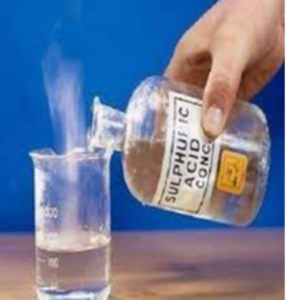
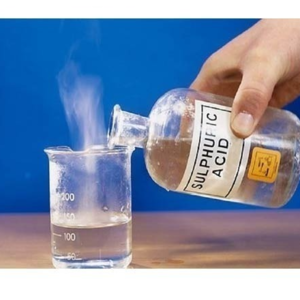
Arshine Pharmaceutical Company Limited is based in Changsha, Hunan province, China. The company’s current catalogue lists nine active pharmaceutical ingredients (APIs). The listed APIs include Orlistat (HS 2933.59), Semaglutide (HS 2934.99), Fluralaner (HS 3808.91), Troxerutin (HS 2937.49), Tranexamic Acid (HS 2922.49), Meropenem (HS 2941.90), L‑Carnitine (HS 2923.90), L‑Arginine (HS 2936.29) and Ursodeoxycholic acid (HS 2934.99). Each entry specifies the chemical material and the corresponding HS‑code, reflecting the standard customs classification for pharmaceutical substances. The supplier also highlights a set of top categories such as Stearic Acid, Benzoic Acid, Oxalic Acid, Glycerine, Salicylic Acid, Sulphuric Acid, Hexanoic Acid and Marjoram, indicating a broader chemical portfolio beyond the API list.
Product Range and Specialties of Arshine Pharmaceutical Company Limited
The catalogue focuses on high‑purity APIs used in oral, injectable and topical dosage forms. In the pharmaceutical industry, APIs of this type are typically supplied with a minimum purity of 99 % and are accompanied by a Certificate of Analysis (CoA) that details assay, related substances, moisture and residual solvents. For example, Meropenem is usually offered as a trihydrate with a USP‑type assay range of 98‑102 %, while L‑Carnitine and L‑Arginine are supplied as free‑base powders meeting EP specifications for nitrogen content and heavy metal limits. Buyers of Orlistat or Semaglutide often require additional stability data because these molecules are prone to hydrolysis, and the industry standard is to provide accelerated stability test reports at 40 °C/75 % RH for at least six months.
Trade and Export Information - Arshine Pharmaceutical Company Limited
China is one of the world’s largest exporters of pharmaceutical APIs, and shipments from Hunan province are commonly routed to the United States, European Union, Japan and emerging markets in Southeast Asia and the Middle East. The HS‑code families used by Arshine (e.g., 29 33‑29 44) fall under Chapter 29, which is subject to strict customs controls, including mandatory import permits and, for many destinations, a pre‑import compliance certificate. Importing companies typically request GMP certification, ISO 9001 or ISO 13485, and where applicable, FDA 510(k) or EMA MA documentation. Temperature‑controlled containers (20‑ft or 40‑ft reefers) are standard for moisture‑sensitive APIs, and most Chinese API exporters use FOB Shanghai or Qingdao ports, with optional CIF delivery to major ports such as Rotterdam, Los Angeles or Singapore.
Sourcing from Arshine Pharmaceutical Company Limited - Buyer Guidance
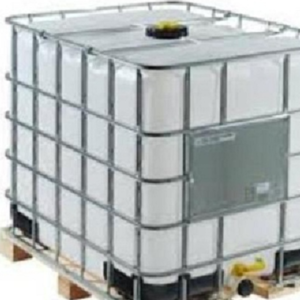
When sourcing from Arshine, buyers should request a current GMP certificate from the manufacturing site that supplies each API, as well as an up‑to‑date CoA for the specific batch. Analytical test reports covering assay, impurity profile, heavy metals, microbial limits and residual solvents are standard verification documents. It is advisable to confirm the packaging format - most APIs are supplied in HDPE drums (200 kg) or food‑grade bulk bags (25 kg) sealed with tamper‑evident liners - and to verify that the supplier can provide a Material Safety Data Sheet (MSDS) in the buyer’s language. Typical minimum order quantities for bulk API shipments range from 5 kg to 50 kg depending on the molecule, and lead times from order confirmation to shipment usually span 30‑60 days, subject to batch production scheduling.
Frequently Asked Questions About Arshine Pharmaceutical Company Limited
What API products does Arshine Pharmaceutical Company Limited list in its catalogue?
The catalogue includes nine APIs: Orlistat (HS 2933.59), Semaglutide (HS 2934.99), Fluralaner (HS 3808.91), Troxerutin (HS 2937.49), Tranexamic Acid (HS 2922.49), Meropenem (HS 2941.90), L‑Carnitine (HS 2923.90), L‑Arginine (HS 2936.29) and Ursodeoxycholic acid (HS 2934.99).
Which HS‑code chapters cover the listed products?
All listed APIs fall under Chapter 29 (organic chemicals) except Fluralaner, which is classified under Chapter 38 (miscellaneous chemical products).
What quality documentation should a buyer request for these APIs?
Buyers should request a current GMP certificate, a Certificate of Analysis for the specific batch, and full analytical test reports covering assay, impurity limits, heavy metals, microbial limits and residual solvents. An MSDS is also standard.
What are the typical packaging formats for the APIs?
APIs are commonly shipped in 200 kg HDPE drums or 25 kg food‑grade bulk bags, both sealed with tamper‑evident liners. Temperature‑controlled containers are used for moisture‑sensitive substances.
What are the usual minimum order quantities and lead times?
Minimum order quantities generally range from 5 kg to 50 kg per API, and lead times from order confirmation to shipment are typically 30‑60 days, depending on production scheduling and batch size.
Which regions commonly import Chinese pharmaceutical APIs?
Major import regions include North America, the European Union, Japan, Southeast Asia and the Middle East, with shipments usually departing from Shanghai, Qingdao or Tianjin ports under FOB or CIF terms.
What certifications are normally required for importing these APIs?
Importers normally require the supplier’s GMP certificate, ISO 9001 or ISO 13485 compliance, and, where applicable, FDA 510(k) or EMA marketing‑authorisation documentation.
How can a buyer request a sample before placing a full order?
Buyers can request a pre‑shipment sample by contacting the supplier’s sales department, specifying the API, desired quantity (typically 100 g to 1 kg), and requesting a provisional CoA with the sample.





 , China