Agriculture›
 Apparel and fashion accessories›
 Construction & real estate›💡Electronic & Electrical›🍎Food & Beverages›🛋️Home furnishing & supplies›⚗️Industrial goods & chemical›🪨Minerals & metals›📦Miscellaneous›Agriculture›Apparel and fashion accessories›Construction & real estate›💡Electronic & Electrical›🍎Food & Beverages›🛋️Home furnishing & supplies›⚗️Industrial goods & chemical›🪨Minerals & metals›📦Miscellaneous›
Argania Pvt Ltd Product Catalog

About Argania Pvt Ltd - Tea Supplier in India
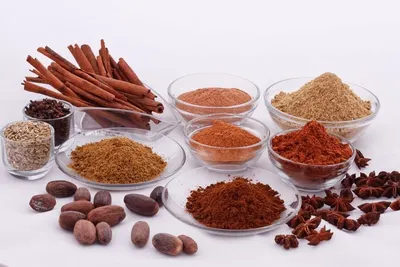
India‑based Argania Pvt Ltd lists six active product groups in its catalogue. The company’s portfolio covers Tea, Spices, Nuts, Seeds, Rice and Fresh Potato, reflecting a focus on primary agricultural commodities that are widely traded from the Indian sub‑continent. Each product line aligns with a distinct HS‑code family used in customs declarations, although specific codes are not disclosed in the supplier’s data. The catalogue’s breadth enables buyers to source multiple staple items from a single Indian exporter.
The listed items correspond to conventional commodity grades: bulk tea in orthodox or CTC formats, a range of culinary spices, assorted edible nuts, vegetable seed varieties, milled rice types and fresh potato batches. All products are presented as bulk or container‑ready quantities, matching standard export packaging such as 50 kg tea bags, 25 kg spice cartons, 1 tonne bulk nut sacks, 25 kg seed bags, 20‑ft containers of rice and refrigerated containers for potatoes.
Product Range and Specialties of Argania Pvt Ltd
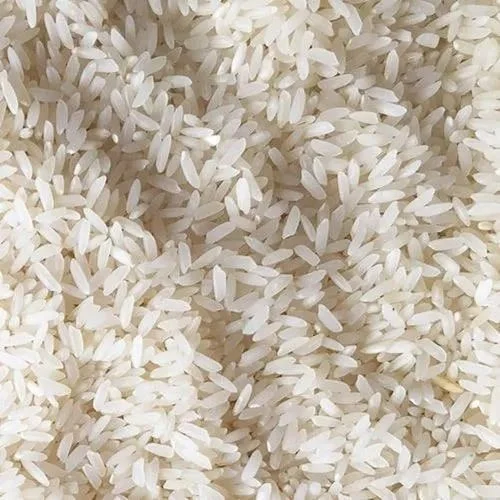
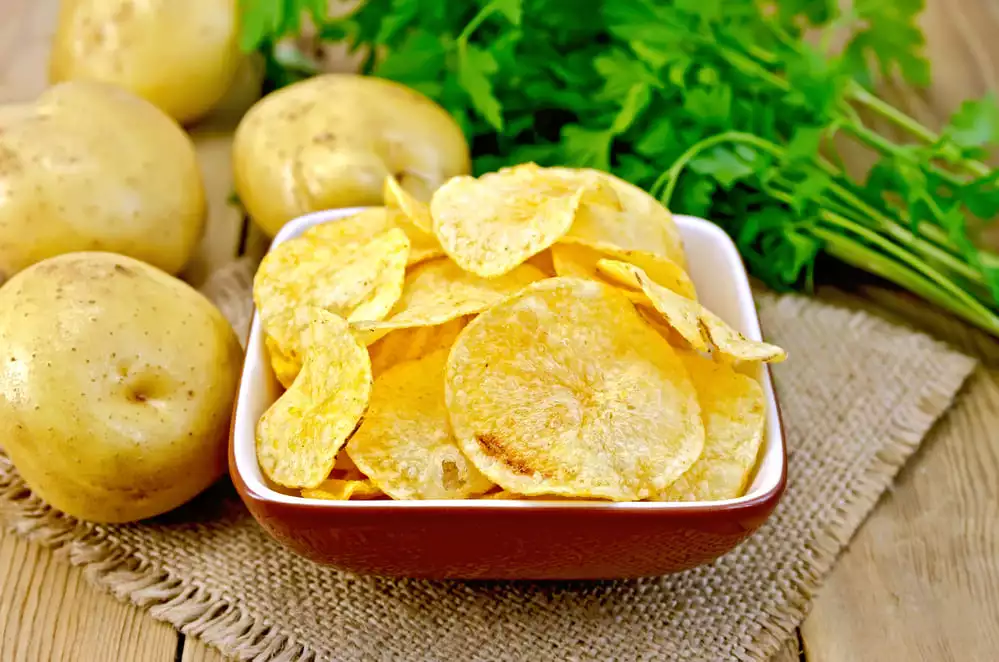
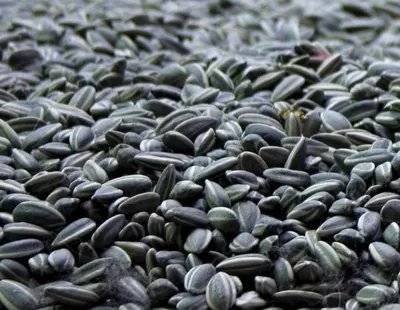
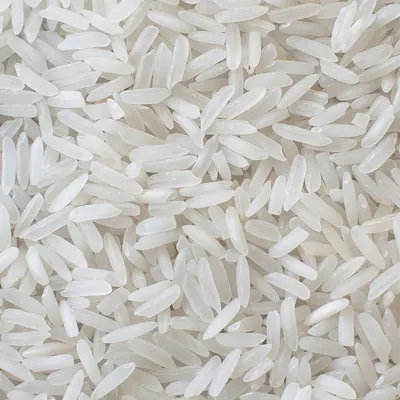
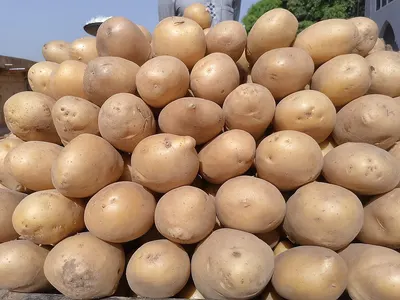
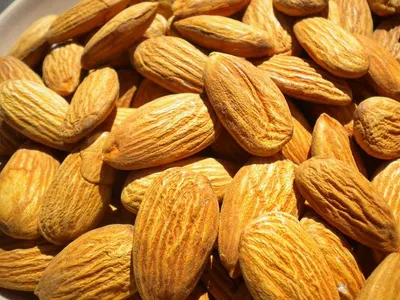
Argania’s catalogue contains Tea, Spices, Nuts, Seeds, Rice and Potato. In the tea sector, Indian exporters typically offer orthodox black tea (grade FT, BOP) and CTC tea, graded by leaf size and moisture content (typically 3‑5 %). Spice exports include black pepper, cardamom, and turmeric, with moisture limits under 12 % and compliance to ISO‑22000 food safety standards. Nuts such as cashew and almond are usually classified by kernel size, shelling percentage and aflatoxin limits (≤10 µg kg⁻¹). Vegetable seeds - e.g., mustard, coriander and fenugreek - are measured by germination rate (≥85 %) and purity (≥95 %). Indian rice exports feature Basmati and non‑Basmati grades, moisture 12‑14 % and broken rice percentages below 5 %. Fresh potatoes are supplied in refrigerated containers, sorted by size (e.g., 50‑70 mm) and with low sprouting potential. These industry benchmarks help buyers align specifications with Argania’s product listings.
Frequently Asked Questions About Argania Pvt Ltd
What tea grades does Argania offer and how are they packaged?
The catalogue lists Tea without specifying grades, but Indian exporters typically provide orthodox FT or BOP and CTC grades. Packaging is usually in 50 kg multi‑layered bulk bags suitable for container loading.
Which spices are included under the "Spices" category?
The supplier groups all culinary spices together; common Indian exports include black pepper, cardamom, turmeric and chili. Buyers should request a spice composition sheet and moisture analysis (generally <12 %).
What size and quality specifications apply to the Nuts product?
Nuts are presented as a bulk commodity; standard specifications cover kernel size, shelling percentage and aflatoxin limits (≤10 µg kg⁻¹). They are usually shipped in 1 tonne woven sacks.
How are vegetable seeds supplied and what germination rate should be expected?
Seeds are packed in 25 kg polypropylene or woven bags. Indian seed exports normally guarantee a germination rate of at least 85 % and purity above 95 %.
What are the typical moisture and broken‑grain limits for the Rice product?
Rice exports from India generally have a moisture content of 12‑14 % and broken rice below 5 % of total weight. Bulk shipments use 20‑ft containers with rice placed in bulk bags or on pallets.
 India
Related Suppliers & Products
Explore similar suppliers, related products and trending categories