Agriculture›
 Apparel and fashion accessories›
 Construction & real estate›💡Electronic & Electrical›🍎Food & Beverages›🛋️Home furnishing & supplies›⚗️Industrial goods & chemical›🪨Minerals & metals›📦Miscellaneous›Agriculture›Apparel and fashion accessories›Construction & real estate›💡Electronic & Electrical›🍎Food & Beverages›🛋️Home furnishing & supplies›⚗️Industrial goods & chemical›🪨Minerals & metals›📦Miscellaneous›
Apolo Fish Sa Product Catalog
About Apolo Fish Sa - Seafood Supplier in Argentina
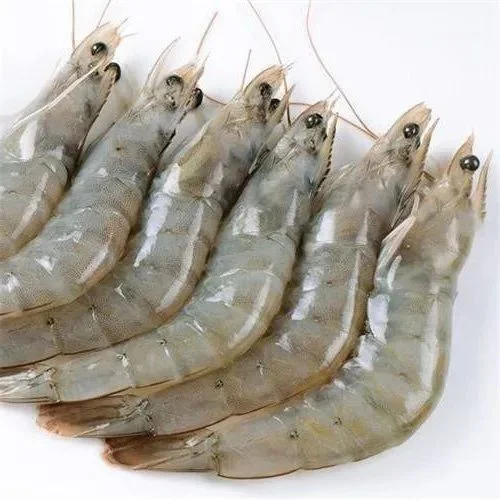
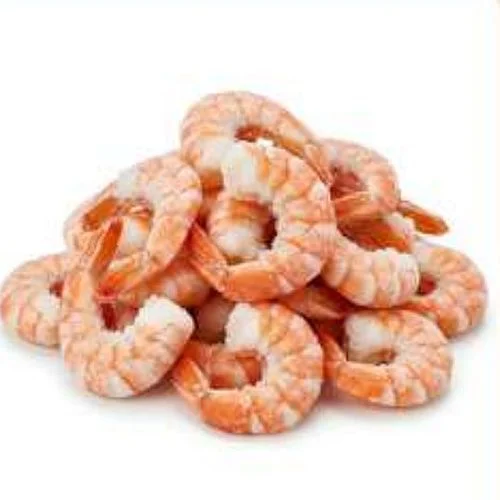
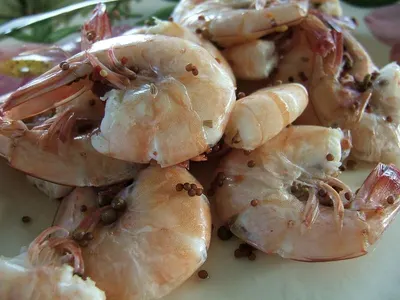
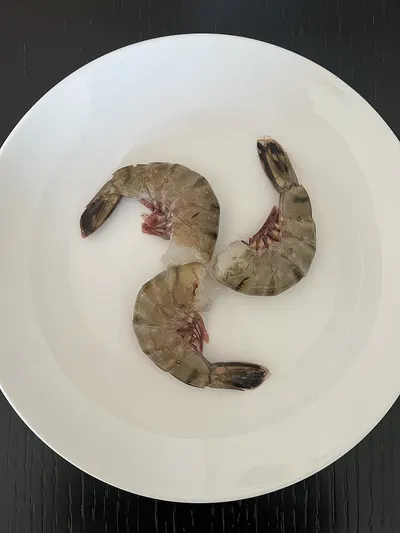
Argentina is the origin of Apolo Fish Sa, which currently lists six active products in its catalogue. The catalogue includes Argentine Red Shrimp (Pleoticus muelleri) tails, peeled and deveined shrimp, various forms of hake (Merluccius hubbsi) such as skinless fillets, whole hake, and hake with roe, as well as skate wings (Raja spp). These items correspond to the supplier’s top categories of fresh shrimp, fresh fish fillet, fresh hake, frozen hake and frozen chicken, although the present list focuses on seafood. All products fall under the customs classifications of HS chapter 03 for fish and HS chapter 04 for crustaceans, which are the standard tariff headings for such marine commodities. The active product count of six reflects a focused range rather than a broad assortment.
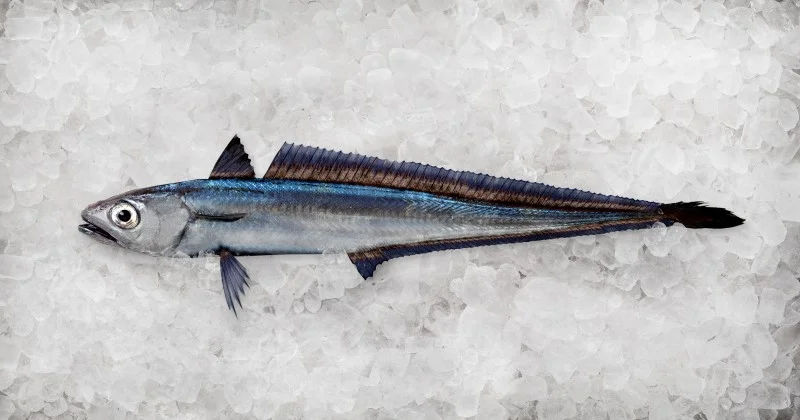
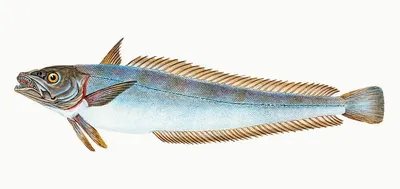
Apolo Fish Sa’s shrimp entries are recorded under the species Pleoticus muelleri, a common Argentine red shrimp harvested from the Southwest Atlantic. The hake entries are identified as Merluccius hubbsi, a species widely processed into fillets, whole portions, and roe‑enriched cuts. The skate product is listed as wings from Raja species, a niche marine item used in specialty cuisines. Each product is presented without specific HS codes in the supplied data, but they align with the typical HS‑6 codes 0306.99 for frozen fish fillets and 0307.10 for crustaceans. The supplier’s catalogue therefore provides a concise view of Argentine marine protein offerings suitable for further verification.
Product Range and Specialties of Apolo Fish Sa
The Argentine Red Shrimp offered as tails are typically sized 30 - 45 shrimp per kilogram, with a post‑harvest temperature below 2 °C and a moisture content under 75 %. Peeled and deveined shrimp (P+D) are processed to remove the shell and digestive tract, yielding a product that meets common export specifications of 90 % minimum meat yield and packaging in insulated boxes with ice. In the hake line, skinless fillets are usually trimmed to a uniform thickness of 15 - 25 mm, frozen at - 18 °C, and vacuum‑sealed to preserve texture and flavor. Whole hake and hake with roe (W/R) are commonly supplied frozen whole, with roe content ranging from 5 % to 8 % of total weight, and are packed in bulk on pallets with refrigerated seawater. Skate wings are generally cut to a length of 150 - 200 mm, with a flesh thickness of 10 - 15 mm, and are frozen or chilled depending on buyer requirement.
Industry standards for these categories often reference HACCP compliance, BRC Global Standard for Food Safety, and, where applicable, MSC certification for sustainable capture. Buyers typically request a product specification sheet that details size, weight, moisture, ice‑glazing percentage, and microbiological limits such as total coliforms ≤10 CFU/g and absence of Salmonella. Typical container loading for frozen seafood from Argentina is 20 ft or 40 ft refrigerated containers, with each container holding approximately 15 - 18 metric tons of product.
Frequently Asked Questions About Apolo Fish Sa
What shrimp products does Apolo Fish Sa offer?
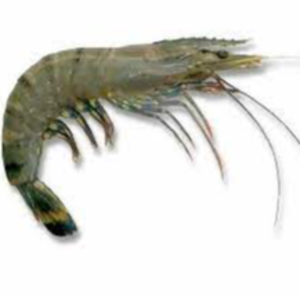
The catalogue lists Argentine Red Shrimp (Pleoticus muelleri) tails and a peeled‑and‑deveined (P+D) version, both harvested from Argentine waters and typically supplied frozen at - 18 °C. Both forms meet common export specifications for size, moisture and temperature control.
What forms of hake are available?
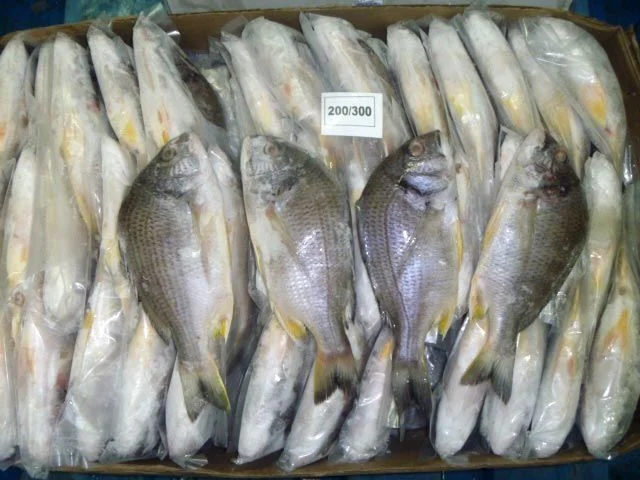
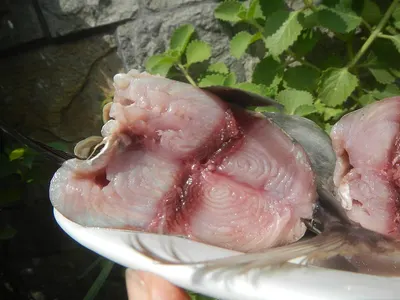
Three hake products are listed: skinless fillets, whole hake, and hake with roe (W/R), all derived from Merluccius hubbsi. They are generally frozen or chilled for export and packaged to preserve freshness.
Does the supplier provide skate wings?
Yes, the catalogue includes skate wings (Raja spp), which are usually cut to 150 - 200 mm length and supplied frozen for use in specialty dishes or processed seafood products. The wings are typically packed in insulated containers with ice glazing.
Which certifications should a buyer request for these seafood items?
Buyers should request HACCP compliance documentation, a recent BRC or ISO 22000 audit report, and the Argentine sanitary export certificate. These documents are standard for imported frozen seafood and verify safety and quality management systems.
What are typical minimum order quantities and lead times?
Minimum order quantities often start at one 20 ft refrigerated container (approximately 15 metric tons) for frozen seafood. Lead times usually range from two to four weeks after order confirmation, depending on product availability and season.
 Argentina
Related Suppliers & Products
Explore similar suppliers, related products and trending categories