Anjum Aromatics — Verified Supplier

About Anjum Aromatics - Essential Oils Supplier in India

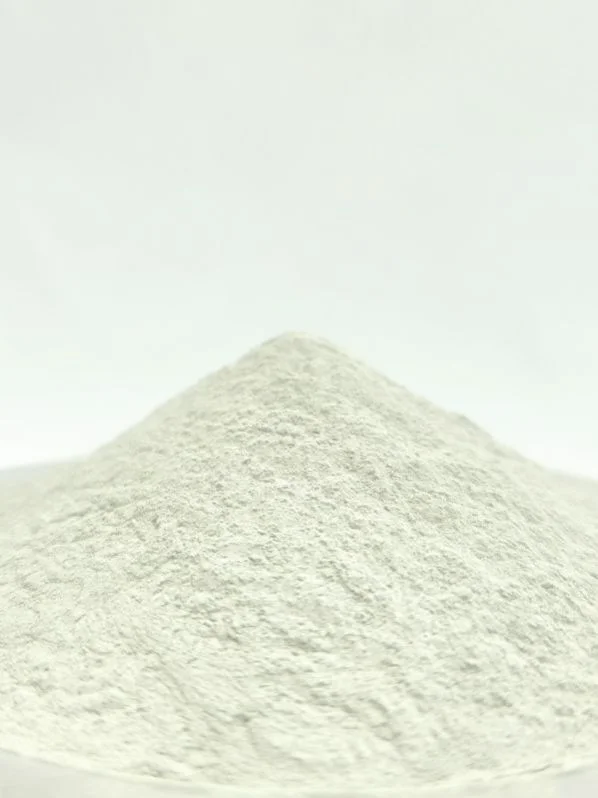
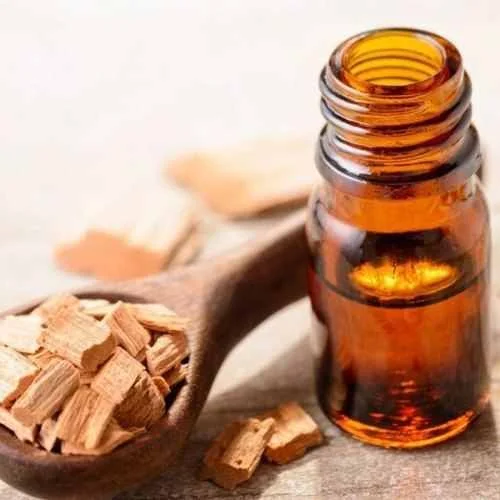
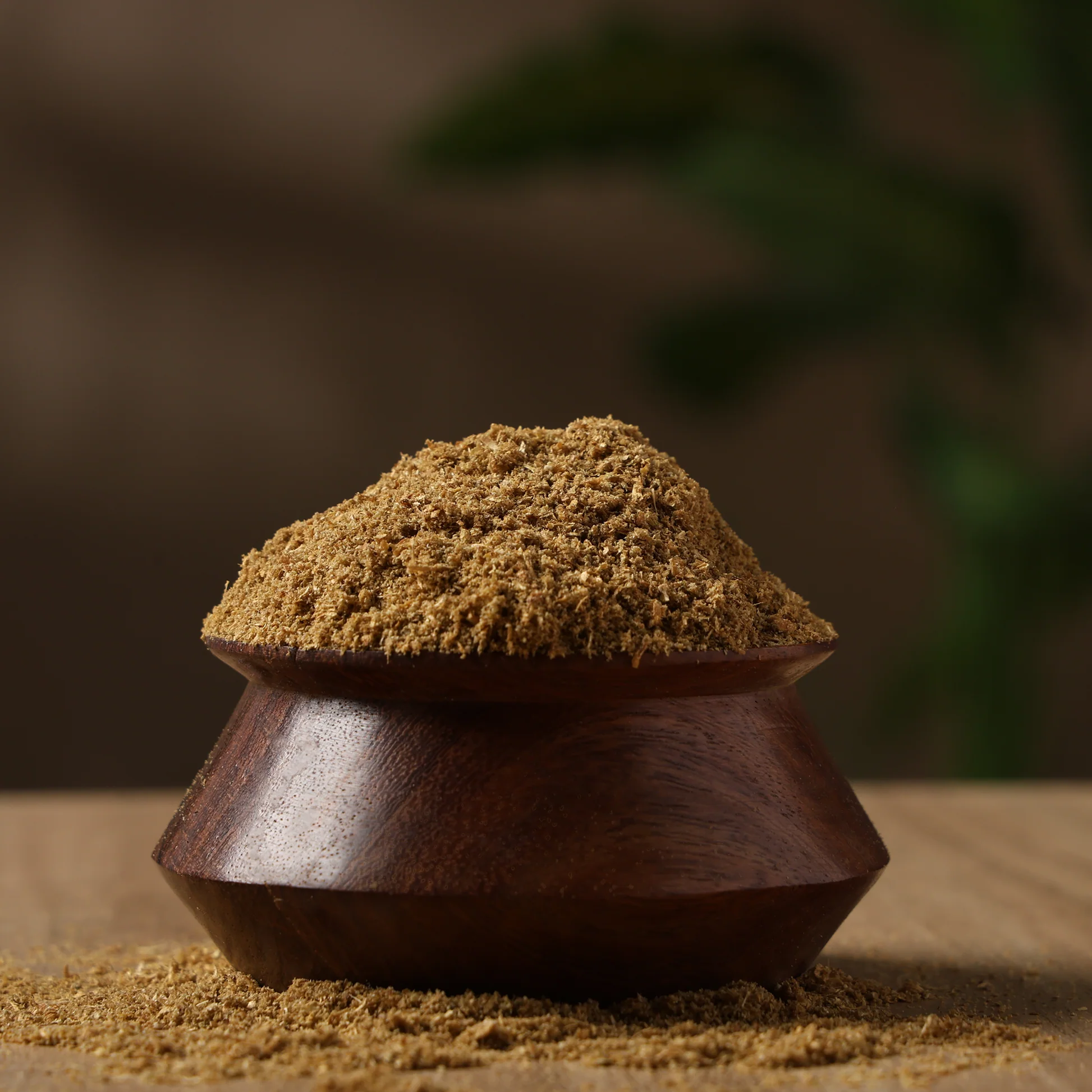
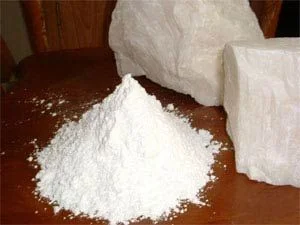
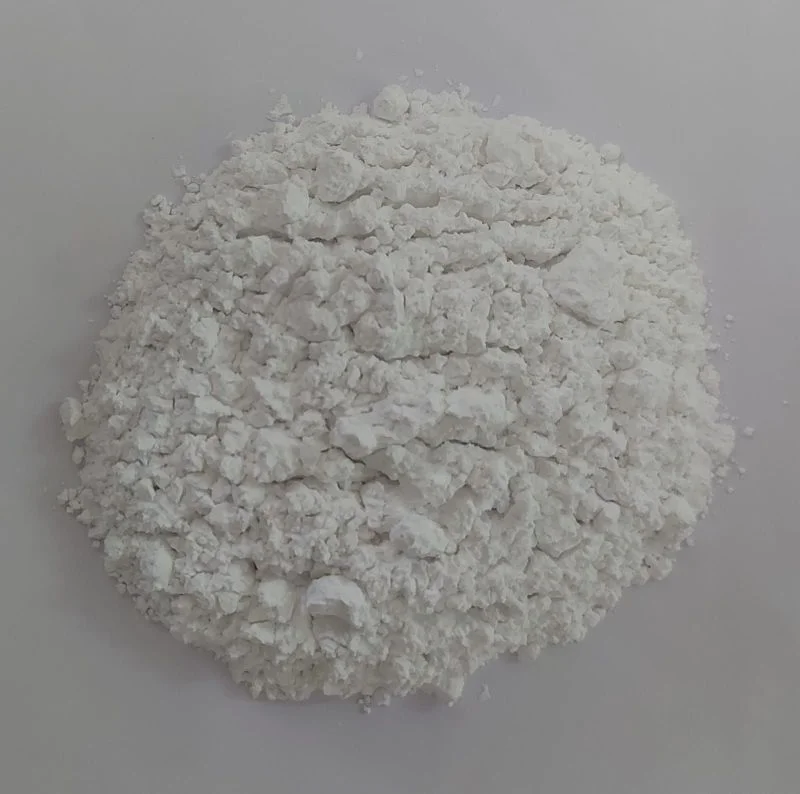
India hosts Anjum Aromatics, which currently lists 13 distinct products in its catalogue. The portfolio includes sandalwood logs, de‑oiled sandalwood powder (spendust), sandalwood chips, flakes and powder, as well as a set of essential oils such as ginger, lemon grass, palmarosa, eucalyptus citriodora, citronella, NAGARMOTHA, and sandalwood oil. Each item falls under the broader categories of Essential Oils, Sandalwood derivatives and Wood Logs, matching the supplier’s top categories. The catalogue does not provide HS‑code numbers, but the products correspond to standard HS chapters for essential oils (HS 3301) and wood logs (HS 4401).

Product Range and Specialties of Anjum Aromatics

The listed products cover two principal groups: aromatic essential oils and various forms of sandalwood material. Essential oils such as ginger, lemon grass, palmarosa, eucalyptus citriodora, citronella and NAGARMOTHA are typically evaluated by gas chromatography‑mass spectrometry (GC‑MS) with purity levels of 95 % or higher, specific optical rotation, and moisture below 0.5 %. Sandalwood derivatives include logs, chips, flakes, powder and de‑oiled powder, which are commonly graded by moisture content (8‑12 % for logs, <5 % for powder), santalol concentration (60‑70 % for oil, 30‑40 % for de‑oiled powder) and particle size (e.g., 0.5‑2 mm for powder). Industry practice also distinguishes between certified Indian sandalwood (CIS) and non‑certified material, with the former often requiring a phytosanitary certificate and a declaration of sustainable harvest.

Trade and Export Information - Anjum Aromatics

India is a major exporter of sandalwood and essential oils, supplying markets in the United States, European Union, Middle East and Southeast Asia. Buyers typically import these goods under HS 3301 for oils and HS 4401 for wood logs, and they often request ISO 9001 or GMP compliance, as well as organic or fair‑trade certificates when applicable. Standard export packaging includes 1 L amber glass bottles for oils, 25 kg food‑grade drums for bulk oil, and 20 ft containers packed with sealed wooden logs or bulk powder in polyethylene bags. Common Incoterms are FOB or CIF, with freight handled via sea lanes from major Indian ports such as Mumbai or Chennai. Indian export regulations require a phytosanitary certificate for wood products and a Certificate of Origin for essential oils, both of which are routinely inspected by customs authorities.

Sourcing from Anjum Aromatics - Buyer Guidance

When sourcing from Anjum Aromatics, buyers should request a recent Certificate of Analysis (CoA) that includes GC‑MS results, santalol percentage, moisture content and density for each oil or wood product. Samples of the essential oils are normally supplied in 10 mL vials, while wood material samples can be provided as 1 kg bags of powder or a small log segment. Verify that the supplier can furnish phytosanitary certificates for wood logs and a Certificate of Origin for the oils; absence of these documents may delay customs clearance. Confirm the minimum order quantity, typical lead time (often 3‑6 weeks after sample approval) and the packaging format that matches the intended logistics plan.

Frequently Asked Questions About Anjum Aromatics

What documentation should I request before purchasing essential oils from Anjum Aromatics?

Ask for a current Certificate of Analysis that lists GC‑MS purity, santalol or active‑compound content, moisture level and density, together with a Certificate of Origin and, if required, an organic or GMP certificate.

Are phytosanitary certificates required for the sandalwood logs?

Yes, Indian export rules mandate a phytosanitary certificate for all wood logs; buyers should obtain this document before shipment to avoid customs holds.

What are the typical HS codes for the products listed?

Essential oils fall under HS chapter 33, code 3301, while sandalwood logs and processed wood materials are classified under HS chapter 44, code 4401.

What is the usual minimum order quantity for sandalwood powder?

Suppliers often set a MOQ of 500 kg for bulk powder, though smaller trial quantities may be arranged after sample approval.

How are the essential oils packaged for international shipment?

Standard packaging includes 1 L amber glass bottles sealed with aluminum caps, placed in wooden crates, or bulk oil packed in 25 kg food‑grade drums for container loading.

What lead time can I expect after confirming a sample?

Lead times typically range from three to six weeks, depending on product availability, required certifications and the chosen Incoterm.

Which certifications are commonly required for sandalwood oil imports?

Importers usually request ISO 9001 or GMP compliance, a Certificate of Origin, and, where applicable, a sustainable‑harvest or organic certification.


Featured Products from this Supplier

Other Suppliers in Primary Category

Top Trusted Suppliers

Related Products

Trending in Parent Category

More Suppliers in Category

Related Products

Other Suppliers

EximNext
58.5K+ live requirements
Register Free🎁 Reach verified global buyers
Post Requirement
🌍 Trusted by 224.6K+ businesses in 200+ countries|
58.5K+ active requirements right now
✉️ [email protected]
|
Sell on EximNextPost Requirement
EximNext
AgricultureApparelConstructionElectronicFoodHomeIndustrialMineralsMiscellaneous
🔥 Deals|✨ AI Match|🏭 Suppliers|📋 Buy Leads|💰 Trade Finance
58.5K+ live RFQs·194.6K+ suppliers
🎁 Reach global buyers →
EximNext
EximNext
Register Free
🎁 Reach verified global buyers
Sign In
📋Post Requirement💬Get QuotesAI Match📋RFQ Marketplace
All Categories
Services & Tools
🏭Supplier Directory🔥Today's Deals💰Trade Finance
Sell on EximNext
AboutContactBlogHelp
🏭

Anjum Aromatics

Harbor
Country flag , India
🛡️
55/100
Trust Score

Anjum Aromatics Product Catalog

Showing 12 of 13 products
View all products →
Sandalwood Powder
Harbor
Sandalwood Powder
Contact
MOQ: 1 Unit
Sandalwood Chips
Harbor
Sandalwood Chips
Contact
MOQ: 1 Unit
Sandalwood Oil
Harbor
Sandalwood Oil
Contact
MOQ: 1 Unit
Sandalwood Gully
Harbor
Sandalwood Gully
Contact
MOQ: 1 Unit
NAGARMOTHA OIL
Harbor
NAGARMOTHA OIL
Contact
MOQ: 1 Unit
Lemon Grass Oil
Harbor
Lemon Grass Oil
Contact
MOQ: 1 Unit
Palmarosa Oil
Harbor
Palmarosa Oil
Contact
MOQ: 1 Unit
Sandalwood Flakes
Harbor
Sandalwood Flakes
Contact
MOQ: 1 Unit
Eucalyptus Citriodora Oil
Harbor
Eucalyptus Citriodora Oil
Contact
MOQ: 1 Unit
Citronella Oil
Harbor
Citronella Oil
Contact
MOQ: 1 Unit
Sandalwwod Logs
Harbor
Sandalwwod Logs
Contact
MOQ: 1 Unit
Sandalwood De-oiled Powder (SPENDUST)
Harbor
Sandalwood De-oiled Powder (SPENDUST)
Contact
MOQ: 1 Unit

About Anjum Aromatics - Essential Oils Supplier in India

India hosts Anjum Aromatics, which currently lists 13 distinct products in its catalogue. The portfolio includes sandalwood logs, de‑oiled sandalwood powder (spendust), sandalwood chips, flakes and powder, as well as a set of essential oils such as ginger, lemon grass, palmarosa, eucalyptus citriodora, citronella, NAGARMOTHA, and sandalwood oil. Each item falls under the broader categories of Essential Oils, Sandalwood derivatives and Wood Logs, matching the supplier’s top categories. The catalogue does not provide HS‑code numbers, but the products correspond to standard HS chapters for essential oils (HS 3301) and wood logs (HS 4401).

Product Range and Specialties of Anjum Aromatics

The listed products cover two principal groups: aromatic essential oils and various forms of sandalwood material. Essential oils such as ginger, lemon grass, palmarosa, eucalyptus citriodora, citronella and NAGARMOTHA are typically evaluated by gas chromatography‑mass spectrometry (GC‑MS) with purity levels of 95 % or higher, specific optical rotation, and moisture below 0.5 %. Sandalwood derivatives include logs, chips, flakes, powder and de‑oiled powder, which are commonly graded by moisture content (8‑12 % for logs, <5 % for powder), santalol concentration (60‑70 % for oil, 30‑40 % for de‑oiled powder) and particle size (e.g., 0.5‑2 mm for powder). Industry practice also distinguishes between certified Indian sandalwood (CIS) and non‑certified material, with the former often requiring a phytosanitary certificate and a declaration of sustainable harvest.

Trade and Export Information - Anjum Aromatics

India is a major exporter of sandalwood and essential oils, supplying markets in the United States, European Union, Middle East and Southeast Asia. Buyers typically import these goods under HS 3301 for oils and HS 4401 for wood logs, and they often request ISO 9001 or GMP compliance, as well as organic or fair‑trade certificates when applicable. Standard export packaging includes 1 L amber glass bottles for oils, 25 kg food‑grade drums for bulk oil, and 20 ft containers packed with sealed wooden logs or bulk powder in polyethylene bags. Common Incoterms are FOB or CIF, with freight handled via sea lanes from major Indian ports such as Mumbai or Chennai. Indian export regulations require a phytosanitary certificate for wood products and a Certificate of Origin for essential oils, both of which are routinely inspected by customs authorities.

Sourcing from Anjum Aromatics - Buyer Guidance

When sourcing from Anjum Aromatics, buyers should request a recent Certificate of Analysis (CoA) that includes GC‑MS results, santalol percentage, moisture content and density for each oil or wood product. Samples of the essential oils are normally supplied in 10 mL vials, while wood material samples can be provided as 1 kg bags of powder or a small log segment. Verify that the supplier can furnish phytosanitary certificates for wood logs and a Certificate of Origin for the oils; absence of these documents may delay customs clearance. Confirm the minimum order quantity, typical lead time (often 3‑6 weeks after sample approval) and the packaging format that matches the intended logistics plan.

Frequently Asked Questions About Anjum Aromatics

What documentation should I request before purchasing essential oils from Anjum Aromatics?

Ask for a current Certificate of Analysis that lists GC‑MS purity, santalol or active‑compound content, moisture level and density, together with a Certificate of Origin and, if required, an organic or GMP certificate.

Are phytosanitary certificates required for the sandalwood logs?

Yes, Indian export rules mandate a phytosanitary certificate for all wood logs; buyers should obtain this document before shipment to avoid customs holds.

What are the typical HS codes for the products listed?

Essential oils fall under HS chapter 33, code 3301, while sandalwood logs and processed wood materials are classified under HS chapter 44, code 4401.

What is the usual minimum order quantity for sandalwood powder?

Suppliers often set a MOQ of 500 kg for bulk powder, though smaller trial quantities may be arranged after sample approval.

How are the essential oils packaged for international shipment?

Standard packaging includes 1 L amber glass bottles sealed with aluminum caps, placed in wooden crates, or bulk oil packed in 25 kg food‑grade drums for container loading.

What lead time can I expect after confirming a sample?

Lead times typically range from three to six weeks, depending on product availability, required certifications and the chosen Incoterm.

Which certifications are commonly required for sandalwood oil imports?

Importers usually request ISO 9001 or GMP compliance, a Certificate of Origin, and, where applicable, a sustainable‑harvest or organic certification.

About Anjum Aromatics - Essential Oils Supplier in India

India hosts Anjum Aromatics, which currently lists 13 distinct products in its catalogue. The portfolio includes sandalwood logs, de‑oiled sandalwood powder (spendust), sandalwood chips, flakes and powder, as well as a set of essential oils such as ginger, lemon grass, palmarosa, eucalyptus citriodora, citronella, NAGARMOTHA, and sandalwood oil. Each item falls under the broader categories of Essential Oils, Sandalwood derivatives and Wood Logs, matching the supplier’s top categories. The catalogue does not provide HS‑code numbers, but the products correspond to standard HS chapters for essential oils (HS 3301) and wood logs (HS 4401).

Product Range and Specialties of Anjum Aromatics

The listed products cover two principal groups: aromatic essential oils and various forms of sandalwood material. Essential oils such as ginger, lemon grass, palmarosa, eucalyptus citriodora, citronella and NAGARMOTHA are typically evaluated by gas chromatography‑mass spectrometry (GC‑MS) with purity levels of 95 % or higher, specific optical rotation, and moisture below 0.5 %. Sandalwood derivatives include logs, chips, flakes, powder and de‑oiled powder, which are commonly graded by moisture content (8‑12 % for logs, <5 % for powder), santalol concentration (60‑70 % for oil, 30‑40 % for de‑oiled powder) and particle size (e.g., 0.5‑2 mm for powder). Industry practice also distinguishes between certified Indian sandalwood (CIS) and non‑certified material, with the former often requiring a phytosanitary certificate and a declaration of sustainable harvest.

Trade and Export Information - Anjum Aromatics

India is a major exporter of sandalwood and essential oils, supplying markets in the United States, European Union, Middle East and Southeast Asia. Buyers typically import these goods under HS 3301 for oils and HS 4401 for wood logs, and they often request ISO 9001 or GMP compliance, as well as organic or fair‑trade certificates when applicable. Standard export packaging includes 1 L amber glass bottles for oils, 25 kg food‑grade drums for bulk oil, and 20 ft containers packed with sealed wooden logs or bulk powder in polyethylene bags. Common Incoterms are FOB or CIF, with freight handled via sea lanes from major Indian ports such as Mumbai or Chennai. Indian export regulations require a phytosanitary certificate for wood products and a Certificate of Origin for essential oils, both of which are routinely inspected by customs authorities.

Sourcing from Anjum Aromatics - Buyer Guidance

When sourcing from Anjum Aromatics, buyers should request a recent Certificate of Analysis (CoA) that includes GC‑MS results, santalol percentage, moisture content and density for each oil or wood product. Samples of the essential oils are normally supplied in 10 mL vials, while wood material samples can be provided as 1 kg bags of powder or a small log segment. Verify that the supplier can furnish phytosanitary certificates for wood logs and a Certificate of Origin for the oils; absence of these documents may delay customs clearance. Confirm the minimum order quantity, typical lead time (often 3‑6 weeks after sample approval) and the packaging format that matches the intended logistics plan.

Frequently Asked Questions About Anjum Aromatics
What documentation should I request before purchasing essential oils from Anjum Aromatics?
Ask for a current Certificate of Analysis that lists GC‑MS purity, santalol or active‑compound content, moisture level and density, together with a Certificate of Origin and, if required, an organic or GMP certificate.
Are phytosanitary certificates required for the sandalwood logs?
Yes, Indian export rules mandate a phytosanitary certificate for all wood logs; buyers should obtain this document before shipment to avoid customs holds.
What are the typical HS codes for the products listed?
Essential oils fall under HS chapter 33, code 3301, while sandalwood logs and processed wood materials are classified under HS chapter 44, code 4401.
What is the usual minimum order quantity for sandalwood powder?
Suppliers often set a MOQ of 500 kg for bulk powder, though smaller trial quantities may be arranged after sample approval.
How are the essential oils packaged for international shipment?
Standard packaging includes 1 L amber glass bottles sealed with aluminum caps, placed in wooden crates, or bulk oil packed in 25 kg food‑grade drums for container loading.
What lead time can I expect after confirming a sample?
Lead times typically range from three to six weeks, depending on product availability, required certifications and the chosen Incoterm.
Which certifications are commonly required for sandalwood oil imports?
Importers usually request ISO 9001 or GMP compliance, a Certificate of Origin, and, where applicable, a sustainable‑harvest or organic certification.

🏭
Anjum Aromatics
Country flag , India
Harbor
55/100
Trust Score
📦
13
Products
Free to contact — no commission
Escrow payment available
Verified business identity
Compare more suppliers
Post a requirement — get 10 quotes free
Let verified suppliers compete for your business. Free, fast, no commitment.
EximNext Verified Supplier
Business identity verified
Physical address confirmed
Financial history checked
Certifications authenticated
Trade references validated
Due Diligence
Verify this supplier's real shipping history.
Every shipment, every buyer, every port. Trade data that can't be faked.
Run due diligence →
Discover More

Related Suppliers & Products

Explore similar suppliers, related products and trending categories

Featured Products from this Supplier

Other Suppliers in Primary Category

Top Trusted Suppliers

Related Products

Trending in Parent Category

More Suppliers in Category

Stay ahead in global trade
Weekly market insights & new supplier alerts.
EximNext
Exim Next is a leading global B2B marketplace, connecting over 205,000 verified suppliers and buyers across 200+ countries. As a trusted import export marketplace, it serves as the essential B2B portal for businesses worldwide, empowering them to expand their international reach. With Exim Next, businesses can trade smarter and grow faster.
SECURE PAYMENTS
VISAMastercardPayPalSWIFTL/CEscrow
Follow us
© 2026 EximNext