AMT International — Verified Supplier

About AMT International - Animal & Cattle Feed Supplier in Pakistan

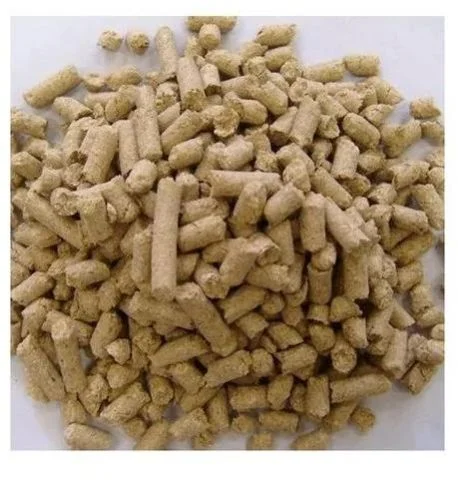
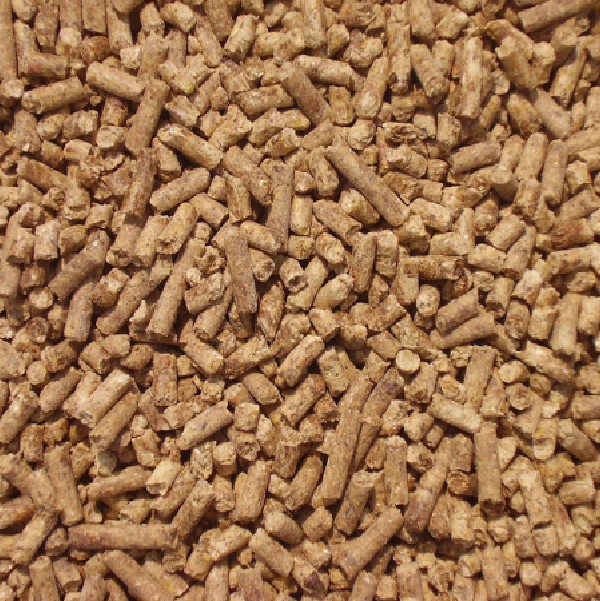
AMT International operates from Pakistan and currently lists twelve distinct products in its catalogue. The company focuses on categories that include animal and cattle feed, animal food, textile fabrics and raw materials, leather products, meat and bone meal, alfalfa hay, and wheat straw. Its product portfolio spans both feed ingredients such as Horn and Hoof Meal, Bone Meal, Bone Crush and various straws, as well as textile items like Home Textiles and Healthcare Textiles. The listed items are grouped under HS chapters that typically cover animal feed (chapter 23) and textile fabrics (chapter 63). The supplier is classified in the “harbor” trust tier within the platform.

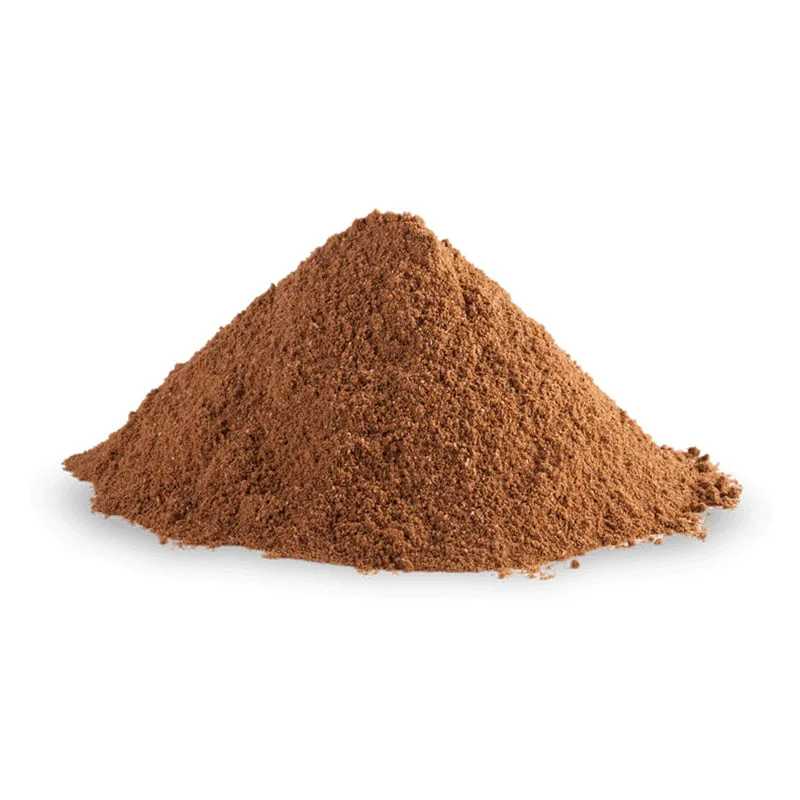
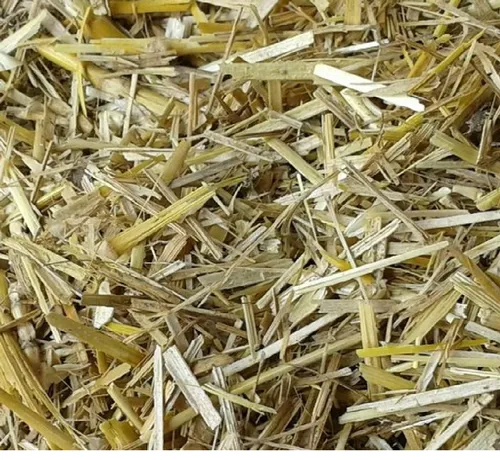
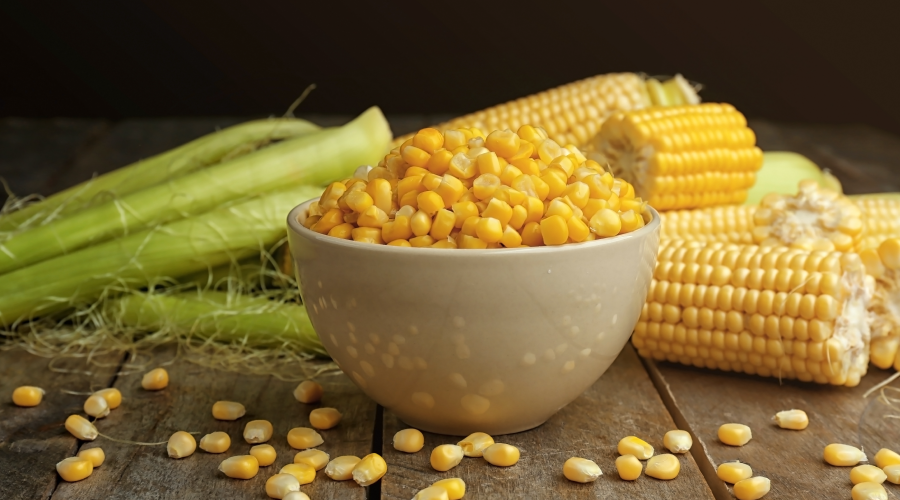
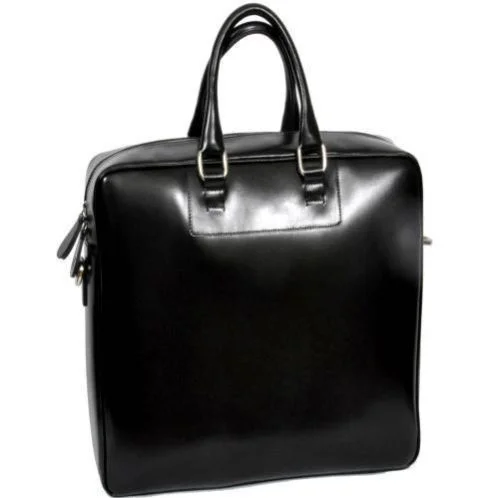
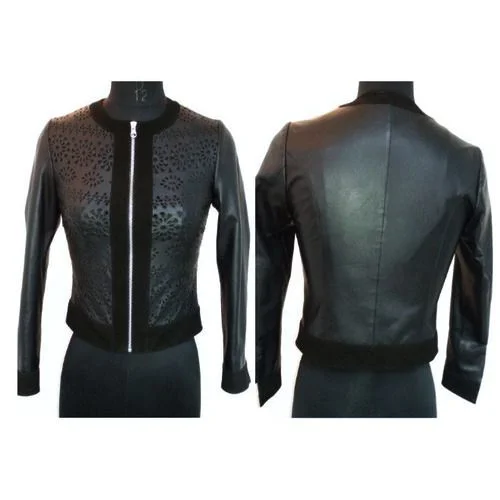
The catalogue enumerates Horn and Hoof Meal, Rice Straw, Peanut Straw, Leather Products, Bone Meal, Bone Crush, Alfalafa, Wheat Straw, Corn Silage, Home Textiles, Healthcare Textiles and Rhode Grass. Horn and Hoof Meal is a rendered animal by‑product used as a protein source in livestock diets. Rice, Peanut and Wheat Straws are fibrous agricultural residues often blended into ruminant feed. Bone Meal and Bone Crush serve as mineral supplements, primarily providing phosphorus and calcium. The textile entries include finished home textiles and medical‑grade healthcare textiles, while the leather products category covers processed hides and related goods.

Product Range and Specialties of AMT International

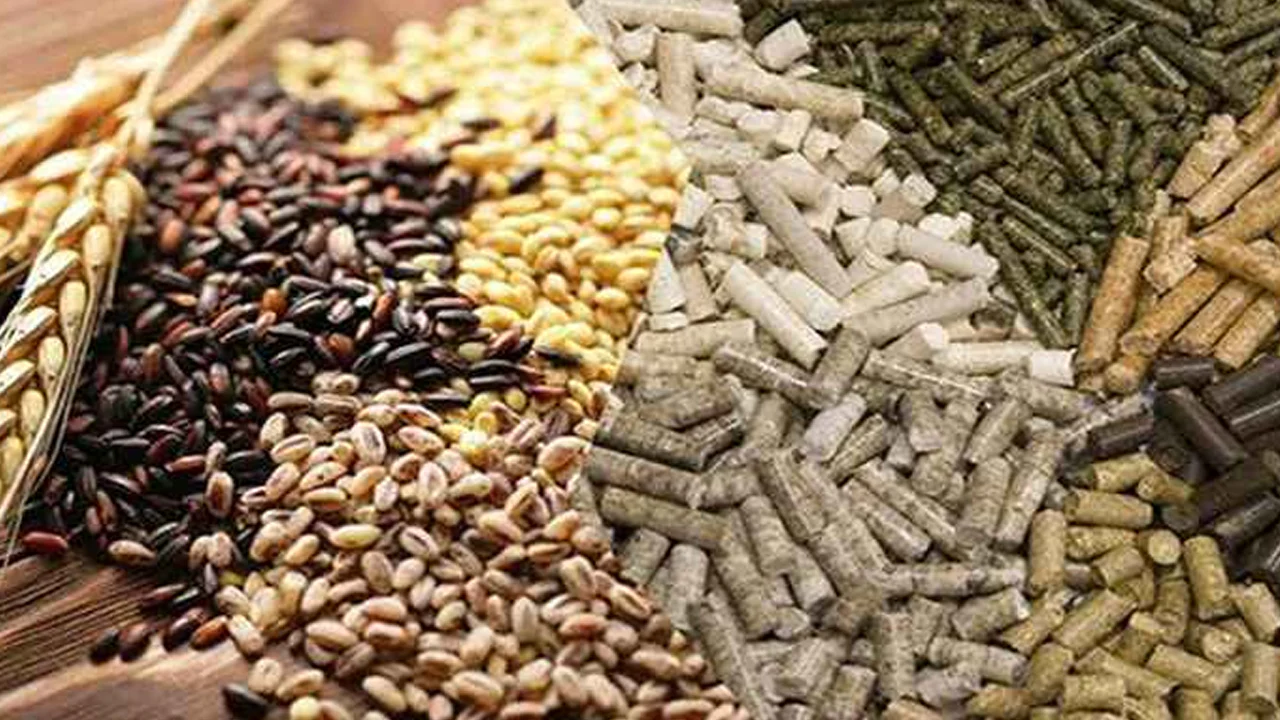
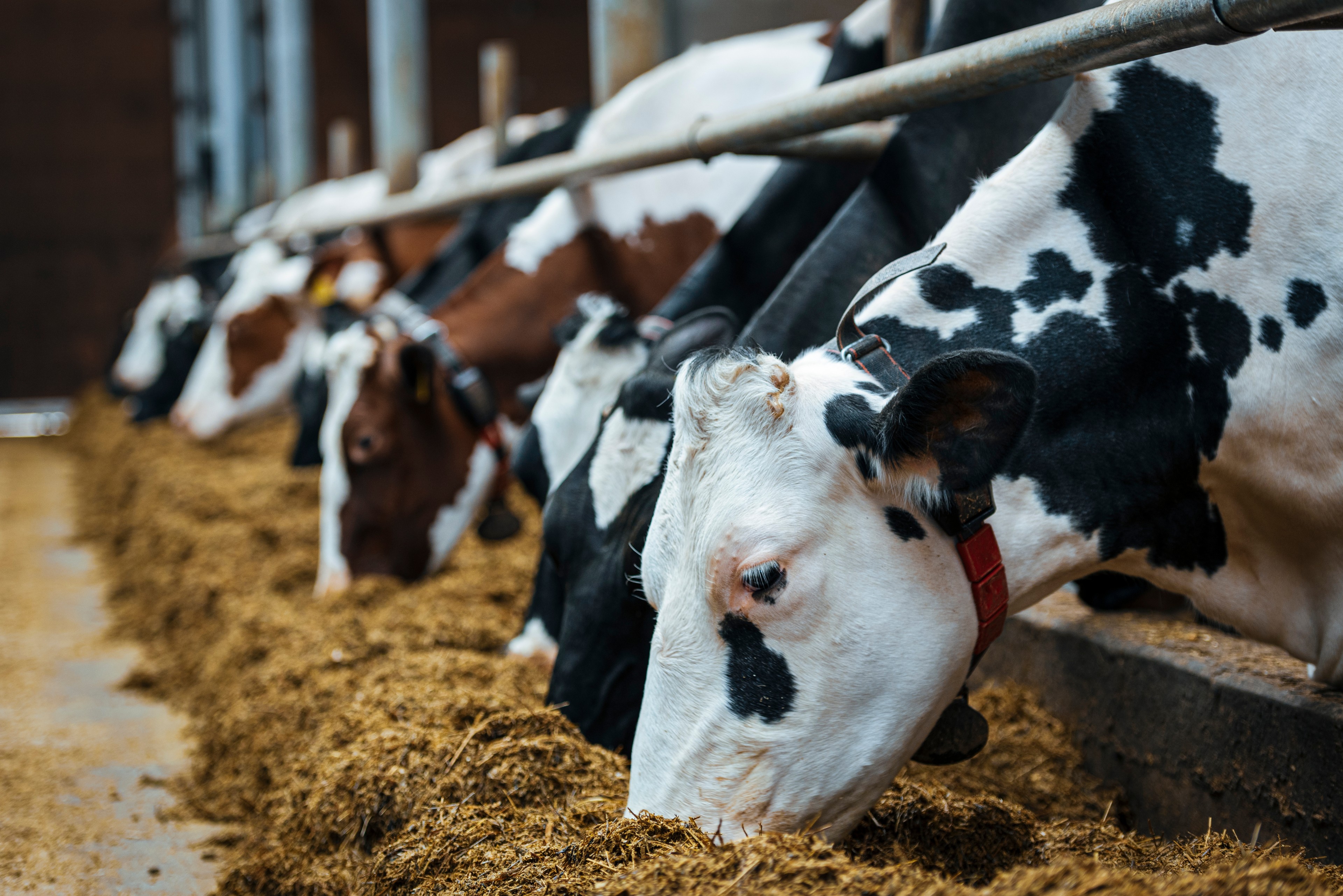
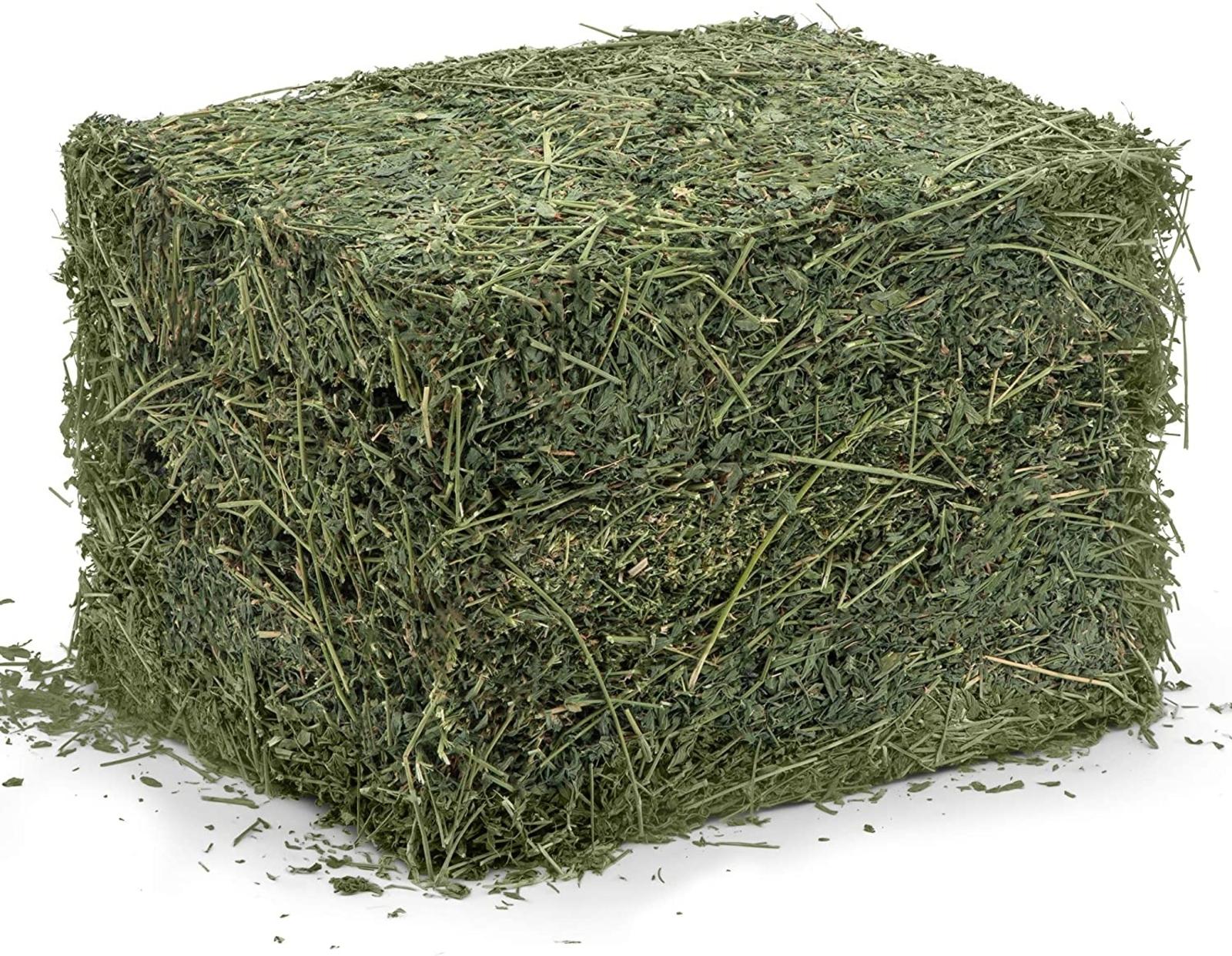
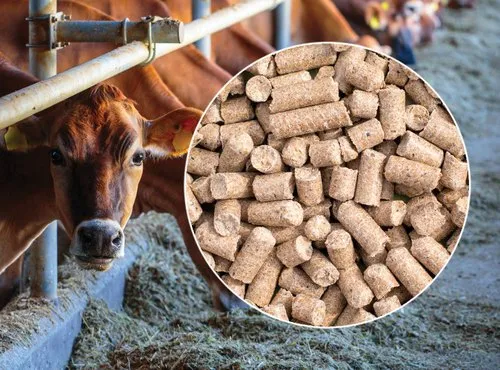
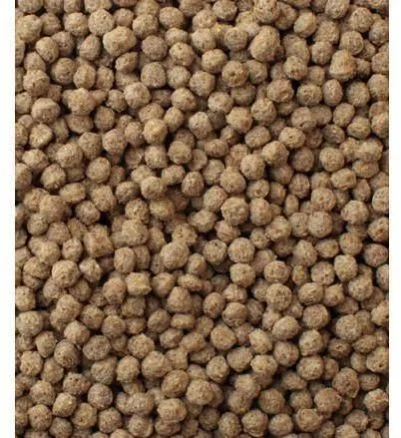
The feed side of the catalogue includes rendered protein meals (Horn and Hoof Meal, Bone Meal, Bone Crush) and a range of agricultural straws (Rice, Peanut, Wheat, Rhode Grass) together with alfalfa hay and corn silage. In the global market these products are commonly graded by crude protein (typically 20‑30 % for meat‑and‑bone meals, 12‑18 % for alfalfa hay), moisture content (under 12 % for meals, under 10 % for straws) and particle size (mesh 2‑4 mm for feed meals). Buyers often request analysis reports covering nitrogen, phosphorus, calcium and heavy‑metal limits in accordance with FAO feed standards. The textile items are listed as Home Textiles and Healthcare Textiles; industry practice distinguishes them by fabric weight (usually 120‑250 g/m² for home fabrics) and fiber composition (cotton, polyester blends, or antimicrobial-treated fibers for medical textiles). Leather Products typically refer to processed hides that meet leather grade specifications such as thickness 1.2‑2.0 mm and tensile strength above 15 MPa. All items fall under HS code families 2301‑2309 for animal feed and 6301‑6305 for textile fabrics, which are the standard tariff headings used in international trade.

Trade and Export Information - AMT International

Pakistan is a long‑standing exporter of animal feed ingredients and textile fabrics, with major shipment routes to the Middle East, North Africa, South‑East Asia and Eastern Europe. Feed products from Pakistan are usually classified under HS chapter 23 and are subject to the Codex Alimentarius guidelines for contaminants, so importing buyers often request a Certificate of Analysis and a Phytosanitary Certificate. Textile exports fall under HS chapter 63 and are frequently inspected for compliance with the EU REACH regulation and the US CPSIA for healthcare textiles. Common Incoterms used by Pakistani exporters are FOB Karachi or CIF Dubai, with container loads of 20 ft (approximately 18‑20 metric tonnes of bulk feed) or 40 ft for finished textiles. Buyers typically look for ISO 9001 or ISO 22000 certification, although such certificates are not listed for this supplier and should be confirmed directly.

Sourcing from AMT International - Buyer Guidance

When sourcing the feed products, request a recent laboratory analysis that includes crude protein, moisture, ash, calcium, phosphorus and any prohibited heavy metals. Verify that the supplier can provide a full batch‑by‑batch Certificate of Analysis and a phytosanitary declaration for straws and silage. For the textile and leather items, ask for fabric specifications (GSM, fiber blend, width) and a test report on dimensional stability and, for healthcare textiles, an antimicrobial efficacy report. Confirm packaging details - bulk feed is commonly shipped in 1 ton polypropylene bags, while textiles are packed in sealed cartons of 20 kg each - and ensure the agreed Incoterm matches the buyer’s logistics plan.

Frequently Asked Questions About AMT International

What types of animal feed ingredients does AMT International offer?

The catalogue includes Horn and Hoof Meal, Bone Meal, Bone Crush, Alfalafa, Rice Straw, Peanut Straw, Wheat Straw, Rhode Grass and Corn Silage, all of which are typical feed ingredients used for ruminants and swine.

Which HS code families cover the listed feed products?

Feed ingredients such as meals and straws are normally classified under HS chapter 23 (e.g., 2301 for meat and bone meals, 2309 for other animal fodder).

What quality parameters should a buyer verify for the protein meals?

Buyers should check crude protein (20‑30 %), moisture (<12 %), calcium (3‑5 %), phosphorus (2‑4 %) and confirm that heavy‑metal levels meet Codex limits.

Are there standard certifications for the textile products?

International buyers often require ISO 9001 quality management, and for medical‑grade textiles an ISO 13485 or an antimicrobial performance test according to ASTM E2149.

What packaging is typical for the straws and silage?

Straws and silage are usually packed in 1 ton polypropylene bags or bulk bulk‑load containers, sealed to prevent moisture ingress during transit.

Which regions import Pakistani feed and textile goods most frequently?

The Middle East, North Africa, South‑East Asian countries such as Vietnam and Thailand, and Eastern European markets are the largest import destinations for these categories.

What documentation should be requested before placing an order?

Request a current Certificate of Analysis, a Phytosanitary Certificate for agricultural residues, and, where applicable, a test report on fabric composition or leather grade specifications.

What Incoterms are commonly used for shipments from Pakistan?

Exporters typically quote FOB Karachi for bulk feed and CIF Dubai for containerised textile shipments, allowing the buyer to arrange onward freight as needed.


Featured Products from this Supplier

Other Suppliers in Primary Category

Top Trusted Suppliers

Related Products

Trending in Parent Category

More Suppliers in Category

Related Products

Other Suppliers

EximNext
58.5K+ live requirements
Register Free🎁 Reach verified global buyers
Post Requirement
🌍 Trusted by 224.6K+ businesses in 200+ countries|
58.5K+ active requirements right now
✉️ [email protected]
|
Sell on EximNextPost Requirement
EximNext
AgricultureApparelConstructionElectronicFoodHomeIndustrialMineralsMiscellaneous
🔥 Deals|✨ AI Match|🏭 Suppliers|📋 Buy Leads|💰 Trade Finance
58.5K+ live RFQs·194.6K+ suppliers
🎁 Reach global buyers →
EximNext
EximNext
Register Free
🎁 Reach verified global buyers
Sign In
📋Post Requirement💬Get QuotesAI Match📋RFQ Marketplace
All Categories
Services & Tools
🏭Supplier Directory🔥Today's Deals💰Trade Finance
Sell on EximNext
AboutContactBlogHelp
🏭

AMT International

Harbor
Country flag , Pakistan
🛡️
55/100
Trust Score

AMT International Product Catalog

Showing 12 of 12 products
View all products →
Rhode Grass
Harbor
Rhode Grass
Contact
MOQ: 1 Unit
Home Textiles
Harbor
Home Textiles
Contact
MOQ: 1 Unit
Healthcare Textiles
Harbor
Healthcare Textiles
Contact
MOQ: 1 Unit
Bone Meal
Harbor
Bone Meal
Contact
MOQ: 1 Unit
Bone Crush
Harbor
Bone Crush
Contact
MOQ: 1 Unit
Alfalafa
Harbor
Alfalafa
Contact
MOQ: 1 Unit
Wheat Straw
Harbor
Wheat Straw
Contact
MOQ: 1 Unit
Corn Silage
Harbor
Corn Silage
Contact
MOQ: 1 Unit
Leather Products
Harbor
Leather Products
Contact
MOQ: 1 Unit
Rice Straw
Harbor
Rice Straw
Contact
MOQ: 1 Unit
Peanut Straw
Harbor
Peanut Straw
Contact
MOQ: 1 Unit
Horn And Hoof Meal
Harbor
Horn And Hoof Meal
Contact
MOQ: 1 Unit

About AMT International - Animal & Cattle Feed Supplier in Pakistan

AMT International operates from Pakistan and currently lists twelve distinct products in its catalogue. The company focuses on categories that include animal and cattle feed, animal food, textile fabrics and raw materials, leather products, meat and bone meal, alfalfa hay, and wheat straw. Its product portfolio spans both feed ingredients such as Horn and Hoof Meal, Bone Meal, Bone Crush and various straws, as well as textile items like Home Textiles and Healthcare Textiles. The listed items are grouped under HS chapters that typically cover animal feed (chapter 23) and textile fabrics (chapter 63). The supplier is classified in the “harbor” trust tier within the platform.

The catalogue enumerates Horn and Hoof Meal, Rice Straw, Peanut Straw, Leather Products, Bone Meal, Bone Crush, Alfalafa, Wheat Straw, Corn Silage, Home Textiles, Healthcare Textiles and Rhode Grass. Horn and Hoof Meal is a rendered animal by‑product used as a protein source in livestock diets. Rice, Peanut and Wheat Straws are fibrous agricultural residues often blended into ruminant feed. Bone Meal and Bone Crush serve as mineral supplements, primarily providing phosphorus and calcium. The textile entries include finished home textiles and medical‑grade healthcare textiles, while the leather products category covers processed hides and related goods.

Product Range and Specialties of AMT International

The feed side of the catalogue includes rendered protein meals (Horn and Hoof Meal, Bone Meal, Bone Crush) and a range of agricultural straws (Rice, Peanut, Wheat, Rhode Grass) together with alfalfa hay and corn silage. In the global market these products are commonly graded by crude protein (typically 20‑30 % for meat‑and‑bone meals, 12‑18 % for alfalfa hay), moisture content (under 12 % for meals, under 10 % for straws) and particle size (mesh 2‑4 mm for feed meals). Buyers often request analysis reports covering nitrogen, phosphorus, calcium and heavy‑metal limits in accordance with FAO feed standards. The textile items are listed as Home Textiles and Healthcare Textiles; industry practice distinguishes them by fabric weight (usually 120‑250 g/m² for home fabrics) and fiber composition (cotton, polyester blends, or antimicrobial-treated fibers for medical textiles). Leather Products typically refer to processed hides that meet leather grade specifications such as thickness 1.2‑2.0 mm and tensile strength above 15 MPa. All items fall under HS code families 2301‑2309 for animal feed and 6301‑6305 for textile fabrics, which are the standard tariff headings used in international trade.

Trade and Export Information - AMT International

Pakistan is a long‑standing exporter of animal feed ingredients and textile fabrics, with major shipment routes to the Middle East, North Africa, South‑East Asia and Eastern Europe. Feed products from Pakistan are usually classified under HS chapter 23 and are subject to the Codex Alimentarius guidelines for contaminants, so importing buyers often request a Certificate of Analysis and a Phytosanitary Certificate. Textile exports fall under HS chapter 63 and are frequently inspected for compliance with the EU REACH regulation and the US CPSIA for healthcare textiles. Common Incoterms used by Pakistani exporters are FOB Karachi or CIF Dubai, with container loads of 20 ft (approximately 18‑20 metric tonnes of bulk feed) or 40 ft for finished textiles. Buyers typically look for ISO 9001 or ISO 22000 certification, although such certificates are not listed for this supplier and should be confirmed directly.

Sourcing from AMT International - Buyer Guidance

When sourcing the feed products, request a recent laboratory analysis that includes crude protein, moisture, ash, calcium, phosphorus and any prohibited heavy metals. Verify that the supplier can provide a full batch‑by‑batch Certificate of Analysis and a phytosanitary declaration for straws and silage. For the textile and leather items, ask for fabric specifications (GSM, fiber blend, width) and a test report on dimensional stability and, for healthcare textiles, an antimicrobial efficacy report. Confirm packaging details - bulk feed is commonly shipped in 1 ton polypropylene bags, while textiles are packed in sealed cartons of 20 kg each - and ensure the agreed Incoterm matches the buyer’s logistics plan.

Frequently Asked Questions About AMT International

What types of animal feed ingredients does AMT International offer?

The catalogue includes Horn and Hoof Meal, Bone Meal, Bone Crush, Alfalafa, Rice Straw, Peanut Straw, Wheat Straw, Rhode Grass and Corn Silage, all of which are typical feed ingredients used for ruminants and swine.

Which HS code families cover the listed feed products?

Feed ingredients such as meals and straws are normally classified under HS chapter 23 (e.g., 2301 for meat and bone meals, 2309 for other animal fodder).

What quality parameters should a buyer verify for the protein meals?

Buyers should check crude protein (20‑30 %), moisture (<12 %), calcium (3‑5 %), phosphorus (2‑4 %) and confirm that heavy‑metal levels meet Codex limits.

Are there standard certifications for the textile products?

International buyers often require ISO 9001 quality management, and for medical‑grade textiles an ISO 13485 or an antimicrobial performance test according to ASTM E2149.

What packaging is typical for the straws and silage?

Straws and silage are usually packed in 1 ton polypropylene bags or bulk bulk‑load containers, sealed to prevent moisture ingress during transit.

Which regions import Pakistani feed and textile goods most frequently?

The Middle East, North Africa, South‑East Asian countries such as Vietnam and Thailand, and Eastern European markets are the largest import destinations for these categories.

What documentation should be requested before placing an order?

Request a current Certificate of Analysis, a Phytosanitary Certificate for agricultural residues, and, where applicable, a test report on fabric composition or leather grade specifications.

What Incoterms are commonly used for shipments from Pakistan?

Exporters typically quote FOB Karachi for bulk feed and CIF Dubai for containerised textile shipments, allowing the buyer to arrange onward freight as needed.

About AMT International - Animal & Cattle Feed Supplier in Pakistan

AMT International operates from Pakistan and currently lists twelve distinct products in its catalogue. The company focuses on categories that include animal and cattle feed, animal food, textile fabrics and raw materials, leather products, meat and bone meal, alfalfa hay, and wheat straw. Its product portfolio spans both feed ingredients such as Horn and Hoof Meal, Bone Meal, Bone Crush and various straws, as well as textile items like Home Textiles and Healthcare Textiles. The listed items are grouped under HS chapters that typically cover animal feed (chapter 23) and textile fabrics (chapter 63). The supplier is classified in the “harbor” trust tier within the platform.

The catalogue enumerates Horn and Hoof Meal, Rice Straw, Peanut Straw, Leather Products, Bone Meal, Bone Crush, Alfalafa, Wheat Straw, Corn Silage, Home Textiles, Healthcare Textiles and Rhode Grass. Horn and Hoof Meal is a rendered animal by‑product used as a protein source in livestock diets. Rice, Peanut and Wheat Straws are fibrous agricultural residues often blended into ruminant feed. Bone Meal and Bone Crush serve as mineral supplements, primarily providing phosphorus and calcium. The textile entries include finished home textiles and medical‑grade healthcare textiles, while the leather products category covers processed hides and related goods.

Product Range and Specialties of AMT International

The feed side of the catalogue includes rendered protein meals (Horn and Hoof Meal, Bone Meal, Bone Crush) and a range of agricultural straws (Rice, Peanut, Wheat, Rhode Grass) together with alfalfa hay and corn silage. In the global market these products are commonly graded by crude protein (typically 20‑30 % for meat‑and‑bone meals, 12‑18 % for alfalfa hay), moisture content (under 12 % for meals, under 10 % for straws) and particle size (mesh 2‑4 mm for feed meals). Buyers often request analysis reports covering nitrogen, phosphorus, calcium and heavy‑metal limits in accordance with FAO feed standards. The textile items are listed as Home Textiles and Healthcare Textiles; industry practice distinguishes them by fabric weight (usually 120‑250 g/m² for home fabrics) and fiber composition (cotton, polyester blends, or antimicrobial-treated fibers for medical textiles). Leather Products typically refer to processed hides that meet leather grade specifications such as thickness 1.2‑2.0 mm and tensile strength above 15 MPa. All items fall under HS code families 2301‑2309 for animal feed and 6301‑6305 for textile fabrics, which are the standard tariff headings used in international trade.

Trade and Export Information - AMT International

Pakistan is a long‑standing exporter of animal feed ingredients and textile fabrics, with major shipment routes to the Middle East, North Africa, South‑East Asia and Eastern Europe. Feed products from Pakistan are usually classified under HS chapter 23 and are subject to the Codex Alimentarius guidelines for contaminants, so importing buyers often request a Certificate of Analysis and a Phytosanitary Certificate. Textile exports fall under HS chapter 63 and are frequently inspected for compliance with the EU REACH regulation and the US CPSIA for healthcare textiles. Common Incoterms used by Pakistani exporters are FOB Karachi or CIF Dubai, with container loads of 20 ft (approximately 18‑20 metric tonnes of bulk feed) or 40 ft for finished textiles. Buyers typically look for ISO 9001 or ISO 22000 certification, although such certificates are not listed for this supplier and should be confirmed directly.

Sourcing from AMT International - Buyer Guidance

When sourcing the feed products, request a recent laboratory analysis that includes crude protein, moisture, ash, calcium, phosphorus and any prohibited heavy metals. Verify that the supplier can provide a full batch‑by‑batch Certificate of Analysis and a phytosanitary declaration for straws and silage. For the textile and leather items, ask for fabric specifications (GSM, fiber blend, width) and a test report on dimensional stability and, for healthcare textiles, an antimicrobial efficacy report. Confirm packaging details - bulk feed is commonly shipped in 1 ton polypropylene bags, while textiles are packed in sealed cartons of 20 kg each - and ensure the agreed Incoterm matches the buyer’s logistics plan.

Frequently Asked Questions About AMT International
What types of animal feed ingredients does AMT International offer?
The catalogue includes Horn and Hoof Meal, Bone Meal, Bone Crush, Alfalafa, Rice Straw, Peanut Straw, Wheat Straw, Rhode Grass and Corn Silage, all of which are typical feed ingredients used for ruminants and swine.
Which HS code families cover the listed feed products?
Feed ingredients such as meals and straws are normally classified under HS chapter 23 (e.g., 2301 for meat and bone meals, 2309 for other animal fodder).
What quality parameters should a buyer verify for the protein meals?
Buyers should check crude protein (20‑30 %), moisture (<12 %), calcium (3‑5 %), phosphorus (2‑4 %) and confirm that heavy‑metal levels meet Codex limits.
Are there standard certifications for the textile products?
International buyers often require ISO 9001 quality management, and for medical‑grade textiles an ISO 13485 or an antimicrobial performance test according to ASTM E2149.
What packaging is typical for the straws and silage?
Straws and silage are usually packed in 1 ton polypropylene bags or bulk bulk‑load containers, sealed to prevent moisture ingress during transit.
Which regions import Pakistani feed and textile goods most frequently?
The Middle East, North Africa, South‑East Asian countries such as Vietnam and Thailand, and Eastern European markets are the largest import destinations for these categories.
What documentation should be requested before placing an order?
Request a current Certificate of Analysis, a Phytosanitary Certificate for agricultural residues, and, where applicable, a test report on fabric composition or leather grade specifications.
What Incoterms are commonly used for shipments from Pakistan?
Exporters typically quote FOB Karachi for bulk feed and CIF Dubai for containerised textile shipments, allowing the buyer to arrange onward freight as needed.

🏭
AMT International
Country flag , Pakistan
Harbor
55/100
Trust Score
📦
12
Products
Free to contact — no commission
Escrow payment available
Verified business identity
Compare more suppliers
Post a requirement — get 10 quotes free
Let verified suppliers compete for your business. Free, fast, no commitment.
EximNext Verified Supplier
Business identity verified
Physical address confirmed
Financial history checked
Certifications authenticated
Trade references validated
Due Diligence
Verify this supplier's real shipping history.
Every shipment, every buyer, every port. Trade data that can't be faked.
Run due diligence →
Discover More

Related Suppliers & Products

Explore similar suppliers, related products and trending categories

Featured Products from this Supplier

Other Suppliers in Primary Category

Top Trusted Suppliers

Related Products

Trending in Parent Category

More Suppliers in Category

Stay ahead in global trade
Weekly market insights & new supplier alerts.
EximNext
Exim Next is a leading global B2B marketplace, connecting over 205,000 verified suppliers and buyers across 200+ countries. As a trusted import export marketplace, it serves as the essential B2B portal for businesses worldwide, empowering them to expand their international reach. With Exim Next, businesses can trade smarter and grow faster.
SECURE PAYMENTS
VISAMastercardPayPalSWIFTL/CEscrow
Follow us
© 2026 EximNext