Agriculture›
 Apparel and fashion accessories›
 Construction & real estate›💡Electronic & Electrical›🍎Food & Beverages›🛋️Home furnishing & supplies›⚗️Industrial goods & chemical›🪨Minerals & metals›📦Miscellaneous›Agriculture›Apparel and fashion accessories›Construction & real estate›💡Electronic & Electrical›🍎Food & Beverages›🛋️Home furnishing & supplies›⚗️Industrial goods & chemical›🪨Minerals & metals›📦Miscellaneous›
AB Holoding Limited Product Catalog
About AB Holoding Limited - Water Treatment Chemicals Supplier in China
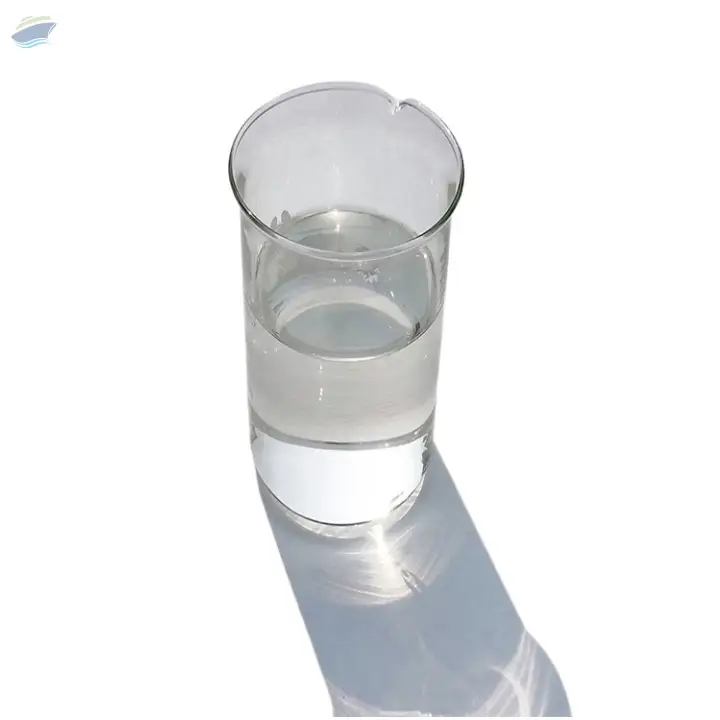
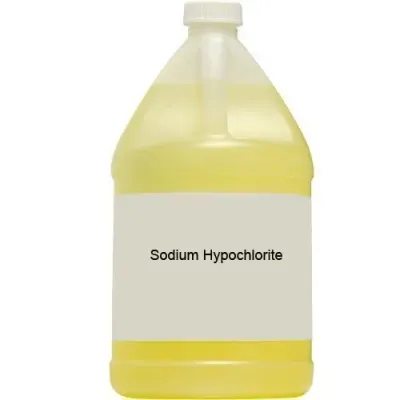
AB Holoding Limited is based in China and lists five active chemical products. The catalogue includes sodium hypochlorite, linear alkyl benzene sulfonic acid, sodium laureth sulfate (SLES), sodium dichloroisocyanurate and trichloroisocyanuric acid. These chemicals fall under the supplier’s top categories of water treatment chemicals, textile chemicals and soaps & detergents. The products are identified without specific HS codes in the provided data. The supplier is classified as an imported tier with a harbor trust tier.
The sodium hypochlorite entry is a typical bleaching and disinfection agent used in municipal water treatment. Linear alkyl benzene sulfonic acid is a key surfactant precursor for detergent formulations. SLES is an anionic surfactant widely employed in personal care and cleaning products. Sodium dichloroisocyanurate and trichloroisocyanuric acid are chlorine‑releasing compounds used for water sanitation and swimming‑pool treatment. The five items represent the full active product count reported for the company.
Product Range and Specialties of AB Holoding Limited
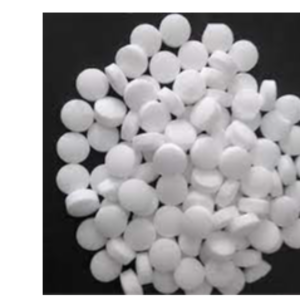
The supplier’s catalogue lists sodium hypochlorite, linear alkyl benzene sulfonic acid (LABSA), sodium laureth sulfate (SLES), sodium dichloroisocyanurate and trichloroisocyanuric acid. In the water‑treatment sector, sodium hypochlorite is normally supplied at 10‑15 % available chlorine and conforms to standards such as ISO 9001 and local health‑agency specifications. LABSA is commonly offered at 30‑40 % active matter and serves as a raw material for anionic detergents, with typical purity ≥ 99 %. SLES grades range from 30‑40 % active surfactant and are evaluated by foam stability and viscosity standards. Sodium dichloroisocyanurate is usually produced with 56‑62 % chlorine content and is used in tablet or powder form for disinfection; trichloroisocyanuric acid commonly contains about 90 % active chlorine and is supplied in granular or tablet formats. Buyers generally look for certificates of analysis, REACH registration and safety data sheets for each of these chemicals.
Frequently Asked Questions About AB Holoding Limited
What chemical products does AB Holoding Limited list in its catalogue?
The catalogue contains sodium hypochlorite, linear alkyl benzene sulfonic acid, sodium laureth sulfate (SLES), sodium dichloroisocyanurate and trichloroisocyanuric acid.
Which regions import the types of chemicals offered by AB Holoding Limited?
Key import regions include Southeast Asia, the Middle East, Africa and European markets, where water‑treatment and detergent industries have steady demand for these chemicals.
Which HS‑code families are associated with the listed products?
Typical HS‑code families are 2825 for sodium hypochlorite, 2923 for linear alkyl benzene sulfonic acid, 3402 for SLES, and 2836 for chlorine‑based disinfectants such as sodium dichloroisocyanurate and trichloroisocyanuric acid.
What quality documents should a buyer request?
Buyers should ask for a Certificate of Analysis, an up‑to‑date Material Safety Data Sheet, and evidence of REACH registration or equivalent regulatory compliance.
Are there common certifications required for these chemicals?
ISO 9001 quality management, REACH registration for the EU, and any local health‑authority approvals are commonly required for water‑treatment and detergent chemicals.
 China
Related Suppliers & Products
Explore similar suppliers, related products and trending categories