Agriculture›
Apparel and fashion accessories›
Construction & real estate›💡Electronic & Electrical›🍎Food & Beverages›🛋️Home furnishing & supplies›⚗️Industrial goods & chemical›🪨Minerals & metals›📦Miscellaneous›
Agriculture›
Apparel and fashion accessories›
Construction & real estate›💡Electronic & Electrical›🍎Food & Beverages›🛋️Home furnishing & supplies›⚗️Industrial goods & chemical›🪨Minerals & metals›📦Miscellaneous›

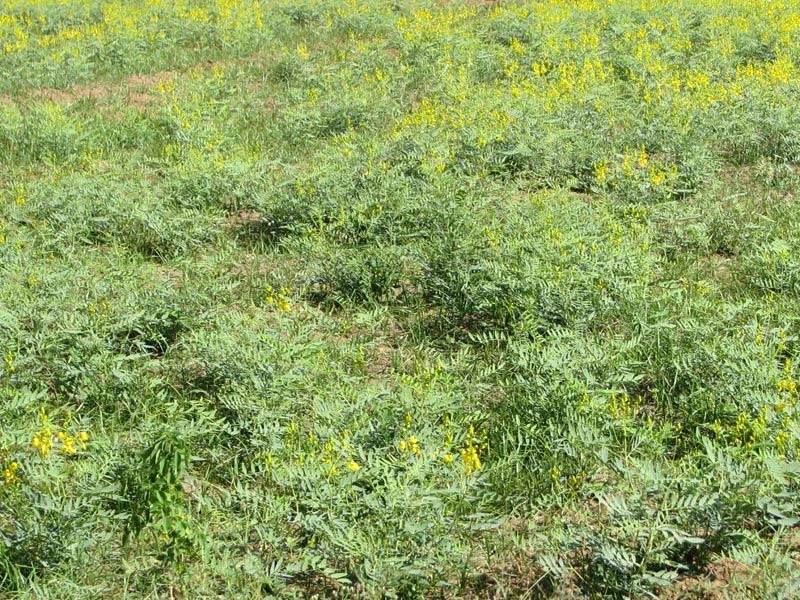
Alejandro Rodriguez supplies alfalfa bales from Fundo El Socavon in Romeral, VII Region, Chile, with protein content exceeding 20% and humidity maintained below 14%. Each bale is packaged at 25 kg, with bulk shipment options of 11 or 22 metric tonnes to accommodate different operational scales. The product targets cattle, horse, and sheep feed applications, with fibre content supporting digestive function. No specific alfalfa variety, cutting date, or cultivation altitude is stated in the source material.
Chilean alfalfa from the central valley and foothill regions, including the VII Region, benefits from Mediterranean climate conditions with dry summers that favour natural field curing. Standard export-quality bales from this origin typically show crude protein between 18% and 22%, with acid detergent fibre (ADF) around 30% - 38% depending on maturity at cutting. The 14% humidity ceiling is adequate for short-term storage but approaches the threshold for safe long-term warehousing without climate control. The 25 kg bale format is common for manual handling markets, though mechanised feeding operations may prefer larger units.
Buyers include livestock farmers, feed compounders, and equine facilities seeking consistent forage supply. The 11 and 22 metric tonne shipment increments suggest 20-foot or 40-foot container configurations, though exact container loading should be calculated from bale dimensions. The supplier does not specify whether bales are bound with twine, net wrap, or wire, which affects durability during ocean transit. Chilean phytosanitary requirements for forage export include freedom from declared quarantine pests, with documentation from the Servicio Agricola y Ganadero (SAG).
| Crude Protein | Greater than 20% (supplier-stated) |
| Humidity / Moisture | Less than 14% (supplier-stated) |
| Bale Unit Weight | 25 kg per bale (supplier-stated) |
| Bulk Shipment Options | 11 or 22 metric tonnes (supplier-stated) |
| Typical ADF (Acid Detergent Fibre) | 30% - 38% typical for Chilean export alfalfa at mid-bloom stage |
| Typical NDF (Neutral Detergent Fibre) | 40% - 48% typical for this protein and maturity range |
| Typical Relative Feed Value (RFV) | 130 - 170 typical for 20% - 22% protein alfalfa with moderate fibre |
| Typical Bale Dimensions | Approximately 40 cm x 50 cm x 80 cm typical for 25 kg manual-handling bales (confirm with supplier) |
| Typical Packaging Material | Plastic twine or net wrap standard; weather-resistant wrapping for maritime transport (confirm with supplier) |
| Origin of Cultivation | Fundo El Socavon, Romeral, VII Region, Chile (supplier-stated) |
Alejandro Rodriguez operates from Fundo El Socavon, located in Romeral, postal code 7550159, within Chile's VII Region. The supplier holds a harbor trust tier, indicating basic platform verification without extensive background checks completed. No response rate or average response time data is available, suggesting limited or no messaging history through the platform. The company profile does not disclose establishment year, organisational structure, farm hectareage, annual production volume, or workforce size.
The listing describes the product as suitable for cattle, horses, sheep, and other animals, with emphasis on protein, fibre, and handling convenience. No third-party quality certifications, organic accreditation, or sustainability credentials are mentioned. Buyers should independently verify farm ownership, production capacity, and whether Alejandro Rodriguez represents the farm owner, a cooperative, or a trading intermediary. Direct communication is recommended to confirm export experience, previous destination markets, and documentation capabilities before contractual commitment.
| Business Type | Supplier |
| Year Established | Recently Joined |
| Employees | Contact Supplier |
| Annual Revenue | Contact Supplier |
| Main Products | View Products Tab |
| Major Markets | Global |
| Response Time | <4h |
| Response Rate | New Supplier |
Before contracting, verify Alejandro Rodriguez's farm ownership or representation authority through the Chilean Servicio de Registro Civil y de Identificacion or commercial registry extract. Request sample bales for independent laboratory analysis of crude protein, ADF, NDF, moisture, ash, and mould plate count. Examine bale integrity for adequate compression (loose bales aerate and heat) and uniform green colour indicating rapid, shade-free curing. Confirm the specific cultivar planted, as proprietary varieties may carry intellectual property restrictions on re-export or resale. Check whether the supplier carries agricultural insurance covering crop failure or export non-delivery.
Shipment from San Antonio or Valparaiso port, Chile, to Atlantic or Pacific destinations requires 15 - 35 days ocean time depending on routing. The 11 and 22 metric tonne increments suggest partial or full container load options; confirm whether Less than Container Load (LCL) consolidation is available for smaller trials. Negotiate Incoterms carefully: FOB Chilean port places marine insurance burden on the buyer, while CIF shifts freight and insurance to the seller. Payment structures should reflect the supplier's export experience, with documentary collections or letters of credit advisable until trust is established. No lead time or production schedule is stated, so confirm cutting, baling, and container stuffing timelines directly.
Quality assurance at origin should include witnessing or reviewing SAG inspection results, verifying bale weight consistency (underweight bales indicate poor compression or moisture variation), and checking for prohibited weed seeds. Upon arrival, conduct moisture re-verification immediately, as maritime humidity can elevate bale core moisture above surface readings. Inspect for mould, heating, and binding failure. Documentation to demand includes SAG phytosanitary certificate, certificate of origin, packing list with bale count and weights, fumigation certificate if applied, and bill of lading with clean on-board notation. Establish a dispute resolution mechanism for quality variance, specifying an independent referee laboratory acceptable to both parties.
Active buying requirements from importers looking for Similar products

Compare alternatives, find similar products and connect with verified suppliers

Securing a reliable supply chain for Alfalfa Bale is critical for maintaining your business operations. Alejandro Rodriguez, a verified supplier located in Chile, provides high-quality Alfalfa Bale ready for international export. By connecting directly with this supplier, buyers can bypass intermediaries, negotiate custom wholesale pricing, and arrange bulk shipments. This product is a key offering within the Plants & Plant Extracts industry, catering to distributors, wholesalers, and importers worldwide.
Navigating the complexities of global sourcing is easier when you have direct access to the right manufacturers and exporters. When importing Alfalfa Bale from Chile, buyers can discuss shipping logistics, packaging requirements, and preferred payment terms directly with Alejandro Rodriguez. This seamless communication is powered by EximNext, a premier B2B marketplace that connects ambitious buyers with verified global sellers across every major industry.
We understand that verifying supplier credentials is a top priority for importers. Alejandro Rodriguez is part of our extensive network of vetted international exporters. Browse more products in the Plants & Plant Extracts category or discover new suppliers across the Plants & Plant Extracts sector. Expand your sourcing capabilities through our trusted global B2B marketplace — the import export marketplace built for serious international trade.
When importing Alfalfa Bale from Chile, buyers should consider shipping terms (FOB, CIF, EXW), customs documentation requirements, and payment security. Contact the supplier to discuss the best logistics options for your destination country.
Click the "Request Quotation" button to contact Alejandro Rodriguez directly. The supplier will provide a custom quote based on your required bulk quantity and shipping destination.
Yes, Alejandro Rodriguez provides Alfalfa Bale for bulk export from Chile. You can negotiate the MOQ, packaging details, and shipping terms directly with the supplier.
Shipping terms such as FOB, CIF, or EXW can be negotiated directly with Alejandro Rodriguez. Contact the supplier to discuss the best logistics options for importing Alfalfa Bale to your country.
Send a direct message to Alejandro Rodriguez through our platform to request a product sample before committing to a large wholesale order.
Alejandro Rodriguez is a registered and verified supplier on EximNext. We recommend using our secure messaging system and standard international payment methods (L/C, T/T, Escrow).
Request a detailed product data sheet including grade, purity, dimensions, material composition, and applicable industry standards from Alejandro Rodriguez.
Many suppliers on EximNext, including Alejandro Rodriguez, offer custom packaging and private label options for bulk wholesale orders.
Common payment methods include Letter of Credit (L/C), Telegraphic Transfer (T/T), Documents against Payment (D/P), and Escrow services.
Yes, EximNext hosts a wide network of verified Plants & Plant Extracts manufacturers, exporters, and wholesalers across 200+ countries.
Click "Request Quotation" or "Contact Supplier" on this page. Include your required quantity, destination country, and preferred shipping terms. All communications are managed securely through our B2B marketplace.
Discover more products in Plants & Plant Extracts from verified suppliers worldwide.