Agriculture›
Apparel and fashion accessories›
Construction & real estate›💡Electronic & Electrical›🍎Food & Beverages›🛋️Home furnishing & supplies›⚗️Industrial goods & chemical›🪨Minerals & metals›📦Miscellaneous›
Agriculture›
Apparel and fashion accessories›
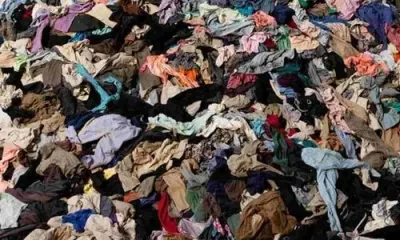
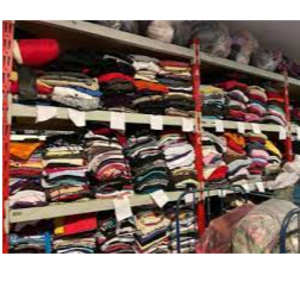
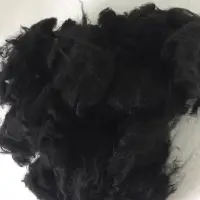
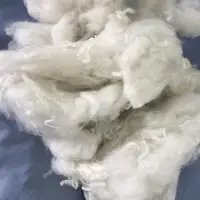
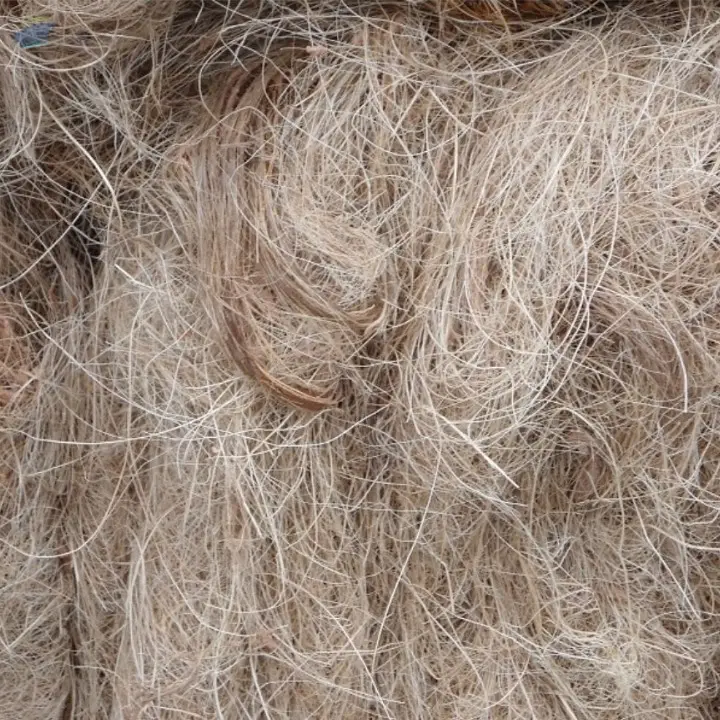
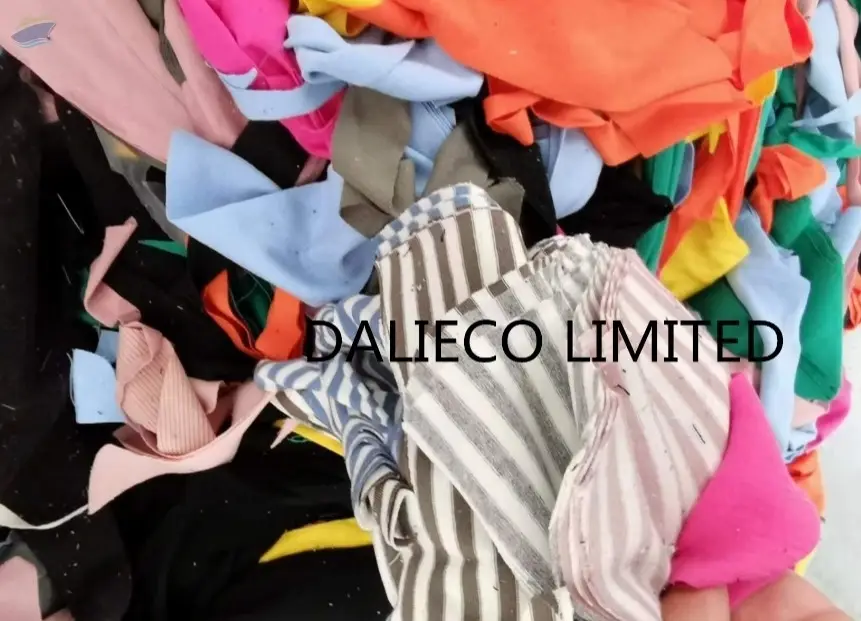
Construction & real estate›💡Electronic & Electrical›🍎Food & Beverages›🛋️Home furnishing & supplies›⚗️Industrial goods & chemical›🪨Minerals & metals›📦Miscellaneous›Prime Recycling Waste Industries, based in Lahore, Punjab, Pakistan, offers all types of textile cotton waste for export, drawing on nearly two decades of trade experience. The supplier maintains stock in hand across categories that typically include comber noil, card waste, ring-spun waste, open-end waste, and sel Scrap cutting waste, though buyers should confirm exact grades and current availability directly. Cotton waste is generally classified by fibre length, trash content, and colour; standard grades range from 20 mm to 40 mm staple length with trash levels between 2% and 8% depending on the source process. The supplier's Lahore location positions it within Pakistan's dense Punjab textile belt, where ginning, spinning, and garment manufacturing generate substantial feedstock.
Textile cotton waste originates from multiple stages of yarn and fabric production: carding waste contains shorter fibres and higher impurities, while comber noil consists of longer, cleaner fibres removed during combing. Ring-spun waste and rotor-spun waste differ in fibre parallelism and nepp content; sel Scrap cutting waste includes woven and knitted fabric trimmings with varying degrees of construction integrity. Typical moisture content for cotton waste at export standard is 8.5% maximum, with foreign matter (polyester blends, synthetic threads, packing material) requiring buyer-specified limits. The waste is normally compressed into bales of 150 kg to 200 kg, wrapped in polypropylene or hessian for container shipment. Buyers in non-woven batting, mop yarn, cleaning rag, and insulation industries often prefer specific waste types based on their end-use fibre requirements.
This material serves spinning mills producing coarse-count yarns, non-woven manufacturers making automotive and furniture padding, and companies recycling into regenerated cellulose or composite products. Pakistani cotton waste generally competes on staple length consistency and competitive labour costs in manual sorting. Importers should verify bale weights, compression ratios, and whether waste is offered as single-grade lots or mixed containers. Payment terms, Incoterms, and lead times are not stated in the listing and must be confirmed with the supplier before commitment.
| Product Category | Textile cotton waste (mixed grades) |
| Typical Staple Length Range | 20 mm to 40 mm (standard for card and comber wastes) |
| Typical Trash Content | 2% to 8% by weight (standard, varies by waste type) |
| Typical Moisture Content | 8.5% maximum at export (standard specification) |
| Typical Bale Weight | 150 kg to 200 kg per bale (standard industry compression) |
| Typical Bale Wrapping | Polypropylene or hessian packaging (standard for sea freight) |
| Common Waste Types Available | Card waste, comber noil, ring-spun waste, open-end waste, sel scrap cutting waste (confirm current stock with supplier) |
| Origin of Feedstock | Punjab textile belt, Pakistan (ginning, spinning, garment manufacturing sectors) |
| Supplier Location | Lahore, 54600, Punjab, Pakistan |
| Supplier Export Experience | 19 years in textile waste export (per supplier statement) |
Prime Recycling Waste Industries operates from 20 Sarwar Town, Lahore, 54600, in Punjab province, Pakistan. The supplier carries a harbor trust tier and reports a 0.00% response rate with zero average response hours, which indicates no confirmed buyer communication history through the platform. The listing states 19 years of export experience in textile products, though no independent verification, certifications, or third-party audit details are provided. Buyers should conduct direct due diligence on company registration, export licence status, and banking references before advancing negotiations.
The supplier's profile is sparse: no employee count, annual turnover, specific factory details, or named clients appear. The source description suggests stock-held inventory and openness to inquiries across all textile waste types, but does not commit to specific grades, quantities, or readiness timelines. This is consistent with a trading or sorting operation rather than a direct manufacturing source. Importers are advised to request recent shipment references, sample bales for quality assessment, and documented sorting capabilities before placing trial orders.
| 企业类型 | Supplier |
| 成立年份 | Contact Supplier |
| Employees | Contact Supplier |
| Annual Revenue | Contact Supplier |
| Main Products | View Products Tab |
| Major Markets | Global |
| 响应时间 | <4h |
| 响应率 | Contact Supplier |
Before ordering textile cotton waste from Prime Recycling Waste Industries, verify the supplier's business registration with the Securities and Exchange Commission of Pakistan (SECP) and obtain a valid export registration certificate (ERC) number. Request recent bill of lading references to confirm active shipping history, and ask for sample bales representing each grade you intend to purchase. Given the 0.00% response rate, initiate contact through multiple channels (email, telephone, registered mail) and document all communications; consider a pre-shipment inspection by an accredited third party such as SGS, Bureau Veritas, or Intertek stationed in Karachi or Lahore.
Logistics arrangements should be confirmed in writing: specify Karachi Port as the standard Pakistan exit point, with inland transport from Lahore to port typically handled by road trailer or rail freight. Clarify whether the supplier delivers to Karachi container freight station (CFS) or arranges stuffing at their premises. For Incoterms, FOB Karachi places loading risk on the supplier, while CIF destination requires clarity on marine insurance coverage limits and named port of discharge. Payment terms remain unconfirmed; for initial transactions, a confirmed letter of credit through a bank with Pakistani correspondent relationships reduces documentary and performance risk.
Quality checks at origin should include bale weight verification (weighbridge certificates), moisture content testing per ASTM D2654 or ISO 6741-1, and foreign matter assessment through representative sampling (minimum 5% of bales, or per AQL standard). Request a pre-shipment inspection clause in the sales contract allowing buyer-appointed surveyor access to Lahore warehouse 48 hours before stuffing. Documentation to demand includes packing list with bale numbers and weights, commercial invoice, certificate of origin from the Lahore Chamber of Commerce, and any phytosanitary certificate required by the destination country for plant fibre imports. Retain 10% payment against final inspection report at discharge port to enforce compliance.
Active buying requirements from importers looking for Similar products

Compare alternatives, find similar products and connect with verified suppliers
为业务采购All Types Of Textile Cotton Waste时,质量与成本的平衡至关重要。Prime Recycling Waste Industries是一家位于Pakistan的认证供应商,提供该产品用于国际出口。直接对接生产商或授权出口商,买家可以协商优惠的FOB价格(起价 $1.1/Bags),并高效管理大宗订单(最小起订量 1 Bags)。该产品在Textile Waste行业占据重要地位、全球进口需求强劲。
进口All Types Of Textile Cott需要关注物流运输、海关合规和安全付款条款。Prime Recycling Waste Industries,提供整箱(FCL)或散箱(LCL)海运等灵活运输方案。国际 B2B 交易的常见付款方式包括信用证(L/C)、电汇(T/T)和付款交单(D/P)。所有交易和询盘均通过 EximNext 完成 — 一个为跨境贸易提供安全、高效支持的全球 B2B 贸易平台。
可靠的合作伙伴是进口业务成功的基石。本All Types Of Textile Cott的供应商已通过平台认证。无论您是分销商、批发商还是采购经理,都可以放心索取免费报价、申请产品样品并完成大宗采购。EximNext 汇聚了 200 多个国家和地区的数千家认证生产商与出口商。浏览Textile Waste类目下的同类产品,通过我们全方位的进出口交易平台对接顶级出口商。立即开启您的采购之旅。
进口All Types Of Textile Cott需要关注物流运输、海关合规和安全付款条款。常见运输方案包括海运整箱(FCL)或散箱(LCL)。买家应在目的国核实进口关税。常见付款方式包括信用证(L/C)、电汇(T/T)和付款交单(D/P)。
Prime Recycling Waste Industries当前针对All Types Of Textile Cotton Waste的批发价格为 $1.1/Bags(FOB条款,发货地Pakistan)。价格可能根据订单数量、包装和目的港有所调整。如需最准确的批量报价,请通过 EximNext 直接向Prime Recycling Waste Industries发送询盘。
供应商Prime Recycling Waste Industries将All Types Of Textile Cott的最小起订量(MOQ)定为 1 Bags。如需样品或更小批量的试订,请通过平台直接联系供应商询盘。
All Types Of Textile Cotton Waste的 HS 编码分类取决于具体的规格和形态。请通过 EximNext 联系Prime Recycling Waste Industries,获取准确的 HS 编码和目的国所需的清关文件。
从Pakistan进口All Types Of Textile Cott时,可直接与Prime Recycling Waste Industries协商运输条款(FOB、CIF 或 EXW)。同时请确保您在目的国具备进口Textile Waste类产品所需的相关许可。
是的,Prime Recycling Waste Industries是 EximNext 平台上的认证供应商。下单前您可以查看完整的公司资料、营业执照信息、认证资质以及出口历史。
如需完整的技术参数表或分析证书(COA),请通过 EximNext 直接向Prime Recycling Waste Industries发送询盘。
Prime Recycling Waste Industries为All Types Of Textile Cott提供标准出口包装。针对大宗批发订单,还可能提供定制包装、贴牌(OEM/ODM)等服务。
All Types Of Textile Cott在全球范围内均有活跃的进口需求。可通过平台向Prime Recycling Waste Industries索取特定目的地的 CIF 或 CFR 报价。
Prime Recycling Waste Industries持有国际通行的质量认证,确保All Types Of Textile Cott符合跨境贸易所需的国际质量、安全和监管标准。
点击本页面的"索取报价",填写所需数量、运输条款和目的国。Prime Recycling Waste Industries将提供详细的批发报价,包含FOB价格、交货周期和支付方式。
发掘 Textile Waste 类目下来自全球认证供应商的更多产品。