从Latvia供应商批量进口Alder Lump Charcoal For Bbq
Similar Products
Related Products
Trending in this Category
Trending in Sub-Category
Top Suppliers for this Product
Compare Other Sellers
More Suppliers in Category
Related Products
- Lanterns
- coconut shell
- Coco Peat
- Premium HardWood Charcoal Bulk Supply
- Sheesham Wood Fanta ( Brown Babool Wood )
- 300 WATT LED FLOOD LIGHT
- 200 WATT LED FLOOD LIGHT
- 200 WATT LED FLOOD LIGHT
- Coconut Shell Activated Carbon 6x12 Mesh
- Coconut Shell Activated Carbon 4x8 Mesh
- Biomass Pellets
- Hard Wood Charcoal
- Charcoal
- Peat mix VitaPeat Extra
- Hardwood Charcoal BBQ
- Hardwood Charcoal Briquettes
- Liquefied Natural Gas
- Lump Charcoal
- Hexagonal Coconut Shell Charcoal Briquettes
- BBQs GRILL 0,45
- Hydraulic Lift - Outdoor Home Elevator
- Barbeque Charcoal
- COMBI STEAMER CS-06М
- Coco Peat
- Coconut Shell Charcoal
- Moong dal
- Coconut Charcoal Briquettes - Cube (For Shisha)
- Charcoal Briquettes - Hexagonal (For BBQ)
- Charcoal Briquettes - Pillow
- Coconut Charcoal
- Coal
- Milkspeed Chelated
- Petroleum Coke
- Wood pellet
- D6 Virgin Fuel oil
- Coal z& Charcoal
- Dals
- Charcoal
- Charcoal
- Tee tree
- Charcoal
- Briquette and charcoal
- Lampit
- Wicker Palm Leaf Woven Fruit Food Storage Basket Palm Leaf Fan
- bituminous coal
- Briquette Charcoal Coconut Shell
- Briquette Charcoal Sawdust
- LPG
- Coco peat
- salt lamps
- Pini Kay Wood Briquettes/Nestro Wood Briquettes /R-U-F Briquette
- Coco Peat
- CHARCOAL
- Wood pellets (ENplus A1)
- PT. WOOD UNIVERSAL INDONESIA
- melaleuca cajuputi+ rubber wood pellet
- pine wood+melaleuca cajuputi wood pellet
- acacia Wood Pellets
- Petroleum products
- Charcoal
- COCONUT SHELL
- Charcoal
- CHARCOAL BRIKET GLOBAL INDONESIA
- Milkspeed Chelated
- Coconut Coir / substrate / shells
- LIQUIDIFIED NATURAL GAS
- AUTOMATIVE GAS OIL
- AVIATION KEROSENE COLONIAL GRADE 54 JET FUEL
- PETROLEUM LIQUIDIFIED GAS
- FS Horizontal fiberglass centrifugal pump used to transfer acids
- wood powder for incense making
- MOON SHAPE SALT LAMP
- Solar Appliances
- LIQUEFIED NATURAL GAS (LNG)
- AVIATION KEROSENE JET FUEL JP54
- Oak firewood
- Pine Firewood
- Beech firewood
- Petroleum coke
- manual pressure test pump
- Wood pellets
- CHARCOAL
- Wind-Up PA Lighting Stands WP-163-2B
- Deep Water Aeration Rotation
- Barbecue Wood Charcoal
- Restaurant Grade Charcoal
- Shisha / Hookah Charcoal Sticks
- Humidifier Irrigation Submersible Pump 1.5hp Pet Drinking Feeder Miniature Hydraulic Pump Submersible Pump Manufacturers
- Slim Aluminum Puck Lights LED Under Cabinet Lighting Kit 12V Low Profile Puck Lights for Kitchen, Counter
- PETROLEUM COKE
- LIQUIFIED NATURAL GAS (LNG) / (LPG)
- LPG
- AMERICAN WOODS
- BONNY LIGHT (NNPC)
- hardwood charcoal
- NATURAL PERGOLA 100% COCONUT COIR SHADE SAIL TRIANGLE SQUARE RECTANGLE SHAPE
- Aviation fuel Jet A, Jet A1, AV Gas
- Petroleum
- Wood Pellets EnPlus A1 Certified
- Stock Available ZX Series Electric Single Stage Self Priming Sewage Centrifugal Water Pump for Sale
Top Verified Suppliers
- Abraj Enterprises · Oman
- Jose Huertas · Mexico
- Putra Pampang Membangun, CV · Indonesia
- Graceful Global Co., Ltd. · Taiwan
- ANA Company Spolka Z Ograniczona Odpowiedzialnoscia · Netherlands
- Rene Sadi · Canada
- W&e Holding B.v · Netherlands
- Agriculture Parts Pro Inc · United States
- Natural Organic & Inorganic Food Suppliers · India
- Zenora Limited Liability Company · Poland
- Nsric Green Supplies Inc. · Canada
- UWAOMA MARINE DREDGING COMPANY LTD · United Kingdom
- PT Golden Terrac International · United States
- Alta International Trading Group · United States
- Harendar import export limited corporation · India
- Nestshield Global Resources · Poland
- ACE & EDUN CONSULTING LTD · United Kingdom
- NetGas Energy Services · Canada
- frist options collection · United States
- LUKONGE INTERNATIONAL GROUP. · Tanzania
- Chaitanya Group LLC · Canada
- JUEC LTD · United Kingdom
- Zdravko Milushev · Bulgaria
- TradOrbit · Pakistan
- Pooja Meena · India
- Arrius Petroleum Ltd. · United Kingdom
- DHM Consulting · Germany
- Uthando Lwesizwe Group · South Africa
- Sparrow Oil & Gas LLC · United States
- Lijoe Oil & Gas Int. LLC · United States
Related Buy Leads
- Charcoal — 2000 Metric Ton/Metric Tons (China)
- Charcoal — 10 Kilogram/Kilograms(sample) (China)
- Charcoal — 1 Forty-Foot Container (Trinidad and Tobago)
- Charcoal — 1 Forty-Foot Container (British Indian Ocean Territory)
- Charcoal Briquette — 1 Twenty-Foot Container (British Indian Ocean Territory)
- Charcoal — 1 Ton/Tons (Canada)

 Agriculture›
 Apparel and fashion accessories›
 Construction & real estate›💡Electronic & Electrical›🍎Food & Beverages›🛋️Home furnishing & supplies›⚗️Industrial goods & chemical›🪨Minerals & metals›📦Miscellaneous›Agriculture›Apparel and fashion accessories›Construction & real estate›💡Electronic & Electrical›🍎Food & Beverages›🛋️Home furnishing & supplies›⚗️Industrial goods & chemical›🪨Minerals & metals›📦Miscellaneous›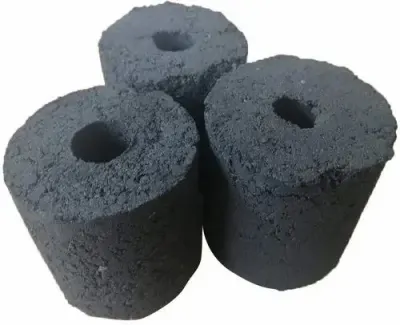
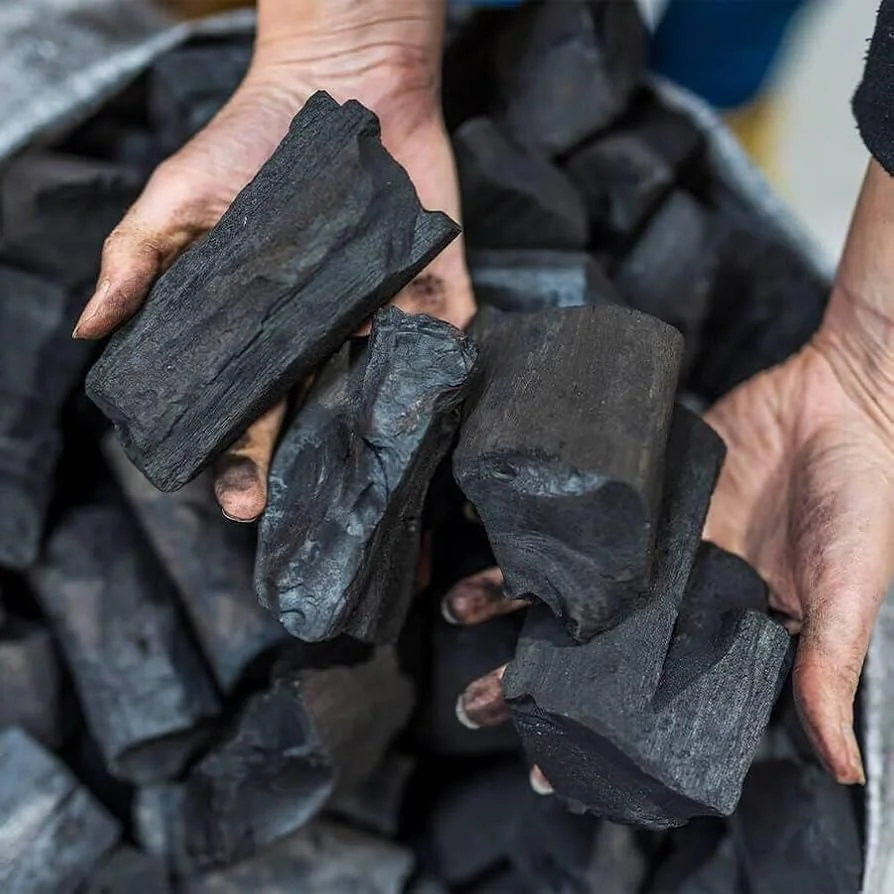
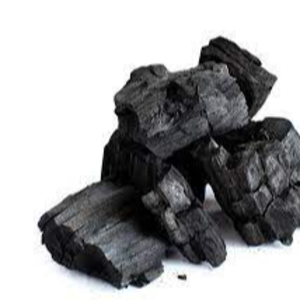
Marienburg offers alder lump charcoal specifically sized and selected for barbecue applications, produced from alder (Alnus glutinosa or Alnus incana) hardwood rather than the more common oak or mixed hardwood charcoals dominating global BBQ markets. The product is positioned for both commercial food-service operations and dedicated home grilling enthusiasts, with stated properties including low ash residue, extended burn duration, and flavour-neutral to mildly sweet smoke characteristics typical of alder species. The supplier indicates hand-selection for piece uniformity and packaging engineered to exclude moisture, though no specific packaging material, net weight, or pallet configuration is listed.
Lump charcoal production involves controlled pyrolysis of hardwood in oxygen-limited retorts or traditional mound kilns, with alder's moderate density (approximately 490-550 kg/m³ at 12% moisture) yielding charcoal with bulk density typically in the 180-250 kg/m³ range and fixed carbon content between 75-82% for well-processed material. The carbonisation temperature, ranging from 400°C to 700°C in conventional production, determines the balance between volatile compounds (which influence ignition and flavour) and fixed carbon (which governs heat output and burn longevity). Standard quality parameters for BBQ lump charcoal include moisture below 8%, ash content below 8%, and volatile matter between 15-25%, though these figures represent typical industry ranges rather than supplier-guaranteed specifications.
Target buyers include restaurants, catering companies, and retail distributors serving the outdoor cooking sector, with the product positioned for smoking, direct grilling, and indirect baking applications. Alder charcoal's lighter smoke profile compared to hickory or mesquite makes it particularly suitable for fish, poultry, and mild pork preparations. Trade terms mentioned include FOB and CIF options, with flexible minimum order quantities, though specific tonnage thresholds, pricing bands, and lead times are not disclosed in the source material. Buyers should confirm all commercial terms directly with Marienburg before contract execution.
| Raw material species | Alder (Alnus spp.) |
| Carbon content | High (typical: 75-82% fixed carbon for hardwood lump charcoal) |
| Ash production | Low (typical: 5-8% for alder charcoal) |
| Burn characteristics | Long burn time, consistent heat output |
| Piece selection | Hand-selected for uniform size (per supplier description) |
| Moisture content (typical industry standard) | <8% (buyer to confirm with supplier) |
| Volatile matter (typical industry standard) | 15-25% (buyer to confirm with supplier) |
| Packaging | Moisture-resistant (specific material and weight not stated) |
| Available Incoterms | FOB, CIF (confirm specific port and terms with supplier) |
| Minimum order quantity | Flexible (confirm exact MOQ with supplier) |
Marienburg is located at Matrozu Street 15, Riga, LV-1048, Latvia. The company holds Harbor trust tier status on this marketplace, with a recorded response rate of 0.00% and no available average response time data. The profile does not indicate any third-party verification, certification, or audit status beyond the platform's basic tier classification.
The listing presents Marienburg as a trading entity focused on BBQ charcoal for food-service and consumer markets, emphasising sustainable sourcing and quality certification without naming specific schemes or providing certificate numbers. No information is provided about years in operation, production facility ownership, kiln type or capacity, employee count, annual throughput, or named client references. Buyers should treat sustainability and certification claims as unverified until documentation is requested and reviewed directly from the supplier.
| 企业类型 | Supplier |
| 成立年份 | Contact Supplier |
| Employees | Contact Supplier |
| Annual Revenue | Contact Supplier |
| Main Products | View Products Tab |
| Major Markets | Global |
| 响应时间 | <4h |
| 响应率 | Contact Supplier |
Sourcing Alder Lump Charcoal For BBQ from Marienburg - Latvia Import Guide
Before committing to Marienburg, verify their production capacity and whether they manufacture in-house or source through third parties, as this affects consistency and traceability. Request samples for burn testing under your specific grill or smoker configuration, measuring ignition time, peak temperature, ash residue, and flavour neutrality against your protein menu. Confirm that any sustainability or certification claims are supported by current, auditable documentation with appropriate scope. For food-service buyers, assess whether packaging format (bulk, retail-ready, or private label) aligns with your operational requirements and brand positioning.
Freight and commercial terms require explicit clarification. Confirm the FOB port (presumably Riga Free Port, but verify), container loading rates, and whether CIF quotations include marine insurance and destination port charges. For payment, the listing mentions LC flexibility without structure details; negotiate terms that reflect your relationship history and order scale. Lead times from order confirmation to vessel loading are not stated, typical charcoal production cycles range from 2-6 weeks depending on kiln schedule and curing requirements. Partial shipment and staggered delivery terms should be addressed if your inventory strategy requires them.
Quality assurance extends beyond initial sampling. Specify batch testing protocols for moisture, ash, and fixed carbon content in purchase contracts, referencing ASTM D1762 or ISO 18122 test methods. Require pre-shipment inspection by an agreed third party for initial orders, with certificate of analysis accompanying each container. On arrival, verify net shipped weight against packing lists, as charcoal moisture gain during transit can inflate apparent weight without adding value. Store inventory in dry, ventilated conditions and implement first-in-first-out rotation, as lump charcoal can absorb ambient moisture and fracture with age, degrading performance in commercial kitchens.
Active buying requirements from importers looking for Similar products
 ChinaChina
 Trinidad and Tobago
 British Indian Ocean TerritoryBritish Indian Ocean Territory
 Canada
- ✓谁在进口这款产品
- ✓他们的成交价格
- ✓他们使用的港口
Related Products & Suppliers
Compare alternatives, find similar products and connect with verified suppliers
Similar Products
Related Products

Trending in this Category
Trending in Sub-Category
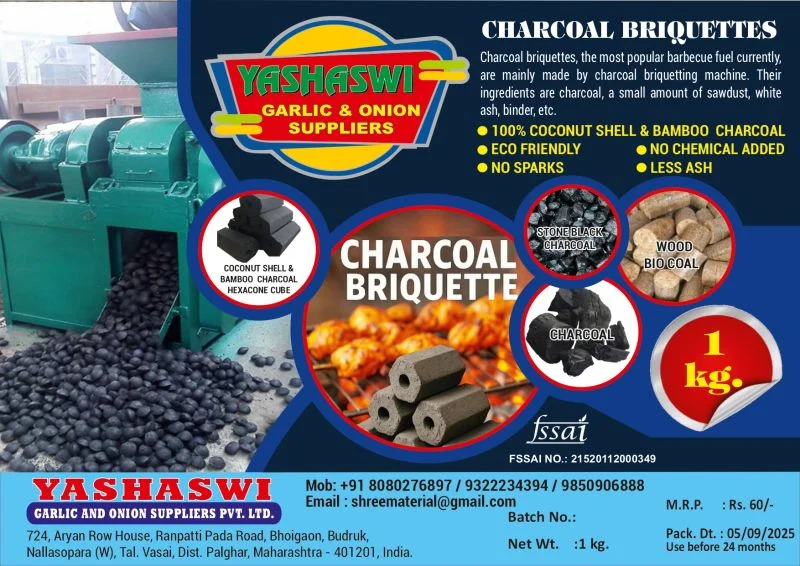
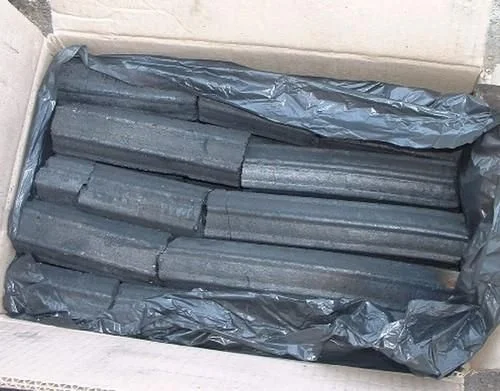
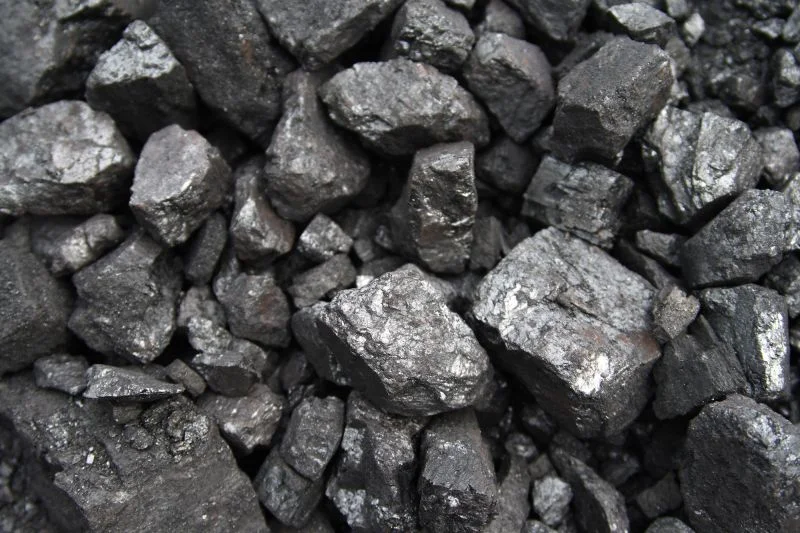
Top Suppliers for this Product
Compare Other Sellers
More Suppliers in Category
Browse Alder Lump Charcoal For BBQ — Top Products
100 listingsTop Verified Suppliers for Alder Lump Charcoal For BBQ
30 suppliers从Latvia批发进口Alder Lump Charcoal For B
确保Alder Lump Charcoal For Bbq供应链的稳定对业务运转至关重要。Marienburg是位于Latvia的认证供应商,提供可用于国际出口的高品质Alder Lump Charcoal For B。直接对接供应商后,买家可绕过中间环节,协商定制化批发价格并安排大宗出货。该产品是Charcoal行业的重要品类,服务全球的分销商、批发商和进口商。
索取批发价格和大宗贸易条款
当您能直接对接合适的生产商和出口商,全球采购的复杂度将大幅降低。从Latvia进口Alder Lump Charcoal For B时,买家可直接与Marienburg沟通物流方案、包装要求和偏好付款方式。这一无缝沟通由 EximNext 提供支持 — 一个汇聚全球主要行业认证卖家的顶级全球 B2B 贸易平台。
关于Marienburg — Latvia已认证供应商
我们深知供应商资质核实是进口商的首要关切。Marienburg已纳入我们广泛的国际认证出口商网络。浏览Charcoal类目下的更多产品,或发掘Charcoal行业的新供应商。借助我们可信赖的进出口交易平台 — 为严肃国际贸易而生的进出口交易平台,全面拓展您的采购能力。
Alder Lump Charcoal For B 国际物流和进口指南
从Latvia进口Alder Lump Charcoal For B时,买家应考虑运输条款(FOB、CIF、EXW)、清关文件要求以及付款安全。请联系供应商,商议最适合目的国的物流方案。
Alder Lump Charcoal For B 常见问题
如何获取Alder Lump Charcoal For Bbq的批发报价?
点击"索取报价"按钮直接联系Marienburg。供应商将根据您的批量需求和运输目的地提供定制报价。
能否从Latvia批量采购Alder Lump Charcoal For B?
可以,Marienburg从Latvia供应Alder Lump Charcoal For B用于批量出口。您可直接与供应商协商最小起订量、包装细节和运输条款。
本产品支持哪些运输条款?
FOB、CIF、EXW 等运输条款均可直接与Marienburg协商。请联系供应商,商议最适合将Alder Lump Charcoal For B进口至您所在国家的物流方案。
如何索取Alder Lump Charcoal For Bbq的样品?
在下达大宗批发订单前,可通过平台直接向Marienburg发送消息索取产品样品。
通过该供应商采购是否安全?
Marienburg是 EximNext 平台注册并认证的供应商。建议使用平台的安全消息系统以及标准国际支付方式(L/C、T/T、担保交易)完成交易。
进口Alder Lump Charcoal For B时应向供应商索取哪些规格信息?
请向Marienburg索取详细的产品资料,包括等级、纯度、尺寸、材质成分以及适用的行业标准。
Marienburg是否提供定制包装或贴牌服务?
EximNext 上的众多供应商(包括Marienburg)均为大宗批发订单提供定制包装和贴牌(OEM/ODM)选项。
国际订单支持哪些付款方式?
常用付款方式包括信用证(L/C)、电汇(T/T)、付款交单(D/P)以及担保交易服务。
EximNext 上有更多Charcoal类供应商吗?
是的,EximNext 汇聚了来自 200 多个国家和地区的Charcoal类生产商、出口商和批发商。
如何联系Marienburg进行批量贸易询盘?
点击本页的"索取报价"或"联系供应商",提供所需数量、目的国和偏好的运输条款。所有沟通均通过我们的全球 B2B 贸易平台安全完成。
在 EximNext 浏览更多Charcoal产品
发掘 Charcoal 类目下来自全球认证供应商的更多产品。