ZUMRUT INTERNATIONAL KIMYA — Manufacturer & Wholesale Supplier
About ZUMRUT INTERNATIONAL KIMYA - Bitumen, Asphalt Supplier in Turkey
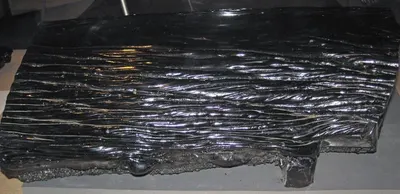
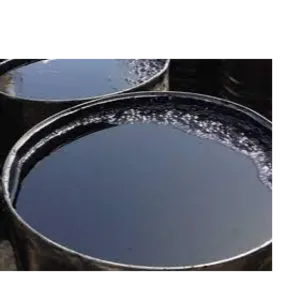
ZUMRUT INTERNATIONAL KIMYA, based in Turkey, has an active product count of 7. The company lists a range of products including Oxidized Bitumen 115/15, Bitumen 60/70, Cutback Bitumen, Bitumen Emulsion, PG Bitumen, Polymer Modified Bitumen, and Oxidized bitumen 150/5. These products fall under the categories of Bitumen, Asphalt, Construction & Waterproofing Chemicals, and Coatings. Exporters of these goods typically target regions with significant road construction and civil engineering projects.
The products listed by ZUMRUT INTERNATIONAL KIMYA are used in various applications, including road construction, civil engineering, and industrial uses. Buyers of these products usually require specific grades and standards, such as those defined by the American Society for Testing and Materials (ASTM) or the European Committee for Standardization (CEN). The HS code families involved in the export of these goods are typically classified under Chapter 27 of the Harmonized System (HS) code.
Product Range and Specialties of ZUMRUT INTERNATIONAL KIMYA
The catalogue of ZUMRUT INTERNATIONAL KIMYA includes a variety of bitumen and asphalt products, each with its own set of specifications and standards. For example, Oxidized Bitumen 115/15 and Oxidized bitumen 150/5 are both used in construction and waterproofing applications, but have different penetration grades and softening points. Buyers of these products should request specifications, samples, and test reports to ensure the products meet their requirements.
In the construction and coatings industries, buyers typically require products that meet specific standards, such as ASTM D946 for asphalt cements or EN 13924 for bitumen emulsions. The materials used in these products, such as petroleum-based bitumen or polymer-modified bitumen, should also meet relevant standards, such as those defined by the International Organization for Standardization (ISO).
Trade and Export Information - ZUMRUT INTERNATIONAL KIMYA
Exporters of bitumen and asphalt products, like ZUMRUT INTERNATIONAL KIMYA, typically target regions with significant road construction and civil engineering projects. These regions often have specific requirements and regulations regarding the import and use of these products. For example, the European Union has implemented the Construction Products Regulation (CPR), which requires construction products, including bitumen and asphalt, to meet specific standards and carry a CE marking.
The HS code families involved in the export of these goods are typically classified under Chapter 27 of the HS code. Buyers should be aware of the relevant regulations and standards in their region, such as the ASTM or CEN standards, and request the necessary certifications and documents from the supplier. Incoterms, such as CIF or FOB, should also be clearly defined in the sales contract to avoid any misunderstandings.
Sourcing from ZUMRUT INTERNATIONAL KIMYA - Buyer Guidance
When sourcing from ZUMRUT INTERNATIONAL KIMYA, buyers should request specifications, samples, and test reports to ensure the products meet their requirements. It is also important to verify the supplier's certifications and compliance with relevant regulations, such as the CPR or ASTM standards. Buyers should also be aware of the typical quality parameters and tests for these products, such as penetration grade, softening point, and viscosity.
Buyers should request the necessary certifications and documents, such as the CE marking or ISO 9001 certification, and verify the supplier's compliance with relevant regulations. The minimum order quantity (MOQ) and lead time should also be clearly defined in the sales contract to avoid any misunderstandings.
Frequently Asked Questions About ZUMRUT INTERNATIONAL KIMYA
What is the typical penetration grade of Oxidized Bitumen 115/15?
The typical penetration grade of Oxidized Bitumen 115/15 is between 15 and 30 dmm. However, this can vary depending on the specific application and requirements of the buyer. It is recommended to request a specification sheet and samples from the supplier to ensure the product meets the required standards.
What is the difference between Bitumen 60/70 and PG Bitumen?
Bitumen 60/70 and PG Bitumen are both used in road construction and civil engineering applications, but they have different properties and standards. Bitumen 60/70 is a standard penetration grade bitumen, while PG Bitumen is a performance grade bitumen with improved properties, such as higher viscosity and better resistance to deformation. Buyers should request specifications and samples to ensure the product meets their requirements.
What certifications should I request from ZUMRUT INTERNATIONAL KIMYA?
Buyers should request certifications, such as the CE marking or ISO 9001 certification, to ensure the supplier's compliance with relevant regulations and standards. Additionally, buyers should request test reports and specifications to ensure the products meet the required standards.
What is the typical MOQ and lead time for ZUMRUT INTERNATIONAL KIMYA's products?
The typical MOQ and lead time for ZUMRUT INTERNATIONAL KIMYA's products can vary depending on the specific product and application. Buyers should request this information from the supplier to ensure they can meet their requirements.
What packaging and shipping options are available for ZUMRUT INTERNATIONAL KIMYA's products?
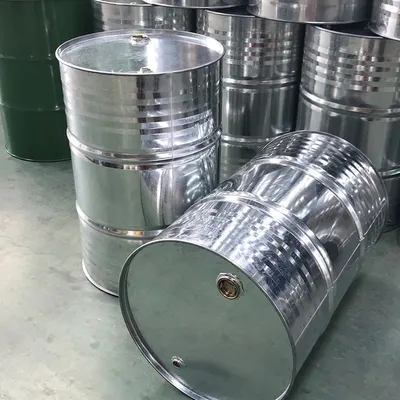
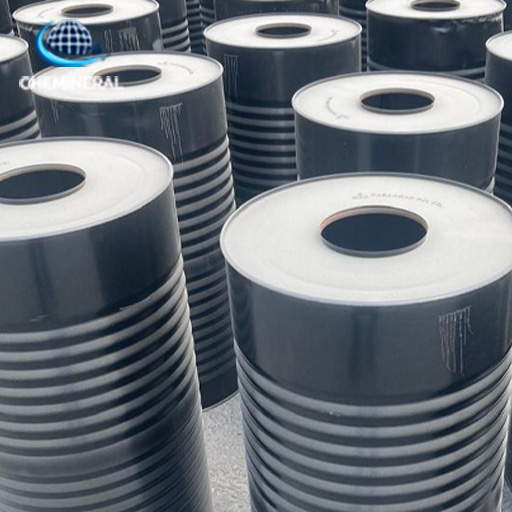
The packaging and shipping options for ZUMRUT INTERNATIONAL KIMYA's products can vary depending on the specific product and application. Buyers should request this information from the supplier to ensure they can meet their requirements. Typical packaging options include drums, bags, or bulk shipments, while shipping options can include CIF, FOB, or EXW Incoterms.
What are the typical quality parameters and tests for bitumen and asphalt products?
The typical quality parameters and tests for bitumen and asphalt products include penetration grade, softening point, viscosity, and density. Buyers should request test reports and specifications to ensure the products meet the required standards.
How do I verify the supplier's compliance with relevant regulations and standards?
Buyers can verify the supplier's compliance with relevant regulations and standards by requesting certifications, such as the CE marking or ISO 9001 certification, and test reports. Additionally, buyers can check the supplier's website or contact the relevant regulatory bodies to ensure the supplier is compliant with the required standards.




 , Turkey