Zhangjiagang Prancy Dragon Textile Co., Ltd. — Supplier
About Zhangjiagang Prancy Dragon Textile Co., Ltd. - Yarn Supplier in China
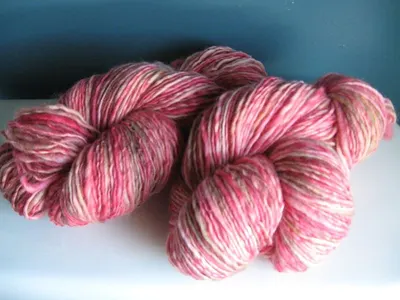
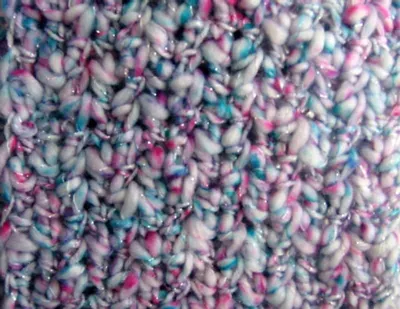
China hosts the Zhangjiagang Prancy Dragon Textile Co., Ltd., which currently lists 13 distinct yarn products in its catalogue. The product list includes hand knitting yarn, wool yarn, fancy yarn, feather yarn, industry yarn, mink hair yarn, chunky yarn, merino wool, fire‑retardant chenille yarn, boucle yarn, faux‑fur yarn, flame‑retardant chenille yarn and core spun yarn. These items fall under the broader categories of cotton yarn, polyester yarn, filament yarn, other textile yarns and spun yarn as indicated in the supplier’s top categories. Each entry is identified only by its descriptive name without additional technical codes, reflecting a focus on a wide variety of natural and synthetic yarns. The catalogue does not provide HS codes, so the classification must be inferred from standard tariff headings for yarns.
Product Range and Specialties of Zhangjiagang Prancy Dragon Textile Co., Ltd.
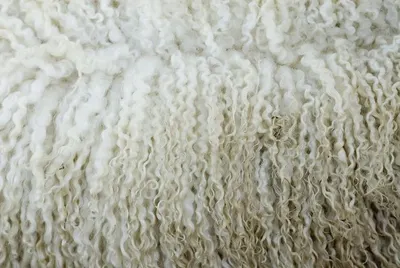
The catalogue covers both animal‑based yarns such as merino wool, mink cashmere and other wool blends, and synthetic or blended yarns including filament and core‑spun varieties. In the global yarn market, buyers typically specify yarn count (Ne 30‑80 for wool, tex 20‑80 for synthetics), denier, ply and twist per metre, with quality grades like ISO 9001‑certified or Oeko‑Tex Standard 100‑approved fibres. Fire‑retardant chenille yarns are usually treated to meet ASTM D1238 or EN‑ISO 15025 fire‑performance standards. Core‑spun yarns often combine a synthetic sheath with a natural core to achieve specific strength‑to‑weight ratios, and are graded by tensile strength (MPa) and elongation (%).
Trade and Export Information - Zhangjiagang Prancy Dragon Textile Co., Ltd.
China is a major exporter of yarns classified under HS Chapter 50 for animal hair and Chapter 54 for synthetic yarns, with typical HS codes such as 5007 for wool yarn and 5402 for polyester filament. Export shipments are commonly destined for the European Union, United States, and Southeast Asian garment manufacturers, who require compliance with REACH chemical regulations and often request Oeko‑Tex or ISO‑9001 certification. Standard packaging includes compressed bales or sealed cartons, loaded into 20‑foot or 40‑foot containers, with moisture content controlled below 12 % to prevent fibre degradation. Buyers frequently stipulate that mill test reports (MTR) accompany shipments, covering tensile strength, shrinkage and colourfastness. Chinese yarn exporters also adhere to CIF or FOB Incoterms, depending on buyer preference.
Sourcing from Zhangjiagang Prancy Dragon Textile Co., Ltd. - Buyer Guidance
When sourcing yarns from Zhangjiagang Prancy Dragon Textile, request a detailed mill test report that includes fibre composition, yarn count, tensile strength, elongation and any fire‑retardant test results. Verify that the supplier can provide Oeko‑Tex Standard 100 certificates or equivalent documentation for any natural fibres, and REACH compliance statements for synthetic blends. Ask for pre‑shipment samples of the specific yarn type (e.g., mink cashmere or flame‑retardant chenille) to assess texture, colour consistency and performance before confirming the order. Confirm packaging weight, container loading plan and lead‑time expectations, which typically range from 30 to 45 days after sample approval.
Frequently Asked Questions About Zhangjiagang Prancy Dragon Textile Co., Ltd.
What yarn types are listed in Zhangjiagang Prancy Dragon Textile's catalogue?
The catalogue lists hand knitting yarn, wool yarn, fancy yarn, feather yarn, industry yarn, mink hair yarn, chunky yarn, merino wool, fire‑retardant chenille yarn, boucle yarn, faux‑fur yarn, flame‑retardant chenille yarn and core spun yarn.
Do the fire‑retardant chenille yarns meet international safety standards?
Fire‑retardant chenille yarns are typically treated to comply with standards such as ASTM D1238 or EN‑ISO 15025. Buyers should request the specific fire‑performance test report from the supplier to confirm compliance.
How can I obtain a sample of the mink cashmere yarn?
Contact the supplier to request a pre‑shipment sample, specifying the desired weight (e.g., 500 g) and colour. Samples are usually shipped in sealed poly‑bag packaging to preserve fibre integrity.
Which certifications are commonly required for Chinese wool yarns?
Buyers generally ask for Oeko‑Tex Standard 100 certification, REACH compliance for any chemical treatments, and an ISO 9001‑based mill test report that details fibre content and mechanical properties.
What packaging options are typical for yarn shipments from China?
Yarn is most often packed in compressed bales or multi‑layered cartons, with moisture levels kept below 12 %. Full container loads are arranged in 20‑foot or 40‑foot containers, depending on order volume.
Which HS codes are applicable to the yarn products listed?
Yarn made from animal fibres usually falls under HS code 5007, while synthetic or blended filament yarns are classified under HS code 5402. Exact classification depends on the fibre composition of each product.
What is the typical lead time for ordering core spun yarn?
Core spun yarn orders from Chinese manufacturers generally require 30‑45 days from order confirmation, including sample approval, production and pre‑shipment inspection.
Which regions import Chinese yarns most frequently?
The European Union, United States and Southeast Asian garment markets are the largest importers of Chinese yarns, seeking both natural and synthetic fibres for apparel and technical textile applications.




 , China