Zavix Pharmaceuticals Pvt. Ltd. — Verified Supplier
About Zavix Pharmaceuticals Pvt. Ltd. - Essential Oils Supplier in India
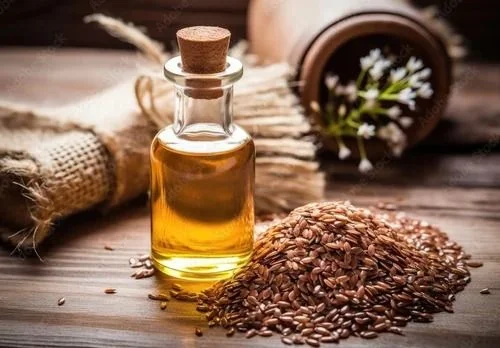
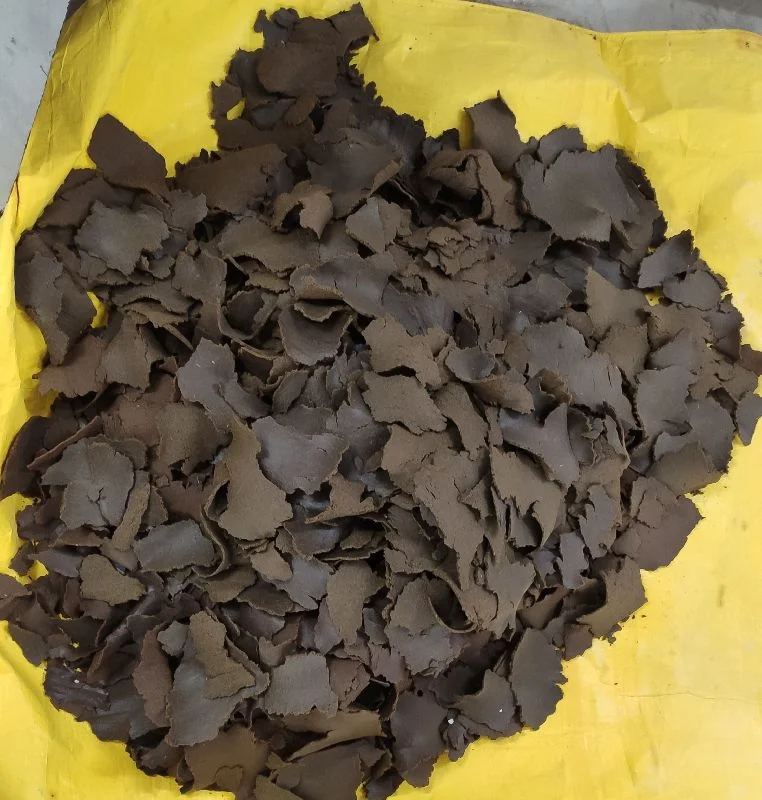
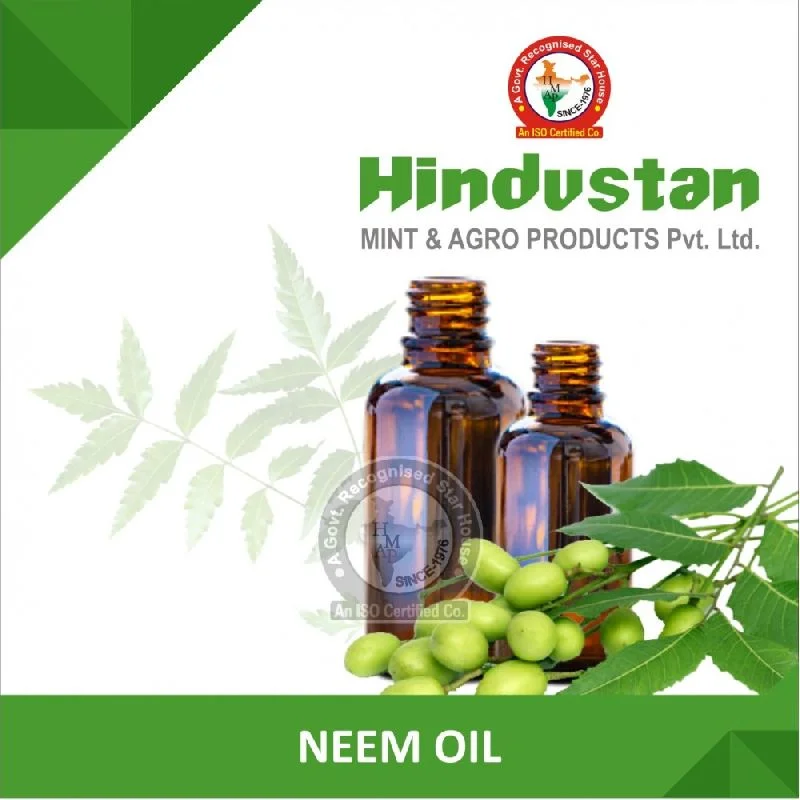
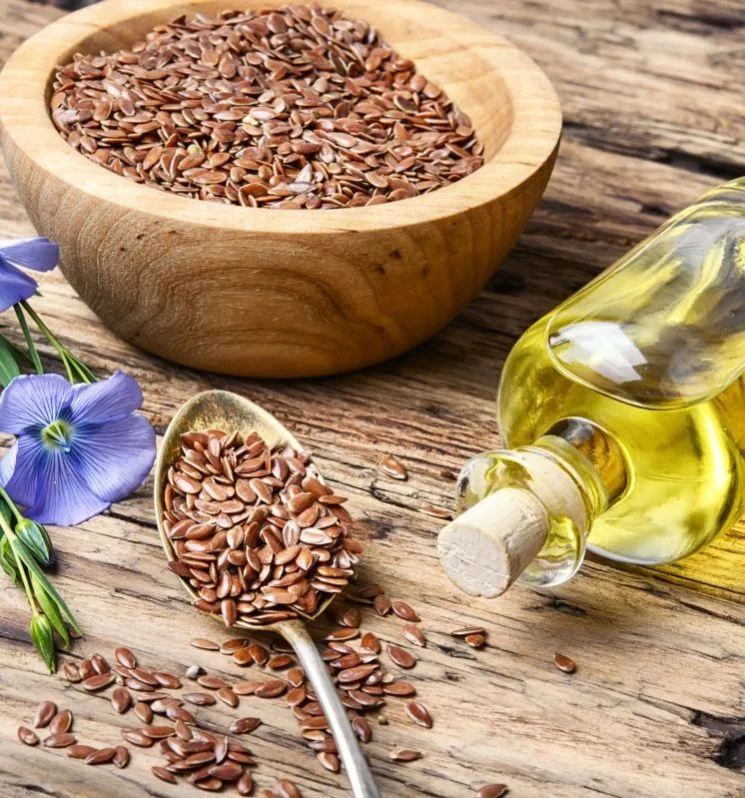
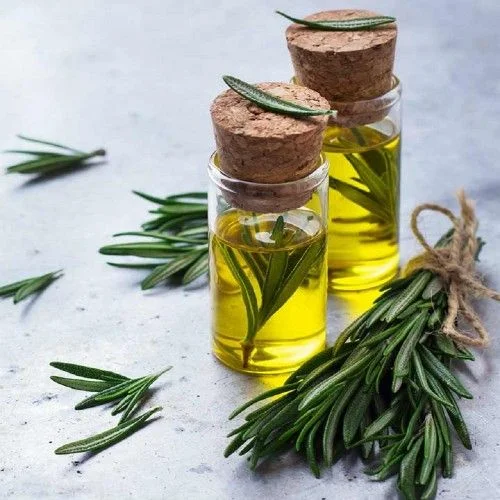
India hosts Zavix Pharmaceuticals Pvt. Ltd., which lists 18 active oil products in its catalogue. The portfolio covers a range of essential oils such as Cinnamon, Clove, Peppermint, Rosemary, Tea Tree, Wintergreen, Ylang Ylang, Lavender and Menthol, as well as carrier oils including Linseed, Neem, Lemongrass, Jojoba, Almond, Apricot, Argan and Castor. Each entry is identified by its common name and, where provided, an HS code and material description. The catalogue also highlights a focus on natural, cold‑pressed variants for the carrier oils.
Two items include explicit HS codes: Argan Oil is recorded under HS 1515.90 as pure Argania spinosa kernel oil, cold‑pressed, and Castor Oil under HS 1515.30 as Ricinus communis seed oil. The remaining essential oils fall under HS chapter 33, typically classified under 3301 for pure essential oils. All 18 products are presented without additional certification claims in the supplied data.
Product Range and Specialties of Zavix Pharmaceuticals Pvt. Ltd.
Zavix’s catalogue spans both volatile essential oils and non‑volatile carrier oils. In the essential oil segment, industry standards usually require gas chromatography‑mass spectrometry (GC‑MS) verification with purity levels of 95 % or higher, and specifications such as a refractive index within ISO‑specific ranges. Carrier oils like Argan, Castor, Jojoba and Linseed are commonly cold‑pressed, with typical acid values below 2 mg KOH/g and moisture content under 0.5 %. Standard packaging includes 100 ml amber glass bottles for essential oils and 5 l to 25 l PET drums for carrier oils, allowing bulk shipment in 20 ft containers.
Trade and Export Information - Zavix Pharmaceuticals Pvt. Ltd.
India is a major exporter of essential and carrier oils, supplying the cosmetics, personal care, food flavouring and nutraceutical markets across the United States, European Union, Middle East and Southeast Asia. HS 3301 for essential oils and HS 1515 series for vegetable oils are the primary customs classifications used in export documentation. Buyers typically request ISO 9001 or GMP compliance, and many importers require additional certificates such as Organic, Kosher or ISO 22000 depending on end‑use. Common export logistics involve FOB ports on the western coast (e.g., Mumbai) or CIF terms to regional hubs, with containers loaded in line with ISPM 15 standards for wooden pallets.
Sourcing from Zavix Pharmaceuticals Pvt. Ltd. - Buyer Guidance
Prospective buyers should obtain a current Certificate of Analysis and a detailed GC‑MS report for each essential oil to confirm purity and composition. For carrier oils, a press‑date, acid value and moisture analysis are standard verification items. Requesting a Safety Data Sheet, origin certificate and, where applicable, organic or halal certification will help assess compliance with regional regulations. Verify the HS code listed in the quotation matches the product class, and confirm packaging dimensions, MOQ and lead time before placing an order.
Frequently Asked Questions About Zavix Pharmaceuticals Pvt. Ltd.
What types of oils does Zavix list in its catalogue?
The catalogue includes 18 products such as Cinnamon Oil, Clove Oil, Peppermint Oil, Rosemary Oil, Tea Tree Oil, Wintergreen Oil, Ylang Ylang Oil, Lavender Oil, Menthol Oil, Linseed Oil, Neem Oil, Lemongrass Oil, Jojoba Oil, Almond Oil, Apricot Oil, Argan Oil (HS 1515.90), Flax Seed Oil and Castor Oil (HS 1515.30).
Which HS codes are associated with the listed oils?
Two products carry specific HS codes: Argan Oil is classified under 1515.90 and Castor Oil under 1515.30. Most essential oils in the list fall under HS chapter 33, commonly recorded as 3301 for pure essential oils.
What quality documentation should a buyer request?
Buyers should request a Certificate of Analysis, a GC‑MS profile confirming purity (typically ≥95 %), a Safety Data Sheet and, where relevant, an Organic or Kosher certificate. For cold‑pressed carrier oils, a press‑date and moisture content test are also standard.
What are typical packaging formats for these oils?
Essential oils are usually shipped in amber glass bottles ranging from 50 ml to 1 l, while carrier oils such as Argan or Castor are packed in food‑grade PET drums of 5 l to 25 l. Bulk shipments may be placed in 20 ft containers with inner liners to prevent leakage.
Which markets commonly import Indian essential oils?
Major importers include the United States, European Union members, the United Arab Emirates and Japan. Buyers in cosmetics, personal care, aromatherapy and nutraceutical sectors frequently source Indian oils due to established supply chains and compliance with EU REACH.
What incoterms are typically used for oil exports from India?
Exporters often quote FOB Mumbai or CIF Dubai, allowing buyers to arrange freight and insurance according to their logistics preferences. Container loading follows standard ISPM 15 phytosanitary guidelines for wooden packaging.
Is there a standard minimum order quantity?
While the catalogue does not specify a fixed MOQ, bulk carrier oils such as Argan or Castor are commonly ordered in multiples of 500 kg, and essential oils in 100 kg batches, subject to supplier confirmation.
What is a realistic lead time for these products?
Lead times typically range from 4 weeks for standard essential oils to 6 - 8 weeks for cold‑pressed carrier oils that require additional quality testing and packaging preparation.




 , India