Agriculture›
 Apparel and fashion accessories›
 Construction & real estate›💡Electronic & Electrical›🍎Food & Beverages›🛋️Home furnishing & supplies›⚗️Industrial goods & chemical›🪨Minerals & metals›📦Miscellaneous›Agriculture›Apparel and fashion accessories›Construction & real estate›💡Electronic & Electrical›🍎Food & Beverages›🛋️Home furnishing & supplies›⚗️Industrial goods & chemical›🪨Minerals & metals›📦Miscellaneous›
Yinclun Enterprise Co., Ltd.
⚓ Harbor , ChinaNew supplier / no reviews yet
Yinclun Enterprise Co., Ltd. Product Catalog

About Yinclun Enterprise Co., Ltd. - Stainless Steel Pipes & Pipe Fittings Supplier in China
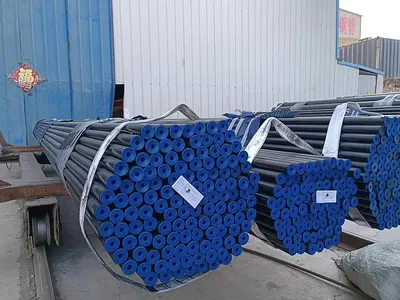
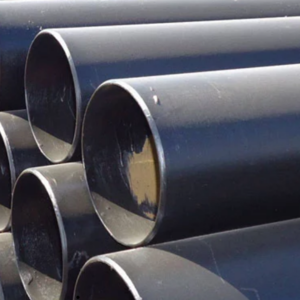
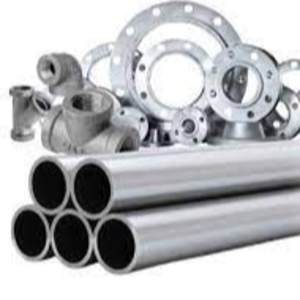
Based in China, Yinclun Enterprise Co., Ltd. currently lists five distinct products in its catalogue. The supplier’s portfolio falls under the stainless steel pipes & pipe fittings and stainless steel valves segments, as indicated by its top categories. The catalogue includes seamless steel pipes and tubes, carbon steel butt‑welded fittings, rubber expansion joints, cast iron valves, and carbon steel flanges. Each item is associated with a specific HS‑code family, for example the rubber expansion joints are recorded under HS 4016.93 and the cast iron valves under HS 8481.80. The product set reflects a focus on pressure‑handling components used in industrial piping systems.
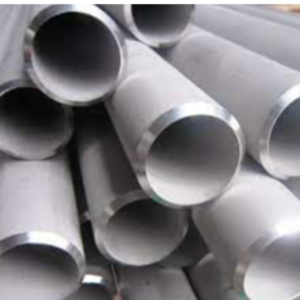
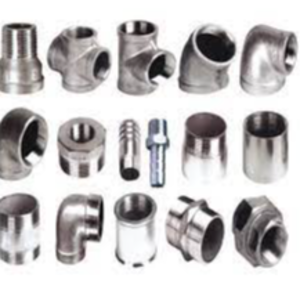
Seamless steel pipes and tubes are offered without a listed HS code but belong to the general HS 7308 series for steel pipes. Carbon steel butt‑welded fittings correspond to the HS 7307 family, while carbon steel flanges are explicitly listed under HS 7307.91 and conform to ASTM A105/A350 LF2 specifications. The rubber expansion joints combine EPDM rubber with stainless steel 304/316 flanges, matching the HS 4016.93 classification for rubber articles used in pipelines. Cast iron valves are supplied in grey or ductile cast iron and are classified under HS 8481.80, a common code for cast‑iron valve bodies.
Product Range and Specialties of Yinclun Enterprise Co., Ltd.
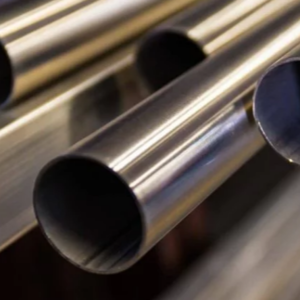
Yinclun’s catalogue lists seamless steel pipes and tubes, carbon steel butt‑welded fittings, EPDM rubber expansion joints with stainless steel 304/316 flanges, cast iron valves, and carbon steel flanges. In the stainless steel pipe market, buyers typically specify ASTM A312 grades 304 or 316 with wall thicknesses ranging from 2 mm to 25 mm and pressure ratings up to 600 bar. Carbon steel fittings are generally produced to ASTM A53 or A234 standards, with dimensions conforming to NPS (Nominal Pipe Size) schedules 40 - 80. EPDM expansion joints are evaluated for temperature ranges from - 50 °C to +150 °C and are often required to meet DIN 3760 or ISO 9001 quality management. Cast iron valves are commonly supplied to API 600 or ISO 3308 specifications, with body ratings of 150 - 300 bar. Carbon steel flanges follow the PN/EN 1092‑1 or ASME B16.5 standards, with bolt circle diameters expressed in millimetres.
Frequently Asked Questions About Yinclun Enterprise Co., Ltd.
What product categories does Yinclun Enterprise Co., Ltd. offer?
The supplier lists seamless steel pipes and tubes, carbon steel butt‑welded fittings, EPDM rubber expansion joints with stainless steel 304/316 flanges, cast iron valves, and carbon steel flanges. These items cover the main segments of industrial piping and valve hardware.
Which HS codes are associated with the catalogue items?
Rubber expansion joints are classified under HS 4016.93, cast iron valves under HS 8481.80, and carbon steel flanges under HS 7307.91; the other items fall within the broader HS 7307/7308 families for steel pipes and fittings. HS codes help customs authorities identify the product type for import/export clearance.
What standards should buyers verify for the stainless steel pipes?
Buyers usually confirm compliance with ASTM A312 grade 304 or 316, checking wall thickness, diameter, and pressure rating. An accompanying mill test report should reference the specific ASTM specification.
Are certifications required for the valve and expansion joint products?
Typical requirements include ISO 9001 quality management certification, CE marking for pressure equipment, and, for valves, API 600 or ISO 3308 test reports. Buyers should request these documents before shipment to ensure regulatory compliance.
What are the common packaging and shipping methods for these products?
Pipes and flanges are generally packed in wooden crates or steel drums sized to fit 20‑ft or 40‑ft containers. Shipping is frequently arranged under Incoterms such as FOB Shanghai or CIF to the buyer’s destination port.
ChinaRelated Suppliers & Products
Explore similar suppliers, related products and trending categories


.jpg.png)