Agriculture›
 Apparel and fashion accessories›
 Construction & real estate›💡Electronic & Electrical›🍎Food & Beverages›🛋️Home furnishing & supplies›⚗️Industrial goods & chemical›🪨Minerals & metals›📦Miscellaneous›Agriculture›Apparel and fashion accessories›Construction & real estate›💡Electronic & Electrical›🍎Food & Beverages›🛋️Home furnishing & supplies›⚗️Industrial goods & chemical›🪨Minerals & metals›📦Miscellaneous›
Xinyu Inston Mineral Product Co., Ltd.
⚓ Harbor , ChinaNew supplier / no reviews yet
Xinyu Inston Mineral Product Co., Ltd. Product Catalog
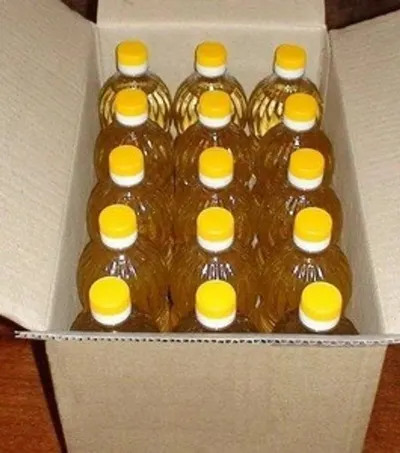
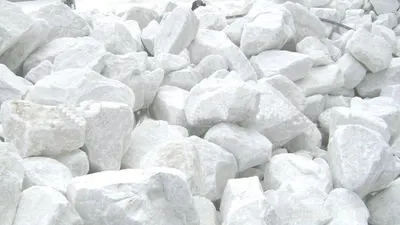
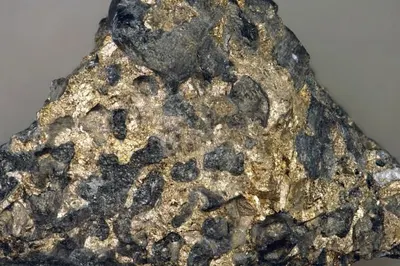
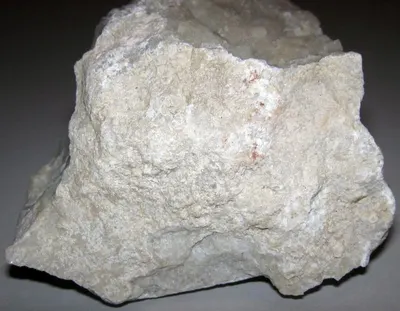
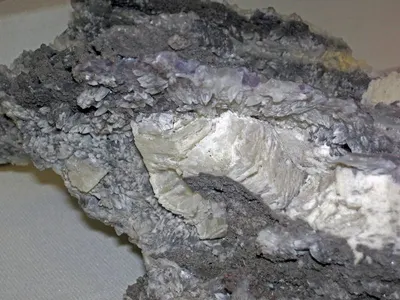
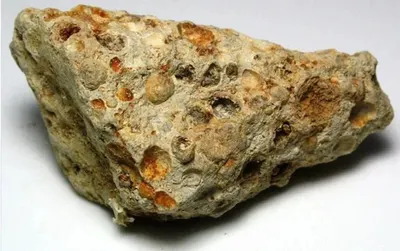
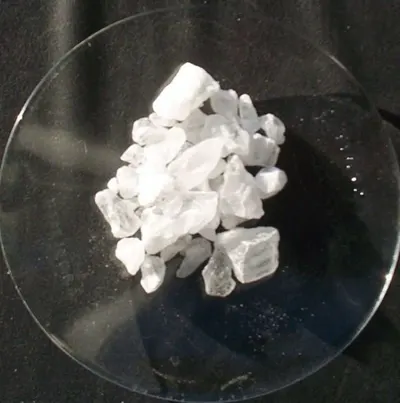
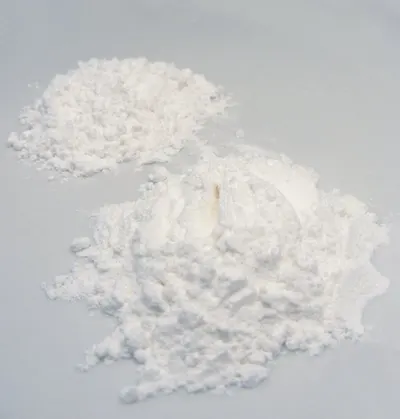
About Xinyu Inston Mineral Product Co., Ltd. - Glass Bottles, Jugs, Jars & Sealings Supplier in China
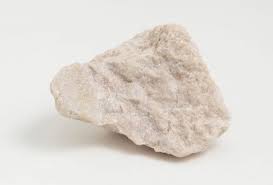
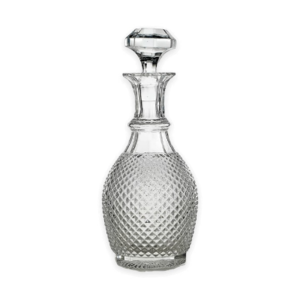
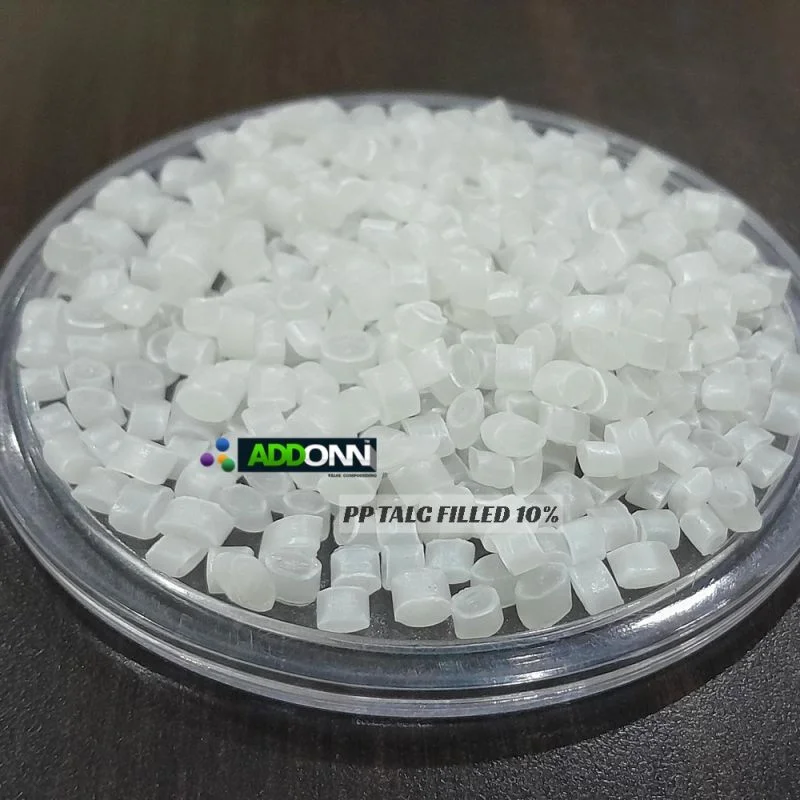
China hosts Xinyu Inston Mineral Product Co., Ltd., which lists 21 active products across several categories including glass containers, metal commodities and industrial minerals. The catalogue explicitly names Foodstuff Bottles, Cosmetic Bottles (HS 3923.30, manufactured from PET plastic or soda‑lime glass), Wine Bottle, Miscellaneous Glass Bottle, Drug Bottles, Carbon Steel (HS 7207.19, low to medium carbon alloy), Bauxite (HS 2606.00, Al2O3 40‑55 % metallurgical grade), Barite (HS 2511.10, natural BaSO4), Talc (HS 2526.20, hydrated magnesium silicate) and several grades of Wollastonite with HS codes 2520.10 and 2520.90.
The product list also repeats items such as Beer Bottles, Nepheline (HS 2530.90) and Calcined Talc, each paired with specific material descriptions. Bottle entries are described without a single HS code for some items, while ore and mineral entries include detailed chemical composition ranges. The steel entry specifies carbon steel (iron‑Fe/Carbon‑C alloy) and the bauxite entries differentiate high‑density and high‑grade varieties, all aligned with the HS codes provided.
Product Range and Specialties of Xinyu Inston Mineral Product Co., Ltd.
The bottle portfolio covers PET containers for food and cosmetics as well as soda‑lime glass bottles for wine, beer and pharmaceuticals. In the industry PET bottles typically meet PETE‑1 grade, wall thickness 0.2‑0.4 mm, and are tested to ISO 9001 food‑contact standards, while glass bottles often conform to 750 ml or 500 ml capacities with a standard 0.5 mm wall and are inspected for impact resistance (ISO 10377). The carbon steel offering falls within the 7207.19 HS chapter and is comparable to ASTM A36 or EN 10025 grades, with tensile strength 400‑500 MPa and carbon content up to 0.25 %. Bauxite listed under HS 2606.00 is typical metallurgical grade with Al2O3 40‑55 % and Fe2O3 ≤1.6 %, while high‑grade Bauxite shows Al2O3 50‑55 %. Barite, Talc and Wollastonite are supplied as natural minerals; standard specifications include purity ≥95 % for barite, whiteness ≥99 % for talc, and CaSiO3 content ≥90 % for wollastonite. Buyers often request assay reports, particle‑size distribution and moisture content (usually <2 %).
Frequently Asked Questions About Xinyu Inston Mineral Product Co., Ltd.
What types of bottles does Xinyu Inston list in its catalogue?
The catalogue includes Foodstuff Bottles, Cosmetic Bottles (HS 3923.30, PET or soda‑lime glass), Wine Bottles, Miscellaneous Glass Bottles, Drug/Medicine Bottles and Beer Bottles.
Which HS codes are associated with the mineral products?
Bauxite and high‑grade Bauxite are listed under HS 2606.00, Barite under HS 2511.10, Talc and Calcined Talc under HS 2526.20, and Wollastonite under HS 2520.10 or HS 2520.90 depending on the grade.
What material specifications should I verify for the carbon steel product?
The carbon steel is described as low to medium carbon alloy (iron‑Fe/Carbon‑C). Buyers should request a mill test certificate indicating grade (e.g., ASTM A36), carbon content up to 0.25 %, and tensile strength 400‑500 MPa.
Are there common certifications I should ask for when importing these goods?
Typical certifications include ISO 9001 quality management, SGS or BVQI inspection reports, REACH compliance for EU markets, and a certificate of origin for customs clearance.
What are the usual packaging methods for the bottles and minerals?
Bottles are generally packed in cardboard cartons on wooden pallets; glass bottles may be wrapped in protective film. Minerals such as bauxite, talc and wollastonite are shipped in bulk bags (up to 1 ton) or steel drums, often with moisture‑proof liners.
ChinaRelated Suppliers & Products
Explore similar suppliers, related products and trending categories