Agriculture›
 Apparel and fashion accessories›
 Construction & real estate›💡Electronic & Electrical›🍎Food & Beverages›🛋️Home furnishing & supplies›⚗️Industrial goods & chemical›🪨Minerals & metals›📦Miscellaneous›Agriculture›Apparel and fashion accessories›Construction & real estate›💡Electronic & Electrical›🍎Food & Beverages›🛋️Home furnishing & supplies›⚗️Industrial goods & chemical›🪨Minerals & metals›📦Miscellaneous›
Wuhan Xinrong New Materials Co., Ltd
⚓ Harbor , ChinaNew supplier / no reviews yet
Wuhan Xinrong New Materials Co., Ltd Product Catalog
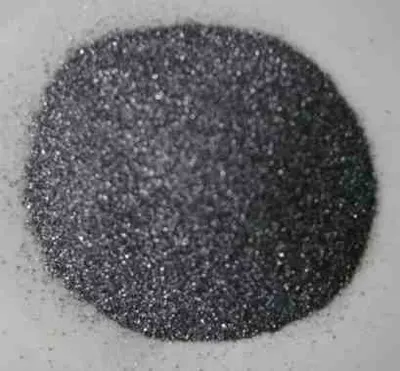
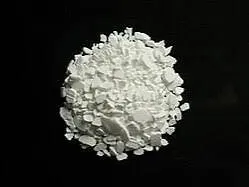
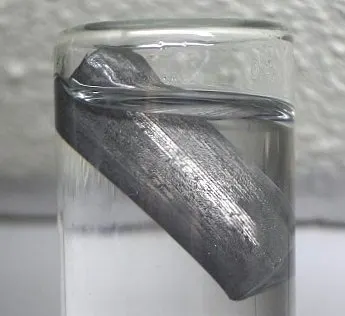
About Wuhan Xinrong New Materials Co., Ltd - Metal Products Supplier in China
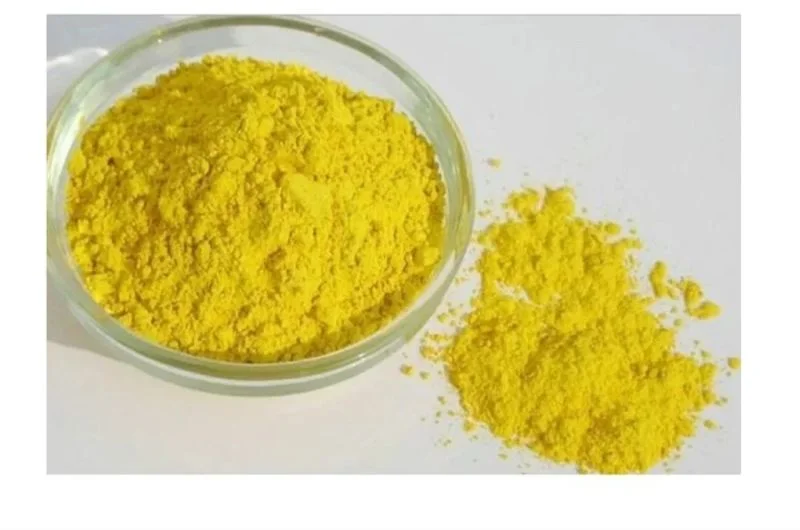
Based in Wuhan, China, Wuhan Xinrong New Materials Co., Ltd lists five active products across metal products, tailoring needles, industrial chemicals and metal powders. The catalogue includes a High Purity Bismuth Needle, an Indium Bar classified under HS code 8112.92, Indium Oxide, a High Purity Bismuth Trioxide (HS code 2825.50) in light‑yellow powder form, and a Bismuth Telluride Bar (HS code 2804.50). The listed materials feature purities of 99.9999 % for the indium bar and 99.99 - 99.999 % for the bismuth telluride alloy. All items are described with specific chemical compositions such as Bi₂O₃ and Bi₂Te₃.
The supplier’s product set focuses on high‑purity metals and compounds used in semiconductor, thermoelectric and specialty alloy applications. The High Purity Bismuth Needle is presented without an HS code but falls under the metal products chapter. Indium Oxide is offered as a separate chemical, commonly supplied in powder or bulk form. The bismuth compounds are described as light‑yellow powder and alloy bar respectively, indicating typical physical forms for export. No certifications are listed in the supplied data, so buyers should verify compliance with standard material certifications.
Product Range and Specialties of Wuhan Xinrong New Materials Co., Ltd
Wuhan Xinrong’s catalogue covers a narrow but technically demanding range: a high‑purity bismuth needle, an indium bar of 6N (99.9999 %) purity, indium oxide, a high‑purity bismuth trioxide powder, and a bismuth‑telluride alloy bar with 4N‑5N (99.99 - 99.999 %) purity. In the broader market, indium bars are often supplied in 6N to 7N grades for thin‑film semiconductor processes, with specifications for oxygen content below 5 ppm. Bismuth trioxide powders are typically graded by particle size (e.g., <10 µm) and moisture content (<0.1 %). Bismuth‑telluride alloys used in thermoelectric modules are commonly offered in bar or ingot form with tight control of carrier concentration and resistivity, and industry standards reference IEC 61753 for thermoelectric material performance. Tailoring needles made from bismuth are less common, but metal needles generally require dimensional tolerance within ±0.05 mm.
Frequently Asked Questions About Wuhan Xinrong New Materials Co., Ltd
What purity levels are available for the Indium Bar?
The Indium Bar is specified as High Purity Indium 6N, which corresponds to 99.9999 % purity. Buyers should obtain a Certificate of Analysis confirming the impurity limits, typically oxygen below 5 ppm.
Which HS codes apply to the listed products?
The catalogue assigns HS code 8112.92 to the Indium Bar, 2825.50 to the High Purity Bismuth Trioxide, and 2804.50 to the Bismuth Telluride Bar. Products without an HS code in the list fall under the broader metal products or chemical categories in the customs tariff schedule.
What form and packaging are used for the Bismuth Trioxide powder?
The Bismuth Trioxide is described as a light‑yellow powder and is typically packaged in sealed, moisture‑proof drums or nitrogen‑flushed containers to prevent oxidation. Packaging size commonly ranges from 25 kg to 50 kg per drum for export.
Are there standard certifications buyers should request for these high‑purity metals?
While the supplier’s data does not list specific certifications, buyers normally request ISO 9001 quality management certification, a Certificate of Analysis, and an MSDS for each material. Additional certifications such as REACH registration may be required for European imports.
What are typical lead times and minimum order quantities for the metal bars?
Lead times are generally 2 - 4 weeks after order confirmation, and minimum order quantities are often 5 kg for alloy or indium bars, though smaller trial quantities (0.5 kg) may be negotiated for powder forms.
ChinaRelated Suppliers & Products
Explore similar suppliers, related products and trending categories