Wudi Guangshu Commerce And Trade Co., Ltd. — Verified Supplier
About Wudi Guangshu Commerce And Trade Co., Ltd. - Agriculture Supplier in China
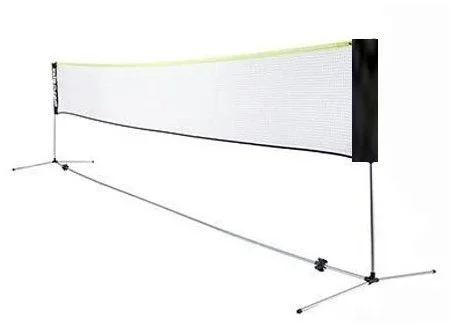
Based in China, Wudi Guangshu Commerce And Trade Co., Ltd. lists 27 active products across the agriculture sector. The catalogue includes a variety of netting solutions such as crab and lobster traps, fish drying and casting nets, aquaculture cages, shade and anti‑bird nets, as well as sports nets for table tennis, badminton and basketball. Each entry references a specific net type rather than a single material, covering both rigid steel‑wire constructions and flexible polymer meshes. The supplier also offers ancillary items such as torpedo lights for fishing buoys and plant climbing nets, reflecting a broad net‑focused product line.
The net products fall under common HS code families used for netting, for example HS 6307 covers netting of polymer, metal or other materials and HS 5605 includes fishing nets and related accessories. Materials reported in the catalogue typically include stainless steel wire for crab traps, nylon or polyethylene for fishing and agricultural nets, and PVC‑coated fabrics for shade applications. Mesh sizes in similar products range from 5 mm for fine fish gill nets up to 200 mm for large‑scale aquaculture cages, with tensile strengths often specified between 30 MPa and 150 MPa depending on the material. These technical parameters help buyers align the supplier’s offerings with industry standards.
Product Range and Specialties of Wudi Guangshu Commerce And Trade Co., Ltd.
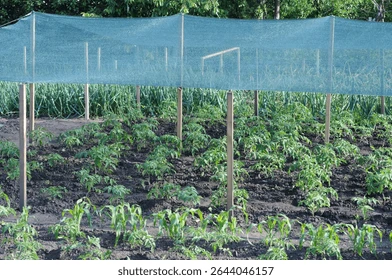
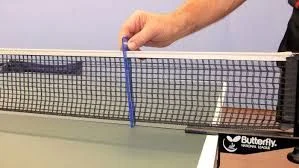
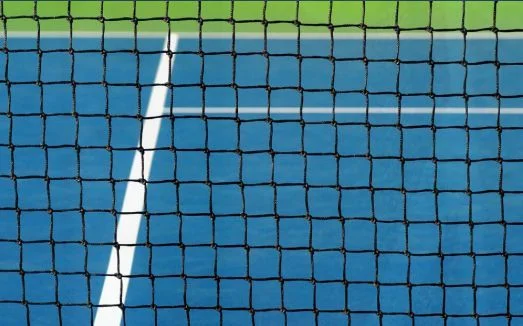
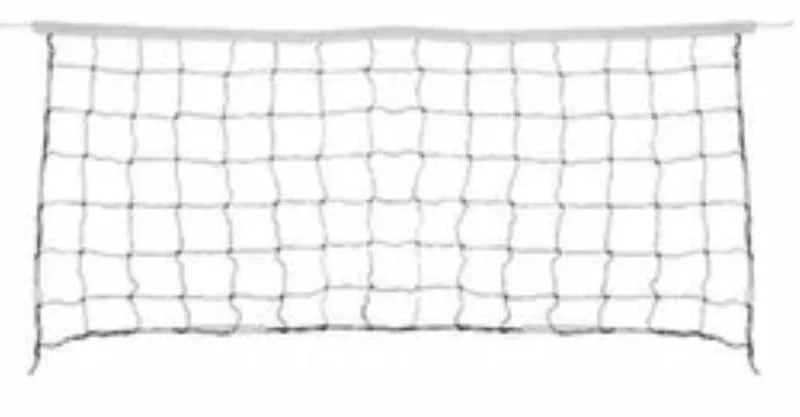
The supplier’s catalogue lists items such as crab and lobster traps, foldable steel‑wire crab pots, fish drying and cast nets, fishing gill nets, and high‑quality casting nets. It also includes agricultural shade nets, anti‑hail and anti‑bird nets, plant support and climbing nets, as well as sports nets for table tennis, badminton and basketball. Additional products cover mariculture scallop and oyster cages, mist nets for bird control, and buoy‑mounted torpedo lights used in fishing operations.
In the netting industry, fishing nets are commonly manufactured from nylon 6/6 or high‑density polyethylene with mesh openings tailored to target species; marine aquaculture cages often use UV‑stabilised polyethylene with mesh sizes of 20‑50 mm to balance water flow and predator exclusion. Agricultural shade nets typically meet ISO 9001 quality management and provide light transmission rates between 30 % and 70 % depending on shade factor. Sports nets are usually made from nylon or polyester with tensile strengths of 40‑80 MPa to ensure durability during play. Bird‑control mist nets are woven from fine nylon strands with mesh apertures as small as 5 mm to capture small birds without causing injury.
Trade and Export Information - Wudi Guangshu Commerce And Trade Co., Ltd.
China is a major exporter of netting products, supplying Southeast Asian markets, the European Union, and North America with both standard and custom‑specification nets. HS chapter 63 (specifically 6307) and chapter 56 (5605) are the primary tariff classifications for polymer and metal nets, and shipments are often subject to phytosanitary or marine quarantine inspections depending on the end use.
Typical certifications requested by international buyers include ISO 9001 for quality management, CE marking for safety equipment, and SGS or BV testing reports for UV resistance and tensile performance. Net products are usually packed in compact rolls or flat‑packed bundles, loaded into 20‑ft or 40‑ft containers with a gross weight of up to 18 t per container. Common Incoterms used by Chinese net exporters are FOB Shanghai or CIF destination port, allowing buyers to arrange onward freight and insurance.
Sourcing from Wudi Guangshu Commerce And Trade Co., Ltd. - Buyer Guidance
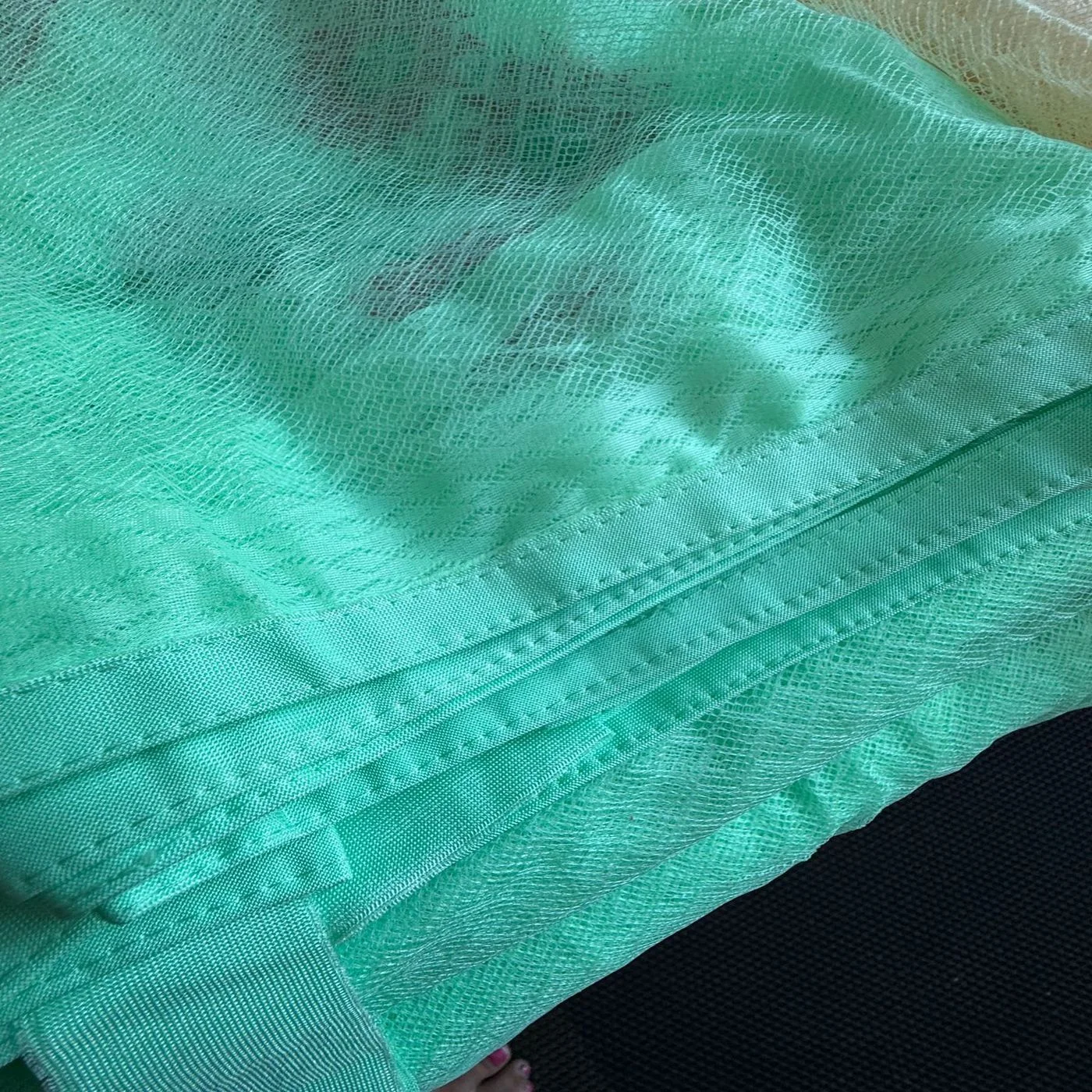
When sourcing nets from this supplier, buyers should obtain detailed specifications such as material type, mesh size, tensile strength, UV‑stabilisation grade and weight per square metre. Requesting a physical sample or a pre‑production prototype helps verify mesh uniformity and seam strength before committing to larger volumes.
Buyers are advised to ask for test reports that confirm compliance with relevant standards, for example ISO 9001 audit reports, CE conformity certificates for safety nets, and any SGS or Intertek inspection results for marine‑grade products. Verifying the HS code declared on the commercial invoice (e.g., 6307.99 for polymer netting) and ensuring that the packaging meets container loading guidelines will reduce customs delays.
Frequently Asked Questions About Wudi Guangshu Commerce And Trade Co., Ltd.
What categories of nets are included in Wudi Guangshu's product list?
The catalogue covers fishing traps, crab and lobster pots, casting and gill nets, aquaculture cages, agricultural shade and anti‑bird nets, plant support nets, and sports nets for table tennis, badminton and basketball.
Which materials are commonly used for the fishing and aquaculture nets?
Fishing nets are typically made from nylon 6/6 or high‑density polyethylene, while aquaculture cages often use UV‑stabilised polyethylene mesh. Steel wire is used for rigid crab traps.
What certifications should a buyer request for these net products?
Buyers should request ISO 9001 quality management certificates, CE marking for safety‑related nets, and independent test reports (e.g., SGS) confirming tensile strength and UV resistance.
What is a typical minimum order quantity for standard net items?
Standard nets are often sold by the roll or by square metre, with minimum orders ranging from 100 m² to 500 m² depending on the mesh size and material. Custom‑specification traps may require a minimum of 50‑100 units.
How are the nets packaged for international shipment?
Nets are usually compacted into flat rolls or folded bundles, placed in sturdy cardboard boxes or shrink‑wrapped pallets, and loaded into 20‑ft or 40‑ft containers. Bulk shipments may use bulk bags for heavier steel‑wire traps.
Which HS codes are applicable to the netting products offered?
Netting products generally fall under HS 6307 (other made‑up textile articles, including nets) for polymer nets and HS 5605 for fishing nets and related accessories.
What lead time can buyers expect for custom net orders?
Custom net specifications typically require 15‑30 days for material procurement, cutting and stitching, followed by an additional 5‑7 days for quality inspection and packaging.
Can samples be obtained before placing a full order?
Yes, the supplier can provide small‑size samples of net material or a single unit of a trap to allow buyers to assess mesh uniformity, strength and durability prior to bulk purchasing.




 , China