White Fibers International (Pvt) Ltd — Verified Supplier
About White Fibers International (Pvt) Ltd - Cotton Supplier in Pakistan
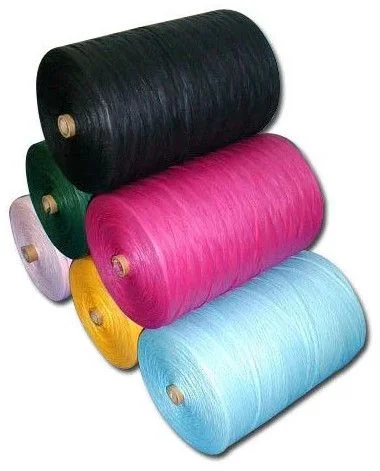
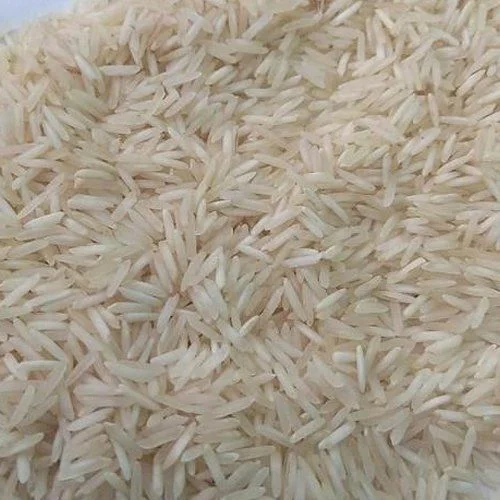
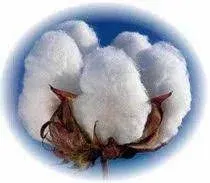
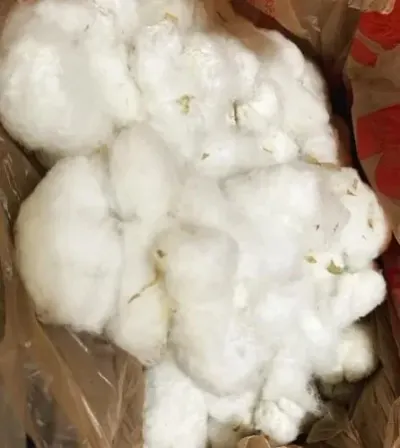
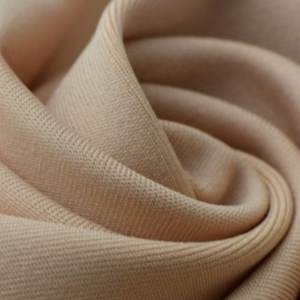
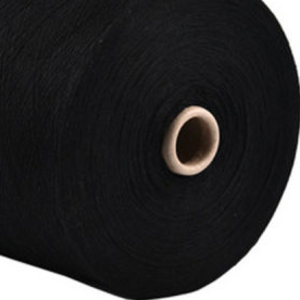
White Fibers International (Pvt) Ltd is based in Pakistan and currently lists five distinct products in its catalogue. The listed items cover raw cotton, processed cotton, textile yarn, and rice, reflecting the supplier’s focus on agricultural and textile commodities. The catalogue includes low‑grade raw cotton for lower count, high‑grade quality Pakistan cotton, a generic cotton entry, high‑quality grade yarn, and rice. All products are presented without specific HS codes in the provided data. The supplier is classified as an imported tier with a harbor trust level.
The cotton entries differentiate between raw and finished grades, indicating availability for both spinning mills and downstream textile manufacturers. The yarn item is described as high‑quality grade, suggesting suitability for weaving or knitting applications. The rice product is listed without further specification, implying a bulk commodity offering. The supplier’s active product count of five matches the five catalogue entries. No additional certifications are mentioned in the supplied facts.
Product Range and Specialties of White Fibers International (Pvt) Ltd
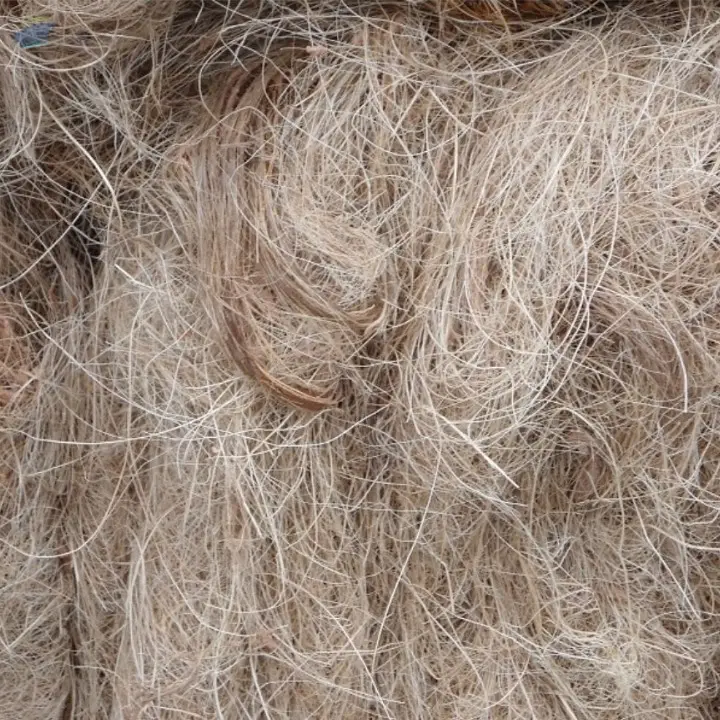
The catalogue’s cotton line comprises low‑grade raw cotton intended for lower‑count yarn production and a high‑grade variety that meets the quality standards typical of Pakistani Extra‑Long Staple (ELS) cotton. In the global market, raw cotton is graded by staple length (e.g., 28‑32 mm for medium grade), micronaire value (3.5‑4.5 µg/inch), and strength (measured in grams/tex). High‑grade cotton often falls within the 30‑34 mm staple range and a micronaire of 3.7‑4.2, meeting requirements for premium textiles. The yarn entry, identified as high‑quality grade, would generally be measured in Ne or Tex, with common specifications such as 20‑30 Ne for single‑ply yarns and a twist per meter of 8‑12. Rice, as a bulk food commodity, is typically classified by milling degree (e.g., Basmati or non‑Basmati), moisture content below 14 %, and broken grain percentage under 5 %.
Trade and Export Information - White Fibers International (Pvt) Ltd
Pakistan is a major exporter of cotton and cotton yarn, supplying markets in Bangladesh, Vietnam, Turkey, and the European Union. Rice from Pakistan is commonly shipped to the Middle East, Africa, and Southeast Asian countries. Buyers of these commodities usually require phytosanitary certificates for cotton and rice, and a mill test report (MTR) for yarn to verify tensile strength, elongation, and impurity levels. Standard trade terms include FOB Karachi port for cotton and yarn, and FOB Port Qasim for rice, with container loads of 20 ft or 40 ft commonly used. Exporters often obtain ISO 9001 quality management certification, although this supplier’s certifications are not listed in the provided data.
Sourcing from White Fibers International (Pvt) Ltd - Buyer Guidance
When sourcing cotton from this supplier, buyers should request a sample of the raw and high‑grade cotton to assess staple length, micronaire, and color grade, and compare the results against the buyer’s technical specifications. For yarn, a mill test report confirming yarn count, tensile strength (minimum 6 cN/tex), and twist per meter is essential before placing a bulk order. Rice buyers should obtain a certificate of analysis indicating moisture content, broken grain ratio, and pesticide residue limits in line with the importing country’s regulations. Since the supplier’s certifications are not disclosed, buyers are advised to ask for any existing ISO, Oeko‑Tex, or SGS inspection reports and to arrange third‑party pre‑shipment inspection if required. Clarifying payment terms, lead times, and container loading plans in advance helps to align expectations and reduce shipment delays.
Frequently Asked Questions About White Fibers International (Pvt) Ltd
What types of cotton does White Fibers International offer?
The supplier lists low‑grade raw cotton for lower‑count yarn production and a high‑grade quality Pakistan cotton. These two grades cover a range from medium staple length to extra‑long staple used in premium textile applications.
Is there any certification attached to the cotton or yarn products?
No certifications are mentioned in the supplied facts. Buyers should request any existing ISO, Oeko‑Tex, or SGS inspection reports and verify compliance with their own import standards.
What specifications are typical for the high‑grade cotton?
High‑grade Pakistani cotton generally exhibits a staple length of 30‑34 mm, a micronaire value of 3.7‑4.2, and a tensile strength above 30 g/tex. These parameters align with the requirements of high‑performance yarn manufacturers.
What quality tests are expected for the high‑quality grade yarn?
Standard tests include yarn count (Ne or Tex), tensile strength (minimum 6 cN/tex), elongation at break, and twist per meter (typically 8‑12). A mill test report documenting these values is customary before bulk procurement.
How is the rice product usually packaged for export?
Rice from Pakistan is commonly packed in 25 kg polypropylene bags or bulk 1‑ton flexible intermediate bulk containers (FIBCs). The packaging meets most international moisture and contamination standards.
What documentation should an importer request for cotton shipments?
Importers typically require a phytosanitary certificate, a certificate of origin, and a laboratory analysis report confirming staple length, micronaire, and impurity levels. A commercial invoice and packing list are also standard.
What are typical lead times for a full container load from Pakistan?
Lead times for a 40 ft container of cotton, yarn, or rice usually range from 30 to 45 days, covering product preparation, inspection, and inland transport to the port of loading.
Which Incoterms are most commonly used for these commodities?
Buyers often see FOB Karachi for cotton and yarn, and FOB Port Qasim for rice. These terms place responsibility for loading on the seller up to the ship’s rail, after which the buyer assumes risk and cost.




 , Pakistan